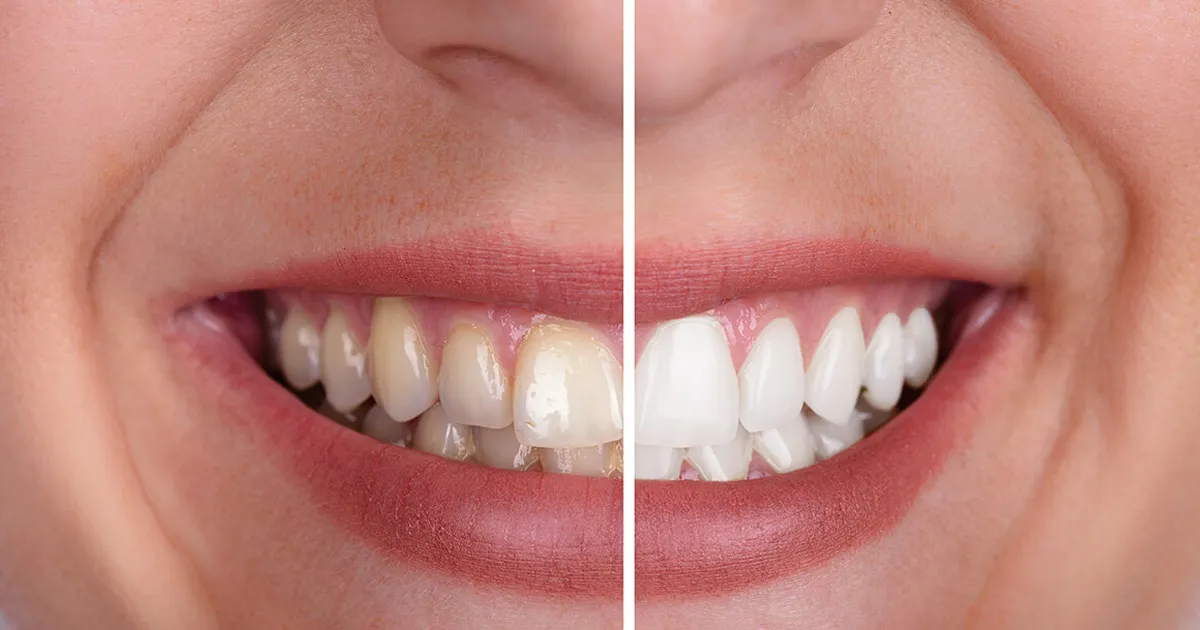
What Is Teeth Whitening And Why Is It Popular
Teeth whitening has become a cornerstone of modern cosmetic dentistry, sought after by individuals seeking to enhance their smiles and boost their confidence. The procedure, which involves lightening the color of teeth, has seen a surge in popularity due to its accessibility and the widespread desire for a brighter, more youthful appearance. Various methods are available, ranging from professional treatments administered by dentists to over-the-counter products like whitening strips and toothpastes. The appeal is undeniable; a radiant smile is often perceived as a sign of health and vitality, making teeth whitening an attractive option for those looking to make a positive impression. However, while the benefits are clear, it is equally important to understand the potential downsides and hidden dangers associated with teeth whitening procedures to make informed decisions and protect oral health.
The Hidden Dangers of Teeth Whitening
While teeth whitening can significantly improve the aesthetic appeal of your smile, it is essential to be aware of the potential risks. Many individuals are unaware of the possible adverse effects that can arise from teeth whitening treatments, whether performed at home or in a dental office. Understanding these dangers is crucial for anyone considering such procedures. The risks vary depending on the method used, the concentration of the whitening agent, and individual susceptibility. Therefore, understanding these potential problems helps to approach teeth whitening with informed caution, allowing you to weigh the cosmetic benefits against the potential health consequences.
Tooth Sensitivity

One of the most common side effects of teeth whitening is tooth sensitivity. This occurs because the bleaching agents, such as hydrogen peroxide or carbamide peroxide, can penetrate the enamel and reach the dentin, which contains nerve endings. This can lead to a heightened sensitivity to hot or cold foods and drinks, causing discomfort and even sharp pain. The degree of sensitivity varies from person to person and can depend on factors like the concentration of the whitening agent and the duration of the treatment. Sensitivity usually subsides within a few days or weeks after the whitening treatment is completed. However, in some cases, it may persist for a longer duration. To mitigate this, dentists often recommend using desensitizing toothpaste before, during, and after the whitening process.
Gum Irritation
Gum irritation, another frequently reported side effect, can manifest as inflamed, sore, or even bleeding gums. This happens when the whitening agent comes into contact with the soft tissues of the mouth. This is particularly common with at-home whitening kits, where ill-fitting trays can cause the bleaching solution to leak and irritate the gums. Professional treatments often include protective measures, such as the application of a gingival barrier, to prevent this. In addition to discomfort, persistent gum irritation can increase the risk of infection and other oral health problems. If gum irritation occurs, it is important to stop the treatment and consult with a dentist. Rinsing the mouth with warm salt water can often help soothe the irritated gums and promote healing.
Enamel Damage
While enamel damage is a less common risk, it is a serious concern. Overuse or misuse of teeth whitening products can potentially erode the enamel, the hard, protective outer layer of the teeth. This erosion makes the teeth more vulnerable to decay, sensitivity, and discoloration. The extent of the damage depends on several factors, including the concentration of the whitening agent, the duration of exposure, and the frequency of the treatments. For instance, using high-concentration products for extended periods or excessive whitening can significantly increase the risk of enamel damage. To avoid this, following the instructions carefully and consulting with a dentist to determine the suitability of the whitening products is essential. Dentists can also assess the health of the enamel before starting the whitening procedure.
Allergic Reactions

Although rare, allergic reactions to teeth whitening products can occur. These reactions may be triggered by ingredients in the whitening agent, such as peroxide or certain flavoring agents. Allergic reactions can manifest as various symptoms, including swelling of the gums, lips, or tongue, itching, rash, and difficulty breathing. If any signs of an allergic reaction are observed, it is critical to seek immediate medical attention. Individuals with known allergies should carefully review the product ingredients and consult a dentist or healthcare professional before undergoing teeth whitening. In some cases, a patch test may be recommended to check for allergic reactions before applying the product to the entire mouth.
Uneven Whitening
Uneven whitening is a common aesthetic issue that can result from teeth whitening treatments. This can occur for several reasons, including variations in the enamel thickness, the presence of dental restorations like fillings or crowns, and the inconsistent application of the whitening agent. Teeth with thinner enamel may whiten faster than others, leading to an uneven appearance. Similarly, dental restorations typically do not respond to whitening treatments, which can create a noticeable contrast between the natural teeth and the restorations. To prevent uneven whitening, a dentist can assess the patient’s teeth and recommend the most appropriate whitening method. Custom-made trays can ensure a more even distribution of the whitening agent, and professional treatments offer greater control over the process.
Chemical Burns
Chemical burns are a potential risk associated with teeth whitening, particularly if the whitening agent comes into contact with the soft tissues of the mouth for an extended period. These burns can cause significant pain, inflammation, and damage to the gums, lips, and cheeks. Using products with high concentrations of peroxide or using ill-fitting trays are significant risk factors for chemical burns. Professional treatments often include measures to protect the soft tissues, such as the application of a gingival barrier. If a chemical burn occurs, it is essential to rinse the mouth thoroughly with water and consult with a dentist or healthcare professional immediately. The dentist can provide appropriate treatment to alleviate pain and promote healing, preventing the burn from causing more significant complications.
Cost and Maintenance

The cost of teeth whitening can vary widely depending on the method, the location, and the dentist performing the procedure. Professional treatments are generally more expensive than at-home kits. The initial cost is not the only financial consideration; ongoing maintenance is also essential to maintain the whitening results. Periodic touch-up treatments may be needed to keep the teeth looking bright, and these treatments can add to the overall cost. Furthermore, investing in quality oral hygiene products, such as whitening toothpaste and mouthwash, can contribute to the long-term maintenance of a white smile. Therefore, it is essential to consider the total cost, including the initial treatment and any ongoing expenses, before deciding to undergo teeth whitening.
How to Minimize Risks
Consulting a Dentist
The most important step in minimizing the risks associated with teeth whitening is to consult with a dentist. A dentist can assess the overall health of your teeth and gums, identify any pre-existing conditions, and determine whether teeth whitening is appropriate for you. They can also recommend the most suitable whitening method and concentration of the whitening agent based on your specific needs and dental health. During the consultation, the dentist can explain the potential risks and benefits of the treatment and provide guidance on how to minimize the risks. Professional teeth whitening performed by a dentist is often safer than at-home methods, as it allows for greater control over the procedure and includes protective measures to prevent complications.
Choosing the Right Products

If you opt for at-home teeth whitening, choosing the right products is crucial. Always select products that are approved by reputable dental organizations. Be sure to carefully read the product label and follow the instructions precisely. Pay attention to the concentration of the whitening agent; higher concentrations may offer faster results but also increase the risk of side effects. Consider the sensitivity of your teeth and choose products accordingly. If you have sensitive teeth, you may want to start with a lower concentration of whitening agent or use desensitizing toothpaste before, during, and after the whitening treatment. It is also advisable to consult your dentist about the best products for your individual needs and oral health condition.
Following Instructions Carefully
Regardless of the teeth whitening method you choose, following the instructions carefully is essential. This includes adhering to the recommended duration of the treatment, the frequency of application, and any specific guidelines provided by your dentist or the product manufacturer. Overuse of whitening products can significantly increase the risk of side effects such as tooth sensitivity, gum irritation, and enamel damage. Ensure that the whitening trays fit your teeth properly to prevent the whitening agent from coming into contact with your gums. If you experience any discomfort or unusual symptoms during the treatment, stop using the product immediately and consult with your dentist. Correctly following instructions is critical for achieving the desired results while minimizing the risks.
Aftercare Tips
Avoiding Staining Foods and Drinks

After undergoing teeth whitening, it is essential to avoid foods and drinks that can stain your teeth. These include coffee, tea, red wine, dark sodas, berries, and other highly pigmented foods. These items can cause your teeth to re-stain, reducing the longevity of the whitening results. For the first few days after the treatment, it is advisable to stick to a white diet consisting of foods like white rice, chicken, fish, and dairy products. Using a straw when drinking potentially staining beverages can minimize contact with your teeth. Maintaining a cautious approach to your diet in the first few weeks after whitening is beneficial for preserving the brightness of your smile.
Maintaining Oral Hygiene
Maintaining good oral hygiene is critical for preserving the results of teeth whitening and maintaining overall oral health. Brush your teeth at least twice a day with fluoride toothpaste, and floss daily to remove plaque and food particles. Consider using a whitening toothpaste to help maintain the brightness of your smile. Additionally, rinsing with an alcohol-free mouthwash can help to prevent staining and keep your mouth clean and healthy. Regular dental check-ups and professional cleanings are also essential for removing stains and plaque that can dull your teeth. Practicing diligent oral hygiene will not only extend the benefits of your teeth whitening treatment but also protect your teeth from decay and other dental problems.
Regular Dental Check-ups
Regular dental check-ups are a crucial part of maintaining a healthy and bright smile. During these visits, your dentist can assess your oral health, identify any potential problems, and provide professional cleanings. Professional cleanings remove plaque and tartar buildup, which can cause your teeth to appear dull and discolored. Your dentist can also monitor the results of your teeth whitening treatment and recommend any necessary touch-up treatments or adjustments to your oral hygiene routine. Regular check-ups enable you to address any dental issues early on before they develop into more serious problems. They contribute to the long-term health of your teeth and help you maintain the results of your teeth whitening efforts.
In conclusion, while teeth whitening can be a powerful tool for enhancing your smile, it is crucial to understand the potential risks involved. Being aware of these dangers, such as tooth sensitivity, gum irritation, and enamel damage, can help you make informed decisions and take appropriate precautions. Always consult with a dentist, choose the right products, follow instructions carefully, and practice good oral hygiene. By doing so, you can minimize the risks and enjoy the benefits of a brighter, more confident smile. Remember that a healthy and beautiful smile is not only about aesthetics but also about overall oral health.