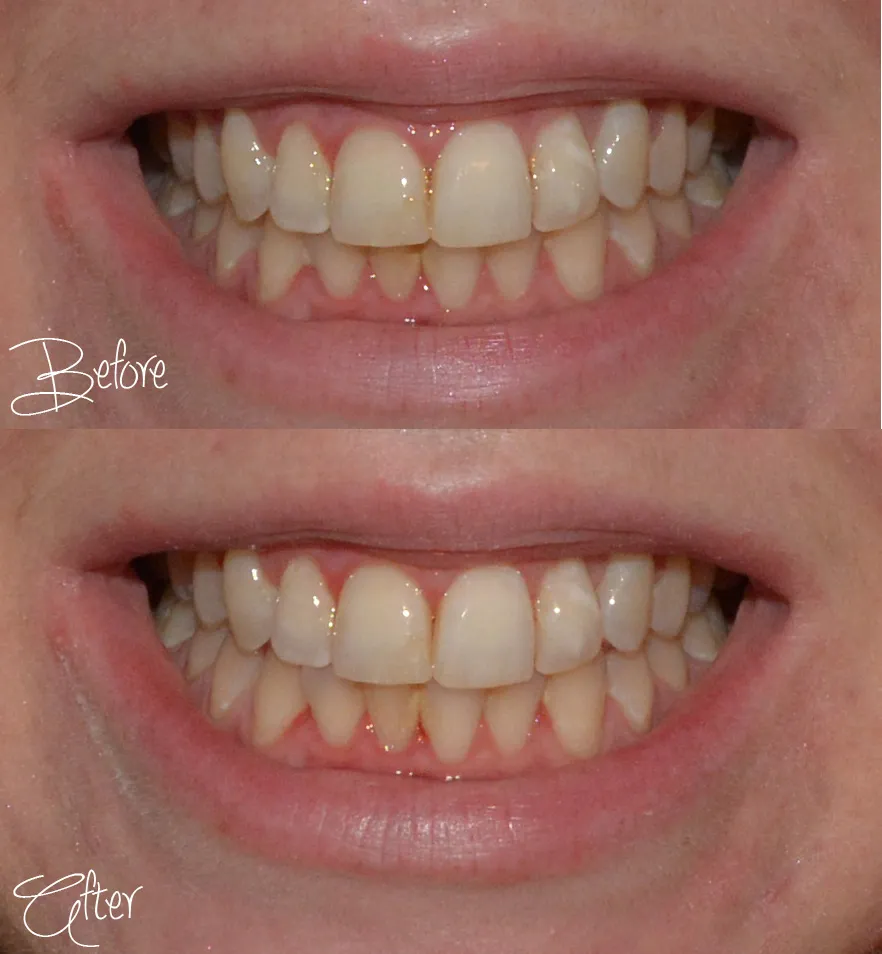
Understanding Baking Soda Teeth Whitening
The pursuit of a brighter smile has led many to explore the use of baking soda for teeth whitening. Baking soda, a common household ingredient, has gained popularity as a potential solution for removing stains and enhancing the appearance of teeth. But how does it work, and more importantly, how long does it take to see results? This article delves into the science behind baking soda teeth whitening, its effectiveness, potential risks, and alternative methods to help you make an informed decision about achieving a whiter smile. Understanding the fundamentals is essential before incorporating any new practice into your oral hygiene routine. This guide will provide you with comprehensive insights into baking soda teeth whitening.
How Baking Soda Works
Baking soda, or sodium bicarbonate, functions as a mild abrasive. When used on teeth, it helps to scrub away surface stains caused by food, drinks (like coffee, tea, and red wine), and smoking. The abrasive action helps to dislodge these stains, which can contribute to a brighter appearance. However, it’s important to note that baking soda does not chemically bleach the teeth in the same way that professional whitening treatments or over-the-counter bleaching products do. The effect is primarily due to its physical action on the tooth surface, and any perceived whitening is a result of stain removal rather than a fundamental change in the tooth’s natural color. This method is all about external appearance rather than internal changes.
The Abrasive Nature of Baking Soda

The gritty texture of baking soda is what gives it its stain-removing power. This abrasive quality means that when you brush with it, it can help to gently scrub away the build-up of stains. However, this abrasiveness also raises concerns about potential damage to the enamel, the protective outer layer of your teeth. While baking soda is considered a relatively mild abrasive compared to some other substances, prolonged or excessive use can still lead to enamel erosion over time. This is why moderation and proper technique are key when considering this method of teeth whitening. The abrasive quality, while effective, should be used with caution, as it can wear down your tooth enamel if used improperly.
How It Affects Enamel
Enamel is the hardest substance in the human body, but it’s also susceptible to wear and tear. The constant abrasion from baking soda, especially if used aggressively or frequently, can gradually wear down the enamel. This erosion can lead to increased tooth sensitivity, as the underlying dentin layer, which contains nerve endings, becomes exposed. Furthermore, enamel erosion makes teeth more vulnerable to cavities and decay. The long-term effects of using baking soda on enamel are a crucial consideration. It’s essential to be mindful of the potential risks and balance them with the desired outcome of whiter teeth. Proper brushing technique and frequency are therefore essential for minimizing enamel damage.
Effectiveness of Baking Soda for Whitening
The effectiveness of baking soda for teeth whitening varies depending on individual factors, the type of stains, and the frequency of use. It’s generally more effective at removing surface stains than addressing intrinsic discoloration, which is caused by changes within the tooth structure itself. For those with light staining, baking soda can provide noticeable improvement. However, for those with more severe staining or underlying dental issues, baking soda alone may not deliver significant results. It is crucial to manage expectations and understand that baking soda is not a substitute for professional dental treatments. The best approach often involves a combination of methods.
Factors Influencing Results

Several factors influence the effectiveness of baking soda for teeth whitening. The type and severity of the stains are crucial; surface stains from coffee or tobacco are more easily removed than intrinsic stains. The frequency and technique of brushing also play a significant role, as aggressive brushing can lead to enamel erosion, while gentle brushing may not be effective. Individual oral hygiene habits, such as the use of other whitening products or the avoidance of stain-causing foods and drinks, can influence the outcome. Moreover, the natural color of your teeth also has an influence; some people have naturally brighter teeth than others, and the effects of any whitening method will vary accordingly. These variables all work in concert.
Frequency of Use
The frequency with which you use baking soda for teeth whitening is a critical factor in its effectiveness and safety. Dental professionals generally recommend using baking soda sparingly, perhaps a few times a week. Overuse can increase the risk of enamel erosion and tooth sensitivity. It’s advisable to alternate with regular toothpaste and to monitor your teeth for any signs of sensitivity or changes in enamel. Some people only use baking soda once a week, or even less, to minimize potential risks. The goal is to achieve a balance between stain removal and protecting your dental health. Be sure to consult with a dentist to find out what works best for your teeth.
The Role of Staining
The type and severity of stains significantly impact the effectiveness of baking soda. Surface stains, which are caused by the build-up of pigments from foods, drinks, and tobacco, are the easiest to remove. Baking soda’s abrasive action can effectively lift these stains, leading to a brighter appearance. However, intrinsic stains, which occur within the tooth structure, are not as responsive to this method. These stains are often caused by factors such as aging, genetics, or certain medications, and they require different whitening approaches, such as professional treatments. To understand the full scope of the impact, it is essential to recognize the difference between intrinsic and extrinsic staining, and adjust your expectations accordingly.
How Long Does Baking Soda Teeth Whitening Take?

The timeline for seeing results with baking soda teeth whitening varies, depending on the individual and the factors already discussed. Some people may notice a slight improvement in the appearance of their teeth within a few weeks, while others may not see any significant changes. The consistency of use, the type of stains, and the overall oral hygiene habits play a crucial role in how quickly you might see results. It is essential to be patient and realistic about expectations, as baking soda is not a quick fix. It’s also important to monitor your teeth for any signs of sensitivity or damage during the process and adjust your approach accordingly. A combination of factors plays into the amount of time it will take to see results.
Initial Results Timeline
If you do experience positive results, you may start to notice a difference in the brightness of your teeth within a few weeks of regular use. However, the extent of the improvement is likely to be subtle, as baking soda works gradually to remove surface stains. You may see a more noticeable change if you have only minor staining or if you are consistent with your oral hygiene routine. The initial results also depend on your diet and lifestyle habits; avoiding stain-causing foods and beverages and not smoking will help to speed up the process. This process can be improved upon by avoiding those things.
Long-Term Whitening Expectations
The long-term whitening effects of baking soda are limited, and they primarily involve maintaining the removal of surface stains. Over time, regular use can help to prevent the build-up of new stains, which can contribute to a consistently brighter smile. However, baking soda is not a permanent whitening solution. The natural color of your teeth, as well as any intrinsic stains, will remain unchanged. To maintain the whitening effect, it’s important to continue practicing good oral hygiene habits, including regular brushing, flossing, and dental check-ups. Your long-term expectations should align with the limitations of this method.
Risks and Side Effects of Baking Soda Use

While baking soda can be effective for removing surface stains, it’s essential to be aware of the potential risks and side effects associated with its use. These side effects can range from mild to more severe, and it’s important to consider them before incorporating baking soda into your oral hygiene routine. The most common side effects are tooth sensitivity and gum irritation. In more serious cases, the abrasive nature of baking soda can lead to enamel erosion, which can increase your risk of cavities and other dental problems. Moderation, proper technique, and regular monitoring of your teeth are crucial for minimizing these risks. Always consult your dentist.
Tooth Sensitivity
Increased tooth sensitivity is a common side effect of using baking soda for teeth whitening. As the enamel wears down, the underlying dentin layer is exposed. This layer contains tiny tubules that lead to the nerves in your teeth, making them more sensitive to hot and cold temperatures, as well as sweet or acidic foods. If you experience tooth sensitivity, it’s important to reduce the frequency of baking soda use and consider using toothpaste designed for sensitive teeth. If the sensitivity persists or worsens, it’s essential to consult a dentist to rule out any other underlying dental issues.
Gum Irritation
Gum irritation is another potential side effect of using baking soda. The abrasive nature of baking soda can irritate the gums, causing redness, swelling, and sometimes bleeding. If you experience any gum irritation, it’s essential to use baking soda more sparingly or discontinue its use. Regular brushing with a soft-bristled toothbrush and gentle flossing can help to prevent gum irritation. If the irritation persists, consult your dentist for advice. Maintaining a healthy gum line is as important as achieving whiter teeth, and gum irritation should never be ignored.
Alternatives to Baking Soda for Whitening

If you’re seeking teeth whitening solutions that are gentler or more effective than baking soda, several alternatives are available. Over-the-counter whitening products, such as whitening toothpaste, strips, and gels, contain low concentrations of hydrogen peroxide or carbamide peroxide, which can help to bleach the teeth. These products are generally safe when used as directed but can cause mild sensitivity in some individuals. For more dramatic results, professional teeth whitening treatments performed by a dentist are the most effective option. These treatments use higher concentrations of bleaching agents and are customized to your specific needs. Other options include professional cleanings, which can remove surface stains, and lifestyle changes, such as avoiding stain-causing foods and beverages and quitting smoking. The correct alternative is specific to each individual, therefore, consult your dentist.
In conclusion, baking soda can be used as a part of your teeth whitening routine, but must be approached with caution. Results may be noticeable in a few weeks, but it’s critical to be aware of potential side effects. Consider all alternatives to find the best choice for your smile.