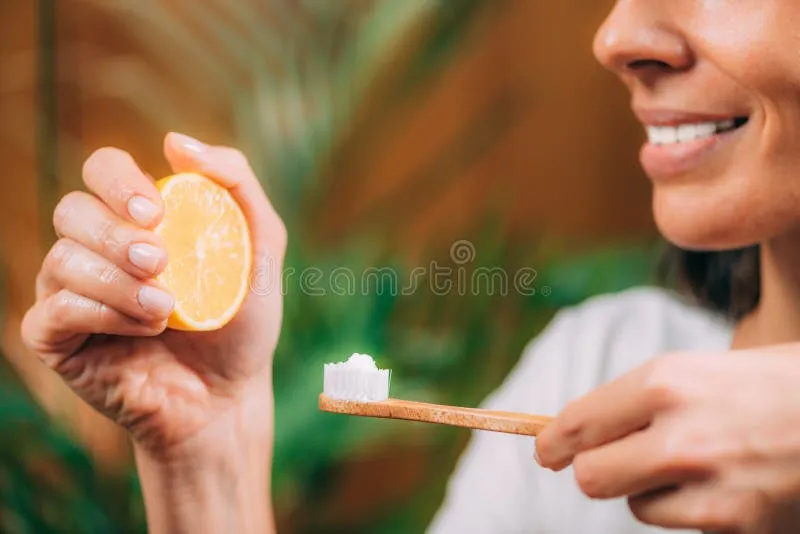
Baking Soda Teeth Whitening What You Need to Know
The pursuit of a brighter smile often leads individuals to explore various teeth whitening options. Among these, baking soda has emerged as a popular, cost-effective, and readily available home remedy. But does it truly live up to the hype? This article delves into the secrets of baking soda teeth whitening, providing a comprehensive guide that covers its effectiveness, potential risks, and safe usage. We’ll uncover the science behind baking soda’s whitening capabilities, discuss the benefits, and address the potential downsides to help you make an informed decision about incorporating this method into your oral hygiene routine. By understanding the facts, you can achieve a brighter smile while prioritizing your dental health.
How Baking Soda Works for Teeth Whitening
Baking soda, also known as sodium bicarbonate, functions primarily as a mild abrasive. When used on teeth, it helps remove surface stains caused by food, drinks (like coffee and tea), and tobacco. This stain removal gives the illusion of whiter teeth. Furthermore, baking soda has mild alkaline properties that can help neutralize acids in the mouth. This can be beneficial as acid can erode tooth enamel and contribute to discoloration. While it does not chemically bleach the teeth like professional treatments, its abrasive action effectively polishes the tooth surface, removing built-up debris and stains. Understanding this mechanism is key to setting realistic expectations and using baking soda safely and effectively.
The Science Behind Baking Soda

The effectiveness of baking soda in teeth whitening is rooted in its chemical properties. Sodium bicarbonate is a crystalline powder that, when mixed with water, forms a slightly alkaline solution. This alkalinity helps to disrupt the environment where stains thrive. The abrasive nature of baking soda aids in physically removing these stains from the enamel. In addition, baking soda can act as a gentle cleanser, dislodging food particles and bacteria. It’s also known for its ability to neutralize acids. However, the scientific evidence supporting baking soda’s whitening abilities is limited, primarily consisting of anecdotal evidence and small-scale studies. Therefore, while it can contribute to a brighter smile, its impact is typically less dramatic than professional treatments.
Baking Soda’s Abrasive Properties
The abrasive nature of baking soda is both its strength and its weakness. While it effectively scrubs away surface stains, excessive or improper use can potentially damage tooth enamel. Enamel is the hard, protective outer layer of the tooth, and it’s not easily regenerated. Over time, repeated abrasion can wear down enamel, leading to increased sensitivity, and making teeth more susceptible to cavities and further staining. Therefore, it is critical to use baking soda with caution, employing proper brushing techniques and avoiding excessive pressure. Combining it with other abrasive substances should also be avoided to minimize potential risks. The key is to balance effective stain removal with the preservation of enamel integrity.
Benefits of Using Baking Soda
One of the primary benefits of using baking soda for teeth whitening is its affordability. Compared to professional treatments or expensive over-the-counter products, baking soda is readily accessible and budget-friendly. It’s also a convenient option, available in most households, making it an easy addition to your oral hygiene routine. Beyond its cost-effectiveness, baking soda can contribute to a fresher feeling in the mouth by neutralizing odors and acting as a gentle cleanser. While the whitening effects may be subtle, it can improve the appearance of teeth by removing surface stains. This makes baking soda a simple, accessible option for those seeking a brighter smile without a significant financial investment.
Cost-Effective Teeth Whitening

The financial aspect of teeth whitening is a significant consideration for many individuals. Baking soda offers a notably cost-effective alternative to other methods. A box of baking soda typically costs only a few dollars, making it an incredibly affordable option. This accessibility makes it an attractive choice for those who may not have the resources for professional treatments or the ongoing expense of whitening strips or gels. The low cost allows individuals to experiment with the method without a significant financial risk. This affordability opens the door for a wider range of people to improve their smile appearance without breaking the bank.
Accessibility and Convenience
In addition to its cost, baking soda’s accessibility and convenience are major advantages. It is a common household item, readily available in nearly every grocery store and pharmacy. This eliminates the need for special trips or online orders, making it easy to incorporate into your oral hygiene routine. Furthermore, its ease of use contributes to its convenience. Mixing baking soda with water to create a paste is straightforward. This simplicity appeals to those looking for a hassle-free approach to teeth whitening. These factors combine to make baking soda an attractive option for individuals seeking a quick, accessible, and low-maintenance way to brighten their smiles.
Potential Risks and Side Effects
While baking soda can be a helpful teeth whitening tool, it’s crucial to be aware of potential risks and side effects. The abrasive nature of baking soda, if misused, can lead to enamel erosion, increasing the risk of tooth sensitivity and decay. Furthermore, some individuals may experience gum irritation or inflammation. Overuse or incorrect application can exacerbate these issues. It’s important to use baking soda cautiously and monitor your teeth and gums for any adverse reactions. Consulting with a dentist before beginning any home teeth whitening regimen, including the use of baking soda, is highly recommended. They can provide personalized advice and help you mitigate any potential risks.
Enamel Erosion Concerns

The most significant risk associated with baking soda teeth whitening is enamel erosion. Because baking soda is mildly abrasive, excessive brushing or applying too much pressure can wear away at the enamel over time. This erosion weakens the protective layer of your teeth, making them more susceptible to sensitivity, cavities, and further staining. Once enamel is eroded, it cannot be naturally replaced, which can lead to long-term dental problems. To minimize the risk, it is crucial to use baking soda sparingly, with a soft-bristled toothbrush, and avoid excessive scrubbing.
Gum Irritation
In addition to enamel erosion, some individuals may experience gum irritation when using baking soda. The abrasive properties of baking soda can be harsh on sensitive gum tissue, leading to inflammation, bleeding, or soreness. If you notice any signs of gum irritation, such as redness, swelling, or tenderness, discontinue using baking soda immediately. It is also important to brush gently and avoid brushing directly along the gumline. If irritation persists, consult your dentist. They may recommend alternative whitening methods or suggest ways to reduce irritation while still benefiting from baking soda’s whitening effects.
How to Use Baking Soda Safely at Home
If you choose to use baking soda for teeth whitening, it’s essential to follow these guidelines to minimize risks and maximize benefits. Mix a small amount of baking soda (about a teaspoon) with water to create a paste. Use a soft-bristled toothbrush and gently brush your teeth for no more than two minutes. Avoid applying excessive pressure. Rinse thoroughly with water after brushing. It’s recommended to use this method no more than once or twice a week to prevent enamel erosion. Always monitor your teeth and gums for any signs of irritation or sensitivity. If you have any concerns, consult your dentist for personalized advice.
Baking Soda Whitening Paste Recipe

Creating a baking soda whitening paste is simple. Mix about one teaspoon of baking soda with enough water to form a thick paste. You can adjust the water amount until you achieve the desired consistency. Some people also add a drop or two of hydrogen peroxide for enhanced whitening (though caution is advised). Gently brush the paste onto your teeth using a soft-bristled toothbrush. Ensure you reach all surfaces of your teeth. After two minutes, rinse your mouth thoroughly with water to remove any remaining paste. It is important to note that excessive use of hydrogen peroxide can also cause sensitivity and other oral health issues.
Proper Brushing Technique
The brushing technique is crucial when using baking soda. Use a soft-bristled toothbrush to minimize abrasion. Apply gentle pressure, focusing on circular motions rather than scrubbing back and forth vigorously. This reduces the risk of enamel erosion and gum irritation. Brush all surfaces of your teeth, including the front, back, and chewing surfaces, to ensure even cleaning. Spend approximately two minutes brushing your teeth. It’s essential to avoid scrubbing the gums or applying excessive force, as this can lead to inflammation and damage. A good brushing technique ensures effective cleaning while safeguarding your oral health.
Frequency of Use
The frequency of use is a critical factor in ensuring the safe and effective use of baking soda. Experts typically recommend limiting baking soda brushing to once or twice a week at most. Overuse can lead to enamel erosion and increased sensitivity. On other days, stick to your regular brushing routine with fluoride toothpaste. It is important to listen to your body and observe how your teeth and gums react. If you experience any sensitivity or irritation, reduce the frequency or discontinue use. Consulting your dentist about the appropriate frequency based on your individual oral health needs is always recommended.
Alternative Teeth Whitening Methods

While baking soda can contribute to teeth whitening, it is not the only option. There are various alternative methods available, each with its advantages and disadvantages. These include over-the-counter whitening strips, gels, and toothpastes. For more significant whitening results, professional treatments like in-office bleaching or custom-fitted trays from a dentist may be considered. The best method depends on your individual needs, budget, and the desired level of whitening. It’s often beneficial to discuss these options with your dentist to determine which approach aligns best with your oral health and aesthetic goals.
Hydrogen Peroxide Combination
Combining baking soda with hydrogen peroxide is a common approach to enhance teeth whitening. Hydrogen peroxide is a mild bleaching agent, and when used with baking soda, it may provide a slightly stronger whitening effect. To use this method, mix a small amount of baking soda with enough hydrogen peroxide (usually 3%) to create a paste. Brush your teeth gently with this paste for about two minutes, then rinse thoroughly. However, it is crucial to exercise caution, as excessive use of hydrogen peroxide can increase tooth sensitivity and irritate the gums. This combination should be used sparingly and always under the guidance of a dental professional.
Professional Teeth Whitening Options
For those seeking more dramatic and long-lasting results, professional teeth whitening options are available. Dentists offer in-office bleaching treatments that use stronger bleaching agents and can achieve significant whitening in a single visit. They also offer custom-fitted trays for at-home whitening, providing a more controlled and effective method than over-the-counter options. These professional treatments are generally safe when performed by a trained dentist and are tailored to your individual needs. While they come with a higher price tag, they often deliver superior results and ensure the health and safety of your teeth and gums.
In conclusion, baking soda can be a valuable tool in your oral hygiene arsenal, offering a cost-effective and accessible way to brighten your smile. However, it’s essential to approach it with caution, understanding both its benefits and potential risks. By following safe usage guidelines, monitoring your teeth and gums for any adverse reactions, and considering alternative methods, you can make an informed decision about whether baking soda is the right teeth whitening solution for you. Always consult your dentist for personalized advice and to ensure you maintain optimal oral health while pursuing a brighter, more confident smile.