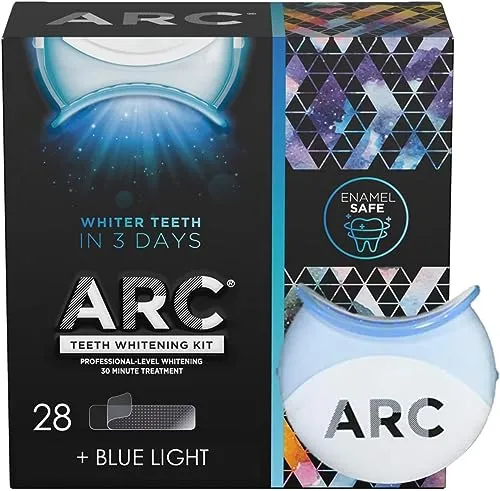
In the quest for a dazzling smile, blue light teeth whitening has emerged as a popular and effective method. This innovative approach uses a combination of a whitening agent, usually a hydrogen peroxide-based gel, and blue light to accelerate the teeth whitening process. Blue light teeth whitening offers a convenient way to achieve a brighter, more confident smile from the comfort of your home. This article provides a comprehensive guide to understanding how blue light teeth whitening works, its benefits, and how to use it safely and effectively. Whether you’re looking to eliminate stains from coffee, tea, or other sources, blue light whitening could be the answer to unlocking your brightest smile.
What is Blue Light Teeth Whitening
Blue light teeth whitening is a cosmetic dental procedure designed to lighten the color of your teeth. It involves applying a bleaching agent to the teeth and then using a blue light device to activate and enhance the whitening effect. The blue light acts as a catalyst, speeding up the breakdown of the bleaching agent and allowing it to penetrate the enamel more effectively. This process breaks down stains and discoloration caused by various factors, such as aging, genetics, and lifestyle choices, leaving you with a visibly whiter smile. It is a non-invasive procedure and can be performed at home using over-the-counter kits or by a dental professional in a clinical setting. The effectiveness of blue light whitening is due to the light’s specific wavelength, which is optimal for activating the whitening ingredients and promoting a brighter, more radiant smile.
How Blue Light Whitening Works
The process behind blue light teeth whitening is a fascinating blend of chemistry and light technology. The whitening agent, typically a gel containing hydrogen peroxide or carbamide peroxide, is applied to the teeth. When the blue light is directed at the teeth, it interacts with the whitening agent, accelerating the chemical reaction that breaks down stain molecules. This process allows the whitening agent to penetrate the enamel and dentin, the layers of the tooth, where stains accumulate. The blue light’s specific wavelength is crucial, as it provides the energy needed to boost the whitening action. As the stain molecules break down, the teeth appear whiter and brighter. This process is significantly faster than using whitening strips or gels alone, making blue light whitening a popular choice for those seeking rapid results.
The Science Behind the Process

The science behind blue light teeth whitening revolves around the interaction of light and chemical compounds. The blue light emitted by the device has a specific wavelength that is absorbed by the hydrogen peroxide in the whitening gel. This absorption creates a reaction, the peroxide decomposes into water and oxygen free radicals. These free radicals are highly reactive and oxidize the stain molecules embedded in the tooth enamel. Oxidation breaks down these stain molecules, effectively decolorizing them and resulting in a whiter appearance. The blue light doesn’t directly whiten the teeth; it’s the catalyst that increases the efficiency of the whitening agent. The higher concentration of oxygen released during this process provides a powerful bleaching effect, leading to significantly brighter teeth.
The Benefits of Blue Light Whitening
Blue light teeth whitening offers several advantages over other whitening methods, making it a preferred choice for many. One of the most significant benefits is its effectiveness in removing stubborn stains and discolorations. The blue light technology enhances the power of the whitening agent, leading to more dramatic results. Blue light whitening can effectively address stains caused by coffee, tea, tobacco, and aging. This makes it a versatile solution for various types of discoloration. The treatment is usually quick and convenient, with most sessions lasting between 30 to 60 minutes. This allows you to achieve noticeable results without spending hours at the dentist. The relatively gentle approach compared to other procedures means less risk of tooth sensitivity and discomfort.
Effective Teeth Whitening
The effectiveness of blue light whitening is a significant reason for its popularity. The combination of a powerful whitening agent and blue light activation ensures that stains and discolorations are effectively removed from the teeth. Whether the stains are from everyday habits like drinking coffee or long-term habits like smoking, blue light whitening can often restore the teeth’s natural brightness. The process is designed to penetrate the enamel and break down the stain molecules deep within the tooth structure. The treatment’s efficiency also depends on the concentration of the whitening agent and the duration of the blue light exposure. With proper use, blue light whitening can provide noticeable results after just a few sessions, giving you a noticeably brighter and more confident smile.
Faster Results

One of the key advantages of blue light teeth whitening is the speed at which you can see results. The blue light accelerates the whitening process, leading to quicker and more dramatic improvements compared to traditional whitening methods. While whitening strips or gels can take weeks to show noticeable changes, blue light whitening can often deliver visible results after just one treatment. This rapid effect is a major benefit for those who need a brighter smile quickly, whether for a special event or simply to boost their self-confidence. The speed of the process allows individuals to achieve a more radiant smile in a shorter amount of time. The faster results can make the investment in blue light whitening worthwhile for many people.
Safe and Gentle Treatment
Blue light teeth whitening is generally considered a safe and gentle procedure when used correctly. The blue light itself doesn’t produce significant heat or UV radiation, minimizing the risk of damage to the teeth and gums. Most blue light whitening kits use a relatively low concentration of hydrogen peroxide, which further reduces the chances of sensitivity. The process is often less abrasive than other whitening methods, making it suitable for people with sensitive teeth. When following the instructions and precautions provided, you can achieve a brighter smile without experiencing significant discomfort. The safety and gentleness make it a popular choice for those seeking a less invasive whitening treatment. It’s crucial to choose products from reputable brands that meet safety standards.
How to Use Blue Light Whitening Products
Using blue light teeth whitening products properly is essential for achieving the best results and ensuring safety. The procedure generally involves a few simple steps. The first step is to brush your teeth thoroughly to remove any surface debris. Next, apply the whitening gel to your teeth. This gel is usually applied with a brush or a tray, depending on the product. After applying the gel, insert the blue light device into your mouth, ensuring it covers all the teeth you want to whiten. Turn on the device and let it run for the recommended time. This time varies depending on the product but is usually around 10 to 20 minutes. Once the session is complete, remove the device, rinse your mouth, and admire your brighter smile. Always adhere to the manufacturer’s instructions for safe and effective use.
Choosing the Right Product

Selecting the right blue light teeth whitening product is a crucial first step. There are several factors to consider. Look for products that are FDA-approved, as this indicates that they meet safety standards. Check the concentration of the whitening agent, typically hydrogen peroxide. Lower concentrations are gentler on the teeth, but it might take longer to achieve desired results. Consider the ease of use. Some products come with pre-filled trays, while others require applying the gel with a brush. Read reviews from other users. This can provide insights into the product’s effectiveness and any potential side effects. Choose a product from a reputable brand to ensure that you are getting a quality product that meets safety guidelines. Always consult your dentist before trying any teeth whitening product, especially if you have sensitive teeth or dental work such as fillings, crowns, or veneers.
Application and Usage Instructions
Following the application and usage instructions of your chosen blue light teeth whitening product carefully will ensure optimal results and minimize risks. Start by brushing your teeth thoroughly to remove food particles and plaque. Apply the whitening gel evenly to all surfaces of your teeth, according to the product’s instructions. Insert the blue light device into your mouth and ensure it covers all teeth. Turn on the device and keep it in place for the recommended time, usually specified in the product instructions. The time can vary, so always check the instructions. Once the session is over, remove the device and rinse your mouth with water. Avoid eating or drinking anything other than water for at least 30 minutes after treatment to allow the whitening process to continue. Repeat the treatment as recommended by the product, typically once a day or every few days. Make sure to follow all safety precautions to avoid any potential side effects.
Tips for Achieving a Radiant Smile
Achieving a radiant smile with blue light teeth whitening involves more than just following the product instructions. Several additional steps can maximize results and maintain your brighter smile. Proper oral hygiene is the foundation for any teeth whitening efforts. Brush your teeth twice a day with a fluoride toothpaste and floss daily to remove plaque and food particles. Avoid foods and drinks that can stain your teeth, such as coffee, tea, red wine, and dark-colored berries, especially during and shortly after the whitening process. Use a straw for drinks to minimize contact with your teeth. Consider using a whitening toothpaste or mouthwash to maintain the brightness of your teeth. Schedule regular dental check-ups and cleanings. Your dentist can provide professional advice and maintenance treatments to preserve your dazzling smile.
Preparing Your Teeth Before Whitening

Proper preparation is key to ensuring your teeth whitening process is as effective as possible. Start with a professional dental cleaning. This will remove any surface stains and plaque that could hinder the whitening process. Brush and floss your teeth thoroughly before each whitening session. Make sure you’re using a fluoride toothpaste to strengthen your enamel. Avoid eating or drinking anything that could stain your teeth, such as coffee, tea, or red wine, for at least an hour before and after whitening. If you have any existing dental work, such as fillings, crowns, or veneers, discuss the whitening procedure with your dentist. These restorations will not whiten along with your natural teeth, which could create an uneven appearance. Following these tips can significantly enhance the outcome of your teeth whitening treatment.
Maintaining Your Results
Maintaining your results after blue light teeth whitening is just as important as the whitening process itself. Consistent oral hygiene is critical. Continue to brush your teeth twice a day and floss daily to remove plaque and prevent new stains. Avoid or minimize your intake of stain-causing foods and drinks. Coffee, tea, red wine, and dark-colored berries can diminish the results of your whitening efforts over time. Use a straw when drinking these beverages to minimize contact with your teeth. Consider using a whitening toothpaste or mouthwash to help maintain the brightness of your teeth. Schedule regular dental check-ups and cleanings. Your dentist can provide professional maintenance treatments and identify any issues that could affect your smile. Follow these tips, and you can enjoy a brighter, more confident smile for a long time.
Potential Side Effects and Precautions
While blue light teeth whitening is generally safe, it’s essential to be aware of potential side effects and take appropriate precautions. The most common side effect is tooth sensitivity, which can range from mild to moderate. Some people might experience temporary gum irritation. Following the product instructions and not overusing the treatment can help minimize sensitivity and irritation. Always consult your dentist before beginning any teeth whitening treatment, especially if you have sensitive teeth, dental work, or any underlying oral health issues. Avoid using blue light whitening products if you are pregnant or breastfeeding. If you experience any severe or persistent side effects, such as intense pain or severe gum irritation, stop using the product and consult your dentist immediately. Taking precautions ensures a safe and effective teeth whitening experience.
Sensitivity and Irritation

Tooth sensitivity and gum irritation are the most common potential side effects of blue light teeth whitening. This sensitivity can manifest as a sharp, temporary pain or discomfort when consuming hot, cold, sweet, or sour foods and drinks. Gum irritation may cause redness, swelling, or tenderness in the gums. To minimize these effects, use the product as directed, and avoid overuse. If you experience sensitivity, consider using a toothpaste designed for sensitive teeth. Apply the toothpaste before and after the whitening treatment. You can also reduce the frequency of treatments or shorten the duration of each session. If the sensitivity or irritation is severe or persistent, consult your dentist. They can provide advice and recommend treatments to alleviate the symptoms.
When to Consult a Dentist
It’s essential to know when to consult a dentist regarding blue light teeth whitening. You should schedule an appointment with your dentist before starting any whitening treatment. This consultation will determine if you’re a suitable candidate and identify any potential risks. If you experience severe tooth sensitivity or gum irritation that doesn’t subside, it’s important to see your dentist. If you have any underlying dental issues, such as cavities, gum disease, or cracked teeth, your dentist can address these issues before you proceed with whitening. If you notice any changes in your teeth or gums after whitening, such as increased sensitivity, discomfort, or discoloration, consult your dentist. Your dentist can provide expert advice and help you maintain a healthy, bright smile.
In conclusion, blue light teeth whitening offers a convenient and effective way to achieve a brighter smile. By understanding the process, following the instructions carefully, and taking necessary precautions, you can enjoy the benefits of this popular cosmetic procedure. Remember to consult your dentist before starting any teeth whitening treatment and address any potential side effects promptly. With proper care and maintenance, you can achieve a radiant, confident smile. Embrace the power of blue light and unlock the potential for a brighter, more beautiful you.