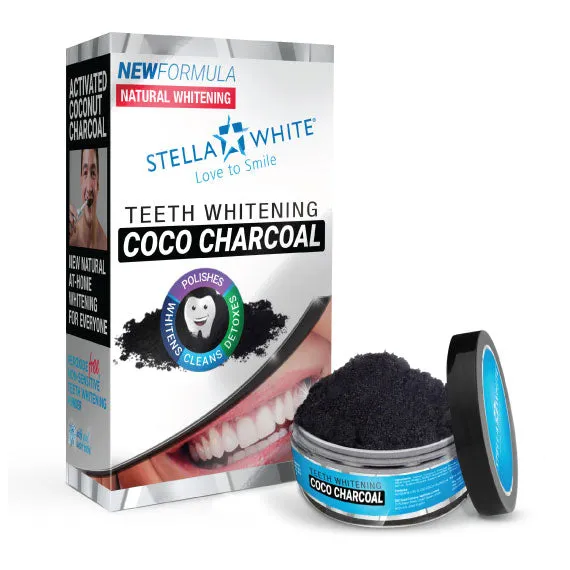
What is Coco Charcoal Toothpaste?
Coco charcoal whitening toothpaste has gained significant popularity in recent years as a natural approach to oral hygiene. This specialized toothpaste typically incorporates activated charcoal derived from coconut shells. The use of activated charcoal in oral care stems from its porous nature, which is believed to help absorb impurities and stains from the teeth. This distinctive ingredient gives the toothpaste its characteristic black color, setting it apart from traditional white or colored toothpastes. Unlike some whitening products that rely on harsh chemicals, coco charcoal toothpaste is often marketed as a gentler alternative, attracting consumers seeking a more natural solution for a brighter smile. The product’s appeal has extended beyond just whitening; it is also frequently promoted for its potential to freshen breath and improve overall oral health. Due to the increased interest, numerous brands have emerged, offering various formulations of coco charcoal toothpaste, each with unique ingredient combinations and marketing claims. Understanding the properties of coco charcoal and the formulations used in these products is crucial for both potential consumers and those seeking to maintain optimal oral health.
How Coco Charcoal Whitening Toothpaste Works
The effectiveness of coco charcoal whitening toothpaste primarily hinges on the unique properties of activated charcoal. This substance, produced through the heating of coconut shells in the absence of oxygen, develops a highly porous surface area. This porous nature is key to activated charcoal’s ability to adsorb, or attract and bind, various substances. In the context of oral care, this means that when you brush with coco charcoal toothpaste, the activated charcoal particles can latch onto stains and impurities present on the surface of your teeth. Unlike chemical whitening agents that penetrate the enamel, activated charcoal works by gently scrubbing and removing surface stains caused by food, beverages, and other factors. This can result in a noticeable improvement in the brightness of your teeth. It is important to note that coco charcoal toothpaste’s whitening action is most effective on extrinsic stains, or those that are on the surface of the teeth. It is less effective on intrinsic stains, which are located within the tooth structure. The mechanical action of brushing also plays a critical role in the effectiveness, as it helps to dislodge the stains and the charcoal particles. Understanding the mechanism of action is crucial when evaluating the benefits and limitations of this type of toothpaste.
The Science Behind Activated Charcoal

The effectiveness of activated charcoal isn’t just anecdotal; it’s backed by scientific principles. The production process, involving high-temperature heating and activation, creates a vast surface area within the charcoal. This large surface area is where the adsorption process takes place. Adsorption, in contrast to absorption, is the process where molecules of a substance adhere to the surface of another. In the case of activated charcoal, this means that stain-causing compounds and impurities in the mouth are drawn to the charcoal’s surface. Research indicates that activated charcoal can effectively adsorb various substances, including tannins found in tea and coffee, and other compounds that contribute to tooth discoloration. However, scientific evidence regarding the effectiveness of activated charcoal specifically for teeth whitening is still evolving. Many studies have shown promising results, while others suggest a need for more comprehensive research. The effectiveness can also vary depending on the specific formulation of the toothpaste, the concentration of the activated charcoal, and the user’s brushing technique. Therefore, while the science supports the adsorptive properties of activated charcoal, consumers should temper their expectations and consider consulting with a dental professional for personalized advice.
Benefits of Using Coco Charcoal Toothpaste
The use of coco charcoal toothpaste is often associated with several potential benefits, beyond just teeth whitening. Many users report a noticeable improvement in the brightness of their teeth after consistent use. This whitening effect is primarily due to the removal of surface stains. Additionally, coco charcoal toothpaste is often praised for its ability to freshen breath. The activated charcoal can adsorb odor-causing compounds, leaving the mouth feeling cleaner and the breath smelling fresher. Some users also find that the toothpaste helps to improve overall oral health. While not a substitute for professional dental care, coco charcoal toothpaste can contribute to this by removing plaque and bacteria. It is a gentle alternative to more aggressive whitening treatments. However, it is essential to be aware that the benefits can vary depending on the individual and the specific formulation of the toothpaste. While some users experience dramatic improvements, others may see more subtle results. Therefore, it’s crucial to consider these benefits within the context of your own oral health needs and expectations.
Teeth Whitening
The primary reason people turn to coco charcoal toothpaste is the potential for teeth whitening. The activated charcoal, acting as a gentle abrasive, helps to remove surface stains caused by various factors such as coffee, tea, red wine, and certain foods. This removal of stains can lead to a brighter, more radiant smile. It is important to understand that coco charcoal toothpaste is most effective at removing extrinsic stains, those that are on the surface of the teeth. It does not change the intrinsic color of the teeth. The results vary depending on the type and severity of the stains and the individual’s dental habits. Consistent use over time is usually needed to see noticeable whitening effects. Unlike some professional whitening treatments or bleaching agents, coco charcoal toothpaste is generally considered a milder option, minimizing the risk of tooth sensitivity or enamel damage. Regular use combined with proper brushing technique, can contribute to a whiter smile. It’s essential to manage expectations and understand that results may vary depending on individual circumstances.
Removing Surface Stains

Coco charcoal toothpaste excels at removing surface stains due to its abrasive properties. This gentle abrasion helps to lift away the staining particles that adhere to the enamel’s surface. These stains often result from the accumulation of pigments found in everyday foods and drinks. Factors such as smoking, and the consumption of dark-colored beverages like coffee, tea, and red wine, can cause these stains. The charcoal particles gently scrub away these stains, revealing the natural color of the teeth beneath. The effectiveness of stain removal depends on the type of stain, how long it has been present, and the frequency of use. Regular and proper brushing technique with coco charcoal toothpaste can contribute to keeping these surface stains at bay, preventing them from building up and potentially causing more significant discoloration. This surface-level cleaning is one of the key benefits that attract people to coco charcoal toothpaste, as it offers a relatively easy and accessible way to maintain a brighter smile and a healthier appearance of their teeth.
Fresher Breath
Another noteworthy benefit often associated with coco charcoal toothpaste is its ability to freshen breath. The activated charcoal particles can adsorb volatile sulfur compounds (VSCs), which are the primary cause of bad breath. These compounds are produced by bacteria in the mouth and can lead to unpleasant odors. The charcoal particles bind to these odor-causing molecules, effectively neutralizing them and leaving the mouth feeling cleaner and fresher. While not a substitute for addressing underlying oral health issues that may contribute to bad breath, coco charcoal toothpaste can provide temporary relief and improve breath quality. This breath-freshening effect can be especially beneficial for individuals who struggle with bad breath. It is also appealing to those seeking to maintain a fresh feeling throughout the day. Regular use, combined with a proper brushing technique, contributes to a cleaner oral environment and helps in the fight against bad breath. Understanding this benefit can further enhance the appeal of coco charcoal toothpaste for consumers looking for an overall improvement in their oral hygiene and breath.
Improving Oral Health
Coco charcoal toothpaste can also contribute to an overall improvement in oral health. While it isn’t designed to replace professional dental care, regular use of this toothpaste, when combined with good oral hygiene practices, can support healthy teeth and gums. The gentle abrasive action of the charcoal particles can help remove plaque and bacteria from the teeth’s surface. This helps prevent the buildup of harmful microorganisms that can lead to tooth decay and gum disease. Certain formulations may also contain additional ingredients such as fluoride, which strengthens the enamel, and other antibacterial agents that support overall oral health. These ingredients, combined with the charcoal’s cleaning action, contribute to a more favorable oral environment. It is vital to emphasize that maintaining regular dental check-ups and proper brushing and flossing habits remain the foundation of good oral health. Coco charcoal toothpaste can be a valuable addition to this routine. It helps maintain a clean mouth and protect against common dental issues, enhancing the benefits of a well-rounded oral hygiene regimen.
Why Choose Coco Charcoal Toothpaste

There are several compelling reasons why individuals may choose coco charcoal toothpaste over conventional options. One significant factor is the desire for a more natural approach to oral care. Coco charcoal toothpaste often appeals to those looking to avoid harsh chemicals and additives found in some traditional toothpastes. The emphasis on activated charcoal derived from coconut shells aligns with a growing consumer preference for natural and eco-friendly products. Many people also appreciate the potential teeth-whitening benefits offered by coco charcoal toothpaste. As a gentle abrasive, it effectively removes surface stains, leading to a brighter smile. This can boost confidence and improve overall dental aesthetics. Furthermore, the breath-freshening properties of coco charcoal toothpaste are a significant draw. The charcoal’s ability to adsorb odor-causing compounds leads to a cleaner mouth and fresher breath. For individuals seeking to maintain a clean oral environment throughout the day, this benefit is particularly attractive. Coco charcoal toothpaste provides a multifaceted approach to oral hygiene, offering cleaning, whitening, and breath-freshening benefits within a more natural formulation, which aligns with consumers’ preferences.
Comparing Brands & Products
When evaluating coco charcoal toothpaste, it’s crucial to compare different brands and products. The formulation and ingredients can vary significantly. The concentration and source of the activated charcoal, for example, can impact effectiveness and safety. Some brands may include additional ingredients, such as fluoride for enamel strengthening, xylitol for cavity prevention, or essential oils for flavor and added oral health benefits. Always consider other ingredients, as some brands include potentially harsh abrasives that could cause damage. The inclusion of different ingredients significantly impacts the product’s functionality. You should also consider the taste and texture. The experience of brushing with coco charcoal toothpaste should be enjoyable, as this encourages consistent use. Read online reviews and testimonials to learn from the experiences of other users. Compare the price and value proposition. Determine whether the product aligns with your budget and expectations. Conducting thorough research and comparing different brands and products will help you choose the coco charcoal toothpaste that best suits your needs and preferences, allowing you to make an informed decision and achieve optimal oral health.
Factors to Consider in Reviews
When reviewing coco charcoal toothpaste, several key factors warrant consideration. Effectiveness in whitening is paramount. Assess whether the product delivers noticeable results in removing surface stains. Consider the longevity of the effect and how it compares to other products. The presence of additional ingredients should also be evaluated. Ingredients like fluoride can provide extra protection against tooth decay. Consider the taste and texture of the toothpaste. A pleasant taste and smooth texture contribute to a better brushing experience and encourage consistent use. The product’s safety profile should be a primary concern. Ensure that the toothpaste is gentle and does not cause any adverse effects, such as increased tooth sensitivity or gum irritation. Finally, consider the overall value for money. Compare the price with the quality and effectiveness of the product. By carefully evaluating these factors, you can make informed decisions about coco charcoal toothpaste and identify the product that aligns with your needs.
Common Ingredients & Their Roles

Coco charcoal toothpaste formulations often include a range of ingredients, each playing a specific role in the product’s overall effectiveness and benefits. Activated charcoal, the core ingredient, serves as the primary stain remover and adsorbent. Its porous structure helps to lift stains and odors. Fluoride is frequently added to strengthen tooth enamel and prevent tooth decay. The presence of fluoride, or the lack of it, is a significant factor when assessing the product. Xylitol is another common ingredient. It helps to prevent cavities by inhibiting the growth of bacteria. Essential oils, such as peppermint or tea tree oil, are often included to provide flavor and potentially contribute to breath freshening and antimicrobial effects. Glycerin and other humectants help to retain moisture and prevent the toothpaste from drying out. These ingredients contribute to the product’s texture and stability. Surfactants, like sodium lauryl sulfate (SLS), create the foaming action that helps to distribute the toothpaste throughout the mouth. Understanding the roles of these various ingredients is important to assess the overall effectiveness and safety of coco charcoal toothpaste. Look for formulations that align with your specific oral health needs and preferences.
Potential Drawbacks & Side Effects
While coco charcoal toothpaste offers numerous benefits, it is essential to be aware of potential drawbacks and side effects. Overuse or excessive brushing with highly abrasive formulas can lead to enamel erosion and increased tooth sensitivity. It’s crucial to follow the recommended brushing guidelines and avoid applying excessive pressure. Some individuals may experience temporary staining of their gums or toothbrush bristles. This is usually harmless and can be minimized by rinsing thoroughly after brushing. The effectiveness of coco charcoal toothpaste can vary depending on the individual. Results may not be as dramatic for everyone. It is crucial to manage your expectations and understand that the impact on teeth whitening can be different for different people. Not all coco charcoal toothpastes contain fluoride. This is a crucial ingredient for strengthening enamel and preventing cavities. Be sure to check the label and consider products with fluoride. Lastly, it is crucial to remember that coco charcoal toothpaste is not a substitute for professional dental care. Therefore, regular dental check-ups and cleanings are still essential for maintaining optimal oral health. Being aware of potential drawbacks and side effects will help you make an informed decision and use the product safely.
Addressing Sensitivity Concerns
Tooth sensitivity can be a concern for some individuals using coco charcoal toothpaste. The abrasive nature of activated charcoal can, in some cases, contribute to increased sensitivity, especially if used aggressively or on teeth with pre-existing enamel erosion or receding gums. If you experience sensitivity while using coco charcoal toothpaste, consider several strategies. You should reduce the frequency of use. Brush only once a day or every other day. Switch to a toothpaste with a lower abrasion level. Look for formulations specifically designed for sensitive teeth. Use a soft-bristled toothbrush and apply gentle pressure when brushing. Brushing too hard exacerbates the problem. You can also try using a desensitizing toothpaste in combination with coco charcoal toothpaste. These toothpastes typically contain ingredients that help to block the dentinal tubules. Consult with your dentist if sensitivity persists or worsens. They can provide personalized advice and assess your oral health. By taking these steps, you can mitigate sensitivity issues. You can continue to reap the potential benefits of coco charcoal toothpaste.
Tips for Effective Use

To maximize the effectiveness of coco charcoal toothpaste, while minimizing potential risks, consider the following tips. Brush twice daily, for two minutes each time. Follow the recommended brushing duration. Use a soft-bristled toothbrush to avoid excessive abrasion of the enamel and gums. Apply gentle pressure, as excessive force can lead to sensitivity and damage. Use a pea-sized amount of toothpaste, to avoid the overuse of abrasive materials. Ensure thorough coverage of all tooth surfaces. Pay attention to hard-to-reach areas. Rinse your mouth thoroughly after brushing. Remove any residual charcoal particles. Combine the use with proper flossing and other oral hygiene practices. This helps maintain optimal oral health. Be consistent. It can take several weeks or even months to see noticeable results. Combine with other products for enhanced oral care. Consider using a mouthwash to supplement. If you experience any adverse effects, such as increased sensitivity or gum irritation, discontinue use and consult with your dentist. Following these guidelines, you can leverage the benefits of coco charcoal toothpaste while promoting a healthy mouth.
Brushing Technique for Optimal Results
The technique used when brushing with coco charcoal toothpaste significantly influences both its effectiveness and the health of your teeth. Use a soft-bristled toothbrush to minimize abrasion on the enamel and gums. Hold your toothbrush at a 45-degree angle to your gumline. This ensures that you effectively clean both your teeth and gums. Use gentle, circular or back-and-forth motions. Avoid applying too much pressure, which can damage your enamel and gums. Brush all surfaces of your teeth thoroughly. Remember to brush the outer surfaces, inner surfaces, and chewing surfaces of all your teeth. Brush for the recommended two minutes, twice a day. Make sure that all surfaces are well cleaned. Don’t forget to brush your tongue. This helps remove bacteria and freshen your breath. After brushing, rinse your mouth thoroughly with water. This helps remove any residual charcoal particles. Replace your toothbrush every three months, or sooner if the bristles become worn. Implementing these brushing techniques will help you achieve the best results from your coco charcoal toothpaste. This will also contribute to maintaining optimal oral health, minimizing potential side effects, and maximizing the benefits of a brighter, healthier smile.
Integrating Coco Charcoal Toothpaste into Your Routine
Successfully integrating coco charcoal toothpaste into your oral hygiene routine involves consistency, good habits, and a balanced approach. First, use the product as a regular part of your daily brushing regimen. Brush for two minutes twice a day. Combine with other products for enhanced oral care. Incorporate the use of floss and mouthwash. Maintain proper brushing techniques. Follow the recommended brushing guidelines to ensure effective cleaning. You may want to alternate between coco charcoal toothpaste and a regular fluoride toothpaste. This ensures that your teeth get the benefit of both stain removal and enamel strengthening. Monitor your teeth for any signs of sensitivity or irritation. Consult with your dentist regularly for professional cleanings and check-ups. Discuss your use of coco charcoal toothpaste with your dentist. This will help you receive personalized advice and ensure the best approach for your oral health. Remember that coco charcoal toothpaste is a supplement. It is not a replacement for the fundamentals of good oral hygiene. Integrating coco charcoal toothpaste correctly into your routine can help you maintain a brighter smile and a healthier mouth.
Final Thoughts on Coco Charcoal Toothpaste

Coco charcoal toothpaste represents an interesting option in the realm of oral hygiene. It offers a natural approach to teeth whitening and breath freshening. While it has gained popularity, it is essential to approach its use with informed understanding and reasonable expectations. Remember the benefits of coco charcoal toothpaste include teeth whitening, the removal of surface stains, and fresher breath. The results can vary from person to person. Always practice proper brushing techniques and consider the inclusion of fluoride in your toothpaste. Addressing potential drawbacks like sensitivity concerns is very important. Combining coco charcoal toothpaste with professional dental care and maintaining a consistent oral hygiene routine are key to overall oral health. You can benefit from the unique attributes of coco charcoal toothpaste. Remember to consider your own needs and consult your dentist. This will help you establish and maintain a healthy smile and overall oral health.