Understanding DIY Teeth Whitening
DIY teeth whitening has become increasingly popular as people seek affordable and convenient ways to enhance their smiles. This approach involves using readily available household ingredients or over-the-counter products to lighten the shade of your teeth. While professional teeth whitening offers more dramatic results, DIY methods can be a viable option for those looking for subtle improvements or who are on a budget. However, it is essential to approach DIY teeth whitening with caution and to be well-informed about the potential risks and limitations. Always prioritize your oral health and consult with a dentist before trying any new teeth whitening technique.
What Causes Tooth Discoloration
Before diving into DIY teeth whitening, understanding what causes tooth discoloration is crucial. Teeth can become discolored due to both extrinsic and intrinsic factors. Extrinsic stains affect the tooth surface, while intrinsic stains originate within the tooth structure. The enamel, the outermost layer of the tooth, is porous and can absorb stains from various sources. The dentin, the layer beneath the enamel, also contributes to the overall color of the teeth. Aging, genetics, and certain medications can also affect tooth color. Being aware of these factors helps in choosing the right DIY teeth whitening method and managing expectations.
Common Causes of Tooth Staining

Several factors contribute to tooth staining, making it essential to understand the common culprits. One of the most significant factors is the consumption of staining foods and drinks. Coffee, tea, red wine, and dark-colored sodas are notorious for staining teeth. Tobacco use, whether smoking or chewing, also leads to significant discoloration. Poor oral hygiene, including infrequent brushing and flossing, allows plaque and tartar to build up, trapping stains. Certain medications, such as tetracycline, and medical treatments, like chemotherapy, can also cause tooth discoloration. Understanding these causes helps you adopt preventive measures and choose appropriate whitening methods.
Food and Drinks to Avoid
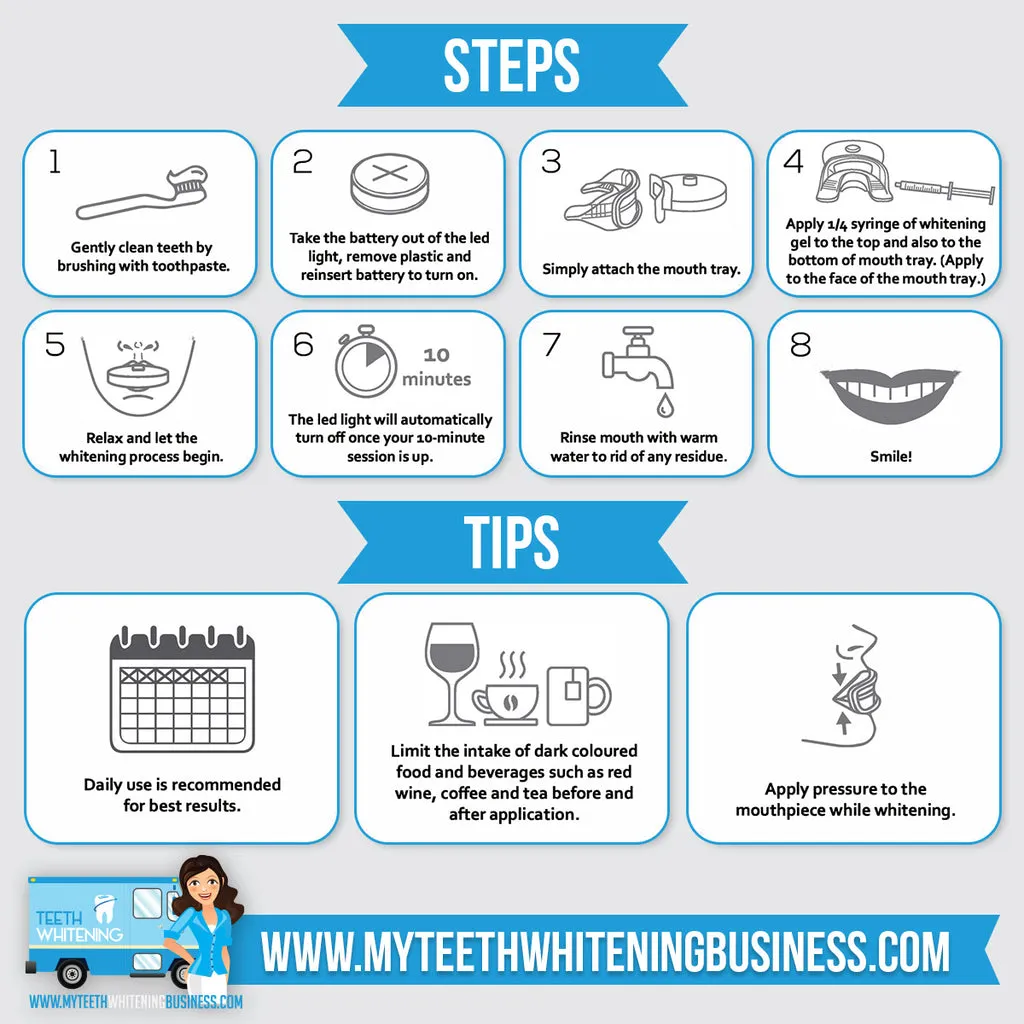
To maintain a brighter smile and enhance the effectiveness of DIY teeth whitening, it is essential to limit or avoid certain foods and drinks. Coffee and tea, which contain tannins, can cause significant staining over time. Red wine, with its intense pigments and acidity, is another major culprit. Dark-colored sodas, fruit juices, and sports drinks also contribute to discoloration. Highly pigmented fruits and vegetables, such as berries, beets, and tomatoes, can stain teeth as well. Limiting these items or rinsing your mouth with water after consuming them can help prevent stains and maintain your teeth’s natural brightness. Regular dental check-ups and cleanings are also vital for stain removal.
DIY Teeth Whitening Methods
Several DIY teeth whitening methods have gained popularity, offering accessible alternatives to professional treatments. While these methods can provide some results, it is important to be realistic about their effectiveness. The following techniques involve readily available ingredients and products. Each method has its own set of instructions, potential benefits, and risks. Before trying any DIY teeth whitening method, it is advisable to consult with a dentist to ensure it is safe for your teeth and gums. This is particularly important if you have existing dental work, such as fillings or crowns, as these may not whiten in the same way as natural teeth.
Whitening with Baking Soda and Hydrogen Peroxide

Baking soda and hydrogen peroxide are common household items that many people use for teeth whitening. Baking soda is a mild abrasive that helps remove surface stains, while hydrogen peroxide acts as a bleaching agent. This combination can be effective in lightening teeth, but it is crucial to use these ingredients cautiously to avoid damaging the enamel. Overuse or improper application can lead to tooth sensitivity and gum irritation. It’s best to consult with a dentist before using this method to ensure it is appropriate for your specific dental condition and to learn the correct techniques for safe and effective use. This will help prevent potential harm and optimize results.
How to Make the Baking Soda Paste
To create a teeth whitening paste with baking soda and hydrogen peroxide, you will need food-grade baking soda and 3% hydrogen peroxide solution. Start by mixing a small amount of baking soda (about one teaspoon) with just enough hydrogen peroxide to form a paste. The consistency should be thick enough to adhere to your teeth but not too gritty, which could damage the enamel. If the paste is too dry, add a few more drops of hydrogen peroxide. If it’s too wet, add a bit more baking soda. The goal is to create a paste that is effective yet gentle on your teeth. It is essential to make a fresh batch each time you use it.
Application and Usage
To apply the baking soda and hydrogen peroxide paste, use a soft-bristled toothbrush. Dip the toothbrush into the paste and gently brush your teeth for about two minutes, using small, circular motions. Avoid brushing too aggressively, as this can wear down the enamel. After brushing, rinse your mouth thoroughly with water. It is recommended to use this method no more than once or twice a week, as frequent use can cause sensitivity. Pay close attention to how your teeth and gums respond, and discontinue use if you experience any irritation. Regular dental check-ups are essential to monitor your oral health.
Whitening with Coconut Oil Pulling

Coconut oil pulling is an ancient Ayurvedic practice that involves swishing coconut oil in your mouth for a specific period. While primarily used for oral hygiene, some people believe it can also help whiten teeth. Coconut oil contains lauric acid, which has antimicrobial properties and can help remove bacteria and plaque from the mouth. The process is relatively simple and can be incorporated into your daily routine. It is important to understand both the potential benefits and limitations of this method. Before starting, consult with your dentist to ensure it’s suitable for your oral health and to get personalized advice.
Benefits of Coconut Oil Pulling
Coconut oil pulling offers several potential benefits beyond teeth whitening. It is believed to reduce the number of harmful bacteria in the mouth, which can contribute to fresher breath and improved gum health. Some users report a decrease in plaque and tartar buildup. Coconut oil pulling can also help moisturize the gums and reduce inflammation. The practice is relatively safe and can be easily integrated into your daily routine. Although studies on its teeth-whitening effects are limited, many people find it a useful addition to their oral hygiene. Consistent use, combined with regular brushing and flossing, can contribute to overall oral health.
The Process of Coconut Oil Pulling
To practice coconut oil pulling, take about one tablespoon of organic, cold-pressed coconut oil and swish it around your mouth for 15-20 minutes. Make sure the oil reaches all areas of your mouth, including between your teeth. It’s important to swish the oil gently and consistently, avoiding swallowing any of it, as it will contain bacteria and toxins from your mouth. After 15-20 minutes, spit the oil into a trash can, as it can clog drains. Rinse your mouth with water and then brush your teeth as usual. The process can be done daily, preferably in the morning before eating or drinking anything. Regular practice, combined with good oral hygiene, can contribute to a brighter smile and improved overall health.
Whitening with Lemon Juice

Lemon juice is another DIY teeth whitening method, but it comes with significant risks. The high acidity of lemon juice can erode the enamel, making teeth more susceptible to decay and sensitivity. While some people claim that lemon juice can help whiten teeth, the potential damage often outweighs the benefits. The acid in lemon juice can also irritate the gums and cause discomfort. It is crucial to be aware of these risks and to use lemon juice with extreme caution, if at all. Consulting with a dentist before using lemon juice for teeth whitening is highly recommended, as they can provide personalized advice based on your oral health.
Risks and Precautions with Lemon Juice
The primary risk associated with using lemon juice for teeth whitening is enamel erosion. The acid in lemon juice weakens the enamel, making teeth more vulnerable to cavities, sensitivity, and discoloration. Prolonged or frequent exposure can lead to permanent damage. Another risk is gum irritation and inflammation, which can cause pain and discomfort. If you choose to use lemon juice, it is essential to dilute it with water and limit its use to once a week at most. Always rinse your mouth thoroughly with water after use to neutralize the acid. However, the safest approach is to avoid using lemon juice for teeth whitening altogether and opt for safer methods, such as baking soda or coconut oil pulling, with caution.
Alternative DIY Whitening Techniques
Besides the methods already discussed, there are other DIY teeth whitening techniques that individuals may try. Some people have used strawberries, as they contain malic acid, which is believed to help remove surface stains. However, the effectiveness of strawberries for teeth whitening is limited. Another technique involves using apple cider vinegar. It’s important to note that these alternative methods often lack scientific evidence to support their effectiveness and carry risks similar to using lemon juice. Always consult with your dentist before trying these methods to ensure they are safe for your teeth and gums. Focusing on good oral hygiene practices, like brushing, flossing, and regular dental check-ups, is the most effective way to maintain a healthy and bright smile.
Using Activated Charcoal

Activated charcoal is a popular ingredient in DIY teeth whitening. It is a fine, black powder made from various sources, such as coconut shells or wood. Activated charcoal is believed to absorb stains and impurities from the teeth. While it can remove surface stains and may provide some whitening effect, the evidence supporting its efficacy is limited. Using activated charcoal can be relatively simple, but it is essential to use it with caution. Overuse or aggressive brushing can wear down the enamel, making teeth more susceptible to damage. Consulting with your dentist is crucial to assess the suitability of this method for your specific dental condition.
Creating a Charcoal Paste
To use activated charcoal, you can create a paste by mixing a small amount of the powder with water. Start with a small amount of activated charcoal, about half a teaspoon, and add just enough water to form a paste. The consistency should be similar to toothpaste. You can also mix the activated charcoal with a small amount of your regular toothpaste. Dip your toothbrush into the paste and gently brush your teeth for about two minutes, using small, circular motions. After brushing, rinse your mouth thoroughly with water to remove all traces of the charcoal. It is recommended to use this method no more than a few times per week to avoid potential enamel damage.
Using Whitening Toothpaste
Whitening toothpaste is a readily available and convenient option for improving the appearance of your teeth. These toothpastes typically contain mild abrasives and/or chemical agents that help remove surface stains. They can be effective in removing stains from coffee, tea, and other common staining agents. It is important to note that whitening toothpastes will not change the intrinsic color of your teeth, meaning they will not lighten your teeth’s natural shade significantly. Consistent use of whitening toothpaste, combined with good oral hygiene practices, can help maintain a brighter smile. Always choose a toothpaste that contains fluoride for optimal oral health.
Important Safety Tips

When trying DIY teeth whitening methods, several safety tips should be followed to protect your oral health. Always consult with a dentist before starting any new treatment to ensure it is safe for your specific dental condition. Use any abrasive substances, such as baking soda or activated charcoal, with extreme caution and avoid excessive pressure when brushing. Limit the frequency of use, and discontinue any method that causes sensitivity or irritation. Be realistic about the results, as DIY methods typically provide only subtle improvements. Regularly visit your dentist for check-ups and professional cleanings. Remember that professional teeth whitening offers the most effective and safe way to achieve significant results.
Consulting a Dentist
The most important tip for anyone considering DIY teeth whitening is to consult with a dentist. Your dentist can assess the health of your teeth and gums and determine if DIY methods are appropriate for you. They can also recommend the best and safest options based on your individual needs. Professional teeth whitening treatments, performed by a dentist, offer the most effective and safe way to whiten teeth, providing significant and lasting results. Regular dental check-ups are essential for maintaining optimal oral health and preventing dental problems. Your dentist can also provide personalized advice on maintaining a bright and healthy smile. Don’t hesitate to seek their expert guidance before trying any DIY teeth whitening method.