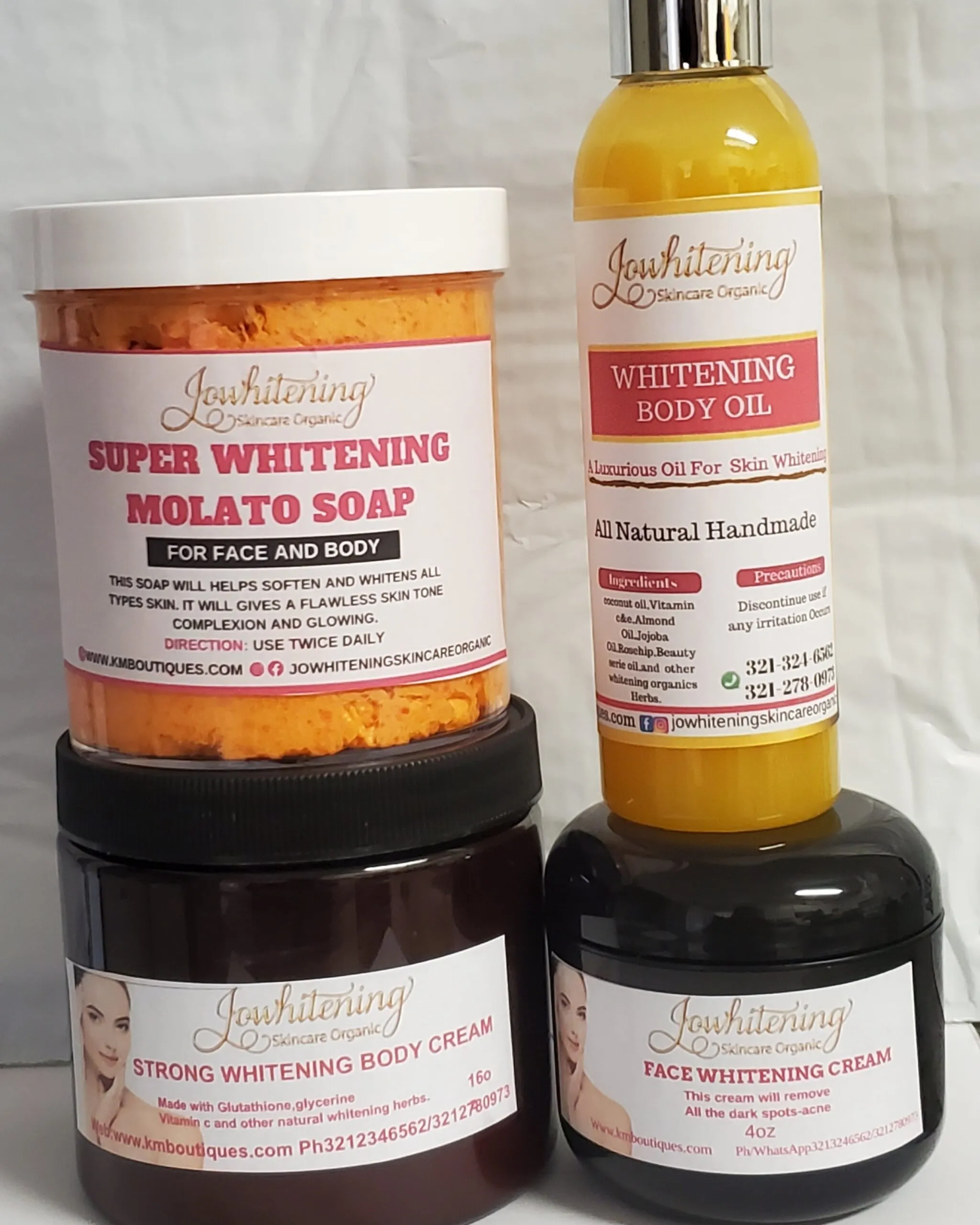
Understanding Full Body Whitening
Full body whitening involves the process of lightening the skin tone across the entire body, aiming to reduce hyperpigmentation, dark spots, and uneven skin tone. This can be achieved through various methods, including the use of specialized creams, lotions, and other topical treatments. The goal is often to achieve a brighter and more uniform complexion. It is crucial to understand that the effectiveness of whitening products and procedures can vary depending on individual skin types, the underlying cause of the skin discoloration, and the specific ingredients used in the product. Before embarking on a full body whitening journey, it is highly recommended to consult with a dermatologist or skincare professional who can assess your skin and offer personalized advice.
What is Full Body Whitening
Full body whitening is the practice of using products and treatments to lighten the skin on the entire body. This can involve a variety of methods, including creams, lotions, and other cosmetic procedures. These methods aim to reduce the appearance of hyperpigmentation, dark spots, and uneven skin tone, which can be caused by various factors, such as sun damage, hormonal changes, or genetics. The process typically involves the use of ingredients that inhibit melanin production, the pigment responsible for skin color. Popular ingredients include but are not limited to vitamin C, kojic acid, and alpha arbutin. This process requires patience and consistency, as results are often gradual, depending on the skin type and the specific product’s formulation.
Benefits of a full body whitening

Full body whitening can offer several potential benefits, primarily focused on improving skin appearance and boosting self-confidence. For individuals with hyperpigmentation issues, such as dark spots or uneven skin tone, whitening treatments can lead to a more uniform and brighter complexion. A more even skin tone can make the skin look healthier and more radiant. Beyond the physical changes, the improved appearance can also have a positive impact on self-esteem and confidence. However, it’s important to approach whitening with realistic expectations and understand the potential risks. Also, it is important to remember that full body whitening is not without potential risks or side effects. Thus, always consult with a dermatologist.
Full Body Whitening Ingredients You Need
Creating an effective full body whitening cream at home requires careful selection of ingredients that are known for their skin-lightening properties. The most effective creams usually contain a combination of these elements. You can incorporate ingredients like Vitamin C, renowned for its antioxidant properties and ability to brighten the skin, and kojic acid, which is derived from fungi and known for its ability to inhibit melanin production. Other important ingredients can be alpha arbutin, a natural skin-lightening agent, and licorice extract, which contains compounds that can help reduce hyperpigmentation. Always use high-quality, pure ingredients from reputable sources to ensure safety and efficacy.
Common ingredients for body whitening cream
Numerous ingredients are commonly used in body whitening creams due to their skin-lightening and brightening properties. Vitamin C is a potent antioxidant that protects the skin from damage while also promoting collagen production, contributing to a brighter and more youthful complexion. Kojic acid, derived from fungi, is a well-known ingredient that inhibits melanin production, which helps reduce dark spots and uneven skin tones. Alpha arbutin, extracted from the bearberry plant, is another popular choice because it also helps to lighten the skin by blocking melanin production. Licorice extract, containing glabridin, reduces inflammation and inhibits melanin production, thereby reducing hyperpigmentation.
Ingredients to avoid in whitening cream

When creating or choosing a full body whitening cream, it’s essential to be aware of ingredients that can be harmful or ineffective. Hydroquinone is a controversial ingredient that can cause side effects, such as ochronosis, a condition that causes the skin to turn a bluish-black color. Mercury is another ingredient to avoid due to its toxicity and potential to cause serious health issues. Furthermore, certain harsh chemicals, such as strong acids or excessive amounts of certain exfoliants, can irritate the skin and cause more harm than good. Always review ingredient lists carefully and consult with a dermatologist if you have concerns about specific ingredients or their potential effects on your skin.
Creating Your Homemade Whitening Cream
Making a homemade whitening cream allows you to control the ingredients, ensuring they align with your skin type and preferences. It also reduces exposure to potentially harmful chemicals found in commercial products. The process typically involves carefully selecting and preparing your ingredients, blending them appropriately, and applying them to the skin. This can be a rewarding process that allows you to personalize your skincare routine and potentially achieve desired results. It’s essential to research and understand the properties of each ingredient to ensure you use them safely and effectively, while also being patient as results may take time.
Step 1 Preparing Your Ingredients
The first step in creating a homemade whitening cream is to gather and prepare all the necessary ingredients. This begins with careful selection; make sure you have high-quality, fresh ingredients. Measure out the ingredients accurately, such as Vitamin C powder, kojic acid, alpha arbutin powder, a carrier oil (like sweet almond oil or jojoba oil), and a base cream or lotion. Ensure the ingredients are pure and safe for topical use. If using powders, gently grind them if needed to ensure they mix well. Before mixing, it’s often a good idea to combine the powdered ingredients separately to ensure they are evenly distributed. This preparation ensures that all ingredients are ready for the next step, making the mixing process smooth and effective.
Step 2 Mixing and Creating the Cream

After preparing the ingredients, the next step is mixing them to create the whitening cream. In a clean bowl, combine your chosen base cream or lotion. Gradually add the powdered ingredients, mixing them thoroughly to avoid clumping. If using oils, add them slowly while stirring to ensure an even consistency. Continue mixing until all ingredients are well-blended and the mixture has a smooth texture. You can use a small whisk or a cosmetic spatula to ensure everything is well combined. Once mixed, the cream should be smooth and consistent without any lumps. Remember to work in a clean environment, using sterilized tools to prevent contamination and to maintain the cream’s effectiveness.
Step 3 Applying and Using the Cream
The final step involves proper application and usage of your homemade whitening cream. Before applying the cream, clean and dry the skin thoroughly. Apply a thin, even layer of the cream to the desired areas, avoiding sensitive areas such as the eyes and mouth. Massage the cream gently into the skin using circular motions until it is fully absorbed. The best time to apply the cream is typically in the evening, as skin repair and rejuvenation occur overnight. It is essential to be consistent in your application. The frequency of use will depend on the product and skin type, but generally once or twice daily is sufficient. Remember to always store your homemade cream in a cool, dark place to maintain its efficacy.
Important Safety Precautions
When using any whitening cream, whether homemade or store-bought, taking important safety precautions is crucial to protect your skin and overall health. Always perform a patch test on a small area of skin, such as the inner arm, before applying the cream to a larger area. This will help you identify any allergic reactions or skin sensitivities. Avoid using whitening creams on broken or irritated skin. Protect your skin from the sun, as whitening treatments can make it more sensitive. Always use a broad-spectrum sunscreen with a high SPF, and wear protective clothing when outdoors. Keep the cream out of reach of children, and if any irritation or adverse reactions occur, discontinue use immediately and consult a dermatologist.
Testing for Allergic Reactions

Before applying any new skincare product, especially a whitening cream, it’s essential to test for allergic reactions. Perform a patch test by applying a small amount of the cream to a discreet area of your skin, such as the inside of your wrist or behind your ear. Wait for at least 24 to 48 hours and monitor the area for any signs of an allergic reaction. These signs include redness, itching, swelling, or a rash. If you experience any of these symptoms, discontinue use immediately and wash the area thoroughly. If you have no adverse reactions, the cream is likely safe to use on your skin. Always repeat this test before applying the cream to larger areas of your body, particularly if you have sensitive skin.
Sun Protection and Skin Care Routine
A consistent skincare routine that includes sun protection is crucial when using whitening creams. As these creams can make your skin more sensitive to the sun, protecting your skin from UV rays is paramount. Always apply a broad-spectrum sunscreen with an SPF of 30 or higher daily, even on cloudy days. Reapply sunscreen every two hours, especially if you are spending time outdoors. Incorporate gentle cleansers and moisturizers into your routine to maintain skin hydration. Exfoliate regularly, but avoid over-exfoliation, which can irritate your skin. A well-rounded skincare routine will not only support the effectiveness of your whitening cream but also maintain the health and appearance of your skin. Always choose products suited to your skin type for best results.
Conclusion
Full body whitening can be a complex process, but with the right ingredients and careful application, it’s possible to lighten skin tone and achieve a brighter complexion. By understanding the ingredients, safety precautions, and the importance of sun protection, you can navigate the process safely and effectively. Remember to always prioritize your skin’s health and consult with a dermatologist if you have any concerns. Consistency, patience, and a well-rounded skincare routine are key to achieving the desired results. Ultimately, the goal is to achieve a radiant and healthy skin that boosts your confidence. With diligence and the right approach, you can embark on a successful journey towards full body whitening.