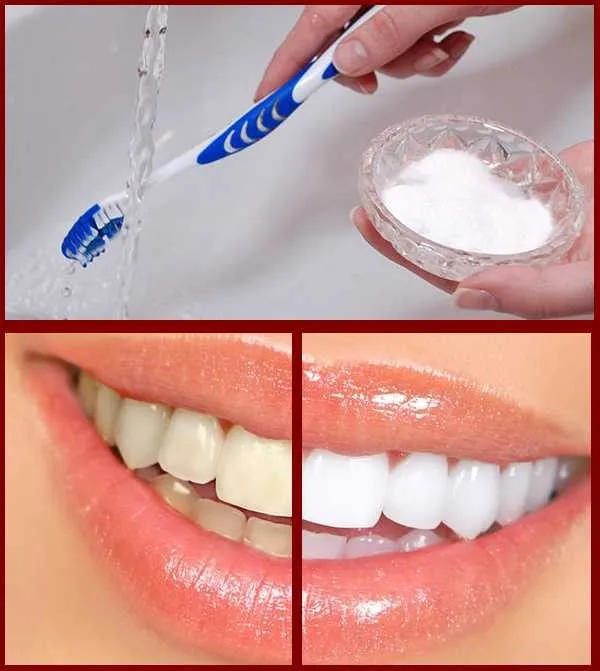
Understanding Home Teeth Whitening
Achieving a brighter smile is a common goal for many, and home teeth whitening methods have surged in popularity due to their accessibility and affordability. Unlike professional treatments, at-home options offer the convenience of whitening your teeth in the comfort of your own home, often at a fraction of the cost. However, it’s crucial to understand the different approaches, potential benefits, and risks involved to make informed decisions about your oral health. Home teeth whitening typically involves using over-the-counter products or DIY methods that aim to remove surface stains and, in some cases, lighten the intrinsic color of your teeth. While some methods can deliver noticeable results, it’s important to approach them with realistic expectations and prioritize the health of your teeth and gums.
The Science Behind Baking Soda
Baking soda, or sodium bicarbonate, is a mild abrasive and has been a household staple for various cleaning and personal care purposes for decades. In the context of teeth whitening, baking soda’s effectiveness stems from its ability to gently scrub away surface stains caused by food, drinks, and other factors. It works by creating a slightly alkaline environment in the mouth, which can help to neutralize acids and prevent the erosion of tooth enamel. Furthermore, baking soda has natural whitening properties, contributing to its stain-removing capabilities. While it’s a relatively gentle abrasive, using baking soda excessively or with too much force can potentially damage the enamel, making moderation and proper usage essential when incorporating it into your oral hygiene routine. The key to safe and effective use lies in understanding its limitations and combining it with other gentle methods to maintain overall oral health.
How Baking Soda Works for Teeth Whitening

Baking soda’s stain-removing action is primarily mechanical, meaning it physically lifts and scrubs away stains from the tooth surface. The fine particles of baking soda act as a gentle abrasive, helping to remove the buildup of stain-causing substances. The alkaline environment created by baking soda can also assist in breaking down stains and preventing new ones from forming. It’s important to understand that baking soda primarily targets surface stains and may not significantly alter the intrinsic color of your teeth, which is determined by genetics and other factors. For more profound whitening effects, professional treatments or products containing hydrogen peroxide or other bleaching agents may be necessary. However, used correctly, baking soda can contribute to a brighter smile by removing surface stains and promoting a cleaner mouth.
Benefits of Using Baking Soda
Baking soda offers several advantages as a home teeth whitening option. It’s readily available, affordable, and easy to incorporate into your existing oral hygiene routine. The mild abrasive action of baking soda effectively removes surface stains, leading to a noticeable improvement in the brightness of your teeth over time. Beyond whitening, baking soda also helps to neutralize acids in the mouth, reducing the risk of enamel erosion and promoting healthier gums. Some people find that baking soda has a cleaning effect, leaving the mouth feeling fresh and clean. Its ease of use and affordability make it an attractive option for those seeking a cost-effective way to enhance their smile. However, it’s essential to be aware of the potential downsides and use it responsibly to maximize its benefits while minimizing any risks.
Top 5 Home Teeth Whitening Baking Soda Methods
Method 1 Baking Soda and Water

This is the simplest method, involving mixing baking soda with water to form a paste. Use a ratio of about one teaspoon of baking soda to a small amount of water to create a paste-like consistency. Brush your teeth gently with this paste for about two minutes, then rinse thoroughly. This method is suitable for regular use, but avoid applying too much pressure to prevent enamel erosion. It’s a basic yet effective way to remove surface stains and keep your teeth feeling clean. Remember to use a soft-bristled toothbrush and rinse your mouth well after brushing. This approach is ideal for those new to using baking soda for teeth whitening and provides a straightforward way to start.
Method 2 Baking Soda and Lemon Juice
Combining baking soda with lemon juice adds an extra whitening boost due to lemon’s citric acid content. Mix a small amount of baking soda with fresh lemon juice to create a paste. Apply this paste to your teeth and leave it on for no more than one minute. Rinse thoroughly and brush your teeth with regular toothpaste afterward. However, this method is more abrasive and should be used sparingly, as the high acidity of lemon juice can erode enamel. Always use fresh lemon juice and avoid excessive use. This method is potentially effective for whitening but requires caution due to the risk of enamel damage. Its strong action makes it suitable only for occasional use.
Method 3 Baking Soda and Coconut Oil
Coconut oil is known for its antibacterial properties, making it a popular addition to oral hygiene routines. Combine baking soda with coconut oil to create a paste. This method offers a gentler approach compared to lemon juice. Mix equal parts of baking soda and coconut oil to form a paste. Brush your teeth with this mixture for about two minutes, then rinse thoroughly. Coconut oil can help in pulling away bacteria, potentially improving overall oral health while offering a mild whitening effect. This method combines the mild abrasive action of baking soda with the benefits of coconut oil, making it a gentler option. Ensure to use virgin coconut oil for the best results.
Method 4 Baking Soda and Hydrogen Peroxide

Hydrogen peroxide is a mild bleaching agent often used in professional teeth whitening treatments. Mix baking soda with hydrogen peroxide to form a paste. Brush your teeth with this mixture for about two minutes and rinse well. This method is more potent than using baking soda alone, providing stronger whitening results, but it also carries a higher risk of sensitivity and enamel damage. Use a low concentration of hydrogen peroxide (3%) and limit its use to once or twice a week. Monitor your teeth for any sensitivity or irritation. This method can offer noticeable whitening but should be approached cautiously due to the potential for side effects. It’s crucial to use it sparingly and with care to avoid any harm to your teeth.
Method 5 Baking Soda and Toothpaste
For a simple and convenient approach, you can add baking soda to your regular toothpaste. Place a small amount of toothpaste on your toothbrush and sprinkle a small amount of baking soda on top. Brush your teeth as usual, ensuring you reach all surfaces. This method integrates baking soda into your normal routine and enhances the cleaning and whitening action of your toothpaste. It’s a gentle way to incorporate baking soda without drastic changes to your habits. This approach combines the cleaning power of your regular toothpaste with the stain-removing properties of baking soda, making it a convenient and effective option for daily use.
Things to Consider Before You Start
Before embarking on any home teeth whitening method, consider consulting your dentist for personalized advice. They can assess the health of your teeth and gums, identifying any underlying issues that could be exacerbated by whitening treatments. It’s crucial to address existing dental problems, such as cavities or gum disease, before attempting to whiten your teeth. Understand your teeth’s natural shade and set realistic expectations for the results. Not all stains respond equally to home treatments, and some intrinsic discoloration may not be fully addressed. Always prioritize the health of your teeth over the pursuit of a perfectly white smile. Be patient and consistent, as it may take time to see noticeable results with home methods. Prioritize regular dental check-ups for a comprehensive assessment of your oral health.
Potential Side Effects and Risks

While generally safe when used in moderation, baking soda can have potential side effects. Overuse or aggressive brushing with baking soda can lead to enamel erosion, increasing the risk of tooth sensitivity and cavities. Some individuals may experience gum irritation or inflammation. Using acidic ingredients, such as lemon juice, in conjunction with baking soda, can further increase the risk of enamel erosion. It’s crucial to pay attention to any changes in your teeth’s sensitivity or gum health and discontinue use if any adverse effects occur. Always use a soft-bristled toothbrush and brush gently. If you have concerns about the safety of baking soda for your teeth, consult your dentist.
Tips for Safe and Effective Whitening
To ensure safe and effective teeth whitening, always use a soft-bristled toothbrush and brush gently. Avoid applying excessive pressure, as this can damage the enamel. Limit the frequency of baking soda use to a few times per week, and do not overuse it. Rinse your mouth thoroughly after brushing to remove all traces of baking soda. Consider combining baking soda with other gentle ingredients, such as coconut oil, for added benefits and reduced abrasiveness. Stay hydrated by drinking plenty of water, which can help remove stains and bacteria from your mouth. Maintain a balanced diet and avoid excessive consumption of stain-causing foods and drinks. Remember, consistency and moderation are key to achieving a brighter smile without compromising your oral health. Consider using fluoride toothpaste to strengthen enamel and protect against cavities.
Alternatives to Baking Soda for Whitening
If you’re looking for alternatives to baking soda, there are several options to consider. Whitening toothpastes often contain mild abrasives and stain-removing agents. Over-the-counter whitening strips and gels, which typically contain hydrogen peroxide, can effectively lighten your teeth. Activated charcoal is another popular option, though its effectiveness is debated, and it can be abrasive. Professional teeth whitening treatments from your dentist offer the most significant and controlled results. Always research and read reviews about any product or method before trying it. Consult with your dentist to determine the best whitening approach for your specific needs and oral health condition. They can provide personalized recommendations based on your individual circumstances and help you make informed choices.
Maintaining Your White Smile

Maintaining a white smile requires consistent oral hygiene practices. Brush your teeth twice daily with fluoride toothpaste, and floss daily to remove plaque and food particles. Limit your intake of stain-causing foods and drinks, such as coffee, tea, red wine, and dark-colored berries. Rinse your mouth with water after consuming these items to help prevent stains from setting in. Consider using a whitening mouthwash to further enhance your results. Schedule regular dental check-ups and professional cleanings to remove surface stains and maintain optimal oral health. Avoid smoking and other tobacco products, as they can significantly stain your teeth. A consistent oral hygiene routine is the foundation for a healthy, bright smile. Make these practices a regular part of your life for lasting results.