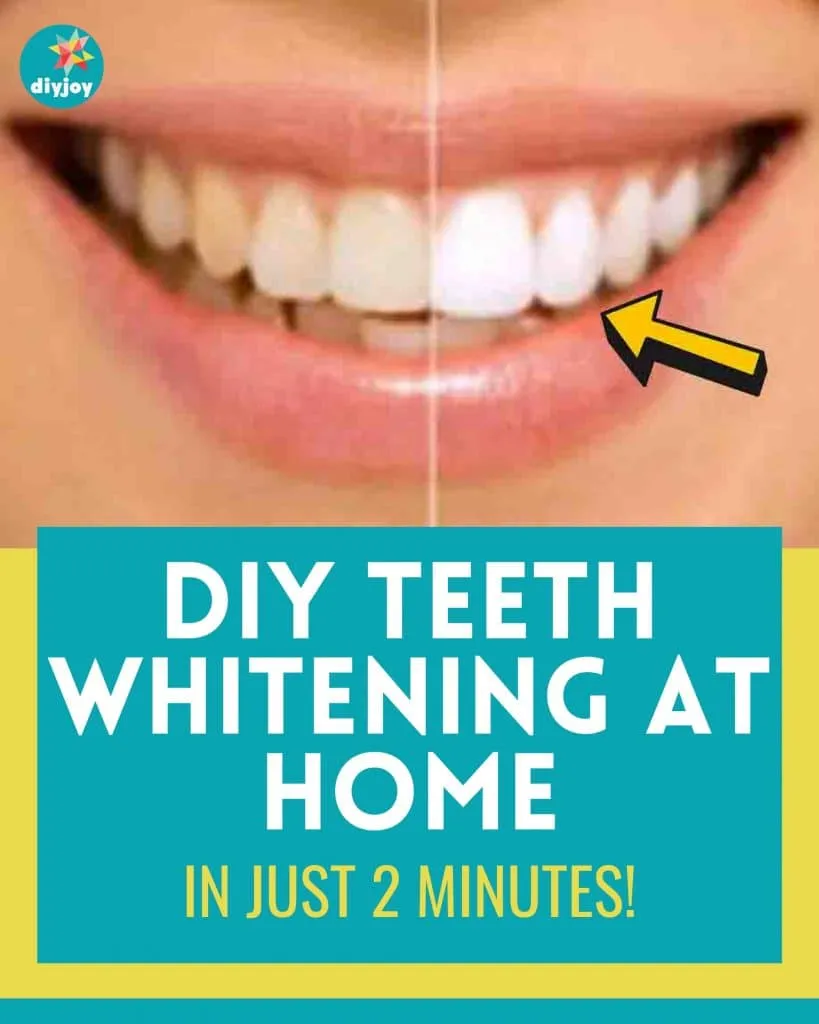
What is Teeth Whitening
Teeth whitening is a cosmetic dental procedure designed to lighten the shade of your teeth and remove stains and discoloration. It is a popular method for enhancing the aesthetic appearance of your smile, boosting confidence, and improving overall oral health. Over time, our teeth can become stained from various sources, including food, beverages, tobacco use, and the natural aging process. Various methods are available, from professional treatments performed by dentists to over-the-counter products and DIY home remedies. The effectiveness of each method varies, and it is important to understand the benefits, risks, and proper usage of each to achieve the desired results safely and effectively. The primary goal is to restore the natural whiteness of your teeth or to make them several shades brighter.
Types of Teeth Whitening Methods
There are various types of teeth whitening methods available, each with its own benefits and drawbacks. Professional teeth whitening, performed by dentists, is typically the most effective and provides the most dramatic results. These treatments often involve the use of high-concentration bleaching agents and are conducted under controlled conditions to ensure safety. Over-the-counter products, such as whitening strips, toothpastes, and gels, are readily available and offer a more affordable option. However, they often contain lower concentrations of bleaching agents and may take longer to produce visible results. Homemade teeth whitening remedies offer a natural and potentially cost-effective approach, but they require caution and proper usage to avoid potential harm to your teeth and gums. Understanding the different methods allows you to choose the best option based on your needs, preferences, and oral health conditions.
Homemade Teeth Whitening Secrets

Homemade teeth whitening remedies can be a cost-effective and accessible way to brighten your smile using ingredients you likely already have at home. It is crucial to approach these methods with caution and awareness of their potential benefits and risks. Before trying any homemade remedy, it is best to consult with your dentist. The effectiveness of homemade remedies varies, and they might not provide the same results as professional treatments. Some natural ingredients contain abrasive or acidic properties that could damage your enamel if used improperly or excessively. Safe usage and moderation are important for protecting the health of your teeth and gums while trying to achieve a whiter smile. By understanding the science behind these remedies and using them responsibly, you can explore the potential for enhancing your smile naturally.
Baking Soda and Hydrogen Peroxide
Baking soda and hydrogen peroxide are two commonly used ingredients in homemade teeth whitening. Baking soda acts as a mild abrasive that can help scrub away surface stains, while hydrogen peroxide is a mild bleaching agent that can lighten the color of your teeth. These ingredients can be combined to create a paste that can be used to brush your teeth. It is essential to use these ingredients with caution, as excessive or improper use can damage your enamel or irritate your gums. It is also important to note that homemade remedies may not be as effective as professional treatments. It’s always a good idea to consult your dentist before starting any new teeth whitening regimen, especially if you have sensitive teeth or other oral health concerns.
How to Use Baking Soda
To use baking soda for teeth whitening, mix a small amount, approximately one teaspoon, with a little water to form a paste. Gently brush your teeth with the paste for about two minutes. Be careful not to scrub too hard to avoid damaging your enamel. After brushing, rinse your mouth thoroughly with water. It is recommended to use this method no more than once or twice a week, as excessive use of baking soda can be abrasive. This remedy can help remove surface stains and brighten your teeth slightly. However, it may not be as effective on deep stains or discoloration. Make sure to consult your dentist before using this method.
How to Use Hydrogen Peroxide

Hydrogen peroxide, a mild antiseptic, can also be used for teeth whitening. Mix 3% hydrogen peroxide with an equal amount of water, then swish the mixture in your mouth for about 30-60 seconds. Avoid swallowing the mixture. After rinsing, rinse your mouth again with plain water. Alternatively, you can mix a small amount of hydrogen peroxide with baking soda to create a whitening paste. This method should also be used cautiously and no more than a few times a week. Hydrogen peroxide can bleach your teeth and help remove stains, but it can also cause gum irritation if used excessively. The best way is to consult with your dentist before proceeding with the procedure.
Coconut Oil Pulling for Whiter Teeth
Coconut oil pulling is an ancient Ayurvedic practice that involves swishing coconut oil in your mouth for a certain amount of time. Many people believe that coconut oil pulling can help remove bacteria, toxins, and stains from your teeth, leading to a whiter smile. The practice is relatively simple and involves placing one tablespoon of coconut oil in your mouth and swishing it around for 15-20 minutes. The oil helps pull out the bacteria and toxins, and it can also help to freshen your breath. While some people have reported positive results, scientific evidence supporting the effectiveness of coconut oil pulling for teeth whitening is limited. However, it is generally considered safe and can be a part of your oral hygiene routine.
Benefits of Coconut Oil Pulling
Coconut oil pulling is praised for several potential oral health benefits. First, it can help reduce the number of harmful bacteria in your mouth, leading to improved oral hygiene and possibly reducing the risk of gum disease. The lauric acid in coconut oil has antimicrobial properties that can help fight bacteria. Coconut oil pulling is also thought to help reduce plaque and tartar buildup, contributing to a cleaner mouth. Some people have reported that it helps improve gum health. Additionally, some users have found that coconut oil pulling can help freshen breath. While more research is needed to confirm all these benefits, it remains a popular practice. Before starting, consult your dentist to ensure it is suitable for your specific oral health needs.
Proper Way to Use Coconut Oil

To perform coconut oil pulling, start by taking one tablespoon of cold-pressed coconut oil and placing it in your mouth. Swish the oil around your mouth for 15-20 minutes, making sure it reaches all areas. It’s important not to swallow the oil, as it will be filled with bacteria and toxins. After the 20 minutes, spit the oil into a trash can, as it can clog your sink. Rinse your mouth thoroughly with warm water and brush your teeth as usual. For best results, perform coconut oil pulling in the morning before eating or drinking anything. Consistency is key, and regular practice can potentially contribute to improved oral health. It’s also important to maintain a good oral hygiene routine, including brushing, flossing, and regular dental checkups.
Lemon Juice Teeth Whitening
Lemon juice is often suggested as a homemade teeth whitening agent because of its acidity and bleaching properties. However, it’s important to use lemon juice cautiously, as its high acidity can erode tooth enamel and cause sensitivity and damage over time. Some people mix lemon juice with baking soda to create a paste. You can apply this paste to your teeth for a short period. However, it is crucial to rinse your mouth thoroughly with water afterward to neutralize the acid. Lemon juice’s ability to remove surface stains may result in a temporary whitening effect. However, this comes with potential risks. Always consult your dentist before using lemon juice for teeth whitening, especially if you have enamel erosion or sensitive teeth.
Risks of Using Lemon Juice
Using lemon juice for teeth whitening carries several risks. The high acidity of lemon juice can erode tooth enamel, leading to increased tooth sensitivity, cavities, and other dental problems. Enamel erosion makes your teeth more vulnerable to damage and discoloration. Regular exposure to lemon juice can also irritate your gums, causing inflammation and discomfort. The abrasive nature of lemon juice can contribute to further enamel damage when combined with brushing. Moreover, lemon juice may not be effective for all types of stains, and its benefits might be short-lived. The long-term effects can be detrimental to your oral health. Given these risks, it is very important to approach the use of lemon juice with extreme caution, or avoid it altogether.
How to Safely Use Lemon Juice

If you choose to use lemon juice for teeth whitening, it is essential to take several precautions to minimize the risks. Always dilute the lemon juice with water to reduce its acidity. Limit the application of lemon juice to no more than once a week, and limit the duration of contact with your teeth. Rinse your mouth thoroughly with water after each use to neutralize the acid. You should never brush your teeth immediately after using lemon juice, as this can worsen enamel erosion. Consider using a straw to drink lemon juice to reduce its contact with your teeth. Regularly monitor your teeth for any signs of increased sensitivity or erosion and consult with your dentist if you notice any changes. It is advisable to discuss the use of lemon juice with your dentist before trying it, to make sure it’s suitable for your oral health needs.
Strawberry Teeth Whitening Remedy
Strawberries have gained attention as a potential teeth whitening remedy. They contain malic acid, which is a natural enzyme that can help remove surface stains and provide a temporary whitening effect. Some people mash strawberries into a paste and apply it to their teeth. The natural texture of strawberries can also help in removing surface stains. While this method can provide a slight improvement in the appearance of your teeth, the effect is often minimal. It is important to understand the potential risks and benefits of this method before trying it. Consult your dentist about the safety of this approach to ensure it is appropriate for your oral health.
The Right Way to Use Strawberries
To use strawberries for teeth whitening, you can mash a fresh strawberry into a pulp. Apply the pulp to your teeth and leave it on for a few minutes. Gently brush your teeth with the strawberry paste, and then rinse your mouth thoroughly with water. The malic acid in strawberries can help break down surface stains. Some people suggest mixing the mashed strawberries with baking soda to enhance the effect, but it is important to be cautious about the potential abrasiveness of this combination. After using strawberries, it’s crucial to brush your teeth with regular toothpaste to remove any remaining sugars and acids. Limit the frequency of using this method to prevent any potential damage to your enamel. It’s always a good idea to consult with a dental professional before incorporating this practice into your oral hygiene routine.
Understanding the Science Behind it

The effectiveness of homemade teeth whitening remedies is based on the chemical properties of their ingredients. Baking soda acts as a mild abrasive, helping to remove surface stains. Hydrogen peroxide acts as a mild bleaching agent, which can lighten the color of your teeth. The malic acid in strawberries also helps remove stains. However, the science behind these methods is not always conclusive, and the results may not be as dramatic or long-lasting as professional treatments. The enamel structure is crucial to consider, as frequent use of abrasive substances can damage it, making teeth more susceptible to staining and sensitivity. It is always best to consult with a dental professional for advice. This allows you to understand how these methods interact with the natural structure of your teeth and choose the safest and most effective approach for whitening.
Best Practices for Oral Hygiene
Practicing good oral hygiene is essential for maintaining a healthy and bright smile, regardless of the teeth whitening methods you choose. Brush your teeth at least twice a day for two minutes each time, using fluoride toothpaste. Floss daily to remove plaque and food particles from between your teeth and along the gum line. Using mouthwash can help reduce bacteria and freshen your breath, but it is not a substitute for brushing and flossing. Visit your dentist regularly for checkups and professional cleanings to catch any potential issues early. Maintain a balanced diet and limit sugary snacks and beverages, as they contribute to tooth decay and stains. Staying hydrated by drinking plenty of water helps rinse away food particles and keeps your mouth clean. Following these practices can improve your oral health and enhance the effectiveness of your teeth whitening efforts.
Brushing and Flossing Techniques
Proper brushing and flossing techniques are essential to maintaining healthy teeth and gums. When brushing, use a soft-bristled toothbrush and apply gentle pressure to avoid damaging your enamel and gums. Brush at a 45-degree angle to your gum line, using small, circular motions. Brush all surfaces of your teeth, including the outer, inner, and chewing surfaces. It’s important to brush your tongue to remove bacteria that can cause bad breath. When flossing, use about 18 inches of floss, wrapping it around your fingers and gently guiding it between your teeth. Use a clean section of floss for each tooth, moving the floss up and down along the sides of each tooth, and below the gum line. Brushing and flossing consistently can remove plaque, prevent tooth decay, and keep your gums healthy. It also helps to get rid of surface stains. Make sure to maintain your technique and consult your dentist for any improvements you might need.
Foods and Drinks to Avoid for White Teeth

Certain foods and drinks are known to stain teeth and can reduce the effectiveness of teeth whitening treatments. Coffee, tea, and red wine are notorious for causing stains due to their dark pigments and tannins. Dark-colored sodas and fruit juices also contribute to staining. Foods like berries, soy sauce, and tomato-based sauces can also leave stains. Tobacco products, including cigarettes and chewing tobacco, are major sources of stains and discoloration. Limiting your consumption of these items can help to prevent stains and maintain a brighter smile. Rinsing your mouth with water or brushing your teeth after consuming these foods and drinks can help to minimize their impact on your teeth. By making mindful food and drink choices, you can support your teeth whitening efforts and maintain a healthy, bright smile.
Maintaining a Bright Smile
Maintaining a bright smile requires a long-term commitment to good oral hygiene and preventive care. Continue to brush and floss regularly, and schedule routine dental checkups and cleanings. Avoid or limit stain-causing foods and drinks like coffee, tea, and red wine. If you consume these items, rinse your mouth with water afterward. Consider using a whitening toothpaste or mouthwash to help maintain your results. If you’ve undergone teeth whitening treatments, follow your dentist’s recommendations for aftercare. Avoid tobacco products, which can stain your teeth and harm your oral health. By adopting a comprehensive approach to oral hygiene, and making smart lifestyle choices, you can enjoy a healthy, bright smile for years to come.
Conclusion
Homemade teeth whitening remedies can offer a cost-effective way to brighten your smile. It is crucial to approach these remedies with caution, understanding their benefits, risks, and limitations. Baking soda, hydrogen peroxide, coconut oil pulling, lemon juice, and strawberries are some popular options, but their effectiveness and safety vary. Proper usage, consistency, and moderation are key to preventing potential damage to your teeth and gums. The best way is to consult with your dentist, as they can provide personalized guidance and help you choose the best method for your oral health needs. By combining homemade remedies with good oral hygiene practices, you can work towards achieving and maintaining a healthier, brighter smile. Remember that consistent and professional dental care is the foundation of oral health.