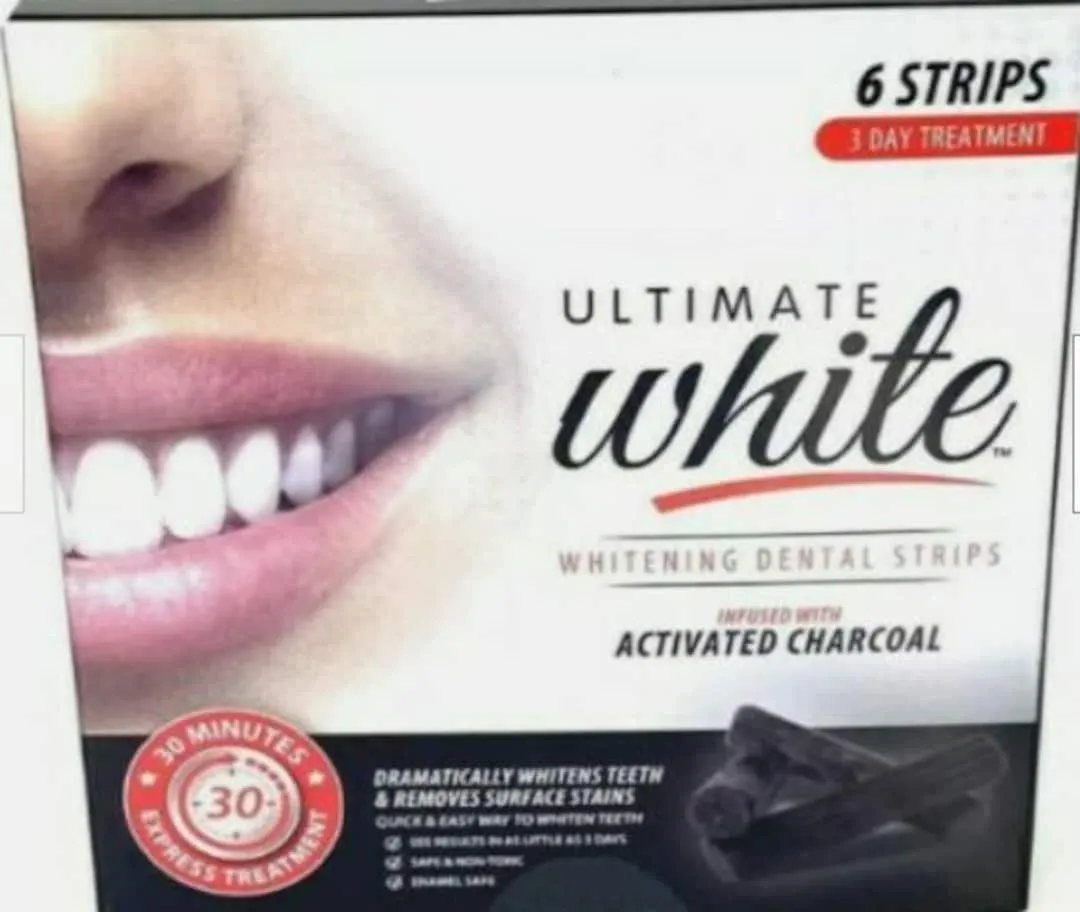
What are Homemade Whitening Strips
Homemade whitening strips offer an accessible and often budget-friendly approach to teeth whitening. These DIY solutions typically involve creating strips or applying mixtures directly to the teeth using ingredients found in your kitchen. Unlike professionally administered treatments or commercially available products, homemade options empower individuals to control the whitening process, tailoring it to their needs and preferences. The appeal of these methods lies in their simplicity and potential cost savings, making them an attractive option for those seeking a brighter smile without significant financial investment. While the effectiveness can vary, and caution is advised, homemade whitening strips have gained popularity as a readily available alternative for at-home teeth whitening.
Ingredients Commonly Used in Homemade Whitening Strips
Several common household ingredients are often utilized in creating homemade whitening strips. These ingredients are chosen for their perceived ability to remove stains and brighten teeth. It’s important to note that the effectiveness and safety of these ingredients can vary, and it’s essential to approach them with caution. Many recipes combine ingredients to create a paste or mixture that can be applied to the teeth for a set amount of time. Here are some of the most popular and commonly used ingredients used in these recipes.
Hydrogen Peroxide

Hydrogen peroxide is a well-known bleaching agent, and it is frequently found in over-the-counter teeth whitening products. It works by releasing oxygen, which helps to break down stain molecules on the tooth surface. In homemade whitening strips, it’s often used in a diluted form to minimize the risk of irritation or damage to the enamel. The concentration of hydrogen peroxide is a crucial factor, as higher concentrations can increase the risk of sensitivity. Many recipes suggest using a 3% solution, the concentration commonly found in drugstores. However, it’s important to exercise caution and follow recommended usage guidelines to avoid potential adverse effects. (Image hydrogen-peroxide-teeth-whitening.webp)
Baking Soda
Baking soda, or sodium bicarbonate, is another popular ingredient for homemade whitening strips. It acts as a mild abrasive, helping to scrub away surface stains. When used in combination with other ingredients, such as hydrogen peroxide or lemon juice, baking soda can enhance the whitening effect. Its alkaline nature can also help to neutralize acids in the mouth, which can contribute to enamel erosion. It’s important to use baking soda sparingly and not too aggressively, as excessive abrasion can damage the enamel over time. Many recipes recommend mixing baking soda with water or other ingredients to create a paste. (Image baking-soda-teeth-whitening.webp)
Coconut Oil
Coconut oil is often used in homemade whitening strips due to its potential antibacterial and stain-removing properties. The oil can help to dissolve certain types of stains and create a smoother surface on the teeth. Oil pulling, a practice of swishing oil in the mouth, is sometimes incorporated into teeth whitening routines, as it is believed to reduce plaque and bacteria. Coconut oil is also a gentle alternative for those with sensitive teeth, as it is less abrasive than baking soda. It can be mixed with other ingredients like baking soda or turmeric to enhance its whitening effects. (Image coconut-oil-teeth-whitening.webp)
Lemon Juice

Lemon juice is used for its natural bleaching properties, attributed to its citric acid content. However, its high acidity can also be detrimental to tooth enamel, leading to increased sensitivity and potential damage. Lemon juice should be used with extreme caution and in very diluted concentrations to minimize the risk of erosion. Some recipes suggest mixing lemon juice with baking soda to create a paste, but this combination is highly acidic and can be harsh on teeth. It’s essential to rinse the mouth thoroughly after using lemon juice and avoid prolonged exposure to protect the enamel. It’s best to seek professional dental advice before using lemon juice. (Image homemade-whitening-strips-ingredients.webp)
How Homemade Whitening Strips Work
Homemade whitening strips work through a combination of chemical reactions and mechanical abrasion, depending on the ingredients used. The active ingredients break down stain molecules, while abrasives help to physically remove surface stains. The effectiveness of the strips relies heavily on the concentration of the active ingredients, the duration of application, and the consistency of use. Regular use of homemade whitening strips may lead to noticeable improvements in tooth color, but the results can vary from person to person. These methods often do not achieve the same level of whitening as professional treatments. It’s important to manage expectations and understand that the results are often more subtle and gradual.
The Whitening Process
The whitening process involves applying the chosen ingredients to the teeth for a specific period. This can be done by creating custom strips from materials like cotton or using a pre-made tray or simply applying the mixture directly. The active ingredients, such as hydrogen peroxide, penetrate the enamel and dentin, reacting with the stain molecules and breaking them down. Over time, the accumulated stains are reduced, resulting in a lighter tooth shade. The length of time for application and the frequency of use vary depending on the specific ingredients and the user’s tolerance. Consistency is key for best results, but it must be balanced with safety considerations. (Image homemade-whitening-strips-application.webp)
Application Techniques

Application techniques for homemade whitening strips vary depending on the ingredients used. Some common methods include creating a paste and applying it directly to the teeth using a toothbrush or finger. Other methods involve using cotton strips or custom-molded trays to hold the whitening agent against the teeth for a more extended period. It’s important to ensure even application and to avoid contact with the gums, as this can lead to irritation. After the designated time, the mixture is rinsed off, and the teeth are cleaned. Following the manufacturer’s instructions will provide the best results. (Image teeth-whitening-before-after.webp)
Effectiveness of Homemade Whitening Strips
The effectiveness of homemade whitening strips can vary significantly depending on the ingredients used, the concentration of the active components, and the consistency of application. While some people may experience noticeable whitening, others might see minimal or no improvement. The results often are not as dramatic as those achieved with professional teeth whitening treatments or professionally-made whitening products. Homemade strips are most effective on surface stains. It is important to manage expectations and recognize that the results are often gradual. Patience, consistency, and adherence to safety guidelines are vital for maximizing the chances of success while minimizing potential risks. (Image smile-with-confidence.webp)
Advantages
Homemade whitening strips can be a cost-effective alternative to professional teeth whitening treatments. The ingredients are often readily available and relatively inexpensive, making this a budget-friendly option. Another advantage is the ability to customize the treatment to your individual needs and preferences, controlling the ingredients used and the frequency of treatment. Moreover, the convenience of being able to whiten your teeth at home without visiting a dentist is a significant draw for many users. These strips are very accessible, easily prepared, and used without any special equipment or professional assistance. The convenience and affordability make them an attractive option for many people.
Disadvantages

Homemade whitening strips often have limitations in terms of effectiveness compared to professional treatments. The concentration of active ingredients is typically lower, resulting in less dramatic and sometimes slower whitening. Risks of using homemade remedies include potential damage to tooth enamel, gum irritation, and uneven whitening. The lack of professional supervision can also lead to overuse or incorrect application, increasing the risk of adverse effects. Another disadvantage is the variability in the outcomes. The effectiveness can depend on multiple factors, making it challenging to predict the final result. This can lead to disappointment or frustration if expectations are not met.
Safety and Precautions
Safety is paramount when using homemade whitening strips, and several precautions should be taken to minimize potential risks. Before trying homemade whitening methods, it’s essential to consult with a dentist to ensure your teeth and gums are healthy and to discuss any potential contraindications. It’s crucial to adhere to recommended concentrations and application times for each ingredient to prevent irritation or damage. It is recommended to start with shorter application times and gradually increase as tolerated. Careful rinsing is important to remove any remaining whitening agent. Excessive use can lead to sensitivity and enamel erosion, so it’s important to monitor your teeth for any adverse effects.
Potential Risks
Homemade whitening strips can pose several potential risks. Overuse or incorrect application of harsh ingredients, such as hydrogen peroxide or lemon juice, can lead to tooth sensitivity and enamel erosion. Gum irritation, characterized by redness, swelling, and soreness, can also occur. Uneven whitening may result in a patchy appearance of the teeth. The risk of allergic reactions or other adverse reactions can also exist. Some ingredients can interact with dental work, such as fillings or crowns, potentially affecting their integrity or appearance. Consulting with a dentist before use and carefully following recommended guidelines is essential to mitigate the risks.
Dental Health Considerations

Maintaining good dental health is crucial when considering homemade whitening strips. Before using any whitening method, it is necessary to ensure your teeth and gums are healthy. It’s recommended to address any existing dental issues. During and after whitening, regular brushing and flossing are essential for maintaining good oral hygiene. Using a fluoride toothpaste can help to strengthen the enamel and reduce sensitivity. It’s important to limit consumption of stain-causing foods and drinks, such as coffee, tea, and red wine, to maintain the whitening results. Regular dental check-ups and professional cleanings are vital for long-term oral health. (Image healthy-teeth-and-gums.webp)
Tips for Best Results
To achieve the best results with homemade whitening strips, several strategies can be implemented. Choose high-quality ingredients and follow reputable recipes, ensuring that you’re using safe and effective components. Always consult a dentist before starting any whitening treatments to ensure your teeth and gums are healthy. Follow the recommended application times and frequencies to avoid over-whitening and potential damage. Be patient and consistent, as results often take time to appear. Monitor your teeth for any signs of sensitivity or irritation. After whitening, avoid foods and drinks that can stain your teeth, such as coffee, tea, and red wine, to maintain your results. The final step is to ensure that your teeth and smile will radiate confidence. (Image smile-with-confidence.webp)