Understanding Charcoal Teeth Whitening
Charcoal teeth whitening has surged in popularity as a natural method for brightening smiles. Its effectiveness, however, is a topic of ongoing discussion among dental professionals. This comprehensive guide will explore how often you should use charcoal teeth whitening to achieve the best results while ensuring the health of your teeth. We will delve into the science behind charcoal whitening, evaluating its benefits, risks, and proper usage. We’ll also examine factors like your oral health and the type of charcoal product you use, all contributing to establishing a safe and effective routine. By understanding these elements, you can make an informed decision about integrating charcoal teeth whitening into your oral hygiene regimen, ensuring that you brighten your smile responsibly.
What is Charcoal Teeth Whitening?
Charcoal teeth whitening typically involves using activated charcoal, a fine black powder derived from various sources like coconut shells or wood. The charcoal is processed to increase its absorbency, which allows it to bind to substances. The premise is that the charcoal can attract and remove stains from the surface of your teeth, leading to a whitening effect. This method has become a popular alternative to chemical-based whitening treatments, appealing to those seeking natural solutions. However, it is essential to distinguish activated charcoal from regular charcoal, as the latter is not suitable for dental use. The effectiveness of this method is a subject of debate, with varying results depending on the individual and the type of stains being addressed. Always consult with a dentist before starting any new teeth whitening regimen.
Benefits of Charcoal Teeth Whitening

Advocates of charcoal teeth whitening highlight several potential advantages. Primarily, it is considered a natural and cost-effective alternative to professional whitening treatments and may be a good option for those who prefer to avoid chemical agents. The mild abrasiveness of charcoal can help in removing surface stains caused by food, drinks, and smoking, leading to a brighter appearance. Some users report noticeable improvements in the immediate aftermath. Furthermore, charcoal teeth whitening is readily available in various forms, including toothpastes, powders, and even pre-mixed solutions, making it easily accessible. However, these benefits need to be balanced against potential risks, and it is crucial to approach charcoal teeth whitening with a well-informed perspective, consulting with a dental professional to determine if it’s suitable for your specific needs and oral health condition.
Potential Risks of Charcoal Teeth Whitening
While charcoal teeth whitening offers certain benefits, several potential risks should be considered. One primary concern is the abrasiveness of charcoal. Over time, excessive use can erode the enamel, the protective outer layer of the teeth. Once enamel is worn away, it does not regenerate, making your teeth more vulnerable to sensitivity, cavities, and discoloration. Furthermore, the effectiveness of charcoal in whitening teeth is limited to surface stains; it may not address deeper discoloration. Another risk involves the uncertainty of charcoal products. Not all products are created equally, and some may contain abrasive particles that can harm your teeth. Also, charcoal does not contain fluoride, essential for protecting against cavities and strengthening the enamel. Prioritizing your oral health means being aware of these risks and proceeding with caution, preferably under the guidance of a dental professional to prevent irreversible damage to your teeth.
How Often Can You Use Charcoal Teeth Whitening Safely?
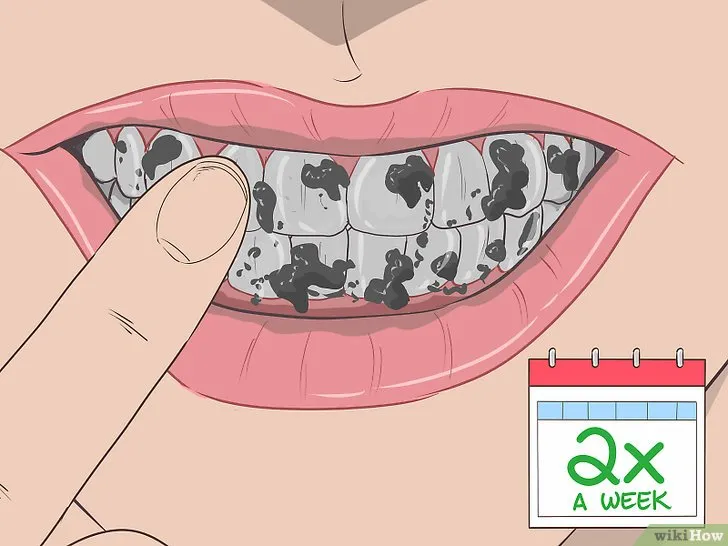
Determining the safe frequency of charcoal teeth whitening is crucial for preventing potential harm to your teeth. Due to its abrasive nature, it is generally recommended to use charcoal sparingly. Many dental professionals advise limiting usage to a maximum of one to two times per week. Some might suggest even less frequent use, especially for individuals with sensitive teeth or those already experiencing enamel erosion. The key is to monitor your teeth for any signs of increased sensitivity, such as discomfort when consuming hot or cold foods and drinks. If you observe any such symptoms, discontinue use immediately and consult your dentist. Always prioritize your oral health and consider charcoal teeth whitening as an occasional supplement to your regular dental hygiene routine, not a replacement for it.
Recommended Frequency for Charcoal Teeth Whitening

The recommended frequency for charcoal teeth whitening depends on several factors, including your individual oral health, the specific charcoal product, and your dental professional’s advice. As a general guideline, most experts suggest using charcoal-based products no more than once or twice per week. This frequency helps to balance the potential benefits of stain removal with the risks of enamel abrasion. It is important to note that more frequent use is not necessarily more effective and could cause harm. For individuals with sensitive teeth, it might be best to avoid charcoal teeth whitening altogether or consult with a dentist about alternative, gentler whitening options. Always prioritize your oral health by listening to your body, monitoring your teeth for sensitivity, and adjusting the frequency accordingly. Regularly review your routine with your dentist to ensure the safety and effectiveness of your oral hygiene practices.
Factors Affecting Frequency of Use
Several factors influence how often you can safely use charcoal teeth whitening products. Your current oral health is paramount; if you have existing dental issues such as enamel erosion, cavities, or gum disease, charcoal whitening may exacerbate these problems. The type of charcoal product also matters. Some products contain larger, more abrasive particles than others, which can cause greater damage. Furthermore, your brushing technique plays a crucial role; if you brush too vigorously with charcoal, it can accelerate enamel wear. The presence of fluoride in your toothpaste is another consideration, as it helps to remineralize and protect your enamel. Finally, your diet and lifestyle, including the frequency of consumption of staining foods and beverages like coffee, tea, and red wine, will influence the effectiveness of charcoal whitening. Regular consultations with your dentist can help you assess these factors and determine the most suitable frequency for charcoal teeth whitening.
Your Current Oral Health
Your existing oral health plays a vital role in determining the frequency with which you can safely use charcoal teeth whitening products. If you have any pre-existing dental conditions, such as enamel erosion, cavities, or sensitive teeth, the abrasive nature of charcoal can worsen these problems. Charcoal can potentially remove the remaining enamel, leaving your teeth more vulnerable to decay, sensitivity, and further discoloration. For individuals with healthy teeth and gums, using charcoal occasionally may be less risky, but even in these cases, caution is advised. Regular dental check-ups are crucial to assess the health of your teeth and gums and to receive professional guidance on whether charcoal teeth whitening is suitable for you. Your dentist can also recommend alternative whitening methods if charcoal is not appropriate. Remember that maintaining optimal oral health is paramount.
Type of Charcoal Product Used

The type of charcoal product you choose significantly impacts how frequently you can use it. Charcoal toothpastes, powders, and pre-mixed solutions vary in abrasiveness, with some containing larger particles that can cause more enamel wear. Products with added ingredients, such as flavorings or other whitening agents, can also influence the frequency of safe use. It is essential to research and select products from reputable brands that have been tested for safety and efficacy. Check the product’s ingredients, paying close attention to the presence of abrasive materials. Look for charcoal products that are as gentle as possible and have been formulated to minimize enamel erosion. When in doubt, consult your dentist for recommendations on which charcoal products are safe and suitable for your specific oral health needs. This careful selection will help to mitigate the potential risks associated with charcoal teeth whitening.
How to Use Charcoal Teeth Whitening Correctly
Proper technique is critical for safely and effectively using charcoal teeth whitening products. Start by thoroughly brushing your teeth with a regular, fluoride-containing toothpaste to remove plaque and debris. Then, lightly wet your toothbrush and dip it into the charcoal powder or apply the charcoal toothpaste. Gently brush your teeth for about one to two minutes, using small, circular motions. Avoid applying excessive pressure, as this can accelerate enamel erosion. Rinse your mouth thoroughly with water to remove any remaining charcoal particles. After brushing with charcoal, it is essential to brush your teeth again with regular toothpaste to ensure that all charcoal residue is removed and to replenish the fluoride content for added protection. Using charcoal teeth whitening correctly is crucial for minimizing potential risks and maximizing its effectiveness. Always follow product instructions and consult your dentist for personalized guidance.
Step-by-Step Guide to Charcoal Teeth Whitening
To safely and effectively incorporate charcoal teeth whitening into your routine, follow this step-by-step guide. First, brush your teeth with your regular fluoride toothpaste to remove plaque and food particles. Rinse your mouth thoroughly. Next, lightly wet your toothbrush and dip it into the charcoal powder or apply charcoal toothpaste. Gently brush your teeth in small, circular motions for about two minutes. Be careful not to apply too much pressure. After brushing with charcoal, rinse your mouth thoroughly with water to remove any remaining charcoal particles. Then, brush your teeth again with fluoride toothpaste to replenish fluoride and remove any charcoal residue. Floss to remove any debris between your teeth. Finally, evaluate your teeth for any sensitivity or changes. Repeat this process a maximum of one to two times per week, monitoring your oral health. Always consult with your dentist for personalized advice tailored to your specific dental needs.
Best Practices for Charcoal Teeth Whitening

To maximize the benefits and minimize the risks of charcoal teeth whitening, adhere to best practices. Always consult your dentist before starting any whitening routine. Limit the frequency of use to once or twice per week. Choose a charcoal product from a reputable brand with a low abrasive formula. Use a soft-bristled toothbrush and brush gently in circular motions. Avoid excessive pressure or aggressive scrubbing, which can damage your enamel. After using charcoal, always brush with a fluoride toothpaste to strengthen and protect your teeth. Monitor your teeth for any signs of sensitivity, such as increased discomfort when consuming hot or cold foods and drinks. If you experience any sensitivity, discontinue use and consult your dentist. Prioritize regular dental check-ups and cleanings to ensure that your oral health remains optimal and that any potential issues are addressed promptly. Adhering to these best practices will help you achieve a brighter smile while protecting the health of your teeth.
Aftercare: Maintaining Your Results
Proper aftercare is essential for maintaining the results of charcoal teeth whitening and preserving your oral health. After whitening, it is important to maintain a consistent oral hygiene routine. Continue to brush your teeth twice a day with a fluoride-containing toothpaste to protect and strengthen your enamel. Floss daily to remove plaque and debris from between your teeth and along the gumline. Limit your consumption of staining foods and beverages, such as coffee, tea, red wine, and berries, which can darken your teeth. Rinse your mouth with water after consuming these items to minimize staining. Avoid smoking and tobacco products, as they can significantly discolor your teeth. Regular dental check-ups and cleanings are also vital for removing any surface stains and maintaining a healthy, bright smile. Following these aftercare practices will help to prolong the whitening effects and promote overall oral health.
Tips for Prolonging Whitening Effects
Several tips can help prolong the effects of charcoal teeth whitening and maintain a brighter smile. Firstly, maintain a strict oral hygiene routine, brushing twice a day with fluoride toothpaste and flossing daily. Regular dental cleanings can remove surface stains and help maintain the whitening results. Limit your intake of staining foods and beverages, such as coffee, tea, red wine, and berries, and rinse your mouth with water immediately after consuming them. Avoiding tobacco products is essential, as smoking and chewing tobacco can severely discolor your teeth. Consider using a whitening toothpaste or mouthwash as part of your daily routine. Furthermore, avoid using highly abrasive toothpastes, as these can erode enamel and make your teeth more susceptible to staining. Drink plenty of water throughout the day to help rinse away food particles and prevent staining. Following these tips will help you enjoy a brighter, whiter smile for a more extended period and support your overall oral health.
Alternatives to Charcoal Teeth Whitening

If charcoal teeth whitening is not suitable for you, several effective alternatives are available. Professional teeth whitening treatments, such as in-office whitening or custom-fitted whitening trays provided by your dentist, offer significant results and are performed under professional supervision to minimize risks. Over-the-counter whitening products, including whitening strips, gels, and toothpastes, can also provide noticeable whitening effects, but consult with your dentist to ensure they are appropriate for your teeth. Another option is to use teeth whitening toothpastes that contain abrasives and chemicals. Cosmetic dentistry procedures, such as veneers or dental bonding, can address more severe discoloration and reshape your smile. To maintain a bright smile, it’s essential to practice excellent oral hygiene, including regular brushing, flossing, and dental check-ups. Your dentist can help determine the most appropriate and safe teeth whitening method based on your individual needs and oral health conditions.