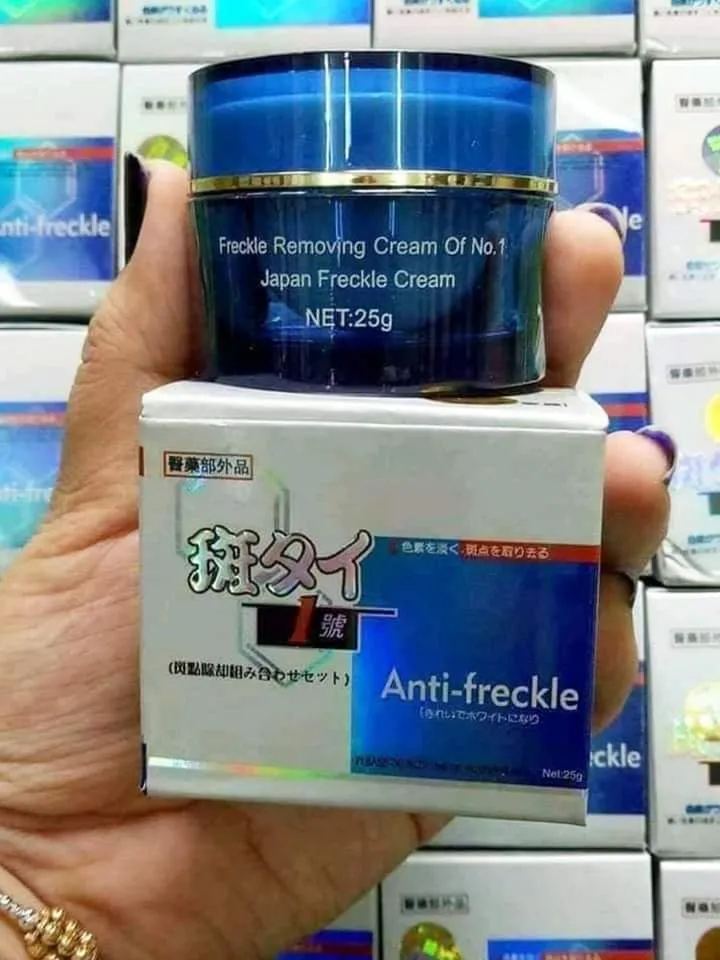
What is Melasma? Understanding the Skin Condition
Melasma is a common skin condition characterized by the appearance of brown or grayish-brown patches, usually on the face. These patches typically develop on the cheeks, bridge of the nose, forehead, chin, and above the upper lip. While not physically harmful, melasma can cause significant emotional distress due to its cosmetic impact. It primarily affects women, especially those with darker skin tones, although men can also experience it. Understanding melasma is the first step towards effective treatment and management.
Causes of Melasma Exploring the Triggers
Melasma results from an overproduction of melanin, the pigment that gives skin its color. Several factors can trigger this increased melanin production. These triggers often work synergistically, meaning that the combination of multiple factors increases the likelihood of developing melasma. Identifying these triggers is crucial for both prevention and treatment strategies. It’s a complex interplay of internal and external influences.
Sun Exposure as a Major Trigger

Ultraviolet (UV) radiation from the sun is a primary culprit in triggering and worsening melasma. Exposure to the sun’s rays stimulates melanocytes, the cells responsible for producing melanin, leading to increased pigmentation. Even brief periods of sun exposure can exacerbate existing melasma or initiate its development. Consistent and diligent sun protection is, therefore, essential in managing this condition. The sun’s impact extends beyond immediate exposure, as cumulative damage over time also plays a significant role.
Hormonal Changes and Melasma
Hormonal fluctuations, particularly during pregnancy (chloasma or the ‘mask of pregnancy’), hormonal birth control use, and hormone replacement therapy, are significant contributors. These hormonal shifts can stimulate melanocytes, leading to increased melanin production. The exact mechanisms are complex, involving the interaction of hormones like estrogen, progesterone, and melanocyte-stimulating hormone. It is important for women to be aware of this link and discuss it with their healthcare providers.
The Role of Genetics
Genetics also play a role in susceptibility to melasma. People with a family history of melasma are more likely to develop the condition themselves. Certain ethnic backgrounds, particularly those with naturally darker skin tones, have a higher predisposition. While you cannot change your genes, understanding your genetic predisposition can help you be more proactive in taking preventative measures and seeking early treatment if melasma appears. This knowledge can guide your skincare choices.
Japanese Anti-Freckle Creams Unveiling the Ingredients

Japanese skincare, known for its innovation and efficacy, offers a range of creams specifically designed to address melasma. These creams often incorporate potent ingredients aimed at reducing melanin production, brightening the skin, and preventing further pigmentation. They are formulated with a focus on gentle yet effective solutions, aligning with the Japanese philosophy of skincare that values long-term skin health. Understanding the active components is key to choosing the most suitable product for your needs.
Key Ingredients for Melasma Treatment
Effective Japanese anti-freckle creams typically include active ingredients that target melanin production. Common ingredients include arbutin, kojic acid, vitamin C, and licorice extract. These substances work by inhibiting tyrosinase, an enzyme crucial for melanin synthesis. They also often contain ingredients that promote skin cell turnover and protect against environmental damage. The combination of these components helps to fade existing dark spots and prevent new ones from forming.
Arbutin and its Benefits
Arbutin, a natural derivative of hydroquinone, is a frequently used ingredient in Japanese creams. It works by inhibiting tyrosinase, thereby reducing melanin production. Arbutin is generally considered to be gentler than hydroquinone, with a lower risk of side effects. It helps to gradually lighten dark spots and even out skin tone. Its antioxidant properties also contribute to overall skin health. Regular use of arbutin can lead to a noticeable improvement in the appearance of melasma.
Vitamin C for Skin Brightening

Vitamin C (ascorbic acid) is a powerful antioxidant and skin brightener found in many Japanese creams. It helps to reduce melanin production and protect the skin from free radical damage caused by sun exposure and environmental pollutants. Vitamin C also promotes collagen production, which can improve skin texture and firmness. Its brightening effect helps to reduce the appearance of dark spots and uneven skin tone, making it a valuable ingredient for treating melasma. The benefits of Vitamin C go beyond just skin lightening.
How Japanese Creams Work The Science Behind It
Japanese creams work by employing a multifaceted approach to combat melasma. They typically incorporate ingredients that inhibit tyrosinase, an enzyme crucial for melanin production. They also include antioxidants that protect against environmental damage and promote skin cell turnover. The goal is to lighten existing dark spots, prevent new ones from forming, and improve overall skin health. The science behind these creams reflects a deep understanding of the underlying causes of melasma and the mechanisms of skin pigmentation.
How to Choose the Right Japanese Cream for Melasma
Selecting the right Japanese cream involves careful consideration of your skin type, the severity of your melasma, and the ingredients in the product. Look for creams containing proven ingredients like arbutin, vitamin C, or kojic acid. It’s also important to check for the presence of sun protection factors (SPF) in the product or use a separate sunscreen daily. Reading reviews and consulting with a dermatologist can help you make an informed decision. The right choice will depend on your individual needs and preferences.
Analyzing Your Skin Type and Needs

Understanding your skin type (oily, dry, combination, sensitive) is crucial when choosing a Japanese cream. People with sensitive skin should opt for products with gentler formulations and fewer potential irritants. Those with oily skin may prefer lighter, non-comedogenic creams to avoid breakouts. The severity of your melasma will also influence your choice. If your melasma is severe, you might need a cream with a higher concentration of active ingredients or consider a cream with additional treatment options, such as prescription-strength topicals. Tailoring the product to your specific needs ensures the best results.
Spotting Fake Products
The market is unfortunately flooded with counterfeit products, so it’s essential to be vigilant. Purchase creams from reputable retailers, authorized dealers, or directly from the manufacturer. Look for product packaging that matches the original and check for any signs of tampering. Be wary of products that seem unusually cheap or offer unrealistic promises. Reading reviews and researching the seller’s reputation can provide valuable insights. Purchasing authentic products ensures that you get effective ingredients and avoid potential harm to your skin.
Applying Japanese Cream Correctly Step-by-Step Guide
Proper application is key to maximizing the effectiveness of Japanese creams. The process involves several steps, including preparing your skin, applying the cream correctly, and integrating it into your overall skincare routine. Following these guidelines will help you achieve the best possible results. It’s not just about applying the cream; it’s about incorporating it into a holistic skincare strategy.
Preparing Your Skin for Application

Before applying the cream, cleanse your face thoroughly to remove any dirt, oil, or makeup. Use a gentle cleanser suitable for your skin type. Pat your skin dry with a soft towel. If you use a toner, apply it before the cream to help balance your skin’s pH and improve absorption. Make sure your skin is completely dry before application. This pre-application routine ensures the cream can effectively penetrate the skin.
Proper Application Techniques
Apply a small amount of the Japanese cream to the affected areas, following the product instructions. Gently massage the cream into your skin using upward circular motions. Avoid applying the cream too close to your eyes. Be consistent with your application, typically twice daily, unless the product directs otherwise. Remember that patience is key, as results take time and consistent application is critical for visible improvements. Ensure even coverage on the affected areas.
Integrating Japanese Cream into Your Skincare Routine
Incorporating Japanese cream into your skincare routine involves creating a comprehensive approach that includes complementary practices like using sunscreen, maintaining a healthy diet, and managing stress levels. This holistic strategy enhances the effectiveness of the cream and supports overall skin health. The best results come from a synergy of all these components working in harmony. This is more than just applying a cream.
Complementary Skincare Practices
Alongside using Japanese cream, implement complementary skincare practices. Use a gentle cleanser and moisturizer appropriate for your skin type. Consider incorporating a serum with antioxidants, like vitamin C, to boost the cream’s effectiveness. Regular exfoliation (1-2 times per week) can help remove dead skin cells and enhance product absorption, but avoid over-exfoliating, as this can irritate your skin. Choose skincare products that are designed to work in concert.
Using Sunscreen Daily
Sunscreen is a non-negotiable element of any melasma treatment plan. Apply a broad-spectrum sunscreen with an SPF of 30 or higher every morning, even on cloudy days. Reapply every two hours, especially if you are spending time outdoors. Sunscreen is crucial for preventing further pigmentation and protecting your skin from UV damage. Choose a sunscreen that suits your skin type and is gentle enough for daily use. Sunscreen is the first and most important line of defense.
Lifestyle Adjustments for Melasma Prevention
Lifestyle choices significantly impact the effectiveness of melasma treatment and prevention. This includes adopting a healthy diet, managing stress levels, and avoiding excessive sun exposure. These adjustments support overall skin health and reduce the likelihood of melasma worsening. Changes to your daily habits can provide benefits beyond just the topical treatment.
The Importance of a Healthy Diet
A balanced diet rich in antioxidants, vitamins, and minerals is essential for healthy skin. Consume plenty of fruits, vegetables, and foods that are rich in omega-3 fatty acids. Stay hydrated by drinking enough water, which helps keep your skin moisturized. Avoid processed foods, excessive sugar, and alcohol, as these can contribute to inflammation and exacerbate skin conditions. A nutritious diet can improve skin health and overall well-being.
Managing Stress Levels
Stress can exacerbate melasma. Practice stress-reducing techniques like yoga, meditation, or deep breathing exercises. Ensure you get enough sleep and create a relaxing bedtime routine. Identify and address the sources of stress in your life. Lowering your stress levels can indirectly support melasma treatment and improve skin health. Regular exercise and mindfulness practices also contribute significantly.
Real Results Success Stories and Testimonials
Many individuals have successfully reduced the appearance of melasma using Japanese anti-freckle creams. While individual results may vary, numerous testimonials and before-and-after photos showcase the effectiveness of these products. These stories highlight the importance of consistent use, proper application, and integrating other skincare and lifestyle adjustments. The success stories provide real-world inspiration and demonstrate the potential benefits of using Japanese creams as part of a comprehensive skincare approach.