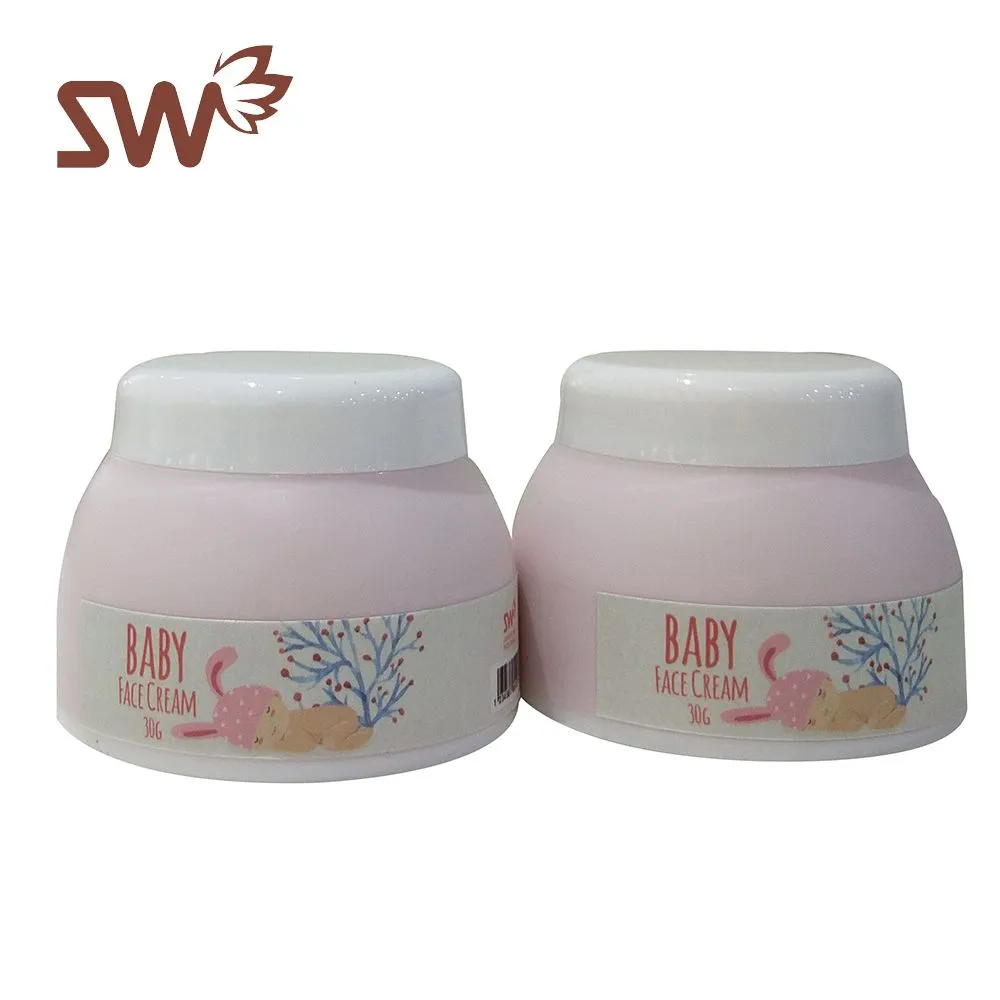
Understanding Newborn Baby Skin
Newborn baby skin is incredibly delicate and different from adult skin. It’s thinner, more permeable, and less resistant to irritants and environmental factors. This means that anything applied to a newborn’s skin is absorbed more readily, making it crucial to be exceptionally cautious about the products used. The skin’s protective barrier is still developing, making it susceptible to dryness, infections, and allergic reactions. Furthermore, the skin’s melanin production, which determines skin color, is still in its early stages of development. Understanding these fundamental differences is the first step in ensuring the health and safety of your baby’s skin.
The Delicate Nature of Newborn Skin
The thinness of newborn skin is a key factor in its sensitivity. The epidermis, the outermost layer, is significantly thinner than in adults, offering less protection against external elements. The skin’s natural moisturizing factor (NMF) is also less developed, which means that newborns are more prone to dryness and water loss. This increased permeability allows substances to penetrate more easily, both beneficial and harmful. Additionally, newborns have fewer sweat glands, which are essential for regulating body temperature. This makes them more vulnerable to overheating and heat rash. Therefore, everything from the clothing they wear to the products used on their skin requires careful consideration.
Common Skin Conditions in Newborns

Newborns are prone to several skin conditions. These conditions are often harmless and resolve on their own, but it’s essential to recognize them. Milia, small white bumps, are common on the face. Erythema toxicum, red blotches with small white or yellow bumps, can appear anywhere on the body. Cradle cap, or seborrheic dermatitis, causes scaly patches on the scalp. Diaper rash is another common issue. While many of these conditions are normal, it’s crucial to monitor the skin for any signs of infection, such as increased redness, swelling, or pus. If any unusual symptoms appear, consult with a pediatrician to rule out any serious issues.
Why Parents Consider Skin Whitening
The reasons behind parents considering skin whitening for their newborns can be multifaceted. Societal pressures, cultural beliefs, and personal preferences play a significant role. In some cultures, lighter skin is associated with beauty, status, or social acceptance. Parents might feel compelled to lighten their baby’s skin due to these ingrained beliefs. Family traditions or the desire to conform to community norms can also be influential factors. Moreover, some parents may believe that lighter skin is somehow healthier or more desirable, which is a misconception. Understanding the root of these motivations is important for making informed, safe decisions regarding baby skincare.
Cultural Influences and Perspectives
Cultural norms and perspectives significantly shape the views on skin tone and beauty. In various cultures, particularly in parts of Asia, Africa, and the Middle East, lighter skin is often highly valued. This perception can influence parents’ choices regarding their baby’s skincare. Media representation and the portrayal of beauty standards can also contribute to these cultural preferences. Furthermore, family and community expectations can create pressure for parents to adhere to these standards. It’s vital to recognize these cultural influences and approach them with sensitivity and an understanding of the potential health implications of skin whitening practices.
Potential Risks of Skin Whitening Creams

Using skin whitening creams on newborns poses serious health risks. Many whitening creams contain harsh chemicals that can be detrimental to a baby’s delicate skin. These chemicals can cause skin irritation, allergic reactions, and even long-term health issues. Some creams may contain mercury, a toxic substance that can cause neurological damage and kidney problems. Hydroquinone, another common ingredient, can cause ochronosis, a skin condition that leads to permanent discoloration. Furthermore, these products are often unregulated, increasing the risk of exposure to harmful substances. Prioritizing a baby’s health means avoiding these potentially dangerous products altogether.
Chemicals to Avoid in Baby Products
When selecting baby products, it’s crucial to be aware of potentially harmful chemicals. Avoid products containing parabens, phthalates, sulfates, and artificial fragrances, as these can irritate the skin and disrupt hormonal balance. Mercury and hydroquinone, often found in skin whitening creams, are particularly dangerous. Formaldehyde-releasing preservatives and dyes should also be avoided. Instead, opt for products that are fragrance-free, hypoallergenic, and specifically designed for sensitive skin. Always read labels carefully and research ingredients to ensure they are safe for newborns. Choosing products with natural and gentle formulations is the best approach.
Skin Sensitivity and Allergic Reactions
Newborn skin is extremely sensitive and prone to allergic reactions. The skin’s barrier function is still developing, making it easier for allergens to penetrate. Common allergens in baby products include fragrances, dyes, and certain preservatives. Signs of an allergic reaction include redness, itching, rash, swelling, and hives. Severe reactions may cause difficulty breathing. If any of these symptoms occur, discontinue use of the product immediately and consult a pediatrician. Patch testing, applying a small amount of a new product to a small area of skin to check for a reaction, can help minimize the risk. Choosing hypoallergenic, fragrance-free products and introducing new products one at a time can help manage this risk.
Safer Alternatives for Skin Care

Instead of using skin whitening creams, focus on safer alternatives to maintain healthy baby skin. Prioritize gentle cleansing with mild, fragrance-free soaps and lukewarm water. Regular moisturizing with hypoallergenic, unscented lotions or creams can help keep the skin hydrated and protected. Avoid harsh scrubbing or rubbing, which can irritate the skin. Choose baby-friendly laundry detergents to prevent skin irritation from clothing. Always ensure proper sun protection by using sunscreen specifically designed for babies and avoiding prolonged sun exposure. These practices promote healthy skin without the risks associated with skin whitening products.
Natural Methods for Skin Brightening
While the concept of skin whitening is generally discouraged, there are natural ways to maintain healthy and radiant skin. Ensuring proper hydration by providing sufficient fluids can contribute to overall skin health. A balanced diet for the mother, especially if breastfeeding, can also support the baby’s skin health. Avoiding harsh chemicals and irritants in skincare products is paramount. Some parents find that gentle massage with natural oils like coconut oil or almond oil can help moisturize the skin, but it’s important to test a small area first for any adverse reactions. Always consult a pediatrician before trying any new methods.
Consulting with a Pediatrician
Consulting with a pediatrician is crucial for any concerns regarding newborn skincare. A pediatrician can provide expert advice on safe and effective skincare practices and identify any potential skin conditions. They can assess your baby’s skin type and recommend appropriate products. They can also address any concerns you may have about skin tone and beauty standards, promoting a focus on health and safety. Regular check-ups allow the pediatrician to monitor your baby’s skin health and address any issues promptly. Seeking professional medical advice is always the safest and most informed approach to newborn skincare.
When to Seek Medical Advice

Certain skin conditions warrant immediate medical attention. If you notice signs of infection, such as increased redness, swelling, pus, or fever, seek medical advice promptly. Any rash that spreads rapidly, is accompanied by blisters, or causes severe itching also requires a doctor’s evaluation. If your baby’s skin appears to be excessively dry, cracked, or peeling, consult a pediatrician for recommendations on moisturizing. Any unusual changes in skin color, such as excessive paleness or yellowing (jaundice), should be investigated. Early detection and treatment of any skin condition are crucial for your baby’s health and well-being.
Choosing Safe Skincare Products
When selecting skincare products for your newborn, prioritize safety and gentleness. Look for products specifically designed for babies and marked as hypoallergenic and fragrance-free. Check the ingredient list carefully and avoid products containing parabens, phthalates, sulfates, and artificial fragrances. Choose products that are free from harsh chemicals and preservatives. Opt for brands with a reputation for quality and safety. Consulting with your pediatrician or a dermatologist can provide valuable insights and recommendations. Always perform a patch test before applying a new product to a larger area to check for allergic reactions.
Reading Labels and Ingredients
Thoroughly reading product labels is essential when choosing baby skincare. Pay close attention to the list of ingredients and understand what they mean. Familiarize yourself with common ingredients to avoid, such as parabens, sulfates, and artificial fragrances. Look for products that are dermatologist-tested or pediatrician-approved. Check for certifications that indicate the product is free from harmful chemicals. Avoid products with long lists of unfamiliar ingredients. Prioritize products with natural and simple formulations. Being informed about the ingredients helps ensure that the products you use are safe and gentle for your baby’s delicate skin. Educating yourself on common skincare ingredients is key to keeping your baby safe.
Practical Tips for Baby Skin Care

Implementing a consistent and gentle skincare routine is key. Bathe your baby two to three times a week, using lukewarm water and mild, fragrance-free soap. Avoid prolonged bathing, which can dry out the skin. After bathing, gently pat the skin dry and apply a hypoallergenic moisturizer. Change diapers frequently to prevent diaper rash. Dress your baby in soft, breathable clothing, and wash baby clothes with baby-friendly detergent. Avoid harsh scrubbing or rubbing. Ensure proper sun protection by using baby-safe sunscreen and minimizing sun exposure. By following these practical tips, you can maintain your baby’s skin health and well-being.
Bathing and Moisturizing Routines
Establish a gentle bathing and moisturizing routine to care for your baby’s skin. Use lukewarm water and mild, fragrance-free soap during baths. Limit baths to 5-10 minutes to prevent the skin from drying out. After bathing, gently pat the skin dry with a soft towel. Immediately apply a hypoallergenic, fragrance-free moisturizer to lock in moisture. Moisturize the skin at least once a day, or more often if the skin seems dry. Focus on areas prone to dryness, such as elbows, knees, and cheeks. By following this routine, you can keep your baby’s skin hydrated and healthy.
Protecting Baby Skin from Sun Exposure
Protecting your baby’s skin from sun exposure is essential, as their skin is extremely vulnerable to sun damage. Keep babies under six months out of direct sunlight. When outdoors, dress your baby in protective clothing, including long sleeves, pants, and a wide-brimmed hat. Use a baby-safe sunscreen with an SPF of 30 or higher on exposed skin, reapplying every two hours and after swimming or sweating. Seek shade, especially during peak sun hours (10 a.m. to 4 p.m.). Avoid tanning beds. These measures help reduce the risk of sunburn and long-term skin damage. Consistent sun protection habits from infancy create a healthy foundation for baby skin.
Long-Term Skin Health for Newborns

Establishing healthy skincare habits early in life can significantly impact your baby’s long-term skin health. By avoiding harsh chemicals and prioritizing gentle, safe products, you can support the development of a strong and resilient skin barrier. Consistent moisturizing and sun protection help prevent dryness, irritation, and sun damage. A healthy diet and good hydration also contribute to overall skin health. Regular check-ups with a pediatrician allow for early detection and treatment of any skin conditions. By practicing these strategies, you are investing in your baby’s skin health and well-being, setting a foundation for healthy skin throughout their life. The proper care, the more resilient the skin becomes.