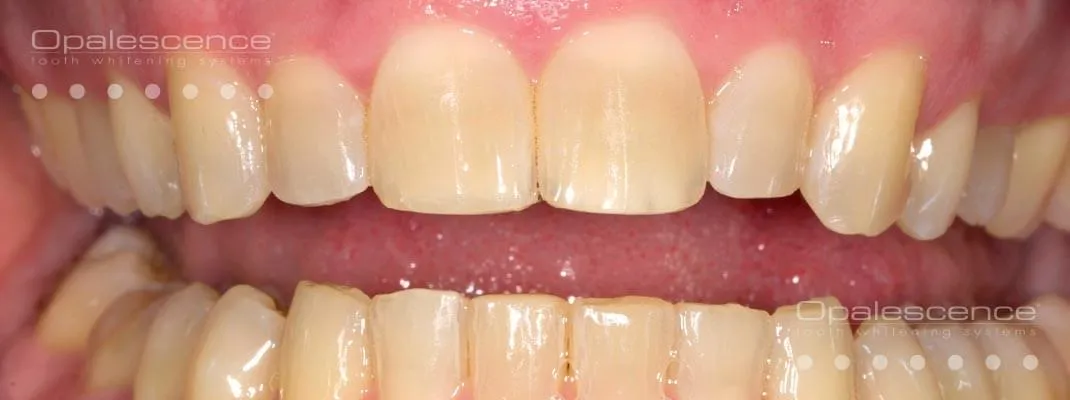
Understanding Opalescence Teeth Whitening
Opalescence teeth whitening is a popular and effective method for brightening your smile. It utilizes bleaching agents to lighten the color of your teeth, removing stains and discoloration caused by factors like coffee, tea, tobacco, and aging. The active ingredients in Opalescence products, typically carbamide peroxide or hydrogen peroxide, penetrate the enamel to break down stain molecules. This process enhances the natural whiteness of your teeth, giving you a more confident and radiant smile. However, understanding how Opalescence works and how to use it correctly is crucial for achieving the best results and avoiding potential complications. This guide will help you navigate the process, from choosing the right product to post-whitening care, ensuring you get the amazing results you desire.
What is Opalescence Teeth Whitening
Opalescence is a professional-grade teeth whitening system offered by dentists and available in various formulations for at-home use. It stands out due to its potent bleaching agents and customizable treatment options. Opalescence products are designed to be effective yet safe, with varying concentrations of peroxide to suit different levels of staining and sensitivity. Unlike over-the-counter whitening products, Opalescence is often prescribed or recommended by dentists, ensuring a personalized approach and professional guidance. The system provides a range of products, from whitening toothpastes and gels to professional-strength treatments, giving users flexibility and control over their whitening journey. Whether you opt for in-office treatments or at-home kits, Opalescence aims to deliver significant and noticeable improvements in the brightness of your smile.
Types of Opalescence Whitening Products

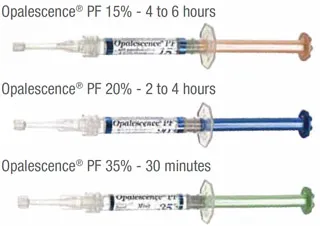
Opalescence offers a variety of products tailored to different needs and preferences. These include whitening toothpastes, which help to remove surface stains and maintain brightness; whitening gels available in different concentrations, designed for use with custom-fitted trays; and pre-filled whitening trays for convenience. Some formulations are specifically designed for sensitivity, containing ingredients to minimize discomfort during the whitening process. Your dentist will help you determine the most suitable product based on the level of staining, your sensitivity, and your lifestyle. The selection ensures that you can achieve a whiter smile in a way that’s comfortable and effective for you. Understanding the different types helps you choose the best option for your specific needs.
Image of Opalescence teeth whitening products
How Opalescence Whitening Works
The core mechanism of Opalescence whitening involves the use of bleaching agents, typically hydrogen peroxide or carbamide peroxide. When these agents come into contact with your teeth, they release oxygen molecules. These oxygen molecules penetrate the enamel and dentin, breaking down the stain molecules that cause discoloration. This process doesn’t remove the enamel; instead, it alters the internal structure of the tooth, making it appear whiter. The effectiveness of Opalescence depends on the concentration of the bleaching agent, the duration of application, and the frequency of use. The stronger the concentration, the faster the results, but also the higher the risk of sensitivity. Proper application, guided by your dentist, ensures optimal results while minimizing potential side effects.
Preparing for Opalescence Whitening
Before starting any teeth whitening treatment, careful preparation is essential. This includes a thorough dental examination to ensure your teeth and gums are healthy and to identify any existing issues like cavities or gum disease. Addressing these problems before whitening is crucial, as the bleaching agents can irritate damaged areas. You should also have your teeth professionally cleaned to remove plaque and tartar, allowing the whitening agents to penetrate more effectively. Furthermore, consider avoiding staining foods and drinks, such as coffee, tea, red wine, and dark berries, for a few weeks before the treatment to maximize results. Preparing your mouth and adjusting your diet sets the stage for a successful and comfortable whitening experience.
Consulting Your Dentist
Consulting your dentist is a critical step in the Opalescence whitening process. A dentist can assess your oral health, determine the cause of discoloration, and recommend the most appropriate whitening solution. They can evaluate your teeth for any underlying issues that could complicate the whitening process, such as cavities, cracks, or gum disease. Your dentist can also provide professional guidance on the best Opalescence product for your specific needs, considering factors like your sensitivity level and the degree of staining. Moreover, they can monitor your progress and address any concerns or side effects, ensuring a safe and effective treatment. Professional advice guarantees a personalized approach and maximizes your chances of achieving a bright and healthy smile. The dentist will also create the whitening trays if needed.
Image of Consulting Dentist for whitening
Oral Hygiene Before Whitening
Maintaining excellent oral hygiene is paramount before undergoing Opalescence whitening. This involves brushing your teeth at least twice a day with a fluoride toothpaste, flossing daily to remove plaque and food particles between teeth, and using an antibacterial mouthwash. Ensuring your teeth and gums are clean and healthy before whitening helps the bleaching agents work more effectively and reduces the risk of irritation or sensitivity. A clean mouth allows the whitening agents to come into direct contact with the tooth enamel, maximizing their impact. Consistent oral hygiene practices also support the longevity of your whitening results, helping you maintain a brighter smile for a longer period. Prioritizing oral health lays the foundation for a successful whitening experience.
Image of Oral hygiene before whitening
Application Process Step by Step
The application process for Opalescence whitening varies depending on the product type, but generally, it follows these steps. Begin by brushing and flossing your teeth thoroughly to remove any food particles or plaque. If using custom trays, carefully apply the whitening gel into the tray as directed by your dentist, ensuring an even distribution. If using strips, apply them according to the instructions. Place the tray over your teeth, making sure it fits snugly and comfortably. Leave the tray in place for the recommended time, typically 30 minutes to several hours, depending on the product and your dentist’s instructions. Once the time is up, remove the tray or strips and rinse your mouth thoroughly with water. Avoid swallowing the whitening gel. Following the correct application process maximizes the effectiveness of the whitening treatment and minimizes the risk of side effects.
Using Whitening Trays
When using Opalescence whitening trays, the application process is precise and requires careful attention to detail. First, ensure the trays are clean and dry. Apply a small amount of the whitening gel into each tooth impression in the tray. Use only the amount of gel recommended by your dentist or the product instructions; too much gel can cause gum irritation. Carefully place the tray over your teeth, making sure it fits comfortably and snugly. Gently press the tray to ensure the gel evenly covers your teeth. Wear the tray for the prescribed time, typically 30 minutes to a few hours, depending on the product strength and your dentist’s recommendations. Remove the tray and rinse your mouth thoroughly. Clean the tray with cool water and store it in a safe place. Consistent and correct use of whitening trays maximizes whitening effectiveness and minimizes potential side effects.
Image of Whitening trays application
Applying Whitening Strips
Applying Opalescence whitening strips is a convenient and straightforward method for teeth whitening. First, gently peel the strip from its backing. Apply the gel-covered side of the strip to your teeth, pressing it gently to ensure it adheres properly. Align the strip with your gum line, ensuring it covers the front surface of your teeth. Fold any excess strip over the back of your teeth to secure it. Leave the strips in place for the duration recommended on the packaging. After the allotted time, carefully remove the strips and discard them. Rinse your mouth with water to remove any remaining gel. Regular and correct use of whitening strips provides a simple and effective way to whiten your teeth, enhancing your smile’s brightness gradually.
Image of Whitening strips application
Post-Whitening Care and Maintenance
Following proper post-whitening care is vital to maintain your brighter smile and minimize potential side effects. Avoid consuming staining foods and drinks, such as coffee, tea, red wine, and dark berries, for at least a few days after each whitening session. Be cautious with highly acidic foods and beverages, as they can temporarily increase tooth sensitivity. Continue practicing excellent oral hygiene by brushing, flossing, and rinsing with a fluoride mouthwash to protect your teeth and gums. Consider using a whitening toothpaste to help maintain your results. Regular dental check-ups and cleanings are essential to monitor your oral health and address any issues. Proper aftercare extends the life of your whitening results and helps you maintain a healthy, radiant smile.
Avoiding Staining Foods and Drinks

One of the most critical aspects of post-whitening care is avoiding staining foods and drinks. Certain foods and beverages can darken your teeth, undoing the effects of the whitening treatment. Common culprits include coffee, tea, red wine, dark sodas, and deeply colored fruits like berries. Additionally, soy sauce, balsamic vinegar, and curry can stain your teeth. To protect your newly whitened smile, consider reducing or eliminating these items from your diet, especially during the first few days after whitening. If you consume staining substances, rinse your mouth with water immediately afterward to minimize their impact. Being mindful of your diet is a proactive step in preserving the results of your Opalescence whitening treatment.
Image of avoiding staining foods and drinks
Maintaining Your White Smile
Maintaining your white smile requires a combination of good oral hygiene, dietary adjustments, and possibly touch-up treatments. Continue brushing your teeth twice a day with a whitening toothpaste containing fluoride to remove surface stains and maintain brightness. Floss daily to remove plaque and food particles, preventing discoloration. Consider using a straw when drinking staining beverages to minimize contact with your teeth. Periodic touch-up treatments with Opalescence, as recommended by your dentist, can help you maintain your desired level of whiteness. Regular dental check-ups and professional cleanings are also essential for monitoring your oral health and addressing any issues. Consistent maintenance ensures your smile remains bright, healthy, and confident.
Image of Maintaining white smile
Troubleshooting Common Issues
While Opalescence whitening is generally safe, some users may experience common issues. Tooth sensitivity is a frequent side effect, usually temporary. If you experience sensitivity, try using a toothpaste designed for sensitive teeth or reducing the frequency or duration of your whitening treatments. Gum irritation can also occur if the whitening gel comes into contact with your gums; ensure the trays fit properly and avoid overfilling. If you experience significant or persistent discomfort, consult your dentist. Other issues may include uneven whitening or a feeling of dryness. Most of these problems are manageable with proper care and guidance from your dentist. Understanding and addressing these common issues helps you achieve the best results and minimizes any discomfort.
Sensitivity and Discomfort Management

Managing sensitivity and discomfort is crucial during Opalescence whitening. If you experience tooth sensitivity, try using a toothpaste designed for sensitive teeth, which contains ingredients like potassium nitrate to block nerve sensations. Reduce the duration or frequency of your whitening treatments to lessen the exposure to the bleaching agent. Avoid extremely hot or cold foods and drinks, which can exacerbate sensitivity. You can also ask your dentist about desensitizing treatments, such as fluoride varnish, which can help protect your teeth. For gum irritation, ensure the whitening trays fit properly to prevent gel from contacting your gums. If irritation persists, consult your dentist, who may recommend adjusting the treatment or using a different product. Managing sensitivity and discomfort ensures a more comfortable whitening experience.
When to Contact Your Dentist
It’s essential to know when to contact your dentist during the Opalescence whitening process. Contact your dentist immediately if you experience severe tooth sensitivity or gum irritation that doesn’t subside. If you notice any changes in your oral health, such as new or worsening pain, swelling, or bleeding, seek professional advice promptly. If you are not satisfied with the whitening results, or if you have concerns about the process, consult your dentist for guidance. Regular follow-up appointments are important to ensure that the whitening treatment is effective and that your oral health is maintained. Your dentist can provide personalized advice, adjust the treatment plan if needed, and address any issues that arise, ensuring a safe and successful whitening experience.
In conclusion, Opalescence teeth whitening offers an effective way to achieve a brighter, more confident smile. By understanding the process, preparing properly, following the application instructions, and practicing post-whitening care, you can maximize your results and minimize any potential side effects. Consulting your dentist is a crucial step, ensuring a safe and personalized approach to teeth whitening. With proper care and maintenance, you can enjoy a radiant, healthy smile for years to come.