Understanding Whitening Pens for a Dazzling Smile
Achieving a brighter, more confident smile is a goal for many, and whitening pens have emerged as a convenient and accessible solution. These pens offer a simple way to whiten teeth at home, making them a popular choice for those seeking a quick cosmetic upgrade. Understanding how they work, the different types available, and the correct application is crucial for achieving the desired results safely and effectively. This comprehensive guide will walk you through everything you need to know to use whitening pens properly and unlock a dazzling smile. By understanding the key aspects of whitening pens, you can make an informed decision and achieve a brighter smile with confidence.
What Are Whitening Pens
Whitening pens are small, portable devices designed to apply a whitening gel directly to the teeth. They typically contain a whitening agent, such as hydrogen peroxide or carbamide peroxide, which helps to break down stains and discoloration. The pens are designed for ease of use, allowing for targeted application to the front surface of teeth. The gel is applied by a brush or pen-like applicator that dispenses the whitening solution. They are a less expensive and more accessible option compared to professional whitening treatments, offering a quick and convenient way to brighten your smile on the go. Regular use, when done correctly, can lead to noticeable improvements in tooth whiteness, boosting your confidence and improving your overall appearance.
Types of Whitening Pens

Whitening pens primarily differ in their whitening agent and concentration. The most common active ingredients are hydrogen peroxide and carbamide peroxide. Hydrogen peroxide is a stronger whitening agent and often yields faster results, but it can also cause more sensitivity. Carbamide peroxide breaks down into hydrogen peroxide and urea, offering a slower but gentler approach. The concentration of these ingredients varies, with higher concentrations typically leading to quicker results but potentially increased sensitivity. Some pens also contain other ingredients to improve the taste, shelf life, or stability of the gel. The selection of a whitening pen depends on individual needs, sensitivity levels, and desired results, so it is essential to understand these differences to choose the best product for your needs.
Ingredients to Look For
When choosing a whitening pen, look for products containing hydrogen peroxide or carbamide peroxide as the active whitening agent. Check the concentration level; higher concentrations may provide faster results but could increase sensitivity. Also, look for pens that contain ingredients to support enamel health, such as fluoride. The addition of fluoride helps to remineralize the tooth enamel, reducing sensitivity and strengthening the teeth. Some pens may include desensitizing agents to counteract any potential sensitivity. Furthermore, ensure the pen is approved by dental professionals and has undergone safety testing. Always read the ingredient list carefully and consult with your dentist if you have any concerns.
Ingredients to Avoid
Avoid whitening pens that contain high concentrations of harsh chemicals or abrasive substances that could damage tooth enamel. Be cautious of products with artificial colors, flavors, or excessive preservatives, as these could cause irritation or allergic reactions. It’s also important to steer clear of pens with misleading claims or ingredients not proven to be effective for whitening. If you have known sensitivities or allergies, carefully check the ingredient list to avoid potential allergens. Always prioritize products that prioritize safety and quality and consult with your dentist if you have any doubts or concerns about a specific product’s ingredients. Ensuring the products are reputable and contain the right ingredients is crucial for safety and effectiveness.
Preparing Your Smile

Before you begin using a whitening pen, it’s important to prepare your smile to maximize results and minimize any potential side effects. This involves ensuring your teeth are clean and healthy, addressing any pre-existing dental issues, and understanding your current oral hygiene habits. Preparing your teeth ensures the whitening agent can effectively penetrate the enamel to remove stains. Healthy gums and teeth provide a solid base for the whitening process, reducing the risk of irritation. By taking the time to properly prepare your smile, you’ll be setting the stage for a brighter and healthier-looking set of teeth.
Brushing and Flossing
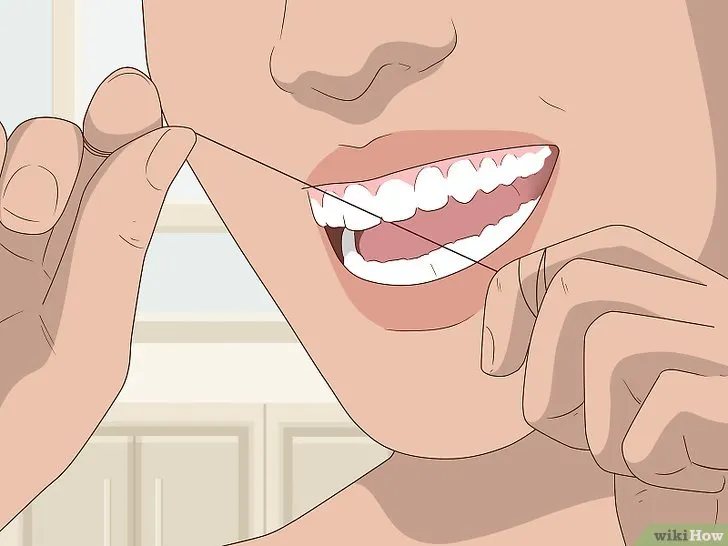
A thorough brushing and flossing routine is essential before using a whitening pen. Start by brushing your teeth with fluoride toothpaste to remove surface debris and plaque. Floss gently to remove any food particles and plaque from between your teeth, which can hinder the whitening agent’s effectiveness. Allow your teeth to dry before applying the whitening pen. This is crucial as saliva can dilute the gel and reduce its effectiveness. A clean, dry surface allows the whitening agent to adhere better and penetrate the enamel for optimal results. Consistent and careful oral hygiene ensures the best possible outcome and promotes healthy teeth and gums.
Choosing the Right Whitening Pen
Selecting the right whitening pen involves considering factors such as your sensitivity level, the severity of your stains, and your budget. If you have sensitive teeth, opt for a pen with a lower concentration of the whitening agent and desensitizing ingredients like potassium nitrate. For more stubborn stains, a higher concentration might be necessary, but be prepared for a potential increase in sensitivity. Read reviews and research different brands to assess their effectiveness and reliability. Consult with your dentist to see if they recommend any specific brands. Your dentist can also offer valuable insights to the most appropriate product. Selecting a suitable whitening pen is a crucial step in achieving a brighter smile, so make sure to carefully consider all the above aspects.
Application Steps for a Dazzling Smile

Using a whitening pen correctly is essential for achieving the best results while minimizing any potential side effects. Following these simple steps can ensure effective and safe usage. Following each step can maximize the whitening pen’s effect and support better and more radiant oral health. By implementing these steps, you are setting up yourself to acquire an amazing smile that will be shining bright.
Step 1 Clean Your Teeth
Before applying the whitening gel, brush your teeth thoroughly with your regular toothpaste to remove any surface debris or plaque. Ensure you floss to remove food particles. Allow the teeth to dry, which will help the whitening gel adhere better. This is an important first step because the whitening pen’s effectiveness depends on direct contact with the tooth’s surface. A clean and dry surface ensures the whitening agent can work effectively.
Step 2 Apply the Whitening Pen
Remove the cap from the whitening pen and twist the bottom until the gel appears on the applicator. Apply a thin layer of the gel to the visible surfaces of your teeth, carefully avoiding your gums. The thin layer ensures that the whitening agent effectively covers the stained areas. Be careful not to over-apply the gel, as excess product can cause irritation and doesn’t necessarily improve results. For optimal results, apply the gel evenly across all the teeth you wish to whiten.
Step 3 Avoid Eating and Drinking

After applying the whitening gel, it’s essential to avoid eating or drinking anything for the recommended time, usually 30 minutes to an hour. This allows the gel to work without being diluted or washed away. Food and beverages can also stain the teeth, potentially reversing the whitening effect, so it is best to avoid them to maximize the outcome. Avoiding food and drinks also helps to prevent any potential irritation of the mouth. This is a critical step in ensuring the effectiveness of the whitening process.
Step 4 Rinse Your Mouth
After the recommended time, rinse your mouth thoroughly with water. This helps to remove any remaining gel and prevents swallowing the whitening agent. Avoid swallowing the gel, as it can cause stomach upset or other adverse reactions. Rinsing your mouth is also essential to remove any lingering residue, which may cause irritation to sensitive individuals. Make sure all the gel is rinsed away to prevent any further action of the whitening agent and to maintain optimal oral health.
Step 5 Repeat as Needed
Follow the instructions on the whitening pen packaging regarding the frequency of use. Typically, you’ll apply the gel once or twice daily for a specific period, such as two weeks. After the initial period, you may need to use the pen less frequently to maintain your results. Consistency is essential for seeing results, but do not exceed the recommended usage to avoid potential side effects. Regularly assess your teeth to determine the appropriate usage frequency. Following the recommended application schedule will provide optimal results and help you achieve a radiant and dazzling smile.
Maximizing Results and Avoiding Side Effects

To ensure the best possible outcome, it’s important to use whitening pens correctly and take steps to minimize potential side effects. The whitening process can impact your teeth and gums, so it is essential to know how to mitigate any adverse reactions. By understanding how to use the pen effectively and addressing any issues that may arise, you can achieve a brighter smile while maintaining your oral health. This requires a proactive approach.
How Often to Use a Whitening Pen
Adhere to the manufacturer’s instructions for the frequency of use, typically once or twice a day for a specific duration, like two weeks. Avoid exceeding the recommended usage to prevent increased sensitivity or other side effects. If you see results quickly, reduce the frequency, and use the pen as needed to maintain your smile. It is important to monitor your teeth and adjust your usage based on your individual needs and the product’s instructions. Regular usage while maintaining these recommendations is essential to maximizing the whitening effects.
Potential Side Effects
Common side effects of whitening pens include tooth sensitivity and gum irritation. Tooth sensitivity often occurs because the whitening agent penetrates the enamel, temporarily affecting the nerves. Gum irritation might occur if the gel comes in contact with the gums. Another concern is the potential for uneven whitening, especially if the pen is not applied evenly. If you experience any side effects, stop using the pen and consult your dentist. Being aware of these potential side effects allows you to handle them properly, helping you to use the pen in the best and safest way.
How to Deal with Sensitivity

To manage tooth sensitivity, consider using a toothpaste designed for sensitive teeth, containing ingredients like potassium nitrate. Apply a thin layer of the toothpaste to the affected areas before or after using the whitening pen. Reduce the frequency of whitening treatments or use the pen for a shorter period. If sensitivity persists, take a break from whitening and consult your dentist. Avoiding extremely hot or cold foods and drinks can also help. By following these strategies, you can minimize sensitivity and maintain comfort during the whitening process.
Whitening Pen Alternatives
While whitening pens are a convenient option, several alternatives can help brighten your smile. These alternatives include options for different budgets, needs, and preferences. By considering these alternatives, you can make a choice that perfectly complements your oral hygiene routine and your aesthetic aspirations. This will give you a diverse way to achieve your goals.
Professional Whitening Treatments
Professional teeth whitening, performed by a dentist, is often the most effective method. These treatments use stronger whitening agents and can provide faster and more dramatic results than at-home options. The dentist can also monitor your teeth for sensitivity and other side effects, ensuring a safer experience. While professional whitening is more expensive, it is a reliable option for those seeking significant improvements in their teeth. The benefits include faster results and personalized treatments. Professional whitening can also be a great choice for those with more severe discoloration or those who want to achieve a higher level of whitening.
Over-the-Counter Whitening Products

Besides whitening pens, you can find a variety of other over-the-counter products, such as whitening strips, toothpastes, and mouthwashes. Whitening strips are another popular choice, offering a more consistent application of the whitening agent than pens. Whitening toothpastes contain mild abrasives or chemicals that remove surface stains. Whitening mouthwashes can help maintain your results. When choosing these products, follow the instructions carefully and be aware of potential side effects. Research different brands and products to find the best options for your needs and budget. These OTC products provide a convenient way to whiten your teeth at home and can supplement the use of a whitening pen.
Maintaining Your Bright Smile
After achieving a brighter smile, it’s essential to maintain your results through proper oral hygiene and lifestyle choices. This will help keep your teeth looking their best for as long as possible. Developing and maintaining effective oral hygiene habits will promote sustained results and overall health. This will allow you to enjoy the full benefits of the whitening process. Proper maintenance is just as important as the whitening process itself.
Oral Hygiene Routine
Brush your teeth twice daily with fluoride toothpaste. Floss once daily to remove plaque and food particles from between your teeth. Use a whitening toothpaste to help maintain your results and remove surface stains. Rinse with a fluoride mouthwash to further protect your enamel and promote oral health. Regular dental checkups and cleanings are crucial for removing any stains and ensuring your teeth stay healthy. Maintaining a consistent and thorough oral hygiene routine will keep your smile bright and healthy.
Dietary Considerations
Certain foods and drinks can stain your teeth, such as coffee, tea, red wine, and berries. Minimize your consumption of these staining agents to prolong your whitening results. Rinse your mouth with water after consuming stain-causing foods and drinks. Consider using a straw for beverages to minimize contact with your teeth. Avoid smoking or using tobacco products, as they can severely stain your teeth. By making conscious dietary choices, you can significantly extend the life of your dazzling smile. Maintaining good habits and paying attention to your diet will help ensure long-term results.
In conclusion, whitening pens offer a convenient and accessible way to achieve a brighter smile. By understanding the types of pens available, the correct application techniques, and how to handle potential side effects, you can effectively use these products safely. Combining the use of whitening pens with good oral hygiene practices and considering alternative whitening options can help you achieve and maintain a dazzling smile. Remember to always consult with your dentist to discuss the best whitening options for your individual needs and to ensure the health of your teeth.