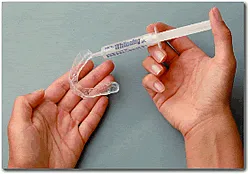
What is Teeth Whitening Gel
Teeth whitening gel is a cosmetic dental product designed to lighten the color of your teeth. It works by using bleaching agents to remove stains and discoloration, leading to a brighter, more confident smile. These gels are available in various formulations, including those for professional use by dentists and over-the-counter options for at-home treatments. The active ingredients in whitening gels penetrate the enamel to break down stains, offering a safe and effective way to improve the appearance of your teeth. Understanding how whitening gel works is the first step in achieving a dazzling, white smile, helping you choose the most appropriate method for your needs and preferences. The effectiveness of the gel can vary depending on the type of stain, the concentration of the active ingredients, and the duration of treatment.
Types of Whitening Gel
Whitening gels use different chemicals to achieve the desired effect. The two main types are hydrogen peroxide and carbamide peroxide, each working differently to remove stains and discolorations, providing various levels of effectiveness and sensitivity.
Hydrogen Peroxide

Hydrogen peroxide is a powerful bleaching agent often found in higher concentrations in professional whitening treatments. It works by oxidizing the stains on the teeth, breaking them down and making them less visible. This type of gel provides rapid results and is effective in treating various types of stains, from surface discoloration to deeper stains. The higher concentrations in professional treatments offer quicker and more dramatic results compared to at-home products, though they may increase the risk of sensitivity if not used correctly. It’s crucial to follow the instructions carefully to ensure safe and effective use and to prevent any potential side effects.
Carbamide Peroxide
Carbamide peroxide is another common active ingredient in teeth whitening gels. It breaks down into hydrogen peroxide when it comes into contact with water. This type is often found in at-home whitening kits because it releases a lower concentration of hydrogen peroxide over a longer period, making it less likely to cause sensitivity. This slow-release feature makes it a good option for people who want a more gradual whitening process, with a reduced risk of irritation. Its effectiveness also relies on the frequency and duration of application, providing a safe alternative to hydrogen peroxide-based treatments. When choosing between the two, consider your sensitivity levels and the desired speed of results.
How to Choose the Right Whitening Gel
Selecting the appropriate whitening gel involves careful consideration of your specific needs and circumstances. Several factors play a critical role in helping you make an informed decision, ensuring you achieve the best possible results while minimizing potential side effects. Understanding these elements is crucial for successful and safe teeth whitening at home.
Concentration

The concentration of the active ingredient (hydrogen peroxide or carbamide peroxide) significantly impacts the effectiveness and potential side effects of the whitening gel. Higher concentrations typically yield faster results, but they can also increase the likelihood of tooth sensitivity and gum irritation. It’s advisable to start with a lower concentration, particularly if you have sensitive teeth, and gradually increase it if necessary and if tolerated. Always follow the product instructions carefully and consult with your dentist before choosing a high-concentration product for at-home use. Proper concentration management ensures you get the best results without compromising your oral health.
Sensitivity
If you have sensitive teeth, choose a whitening gel specifically designed for sensitive teeth. These gels often have lower concentrations of the active ingredients or include ingredients like potassium nitrate that help reduce sensitivity. Using products designed for sensitive teeth can help you to avoid discomfort during the whitening process, allowing you to achieve a brighter smile without increased tooth pain. Always monitor your teeth for any signs of increased sensitivity and adjust the treatment plan accordingly, possibly by reducing the frequency or duration of use. Proper management will help ensure a comfortable and effective whitening experience.
Step-by-Step Instructions for Using Whitening Gel
Following a detailed set of instructions ensures the safe and effective use of teeth whitening gel. Proper preparation and application are essential for achieving the desired results and minimizing potential side effects. These steps provide a comprehensive guide to help you whiten your teeth safely and efficiently at home.
Preparation

Before using whitening gel, brush your teeth thoroughly to remove any surface debris and plaque. Floss your teeth to remove any food particles. Rinse your mouth with water to remove any remaining residue from brushing and flossing. Ensure your teeth are dry before applying the gel, as moisture can dilute the gel and reduce its effectiveness. Careful preparation is critical for maximizing the whitening effects and reducing the risk of sensitivity.
Applying the Gel
The application method depends on the type of whitening gel you are using. It can be used with trays, strips or a brush, each requiring different techniques. This step-by-step guide will provide clear instructions on how to apply the whitening gel effectively.
Using Trays or Strips
If using trays, fill the tray with the whitening gel according to the manufacturer’s instructions. Ensure the gel is evenly distributed. Place the tray over your teeth, making sure it covers them completely, and then gently press the tray against your teeth. If using strips, carefully apply the strips to your upper and lower teeth, ensuring they are properly aligned along the gum line. Follow the instructions on the product packaging regarding the duration for keeping the gel on your teeth. This ensures that the gel effectively bleaches the enamel, leading to brighter teeth. The correct usage of trays or strips is crucial for effective and safe teeth whitening.
Using a Brush

If using a brush-on whitening gel, apply a thin layer of the gel to each tooth. Make sure all the tooth surfaces are covered evenly. Avoid excessive amounts of gel to prevent it from getting into your gums, which can cause irritation. After applying the gel, avoid eating or drinking for the recommended time frame, usually between 10 and 30 minutes, to allow the gel to work effectively. Proper brushing technique will improve the whitening and minimize the risk of side effects.
Waiting Time
Adhere strictly to the manufacturer’s recommended waiting time. Overdoing the application time can heighten the risk of tooth sensitivity and gum irritation, while underdoing it may reduce the effectiveness of the treatment. During the waiting period, avoid swallowing the gel to prevent ingestion. If excess gel gets on your gums, wipe it away gently with a tissue. Waiting the recommended time ensures optimal results while minimizing any potential adverse effects. Following these guidelines will help you achieve the best results and a brighter smile.
Post-Application Care
After the recommended waiting time, remove the trays or strips and rinse your mouth thoroughly with water. Do not swallow any remaining gel. Brush your teeth gently to remove any residual gel. After rinsing, avoid eating or drinking anything other than water for at least an hour to prevent re-staining. Careful post-application care ensures you achieve the desired results while preserving your oral health.
Foods and Drinks to Avoid

After applying the whitening gel, it is essential to avoid certain foods and drinks that can stain your teeth. Coffee, tea, red wine, dark sodas, and berries are known for their staining properties. Avoid these for at least 24 hours after each whitening session. Also, limit your intake of highly pigmented foods like soy sauce, curry, and dark sauces. Maintaining a white-friendly diet helps maintain the effects of your teeth whitening treatment and gives you the best results.
Oral Hygiene
Maintaining good oral hygiene is crucial for preserving your whitening results and overall dental health. Brush your teeth twice a day with a soft-bristled toothbrush and fluoride toothpaste. Floss daily to remove plaque and food particles from between your teeth. Rinse your mouth with an alcohol-free mouthwash. Regular dental checkups and cleanings can also help maintain a bright, healthy smile. A consistent oral hygiene routine will extend the effects of the whitening treatment and ensure healthy teeth.
Potential Side Effects
While teeth whitening gel is generally safe, it can cause certain side effects. It’s essential to be aware of these potential issues and how to manage them effectively. Understanding these can help you make informed choices and know how to react if you experience any adverse reactions.
Tooth Sensitivity

Tooth sensitivity is a common side effect of teeth whitening. You might experience a temporary increase in sensitivity to hot and cold temperatures. This is usually a temporary condition that subsides within a few days after you stop using the gel. To manage sensitivity, use toothpaste for sensitive teeth containing ingredients like potassium nitrate. Avoid excessively hot or cold foods and drinks during the whitening process. If the sensitivity is severe or prolonged, consult your dentist for advice.
Gum Irritation
Gum irritation can occur if the whitening gel comes into contact with your gums. This might manifest as redness, swelling, or soreness. To prevent gum irritation, be careful when applying the gel to avoid contact with the gums. Remove any excess gel that comes into contact with the gums immediately. Using a mouth tray that fits properly can prevent leakage and protect your gums. If irritation occurs, stop the treatment and consult your dentist. Usually, this condition is temporary and will resolve on its own once the treatment is stopped.
How to Manage Side Effects
There are several strategies for managing the side effects of teeth whitening. Start by reducing the frequency of applications or the duration of each treatment. If you experience sensitivity, use toothpaste formulated for sensitive teeth. Apply a desensitizing gel or rinse containing fluoride. For gum irritation, ensure the gel doesn’t come into contact with your gums and seek advice from your dentist. Maintaining good oral hygiene and drinking plenty of water can also help reduce side effects. Managing the side effects effectively guarantees a comfortable and pleasant whitening experience.
When to See a Dentist
It’s important to know when to seek professional help during a teeth whitening process. If you experience severe tooth sensitivity or gum irritation that does not improve after a few days of discontinuing the treatment, consult your dentist. If you have any existing dental issues, such as cavities, gum disease, or cracked teeth, it’s essential to consult your dentist before starting any whitening treatment. Your dentist can assess your overall oral health and recommend the most appropriate whitening method. Regular dental checkups will ensure that you maintain a healthy and bright smile.
Results and Expectations
The results of teeth whitening can vary depending on the type of stains, the concentration of the gel, and the individual’s teeth. The results can range from a few shades lighter to a significantly brighter smile. The effects are not permanent, and the teeth may gradually revert to their original color over time. To maintain the results, it is essential to follow proper oral hygiene practices, avoid stain-causing foods and drinks, and consider occasional touch-up treatments. Setting realistic expectations is vital to avoid disappointment and ensure satisfaction with the whitening process. Consulting your dentist before starting the treatment can help you understand what to expect and achieve the best possible outcome.