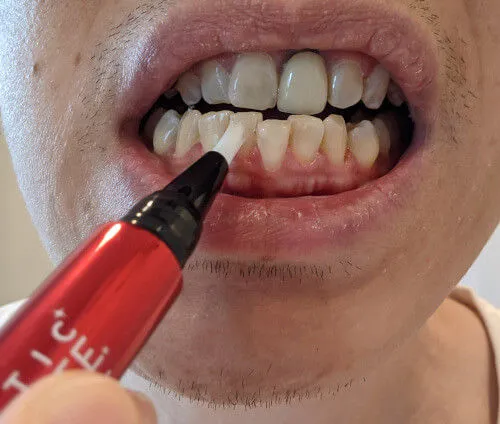
The Risks of Hydrogen Peroxide Teeth Whitening
Teeth whitening has become a popular cosmetic procedure, with numerous products and methods available to brighten your smile. Among these, hydrogen peroxide is a common ingredient in many over-the-counter and professional teeth whitening treatments. However, while hydrogen peroxide can effectively lighten teeth, it’s crucial to be aware of the potential dangers associated with its use. Understanding these risks is essential for making informed decisions about your oral health and choosing the safest approach to achieve a whiter smile. This article explores the top 5 risks of using hydrogen peroxide for teeth whitening, providing insights into how these dangers can manifest and how to mitigate them.
What is Hydrogen Peroxide Teeth Whitening?
Hydrogen peroxide is a chemical compound that acts as a bleaching agent. In teeth whitening, it works by penetrating the enamel of your teeth and breaking down the stains and discoloration that have accumulated over time. It is available in various concentrations, from low-concentration products found in home whitening kits to higher concentrations used by dental professionals. The effectiveness of hydrogen peroxide in teeth whitening is undeniable, but the concentration and frequency of use are key factors in determining the potential risks. The process involves applying the hydrogen peroxide solution to the teeth, either through a gel, strips, or trays. The hydrogen peroxide then oxidizes the stain molecules, breaking them apart and making them less visible, thus creating a brighter appearance.
How Does Hydrogen Peroxide Work?
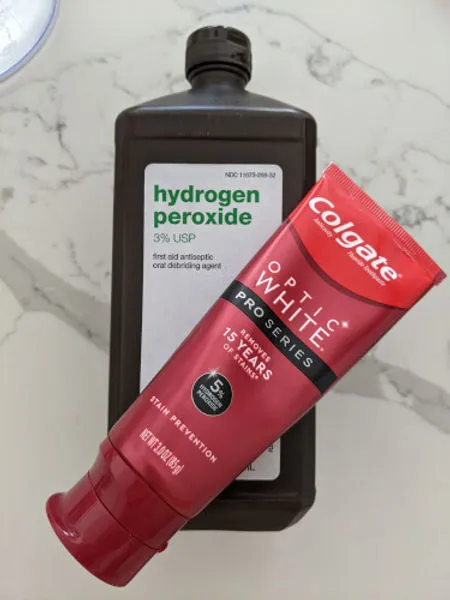
The mechanism of action for hydrogen peroxide in teeth whitening is based on its oxidizing properties. When hydrogen peroxide comes into contact with the stained tooth enamel, it releases oxygen molecules. These oxygen molecules penetrate the enamel and dentin layers, breaking down the complex organic molecules that cause discoloration. This process effectively lightens the teeth by removing the stains. The higher the concentration of hydrogen peroxide, the more aggressive the whitening process. However, this also increases the potential for side effects. Understanding the concentration of hydrogen peroxide in any teeth whitening product is essential, as it directly relates to both its effectiveness and the risks involved. Always follow the instructions provided by the product or dental professional to minimize the risk of adverse effects.
Risk 1 Tooth Sensitivity
One of the most common side effects of hydrogen peroxide teeth whitening is tooth sensitivity. This occurs when the hydrogen peroxide penetrates the enamel and reaches the dentin, which contains microscopic tubules that connect to the tooth’s nerve. The whitening process can irritate these nerves, leading to temporary sensitivity to hot, cold, sweet, or acidic foods and drinks. This sensitivity varies from person to person and depends on factors such as the concentration of hydrogen peroxide, the duration of treatment, and the individual’s existing tooth sensitivity. While tooth sensitivity is usually temporary, it can be uncomfortable and may require adjustments to the whitening treatment to alleviate the symptoms. It is always important to consult with a dentist to discuss any concerns.
Why Sensitivity Occurs
Tooth sensitivity arises because the hydrogen peroxide can dehydrate the teeth, making the dentin tubules more exposed. Additionally, the chemical reaction of the hydrogen peroxide can stimulate the nerve endings within the tooth. People with pre-existing conditions, such as receding gums or enamel erosion, are often more prone to experiencing sensitivity. Higher concentrations of hydrogen peroxide and longer treatment durations increase the likelihood and severity of sensitivity. This is why dental professionals often recommend using lower concentrations or applying the treatment for shorter periods to reduce the risk of sensitivity. Furthermore, the bleaching agents can temporarily open the pores in the enamel, exposing the underlying dentin, causing sensitivity to external stimuli.
How to Manage Sensitivity

Several strategies can help manage tooth sensitivity during or after hydrogen peroxide teeth whitening. Using toothpaste designed for sensitive teeth, which contains ingredients like potassium nitrate, can help block the nerve signals and reduce discomfort. Applying fluoride treatments, either at home or professionally, can strengthen the enamel and reduce sensitivity. It is advisable to avoid overly hot or cold foods and beverages during the treatment period, as these can exacerbate the sensitivity. If sensitivity persists or becomes severe, consult with a dentist. They may recommend adjusting the whitening treatment, using a lower concentration of hydrogen peroxide, or taking breaks between treatments. The goal is to balance achieving the desired whitening results while minimizing discomfort and potential damage to the teeth.
Risk 2 Gum Irritation
Gum irritation, also known as gingivitis, is another common side effect of hydrogen peroxide teeth whitening. This occurs when the hydrogen peroxide comes into contact with the soft tissues of the gums, causing inflammation, redness, and sometimes blistering. The sensitivity of the gums to hydrogen peroxide varies, but prolonged or excessive exposure can lead to significant discomfort. Gum irritation can be more pronounced with higher concentrations of hydrogen peroxide or if the whitening product is not properly applied, allowing it to come into contact with the gums. Proper application and following the manufacturer’s instructions are crucial for minimizing the risk of gum irritation. For some people, the chemical properties of hydrogen peroxide can irritate the gums, even with careful application.
Causes of Gum Irritation
The primary cause of gum irritation is direct contact between the hydrogen peroxide and the gum tissue. This can happen if the whitening trays do not fit properly, allowing the gel to leak onto the gums, or if the strips are not correctly positioned. Overuse of whitening products can also contribute to gum irritation, as the constant exposure to hydrogen peroxide can irritate the sensitive gum tissues. Additionally, individuals with pre-existing gum conditions, such as gingivitis or periodontitis, may be more susceptible to irritation. The higher the concentration of hydrogen peroxide, the more likely it is to cause irritation. Avoiding contact with the gums and following the recommended treatment guidelines are the most important steps to avoid gum irritation.
Preventing Gum Irritation

Preventing gum irritation involves several precautions. When using whitening trays, ensure they fit snugly and do not allow the gel to come into contact with the gums. Wipe away any excess gel immediately if it leaks onto the gums. For whitening strips, make sure they are properly applied, avoiding contact with the gumline. Use a lower concentration of hydrogen peroxide if you are prone to irritation, and always adhere to the recommended treatment duration. Rinse your mouth thoroughly after each whitening session to remove any remaining hydrogen peroxide. If you experience gum irritation, discontinue the treatment and consult your dentist. They may recommend using a desensitizing toothpaste or other treatments to soothe the gums. Regular dental check-ups can also help in identifying and addressing any pre-existing gum issues before starting teeth whitening.
Risk 3 Enamel Damage
While tooth enamel is the hardest substance in the human body, it is still susceptible to damage from prolonged or excessive exposure to hydrogen peroxide. The chemical reactions involved in teeth whitening can weaken the enamel over time, making the teeth more vulnerable to decay and erosion. Enamel damage is a serious concern, as it can lead to increased tooth sensitivity, cavities, and a compromised smile’s overall appearance. The risk of enamel damage increases with the concentration of hydrogen peroxide and the frequency of the whitening treatments. Proper usage of the recommended treatment plan is crucial. Always speak with your dentist to determine the safety of teeth whitening for your specific situation and to minimize the chances of damage.
Understanding Enamel and Its Importance
Enamel is the outermost layer of the tooth, providing a protective barrier against decay, erosion, and external stimuli. It is composed primarily of minerals, making it strong but also susceptible to chemical damage. The thickness and condition of the enamel vary from person to person. Healthy enamel is essential for protecting the underlying dentin and pulp, the tooth’s nerve center. Damage to the enamel can lead to various dental problems, including tooth sensitivity, cavities, and aesthetic issues. Maintaining healthy enamel is vital for overall oral health, and it should be a priority when considering any teeth whitening treatment. Enamel also provides the smooth, white surface that gives teeth their attractive appearance, so its condition significantly impacts a smile.
How Hydrogen Peroxide Affects Enamel

Hydrogen peroxide can affect enamel by causing demineralization, which is the loss of minerals from the enamel structure. This makes the enamel more porous and susceptible to damage. High concentrations of hydrogen peroxide and frequent treatments can accelerate this process, leading to enamel erosion and increased tooth sensitivity. The oxidation process can also weaken the enamel’s structural integrity. Furthermore, some whitening products contain additives that can further erode the enamel. Proper use and following the dentist’s recommendations are essential to minimize the damage to enamel. Using products with lower concentrations and avoiding overuse can mitigate the risks, preserving the strength and integrity of your teeth’s protective layer. After whitening, your dentist might recommend products to help remineralize and protect the enamel.
Risk 4 Allergic Reactions
Although rare, allergic reactions to hydrogen peroxide or other ingredients in teeth whitening products can occur. Symptoms of an allergic reaction can range from mild to severe, and it is essential to be aware of the signs and take appropriate action. Allergic reactions can happen anytime, particularly with those using teeth whitening products for the first time. The ingredients in whitening products, such as flavorings, preservatives, or stabilizers, may trigger allergic responses in susceptible individuals. People with known allergies should carefully review the product’s ingredient list and consult a dentist before using any teeth whitening products. Always perform a patch test before using whitening products extensively.
Identifying Allergic Reactions
Symptoms of an allergic reaction to teeth whitening products can include skin rashes, itching, swelling of the gums or lips, and difficulty breathing. Other potential signs involve hives, blisters, and irritation around the mouth or face. If any of these symptoms arise after using a teeth whitening product, it is crucial to stop using the product immediately. These reactions can manifest quickly, so it is essential to monitor the body closely after the treatment. If the reaction is severe, such as difficulty breathing or swelling of the throat, seek immediate medical attention. Mild symptoms may resolve on their own, but it is always best to err on the side of caution and seek medical advice if you have concerns.
What to Do If You Have an Allergic Reaction

If you suspect you are experiencing an allergic reaction to a teeth whitening product, discontinue use immediately. Rinse your mouth thoroughly with water. For mild symptoms, such as mild itching or redness, over-the-counter antihistamines may help. For more severe reactions, such as swelling or difficulty breathing, seek immediate medical attention. Inform your dentist about the reaction, as they may be able to help identify the specific allergen and recommend alternative whitening methods. It is also useful to keep a record of the product you used and the symptoms you experienced to share with your healthcare provider. The dentist can help you find a safe teeth-whitening option.
Risk 5 Inconsistent Whitening
The effectiveness of hydrogen peroxide teeth whitening can vary, leading to inconsistent results. Factors such as the type of stains, the natural shade of your teeth, and the concentration of hydrogen peroxide used all play a role. Some people may experience significant whitening with minimal side effects, while others may see limited improvement or uneven results. Certain types of stains, like those caused by tetracycline antibiotics, are more resistant to whitening. The effectiveness of whitening treatments is highly dependent on individual factors. Understanding these factors can help set realistic expectations and choose the right whitening method.
Why Whitening Results Vary
The variation in whitening results is attributable to several factors. The type and depth of the stains on the teeth significantly impact the outcome. Extrinsic stains, those on the surface of the teeth, are generally easier to remove than intrinsic stains, which are embedded within the enamel. The natural shade of your teeth also influences the results. Teeth that are naturally more yellow tend to whiten more effectively than those that are gray or have other underlying discolorations. Age, genetics, and the presence of dental restorations such as fillings or crowns can also affect the whitening process. These restorations do not whiten. Some individuals may require multiple treatments or a combination of methods to achieve the desired results.
Factors Influencing Whitening Effectiveness

Several factors can affect the effectiveness of hydrogen peroxide teeth whitening. The concentration of hydrogen peroxide is directly related to the whitening power, but also the potential for side effects. Adhering to the recommended treatment plan, including the duration and frequency, is essential. Maintaining good oral hygiene habits, such as regular brushing and flossing, helps to maximize the whitening effects. Avoiding foods and drinks that stain teeth, such as coffee, tea, and red wine, can help preserve the results. The duration of whitening can also affect the end result. If you are considering teeth whitening, consult with your dentist to discuss your expectations and develop a personalized treatment plan to achieve the best possible outcomes.
Conclusion
While hydrogen peroxide teeth whitening can be effective in brightening your smile, it is essential to be aware of the potential dangers. Tooth sensitivity, gum irritation, enamel damage, allergic reactions, and inconsistent whitening results are all risks associated with this treatment. By understanding these dangers, following product instructions carefully, and consulting with a dentist, you can minimize the risks and make informed decisions about your oral health. Always prioritize safety and consult with a dental professional before starting any teeth whitening treatment to ensure it is appropriate for your specific situation and to achieve the best and safest results. Maintaining a healthy smile requires a balance of aesthetics and oral health.