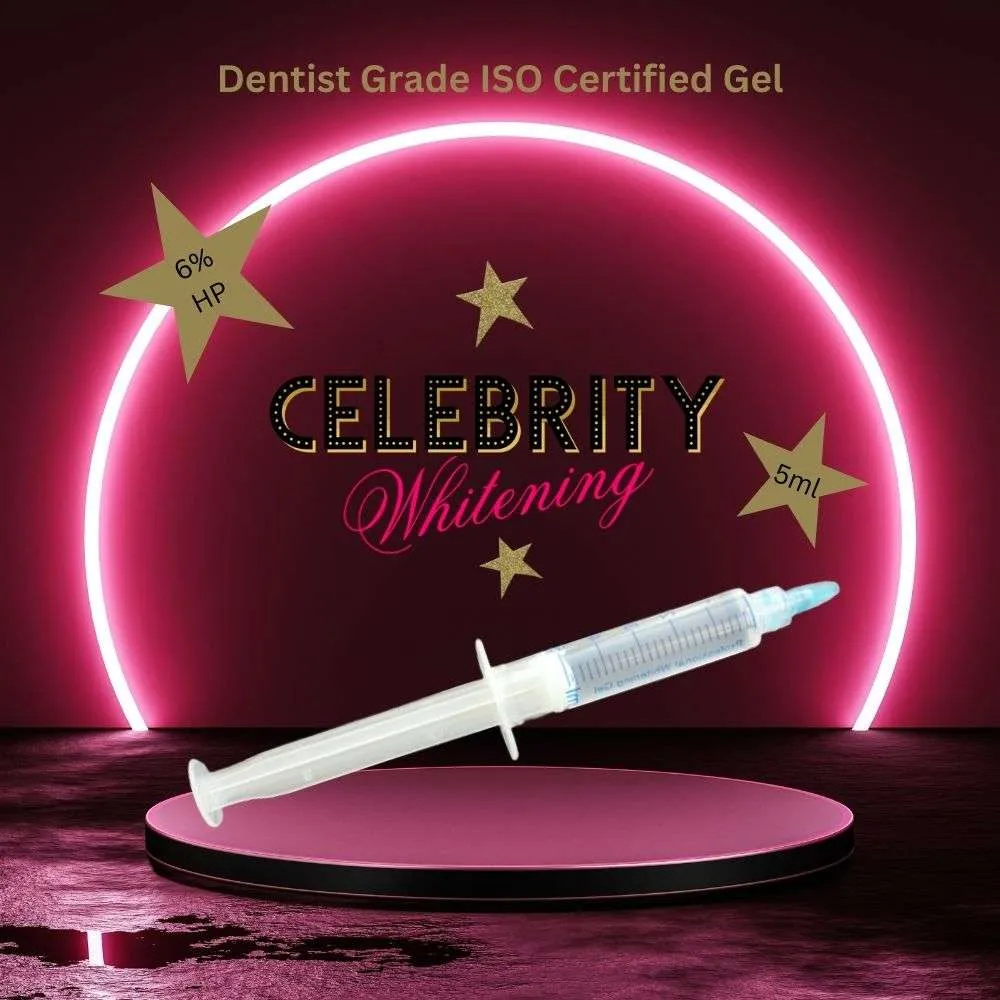
Understanding Hydrogen Peroxide Teeth Whitening
Achieving a brighter, whiter smile is a common goal, and hydrogen peroxide is a popular ingredient in many teeth whitening products. This guide delves into the use of hydrogen peroxide for teeth whitening, exploring its effectiveness, safety, and how to incorporate it into your oral hygiene routine. From understanding its chemical properties to learning about potential risks and best practices, this article provides comprehensive information to help you make informed decisions about your teeth whitening journey. It is important to note that while hydrogen peroxide can be effective, it’s crucial to approach its use with caution and awareness.
What is Hydrogen Peroxide?
Hydrogen peroxide (H2O2) is a chemical compound composed of hydrogen and oxygen. It’s a mild antiseptic that is commonly used for cleaning wounds and as a bleaching agent. In the context of teeth whitening, hydrogen peroxide acts as an oxidizing agent. This means it breaks down into water and oxygen, and the oxygen molecules react with the stain molecules on your teeth, breaking them down and making your teeth appear whiter. The concentration of hydrogen peroxide in teeth whitening products can vary, impacting the strength of the bleaching effect. Understanding the concentration and how it impacts efficacy is crucial for safe and effective teeth whitening.
Hydrogen Peroxide Concentrations for Teeth Whitening

The concentration of hydrogen peroxide in teeth whitening products varies significantly. Over-the-counter products, such as whitening toothpastes and strips, typically contain lower concentrations (3-10%) of hydrogen peroxide to minimize the risk of side effects. Professional treatments performed by dentists often utilize higher concentrations (15-40%) for faster and more dramatic results. The higher the concentration, the more potent the bleaching effect, but also the greater the potential for sensitivity and irritation. It’s essential to choose a product with a concentration that aligns with your needs, dental health, and under the guidance of a dental professional to minimize risks.
How Hydrogen Peroxide Works on Teeth
Hydrogen peroxide whitens teeth through an oxidation process. When it comes into contact with the stained enamel, the oxygen molecules released by hydrogen peroxide break down the stain molecules. These stain molecules are made of larger molecules that absorb more light, making the teeth appear yellow or discolored. The process of breaking down these stain molecules into smaller, less visible molecules results in teeth appearing whiter. The effectiveness of hydrogen peroxide also depends on the type of stains, the concentration of the peroxide, and the duration of the treatment. Consistent use and proper application, along with a good oral hygiene routine, will help you achieve optimal results.
Benefits of Hydrogen Peroxide Teeth Whitening
Hydrogen peroxide offers several advantages as a teeth whitening agent, making it a popular choice for many individuals. It is relatively easy to use and available in a variety of formulations, offering flexibility in application. When used correctly, it can effectively lighten the color of teeth and reduce the appearance of stains. The accessibility of over-the-counter products provides a convenient option for those seeking to improve their smile without a visit to the dentist. However, the effectiveness and safety of hydrogen peroxide teeth whitening depends on several factors, including the concentration of the product, the method of application, and the user’s dental health.
Cost-Effectiveness

Compared to professional teeth whitening treatments, using hydrogen peroxide-based products at home can be a more cost-effective option. Over-the-counter products like whitening toothpastes and strips are generally affordable and readily available. Even if you opt for a hydrogen peroxide whitening gel, it can still be a more economical choice compared to the costs of a dentist appointment. The cost savings make hydrogen peroxide teeth whitening an attractive option for individuals who want to improve their smile without a significant financial investment. However, it is important to compare product efficacy and safety with professional treatments to ensure you are achieving the desired results safely.
Convenience of Use
One of the primary benefits of hydrogen peroxide teeth whitening is its convenience. Many products, such as whitening strips, gels, and toothpastes, can be easily integrated into your daily oral hygiene routine. This convenience allows individuals to whiten their teeth at home, on their own schedule, without the need for frequent dental appointments. The ease of use makes it a popular choice for those who are looking for a simple and accessible way to brighten their smile. Just make sure to follow the instructions on the product packaging carefully and be aware of the potential side effects associated with any teeth whitening product.
Potential Risks and Side Effects
While hydrogen peroxide is effective for teeth whitening, it’s important to be aware of potential risks and side effects. These can vary depending on the concentration of the product, the frequency of use, and the individual’s oral health. It is crucial to follow the product instructions carefully and consult with your dentist if you experience any adverse reactions. Common side effects include tooth sensitivity and gum irritation. In some cases, overuse or misuse of hydrogen peroxide can lead to more serious issues, such as enamel damage. Therefore, understanding these risks and taking preventive measures are essential for safe teeth whitening.
Tooth Sensitivity

Tooth sensitivity is a common side effect of hydrogen peroxide teeth whitening. The peroxide can penetrate the enamel and reach the dentin, which contains the nerve endings, leading to sensitivity. This can manifest as a sharp, temporary pain or discomfort, particularly when consuming cold or hot foods and drinks. The severity of tooth sensitivity varies from person to person. To reduce sensitivity, consider using a toothpaste designed for sensitive teeth or reducing the frequency or duration of whitening treatments. Consulting with your dentist to discuss options is advisable if the sensitivity becomes persistent or severe. (Image: teeth-whitening-sensitivity.webp)
Gum Irritation
Gum irritation is another potential side effect of hydrogen peroxide teeth whitening, especially if the product comes into contact with the gums. This can lead to redness, swelling, and discomfort. The higher the concentration of hydrogen peroxide, the greater the likelihood of irritation. To minimize this risk, it’s essential to carefully apply whitening products to your teeth and avoid contact with your gums. Using a custom-fitted whitening tray can help reduce gum contact. If you experience gum irritation, discontinue use and consult with your dentist. They can offer advice and recommend alternative products or methods to help you to whiten your teeth safely.
Enamel Damage
While less common, enamel damage is a potential risk associated with the overuse or misuse of hydrogen peroxide teeth whitening products. The enamel is the hard, protective outer layer of your teeth. Excessive exposure to hydrogen peroxide, especially at high concentrations, can weaken or erode the enamel over time. This can make your teeth more susceptible to decay, sensitivity, and discoloration. To protect your enamel, it’s crucial to follow product instructions carefully and avoid excessive whitening. Regular dental checkups and professional guidance can help monitor your oral health and prevent enamel damage. Always consult with your dentist to make sure any teeth whitening treatment is suitable for you.
How to Use Hydrogen Peroxide for Whitening

Incorporating hydrogen peroxide into your teeth whitening routine requires following specific guidelines to maximize its effectiveness while minimizing potential risks. The method you choose will depend on the product you have selected, whether it’s a whitening toothpaste, a strip, a gel or even a mouthwash. Ensure that you read and adhere to the manufacturer’s instructions. Also, it is important to consider the concentration of hydrogen peroxide and how it will affect the amount of time used in the process. Here’s a breakdown of different application methods and important safety precautions.
Choosing the Right Product
The market offers a wide array of hydrogen peroxide teeth whitening products, including toothpastes, strips, gels, and mouthwashes. When choosing a product, consider the concentration of hydrogen peroxide, as higher concentrations tend to provide faster results but may also increase the risk of sensitivity. Also, look for products that are approved or recommended by dental professionals. It is important to evaluate the ease of use and the method of application that best suits your lifestyle and preferences. If you have sensitive teeth or specific dental concerns, consult your dentist to find a product that is best suited for your particular oral health needs and goals. (Image: hydrogen-peroxide-bottles.webp)
Dilution Guide
For some methods, like using hydrogen peroxide mouthwash or a diluted solution, proper dilution is crucial. Never use concentrated hydrogen peroxide directly on your teeth without diluting it. A common recommendation is to dilute 3% hydrogen peroxide with equal parts water. Always follow the specific instructions of the product you are using. Using an incorrect concentration may not only reduce the effectiveness of your treatment, but it can also increase the likelihood of adverse side effects, such as gum irritation or tooth sensitivity. For any doubt, consult with your dentist or a dental professional before use, especially for homemade solutions.
Application Methods

There are several ways to apply hydrogen peroxide for teeth whitening, each offering a different approach. Common methods include brushing, rinsing with a mouthwash, and using whitening gels. Each method has its specific steps and precautions. Regardless of which method you choose, it’s important to follow the product’s instructions closely. For example, with whitening strips, you apply them directly to your teeth. With whitening gels, they may be applied using custom-fitted trays. Consistent and correct application is key to achieving desired results, however, remember that using these methods excessively can lead to adverse effects. (Image: hydrogen-peroxide-teeth-whitening-application.webp)
Brushing Technique
Some people choose to brush their teeth with a mixture of hydrogen peroxide and baking soda or a whitening toothpaste containing hydrogen peroxide. If you choose to brush with a solution, mix a small amount of 3% hydrogen peroxide with baking soda to form a paste. Gently brush your teeth with the paste for about two minutes. Be careful not to brush too aggressively, as this can damage your enamel. After brushing, rinse your mouth thoroughly with water. Use this method sparingly, no more than once or twice a week, to avoid potential side effects. Always monitor your teeth for sensitivity or irritation and stop use if you experience any problems.
Mouthwash Method
Using hydrogen peroxide as a mouthwash involves rinsing your mouth with a diluted solution. Mix equal parts of 3% hydrogen peroxide and water. Swish the solution around your mouth for about 30-60 seconds, making sure it reaches all areas of your teeth. Then, spit it out and rinse your mouth with plain water. Be careful not to swallow any of the solution. Use this method once or twice a day, for a maximum of several weeks, to see the effects of this process. Excessive use could cause gum irritation and other side effects. If you feel any discomfort, stop using it and consult with your dentist.
Hydrogen Peroxide Whitening Gel

Hydrogen peroxide whitening gels are another popular option. These gels typically come in a syringe or applicator and are applied directly to the teeth. Many gels are used in conjunction with custom-fitted trays, which help to hold the gel in place and ensure even distribution across the teeth. Follow the instructions of the specific product carefully. Make sure you apply the gel to your teeth as instructed and wear the tray for the recommended amount of time. Avoid eating or drinking during the treatment period. Hydrogen peroxide whitening gels are often available from your dentist or over-the-counter, but it’s always a good idea to seek advice to check for safety and efficacy. (Image: teeth-whitening-gel.webp)
Important Safety Precautions
Before starting any teeth whitening treatment with hydrogen peroxide, it’s crucial to prioritize safety. These precautions help minimize potential risks and ensure a positive experience. Always read and follow product instructions, and be aware of the possible side effects. Consulting with your dentist is highly recommended before starting any treatment. The dentist can assess your oral health, recommend a safe whitening approach, and provide personalized guidance. Knowing your oral health status is important so that any whitening treatment is safe and effective.
Consult Your Dentist
Consulting with your dentist is a critical step before using hydrogen peroxide for teeth whitening. Your dentist can assess your oral health, identify any pre-existing conditions, such as cavities or gum disease, and recommend the most appropriate whitening method for your needs. They can also provide personalized advice on how to use hydrogen peroxide safely and effectively. A dental checkup can identify potential problems, like tooth decay or gum disease. Starting teeth whitening without a checkup could exacerbate any existing issues. Regular dental visits can monitor progress and address any side effects. (Image: dental-checkup.webp)
Proper Storage

Proper storage of hydrogen peroxide products is essential to maintain their effectiveness and safety. Store the products in a cool, dark place away from direct sunlight and heat. This helps to prevent the hydrogen peroxide from breaking down and losing its potency. Always keep the product out of reach of children and pets, as it can be harmful if swallowed. Make sure to tightly close the product containers after use to prevent any contamination and spills. Also, be sure to adhere to the expiration date on the product and dispose of any expired products according to the manufacturer’s instructions. Following these steps ensures the product’s safety and effectiveness.
Who Should Avoid Hydrogen Peroxide Whitening?
While hydrogen peroxide can be a safe option for many, certain individuals should avoid it or consult with their dentist before use. People with sensitive teeth or gums may experience increased discomfort and should consider alternative whitening methods. Those with dental work, such as fillings, crowns, or veneers, should know that hydrogen peroxide will not whiten these restorations. Pregnant or breastfeeding women are generally advised to avoid teeth whitening treatments until after they have delivered or weaned. Children and teenagers should also avoid using hydrogen peroxide-based products unless specifically recommended and supervised by a dentist.
Alternatives to Hydrogen Peroxide Whitening
If hydrogen peroxide isn’t suitable for you, several alternatives are available. These options offer different approaches to teeth whitening, catering to various needs and preferences. Some alternatives are designed to be gentler on the teeth and gums, while others use different active ingredients. Understanding the benefits and drawbacks of each option can help you make an informed decision and find the right path to a brighter smile. These include both professional treatments and over-the-counter products, providing flexibility based on your needs and budget. (Image: professional-teeth-whitening.webp)
Professional Teeth Whitening
Professional teeth whitening treatments are performed by a dentist and offer several advantages. These treatments often use higher concentrations of hydrogen peroxide than over-the-counter products. This can result in faster and more dramatic whitening results. Dentists can also customize the treatment to your specific needs and monitor your progress. They can also address any potential side effects promptly. Common professional whitening options include in-office bleaching, where a concentrated whitening solution is applied to your teeth, and custom-fitted trays that you can use at home. Professional treatments may be more expensive, but they often provide the most predictable and effective results. (Image: professional-teeth-whitening.webp)
Over-the-Counter Whitening Products
Numerous over-the-counter teeth whitening products are available for those who prefer a more accessible option. These include whitening toothpastes, strips, and gels. Whitening toothpastes typically contain mild abrasives and low concentrations of hydrogen peroxide or other whitening agents. Whitening strips are thin, flexible strips coated with a peroxide-based whitening solution that you apply directly to your teeth. Whitening gels are usually applied using custom-fitted trays or applicators. While over-the-counter products may not offer the same dramatic results as professional treatments, they can be a convenient and affordable way to improve the brightness of your smile. Always read and follow the product instructions carefully.
Maintaining Your Whitened Smile
Maintaining your whitened smile requires adopting good oral hygiene practices and making lifestyle adjustments. Regular brushing and flossing are essential for removing plaque and food particles that can contribute to staining. Use a whitening toothpaste to help maintain brightness. Avoid or limit the consumption of foods and drinks that can stain teeth, such as coffee, tea, red wine, and berries. If you consume these items, rinse your mouth with water afterward or brush your teeth. Consider using a straw to minimize contact with your teeth. Schedule regular dental checkups and cleanings. These steps can help keep your smile bright and healthy. (Image: healthy-smile.webp)