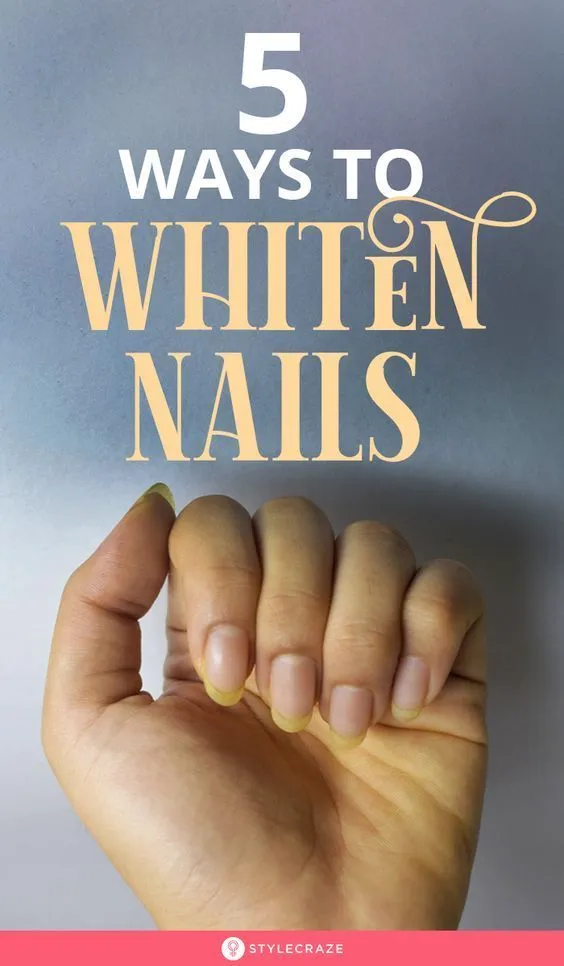
Understanding Nail Discoloration
Nail discoloration, often manifesting as yellowing, is a common cosmetic concern that can affect anyone. While it’s frequently harmless, understanding the underlying causes is crucial for effective treatment. Yellow nails can result from a variety of factors, ranging from lifestyle choices to underlying health conditions. Recognizing the different causes of nail discoloration allows you to choose the most suitable remedies. The color change occurs due to the accumulation of pigments or structural changes within the nail plate. The degree of yellowing can vary, from a slight tint to a deep, opaque shade, often accompanied by other symptoms like thickening or brittleness. Addressing the issue requires identifying the root cause and implementing appropriate care, be it simple home remedies or professional treatment. Being proactive and informed about nail health is the first step toward achieving and maintaining healthy, attractive nails.
Common Causes of Yellow Nails
Several factors can contribute to the yellowing of nails, and it’s important to pinpoint the cause to find the right solution. One of the most prevalent causes is fungal infections, which thrive in the warm, moist environments often found under nails. In addition to fungal infections, other factors contribute. Prolonged use of dark nail polish without a protective base coat can stain the nails. Nicotine from smoking can also lead to yellowing, as it discolors the nail plate over time. Moreover, certain medical conditions, like psoriasis or thyroid problems, can manifest as nail discoloration. Recognizing the specific cause helps in selecting the appropriate home remedies or professional treatments. Regular nail care, good hygiene, and awareness of potential triggers are key to preventing and treating yellow nails.
Fungal Infections

Fungal infections are a prevalent cause of yellow nails. These infections, often called onychomycosis, are caused by various fungi that invade the nail plate, leading to discoloration, thickening, and brittleness. The fungi typically thrive in warm, moist environments, like those found inside shoes or around swimming pools. Early detection and treatment are critical to prevent the infection from worsening. Symptoms of a fungal nail infection include yellowing, thickening, and crumbling of the nails, along with possible pain or discomfort. Over-the-counter antifungal treatments are available, but severe infections may require prescription medications from a healthcare provider. Maintaining good nail hygiene, keeping feet dry, and avoiding sharing nail clippers or tools can help prevent fungal infections.
Nail Polish and Staining
Another common cause of yellow nails is the staining from nail polish, especially darker shades like red, purple, and black. These polishes contain pigments that can seep into the nail plate over time, leading to discoloration. Without a protective base coat, the nail plate absorbs these pigments, resulting in a yellow tint. Regular use of nail polish, combined with insufficient care, can worsen the problem. To mitigate this, always apply a base coat before using nail polish. This creates a barrier between the nail and the pigments, minimizing the risk of staining. Allowing nails to breathe occasionally by taking breaks from polish use also helps. If staining has already occurred, you can try various home remedies to lighten the nails. Proper nail care and protective measures are key to preventing polish-related yellowing and maintaining healthy nails.
Smoking Habits
Smoking is a significant lifestyle factor that contributes to yellowing nails. The nicotine and tar present in cigarettes stain the nails over time, resulting in a yellow discoloration. The chemicals in cigarette smoke seep into the nail plate, leading to staining that is often accompanied by other health concerns. The extent of yellowing depends on the frequency of smoking and the duration of the habit. Besides the cosmetic issue, smoking also impairs blood circulation, affecting nail health and growth. Quitting smoking is the most effective solution to address the problem. Moreover, it is crucial to seek professional help if the yellowing of nails is caused by smoking habits. It will help you to improve your overall health and restore the natural color of your nails.
Top Home Remedies for Nails Whitening

There are many home remedies for whitening nails. These are often simple, natural, and readily available options that can help reduce yellowing and improve nail appearance. These remedies work by targeting the pigments causing the discoloration or by promoting nail health. While these treatments may not always provide instant results, consistent use can lead to noticeable improvements. For optimal results, it’s beneficial to combine various remedies and maintain a regular nail care routine. Always test any new treatment on a small area of your nail first to check for sensitivity. These remedies offer a safe and effective way to address nail discoloration and help you achieve brighter, healthier-looking nails without harsh chemicals.
Lemon Juice for Nails
Lemon juice is a popular and effective home remedy for whitening nails due to its natural bleaching properties. The citric acid in lemon juice helps to break down stains and brighten the nail plate. To use lemon juice, soak your nails in a mixture of fresh lemon juice and water for about 10-15 minutes. This can be done several times a week for best results. You can also rub a lemon slice directly onto your nails for a more concentrated treatment. Remember to moisturize your hands afterward, as lemon juice can be drying. While lemon juice is generally safe, avoid using it on sensitive or broken skin. Consistent use of lemon juice is a simple, natural way to combat yellowing and achieve brighter, healthier-looking nails. This makes lemon juice a staple in many nail care routines.
Baking Soda Paste
Baking soda is another effective home remedy for whitening nails. It acts as a gentle abrasive and helps to remove surface stains, revealing brighter nails. To make a baking soda paste, mix baking soda with water until it forms a thick paste. Apply the paste to your nails and gently scrub with a soft toothbrush or cloth for a few minutes. Rinse thoroughly and moisturize your hands afterward. Repeat this treatment once or twice a week. Baking soda is an affordable and readily available ingredient. It also helps to exfoliate the nails, removing dead cells and promoting healthy growth. However, avoid excessive scrubbing, which can damage the nail plate. With regular use, baking soda can significantly improve nail appearance.
Hydrogen Peroxide Solution

Hydrogen peroxide is a powerful bleaching agent that can effectively whiten yellowed nails. It is typically used in a diluted form to avoid irritation. To use hydrogen peroxide, mix it with water in a 1:1 ratio. Soak your nails in the solution for about 10-15 minutes, and then rinse them thoroughly. This treatment can be done once or twice a week. Be careful when handling hydrogen peroxide, as it can cause skin irritation if it’s too concentrated. Always dilute it properly. Hydrogen peroxide works by oxidizing the stains and discoloration on the nail plate. While effective, it’s important to use hydrogen peroxide with caution. Always follow the dilution instructions. This helps you achieve brighter nails without any adverse side effects.
White Vinegar Soak
White vinegar can be a beneficial home remedy for nail whitening. It contains acetic acid, which helps to break down stains and combat fungal infections. To use white vinegar, dilute it with water in a 1:1 ratio. Soak your nails in the solution for about 10-15 minutes and rinse them thoroughly. This treatment can be used a few times a week. White vinegar also has antifungal properties, which helps address underlying causes. White vinegar is a natural, readily available ingredient. It effectively addresses discoloration and also improves nail health. However, avoid using vinegar if you have any cuts or open wounds around your nails, as it can cause stinging or irritation. White vinegar provides a comprehensive approach to nail care, offering both aesthetic and health benefits.
Tea Tree Oil for Nail Health
Tea tree oil is a natural remedy known for its antifungal and antibacterial properties. It’s often used to treat nail infections, which are a common cause of yellowing. Apply a few drops of tea tree oil directly to the affected nails once or twice daily. Tea tree oil can help combat the underlying causes of discoloration. It is also a potent solution for improving nail health. It’s important to dilute tea tree oil with a carrier oil, like coconut or olive oil. This reduces the risk of skin irritation. Tea tree oil can be incorporated into your nail care routine to improve nail health. The oil’s antifungal properties help to clear infections, while its antiseptic qualities promote overall nail hygiene and health. Always do a patch test before using it.
Preventative Measures for Healthy Nails

Besides using home remedies, taking preventative measures is crucial for maintaining healthy, white nails. This involves adopting a proper nail care routine and paying close attention to nail hygiene. Preventing yellowing is always better than treating it. Preventive measures include maintaining good nail hygiene, protecting nails from harsh chemicals, and ensuring proper nail care practices. Incorporating these practices can significantly reduce the risk of nail discoloration and other issues. Taking these steps can enhance your nail health. By combining preventative measures with home remedies, you can ensure your nails remain bright, strong, and beautiful.
Proper Nail Care Routine
A proper nail care routine includes several steps that promote nail health and prevent yellowing. Start by keeping your nails clean and dry. Trim your nails regularly and file them in one direction to avoid splitting. Always use a base coat before applying nail polish to protect your nails from staining. Avoid using harsh chemicals and always wear gloves when cleaning or doing activities that expose your nails to chemicals. Regular moisturizing is essential to prevent dryness and brittleness. Using a nail strengthener can also improve nail health. Gentle nail care and attention to detail are crucial for maintaining bright, healthy nails. By following a consistent routine, you can keep your nails in excellent condition and prevent discoloration.
Importance of Nail Hygiene
Nail hygiene plays a significant role in preventing yellowing and other nail issues. Regularly cleaning your nails and the skin around them is essential. Use a soft brush to remove dirt and debris from under your nails. Avoid biting or picking at your nails, as these habits can introduce bacteria and increase the risk of infection. Make sure to thoroughly dry your hands and feet after washing to prevent fungal growth. Using clean nail tools and avoiding sharing them with others also helps prevent the spread of infections. Proper nail hygiene includes regular hand washing, using clean tools, and avoiding habits like nail biting. Good hygiene practices promote healthy nails and reduce the risk of discoloration. A diligent approach to nail hygiene is vital for maintaining healthy and aesthetically pleasing nails.
When to Seek Professional Help

While home remedies can be effective, there are times when professional help is needed. If the yellowing is severe or accompanied by pain, swelling, or other symptoms, it is crucial to consult a healthcare provider. If the yellowing is caused by a fungal infection, a doctor can diagnose the condition. They will prescribe appropriate antifungal medications. A dermatologist can also provide expert advice on nail care and address any underlying medical issues. Furthermore, if home remedies do not show improvement after several weeks, it is time to seek professional medical attention. Seeking medical help ensures a proper diagnosis and effective treatment plan, promoting nail health and preventing complications. Professional guidance guarantees the best approach for resolving nail issues and achieving optimal results. Always prioritize professional help to treat any severe conditions.