Understanding Yellow Teeth and Causes
A brighter smile is a universal aspiration, but yellow teeth can often stand in the way. The color of our teeth can be affected by a variety of factors, from the foods we eat to our daily habits. Understanding the causes of yellowing is the first step toward finding effective solutions. This knowledge empowers you to choose the right natural teeth whitening methods, tailored to address the specific issues affecting your smile. This article will delve into the primary culprits behind tooth discoloration and explore how you can achieve a naturally brighter smile.
Common Causes of Tooth Discoloration
Tooth discoloration can stem from a multitude of sources, often working in tandem to affect the appearance of your teeth. Identifying these causes is crucial for adopting a holistic approach to teeth whitening. The following subsections explore some of the most prevalent factors that contribute to the yellowing of teeth. This will help you understand the impact of these factors and guide you toward making informed choices for your oral health, enhancing the effectiveness of natural teeth whitening strategies.
Dietary Factors

The food and beverages we consume play a significant role in the color of our teeth. Certain items contain pigments that can stain the enamel, the outer layer of our teeth. Coffee, tea, and red wine are notorious for their staining properties. These drinks contain chromogens, which are compounds that easily adhere to the tooth’s surface. Dark-colored fruits like blueberries and blackberries also contribute to discoloration. Frequent consumption of these items can lead to a gradual yellowing of the teeth. Therefore, paying attention to your diet is important for both preventing and addressing tooth discoloration.
Lifestyle Choices
Beyond diet, certain lifestyle choices can also impact the whiteness of your teeth. Smoking and chewing tobacco are major contributors to tooth discoloration. The nicotine and tar in these products can stain the teeth and lead to a yellowish or brownish hue. These substances not only affect the color of your teeth but can also compromise your overall oral health. Avoiding tobacco products is one of the best ways to maintain a brighter smile. Furthermore, excessive alcohol consumption can also contribute, though to a lesser extent, to staining and erosion of the tooth enamel.
Dental Hygiene
Poor oral hygiene is another leading cause of yellow teeth. Inadequate brushing and flossing allow plaque and tartar to build up on the teeth. These substances can trap stains and cause discoloration. Failing to brush your teeth at least twice a day and floss daily promotes the formation of these deposits. Regular professional cleanings are also crucial for removing stubborn stains and maintaining a bright smile. Proper dental hygiene habits are fundamental to preventing and reversing tooth discoloration. Regular check-ups and cleanings are crucial for maintaining a healthy and bright smile, allowing for early detection and treatment of any issues that may arise.
Effective Natural Teeth Whitening Methods

Fortunately, several natural methods can help you achieve a brighter smile without resorting to harsh chemicals. These methods utilize readily available ingredients and time-tested techniques. By incorporating these strategies into your daily routine, you can gradually reduce the yellowing of your teeth and boost your confidence. The following sections explore effective natural teeth whitening options, each with its unique approach to restoring your teeth’s natural brilliance. These methods provide an alternative to commercial products, allowing you to take a gentle and natural approach to achieving a brighter smile.
Oil Pulling
Oil pulling is an ancient Ayurvedic practice that involves swishing oil in your mouth to remove bacteria and toxins. This technique can help reduce plaque buildup and promote healthier gums, indirectly contributing to whiter teeth. The process is simple, easy to incorporate into your daily routine, and offers several benefits beyond teeth whitening. By incorporating oil pulling, you can take a proactive step toward a brighter, healthier smile using natural methods.
How Oil Pulling Works
The mechanism behind oil pulling involves the oil acting as a solvent, helping to dislodge bacteria and plaque from the teeth and gums. As you swish, the oil binds to these substances, effectively removing them from your mouth. This action not only cleans the teeth but also helps reduce inflammation and promote overall oral health. Consistent oil pulling can lead to a noticeable reduction in plaque, which contributes to a brighter appearance and fresher breath. This simple practice is a convenient and effective way to integrate natural teeth whitening into your daily habits.
Best Oils for Oil Pulling

Coconut oil is the most popular choice for oil pulling due to its pleasant taste and high concentration of lauric acid, which has antibacterial properties. Sesame oil and sunflower oil are also good options, offering their own unique benefits. When selecting an oil, ensure it is unrefined and cold-pressed for the best results. The quality of the oil directly influences its effectiveness and the overall experience of the process. Choosing the right oil will enhance your oil pulling routine, providing an extra layer of protection and promoting a healthier mouth.
Baking Soda and Hydrogen Peroxide
The combination of baking soda and hydrogen peroxide is a well-known natural teeth whitening remedy. Baking soda acts as a gentle abrasive that helps remove surface stains, while hydrogen peroxide has bleaching properties. This combination provides a powerful yet natural way to brighten your teeth. However, it is essential to use these substances with caution to prevent potential damage to the enamel. The key to maximizing benefits and avoiding harm lies in correct preparation and application.
Using Baking Soda Safely
Baking soda should be used sparingly, as excessive use can erode tooth enamel. Mix a small amount of baking soda with water to form a paste, and use it once or twice a week. Avoid brushing too vigorously, as this can also damage your enamel. Use a soft-bristled toothbrush and brush gently for about two minutes. After brushing, rinse your mouth thoroughly. Always consult with a dentist if you have any concerns about the use of baking soda. Applying baking soda carefully and with moderation ensures effective whitening while safeguarding your dental health.
Hydrogen Peroxide Concentration

When using hydrogen peroxide, it is crucial to use a low concentration, typically 3%. Higher concentrations can cause gum irritation and enamel damage. You can either rinse your mouth with diluted hydrogen peroxide or mix it with baking soda to create a paste. Ensure that you do not swallow any of the solution. After using hydrogen peroxide, rinse your mouth thoroughly with water. Always follow the manufacturer’s instructions and consult your dentist for guidance. Using the correct concentration and following these precautions maximizes whitening effectiveness while minimizing potential risks.
Activated Charcoal
Activated charcoal is another popular natural teeth whitening agent. It is a fine, black powder made from various sources like coconut shells. The porous nature of activated charcoal allows it to absorb stains and impurities from your teeth. This makes it an effective solution for removing surface stains and brightening your smile. Activated charcoal is widely available and easy to use. Incorporating this element into your routine is simple and can be quite effective.
Benefits of Activated Charcoal
Activated charcoal works by adsorbing surface stains from your teeth. This means the charcoal particles attract and bind to the stain molecules, which are then brushed away. It can help remove stains caused by coffee, tea, and other foods and drinks. Additionally, activated charcoal can help freshen breath by absorbing odor-causing compounds. Regular use can lead to a noticeable improvement in the brightness of your teeth. Choosing the right type of activated charcoal and following the instructions can help you realize the benefits of using this natural agent.
Proper Use of Activated Charcoal

To use activated charcoal, dip a wet toothbrush into the powder and brush your teeth gently for two minutes. Rinse your mouth thoroughly with water and brush your teeth again with regular toothpaste to remove any residual charcoal. Be careful, as activated charcoal can stain surfaces; protect your sink and countertops. Use it a few times per week, as excessive use can wear down enamel. Using activated charcoal carefully and in moderation can enhance the whitening effect while minimizing potential risks. If you’re using it for the first time, start slowly and consult your dentist for advice.
Other Natural Remedies
Beyond the primary methods, several other natural remedies can contribute to teeth whitening. These remedies often work best when used in conjunction with other techniques. They are readily available and can be easily incorporated into your oral care routine. From fruits to spices, these solutions offer a safe and natural way to complement your teeth whitening efforts, leading to more comprehensive results. Experimenting with these alternatives offers a flexible approach to achieve a brighter smile, tailor-made to your preferences.
Turmeric
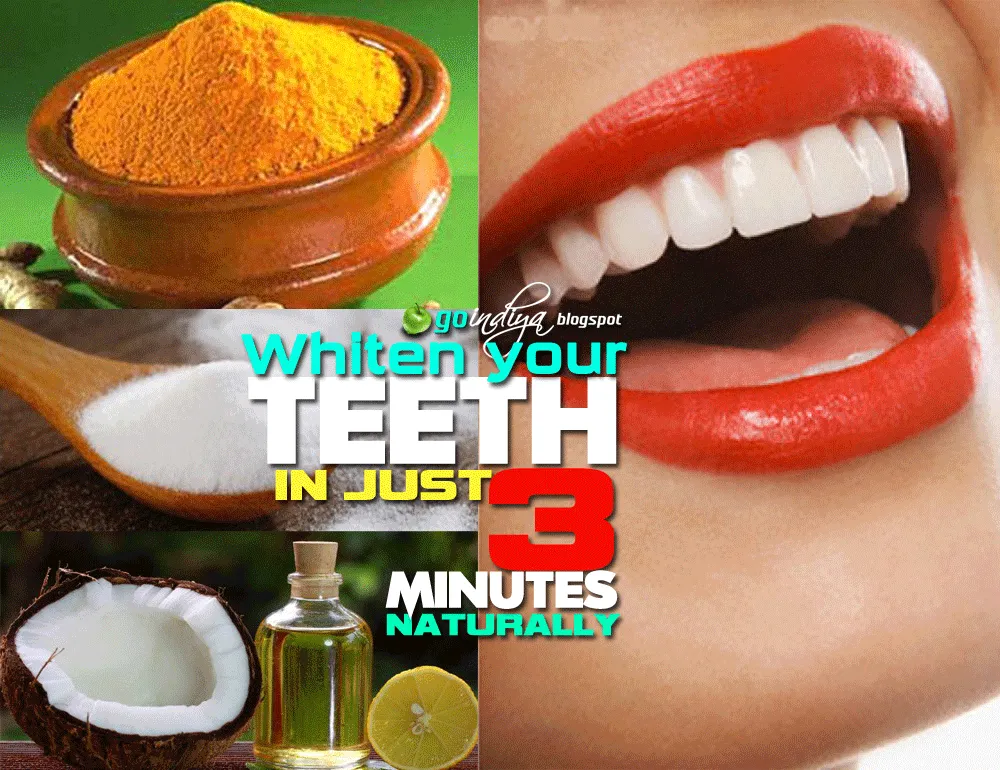
Turmeric, a spice known for its anti-inflammatory properties, can also help whiten teeth. The fine powder is gentle enough to use directly on the teeth, and the mild abrasiveness can help remove surface stains. Simply mix turmeric powder with water to create a paste, then apply it to your teeth for a few minutes before rinsing. The natural properties of turmeric make it an appealing option. However, ensure you source high-quality turmeric to enhance its effectiveness. Regularly using turmeric can gently improve the brightness of your teeth and provide an additional layer of oral care.
Apple Cider Vinegar

Apple cider vinegar (ACV) is sometimes used for teeth whitening, but it must be used with caution. ACV contains acetic acid, which can erode enamel if used excessively. Diluting ACV with water and rinsing your mouth for a short period can help remove stains. This method should not be used daily due to the risk of damaging enamel. Always dilute the ACV and rinse your mouth thoroughly afterward. Use ACV sparingly and cautiously; its potential benefits are outweighed by the risk of damaging your enamel if not used correctly.
Strawberry
Strawberries contain malic acid, which can act as a natural enamel cleanser. You can mash a strawberry into a paste and apply it to your teeth for a few minutes before rinsing. The mild abrasiveness of the strawberry helps remove surface stains. Strawberries are a delicious and natural option for those looking for a gentle whitening solution. Using fresh strawberries also provides other health benefits due to the high vitamin content. Applying this solution a few times per week, will gently help reduce surface stains. Follow this with thorough rinsing and regular brushing to achieve best results.
Maintaining a Bright Smile
Achieving a brighter smile is not just about the treatments you use; it is also about maintaining good oral hygiene and making conscious lifestyle choices. Once you have achieved your desired level of whiteness, it is important to follow a maintenance routine to keep your smile radiant. This involves consistent practices and habits that preserve the health and appearance of your teeth. This includes proper brushing, regular dental visits, and a balanced diet. By incorporating these practices into your daily life, you can ensure the longevity and effectiveness of your teeth whitening efforts.
Best Practices for Oral Hygiene
Consistent and effective oral hygiene is critical for maintaining a bright smile. Brush your teeth at least twice a day for two minutes each time. Use a soft-bristled toothbrush and fluoride toothpaste. Floss daily to remove plaque and food particles from between your teeth and beneath the gumline. Consider using an antibacterial mouthwash to further reduce plaque and bacteria. Regular dental check-ups and cleanings are essential for maintaining healthy teeth and gums. Following these practices is the most effective way to ensure the long-term health and appearance of your teeth.
Dietary Recommendations
Your diet greatly influences the appearance of your teeth. Limit your consumption of staining foods and drinks, such as coffee, tea, red wine, and dark-colored fruits. If you consume these items, rinse your mouth with water afterward or brush your teeth. Include plenty of calcium-rich foods in your diet, such as dairy products and leafy greens, to strengthen your enamel. A balanced diet that supports oral health will not only help keep your teeth white but will also promote overall well-being. This approach helps maintain a healthy and bright smile.
Regular Dental Checkups
Regular dental checkups and professional cleanings are vital for maintaining a bright and healthy smile. Your dentist can remove plaque and tartar buildup that brushing and flossing cannot. They can also identify any potential problems early on, such as cavities or gum disease. During your check-up, discuss teeth whitening options with your dentist. They can provide professional advice and treatments tailored to your needs. Regular dental visits ensure your teeth remain healthy and radiant. The expert care and guidance of your dentist are crucial for your long-term oral health.
Conclusion
Achieving a naturally brighter smile is entirely possible with the right knowledge and consistent effort. By understanding the causes of tooth discoloration and exploring natural teeth whitening methods like oil pulling, baking soda, activated charcoal, and other remedies, you can take control of your oral health. Remember to prioritize proper oral hygiene practices and dietary choices to maintain your results. With these steps, you can enjoy a brighter, more confident smile naturally. Embrace these effective and gentle strategies to unlock a radiant and healthy smile, enhancing your overall well-being.