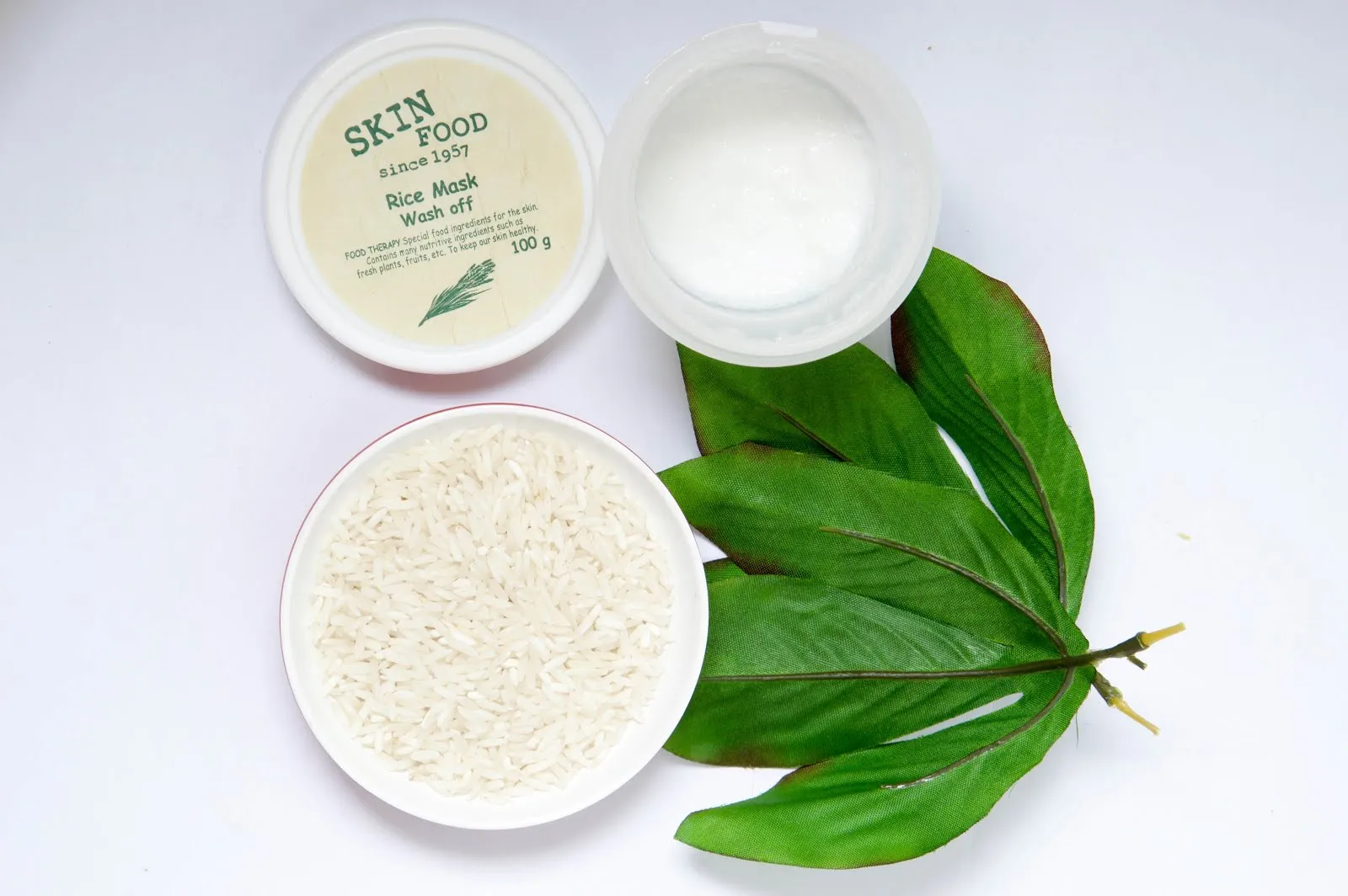
What is a Rice Mask and Why Use it
A rice mask is a skincare treatment that utilizes rice and its byproducts to improve skin health and appearance. It’s been used for centuries in various cultures, particularly in Asia, as a natural method for whitening and brightening the skin. The popularity of rice masks stems from their affordability, accessibility, and the belief in their gentle yet effective properties. Unlike some harsh chemical treatments, rice masks are generally considered suitable for various skin types, offering a more natural approach to achieving a radiant complexion. The primary reasons for using a rice mask include the desire for skin whitening, reducing dark spots, improving skin texture, and achieving a healthy glow, all while avoiding potentially harmful ingredients found in some commercial products. By incorporating a rice mask into your skincare routine, you’re opting for a time-tested, natural remedy that promises visible results.
The Science Behind Rice for Skin Whitening
The skin-whitening and brightening properties of rice are backed by scientific understanding. Rice contains several beneficial components that contribute to its efficacy. The primary active component is kojic acid, a natural compound produced during the fermentation process of rice. Kojic acid is a potent inhibitor of melanin production, the pigment responsible for skin color. By inhibiting melanin, kojic acid helps to lighten the skin and reduce the appearance of dark spots and hyperpigmentation. Rice is also rich in antioxidants, such as ferulic acid and vitamin E, which combat free radicals and protect the skin from environmental damage. These antioxidants prevent premature aging and promote a healthier, more youthful complexion. Furthermore, rice contains vitamins and minerals, including B vitamins, which contribute to skin cell turnover and overall skin health. These combined elements make rice a powerful and natural ingredient for achieving a brighter, more even skin tone.
How Rice Works on Skin

Rice works on the skin through a multifaceted approach, addressing several skin concerns simultaneously. The kojic acid present in rice acts as a tyrosinase inhibitor. Tyrosinase is an enzyme that catalyzes melanin production; inhibiting this enzyme reduces melanin synthesis, leading to skin lightening. Additionally, the antioxidants in rice neutralize free radicals, protecting the skin from oxidative stress and damage caused by UV radiation and pollution. This protective action prevents premature aging, sunspots, and other forms of skin discoloration. Rice also provides gentle exfoliation, helping to remove dead skin cells from the surface. This exfoliation improves skin texture, revealing a smoother, brighter complexion. Regular use of rice masks promotes skin cell turnover, encouraging the shedding of dull, pigmented cells and the growth of new, radiant skin cells. The vitamins and minerals in rice further nourish the skin, supporting its natural functions and enhancing its overall health and appearance. Rice’s combination of skin-lightening, antioxidant, and exfoliating properties makes it a comprehensive skincare solution.
Types of Rice Masks Recipes You Can Try
There are various types of rice masks, each offering a unique set of benefits depending on the additional ingredients used. One popular option is a simple rice flour and water mask, ideal for beginners due to its simplicity. Another common recipe involves mixing rice flour with milk or yogurt, which adds moisturizing properties and a gentle exfoliating effect. For those seeking enhanced whitening, honey and lemon juice can be incorporated, as honey has humectant properties, and lemon juice contains citric acid for brightening. Adding turmeric powder can boost the anti-inflammatory and antioxidant benefits of the mask. For individuals with sensitive skin, aloe vera gel can be added to soothe and hydrate the skin. Mixing rice with other ingredients such as egg whites (for tightening) or mashed avocado (for extra hydration) also provides customizable options. Experimentation allows you to tailor the mask to specific skin needs and preferences, maximizing the results achieved.
DIY Rice Mask Recipe for Whitening
Creating your own rice mask is a simple and rewarding process, allowing you to control the ingredients and tailor the treatment to your skin. The basic recipe involves combining rice flour with water to form a paste. For the DIY whitening version, you will need 2 tablespoons of rice flour, 1 tablespoon of milk (or yogurt), and ½ teaspoon of lemon juice. Begin by measuring the rice flour into a clean bowl, then gradually add the milk or yogurt, stirring to create a smooth, creamy consistency. Next, incorporate the lemon juice, mixing well to ensure all ingredients are evenly distributed. Adjust the consistency with more milk or rice flour if needed, aiming for a spreadable texture that will adhere to your skin. Before applying the mask, perform a patch test on a small area of your skin to check for any allergic reactions. This recipe is easy, quick, and utilizes readily available ingredients. This DIY approach ensures a fresh, all-natural treatment, free from harsh chemicals and suitable for regular use, contributing to brighter, more radiant skin.
Ingredients Needed
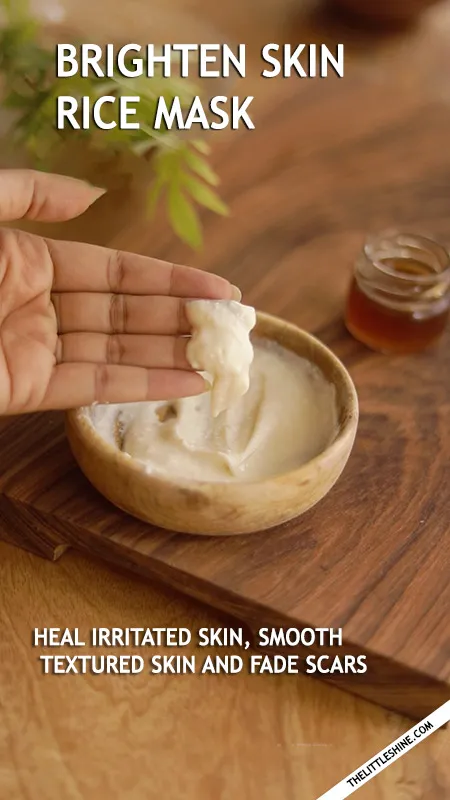
The key ingredients for a whitening rice mask are simple and accessible, making it easy to create a powerful skincare treatment at home. The foundation is rice flour, best made from grinding uncooked rice into a fine powder; this can be easily accomplished using a coffee grinder or food processor. Milk (or yogurt) serves as a moisturizing agent, helping to create a smooth, creamy paste that nourishes the skin. Yogurt also contains lactic acid, which provides a gentle exfoliating effect, assisting in removing dead skin cells and revealing a brighter complexion. Lemon juice, which contains citric acid, is a key ingredient for whitening, aiding in the reduction of dark spots and promoting a more even skin tone. Always choose fresh ingredients for the best results; quality is vital. For individuals with sensitive skin, it is essential to use a small amount of lemon juice or omit it entirely to avoid any irritation. All these ingredients work together to provide a synergistic effect, contributing to a healthier and more radiant complexion.
Step by Step Rice Mask Preparation
Preparing a rice mask involves a few simple steps that ensure the ingredients are combined effectively and ready for application. First, start by ensuring all utensils and surfaces are clean to prevent contamination. Measure the rice flour into a clean bowl. Next, gradually add the milk or yogurt, stirring constantly to create a smooth paste, making sure there are no lumps. Once the mixture has reached a creamy texture, carefully add the lemon juice. Mix well to ensure the ingredients are properly combined. If the mixture is too thick, add a little more milk or yogurt; if it is too thin, incorporate a little more rice flour. After creating the paste, the mask is ready for use. A properly prepared mask should have a consistency that is easy to apply, adheres well to the skin, and does not drip. Preparation is key to a successful and effective mask, and a well-made mask will yield the best results. Ensuring even consistency in your homemade mask promotes even application and the efficient delivery of beneficial ingredients.
Application Guide How to Use a Rice Mask
Preparing Your Skin

Proper preparation is essential to maximize the effectiveness of your rice mask. Before applying the mask, start by cleansing your face to remove any makeup, dirt, or oil. Use a gentle cleanser suitable for your skin type and pat your face dry with a clean towel. Exfoliating the skin before applying the mask can enhance its benefits. Exfoliation removes dead skin cells, which allows the mask’s ingredients to penetrate the skin more efficiently. You can use a gentle exfoliating scrub or a chemical exfoliant, depending on your skin’s tolerance. If you are applying the mask to open pores, consider using a warm compress for a few minutes to open them further. This step ensures your skin is ready to absorb the mask’s beneficial properties, contributing to a more effective and rejuvenating treatment. Properly prepared skin will result in improved absorption of the mask’s ingredients and improved overall results. Doing so will result in a more radiant complexion.
Applying the Mask
Applying a rice mask should be done carefully to ensure even coverage and optimal results. Using clean fingertips or a soft brush, apply an even layer of the mask to your face, avoiding the sensitive areas around the eyes and mouth. Start with a thin layer, working your way up to a slightly thicker one, ensuring full coverage across your face and neck. Once applied, let the mask sit for approximately 15–20 minutes, or until it begins to dry but remains somewhat moist. During this time, try to relax and avoid making facial expressions, as this can cause the mask to crack and flake off prematurely. Keeping the mask on for the recommended time allows the active ingredients to penetrate your skin fully. Applying the mask correctly is just as important as the mask itself; the proper application will help provide the greatest results. By maintaining even and full coverage and avoiding facial movements, you ensure an effective application that will contribute to a bright, radiant skin.
Rinsing and Aftercare
After the recommended time, it is essential to rinse off the rice mask properly. Use lukewarm water to gently massage your face in circular motions, helping to loosen the mask. Avoid using hot water, as it can dry out your skin. Rinse until all traces of the mask are removed, ensuring your skin is clean. Once the mask is completely rinsed off, pat your face dry with a soft, clean towel. Applying a moisturizer is a crucial step. Choose a moisturizer suitable for your skin type to hydrate and lock in the benefits of the mask. Applying a sunscreen with SPF 30 or higher is also essential, especially if you are using the mask during the day, as the skin may be more sensitive to the sun. Following these rinsing and aftercare steps helps to soothe your skin and prevent any potential dryness or irritation. Aftercare ensures that the benefits of the rice mask are maintained, promoting a healthy, radiant complexion.
Benefits of Rice Masks for Whitening

Rice masks provide a range of benefits beyond just skin whitening. Regular use can significantly improve skin texture, reducing the appearance of pores and creating a smoother, more refined complexion. The gentle exfoliation provided by rice flour removes dead skin cells, which promotes cell turnover and prevents build-up, leading to less noticeable pores. The whitening properties of rice masks can help to fade dark spots and reduce hyperpigmentation, giving the skin a more even tone. Over time, the antioxidant-rich rice extract can help reduce the signs of aging, such as fine lines and wrinkles, by protecting against environmental damage. Consistent use of a rice mask can also help with acne. The anti-inflammatory properties in rice can calm irritated skin. Rice masks offer a versatile and natural solution for enhancing the skin’s overall health and appearance, promoting a brighter, more youthful look.
Whitening and Brightening Effects
The most sought-after benefit of rice masks is their ability to whiten and brighten the skin. The kojic acid, a natural compound found in rice, inhibits melanin production, reducing the appearance of dark spots, acne scars, and hyperpigmentation. Consistent use of a rice mask can lead to a more even skin tone and a reduction in overall skin discoloration. Rice masks help to remove dead skin cells, revealing a brighter, more radiant complexion. The brightening effects are often noticeable after just a few uses, with the skin appearing more luminous and healthy. Over time, the cumulative effects of regular application can dramatically transform the skin, making it appear visibly lighter and more vibrant. This makes rice masks an appealing option for those seeking natural and effective skin-whitening solutions. Rice mask is a simple yet powerful method for achieving a brighter, more youthful appearance and achieving a more even skin tone, improving your overall self-confidence.
Reducing Dark Spots and Hyperpigmentation
Rice masks excel at reducing dark spots and hyperpigmentation, conditions that cause uneven skin tones. The kojic acid in rice is a potent melanin inhibitor, significantly reducing the production of pigment and minimizing the appearance of dark spots. Consistent use of a rice mask will help to fade existing spots and prevent new ones from forming. Regular use results in visibly lighter, more even-toned skin, with reduced areas of discoloration. Rice masks are suitable for all skin types, offering a gentle yet effective approach to treating hyperpigmentation, unlike some harsh chemical treatments. Continued use will provide a more uniform complexion, leading to a smoother, more radiant appearance. By integrating rice masks into your regular skincare regime, you can achieve noticeable improvements in your skin’s overall tone and texture and reduce the visibility of dark spots and hyperpigmentation effectively.
Exfoliation and Skin Texture Improvement
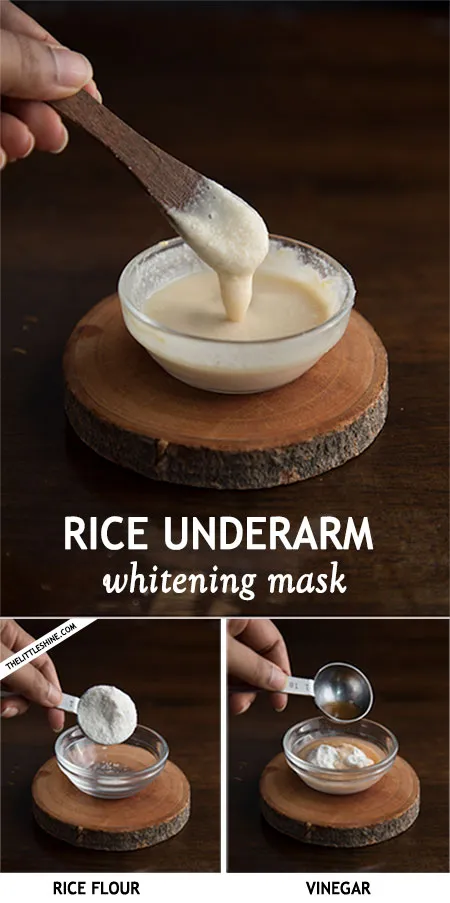
Beyond whitening, rice masks offer significant exfoliation and skin texture improvements. The slightly abrasive nature of rice flour gently removes dead skin cells, which can lead to a smoother, more refined complexion. This exfoliation helps unclog pores and prevent breakouts. Regular exfoliation can also reduce the appearance of fine lines and wrinkles by promoting cell turnover. By removing dead skin cells, rice masks allow skincare products to penetrate more deeply and effectively. Improved texture and an enhanced glow are a natural result of this exfoliation. The overall effect is skin that looks and feels healthier, smoother, and more radiant. Using a rice mask as part of your regular skincare routine is a practical and beneficial method for improving the overall look of your skin. The exfoliating action makes it a valuable addition to anyone looking to achieve a smoother, more even skin tone.
Addressing Potential Side Effects and Solutions
While rice masks are generally safe, some potential side effects need consideration. It’s important to be aware of these to ensure the best possible skincare experience. Always perform a patch test before applying a mask to your entire face to check for potential allergic reactions. While rice is generally well-tolerated, individual sensitivities can vary. Redness, irritation, or itching are possible signs of an allergic reaction. If you experience these symptoms, discontinue use immediately and consult a dermatologist. Overuse can also lead to skin sensitivity; using rice masks too frequently can disrupt the skin’s natural barrier, causing dryness or irritation. It is best to start with a few times a week and gradually increase the frequency based on your skin’s response. Proper preparation, correct application, and awareness of your skin’s individual needs are essential for enjoying the benefits of rice masks while minimizing potential risks.
Allergy Considerations
Although rice masks are usually well-tolerated, allergic reactions are always a possibility. Symptoms of an allergic reaction include redness, itching, swelling, or the development of a rash. If you experience any of these, stop using the mask immediately and consult with a healthcare professional or dermatologist. It’s essential to test a small area of skin before applying the mask to the entire face. This helps identify any potential sensitivities. If you have known allergies to rice or any of the other ingredients (such as milk, yogurt, or lemon juice), it’s especially important to avoid using those ingredients. Choosing hypoallergenic or alternative ingredients can minimize the risk of reaction. Always be mindful of your skin’s reaction to the mask, and never ignore any signs of irritation or discomfort. Doing so will ensure a safe and enjoyable skincare experience.
Overuse and Skin Sensitivity
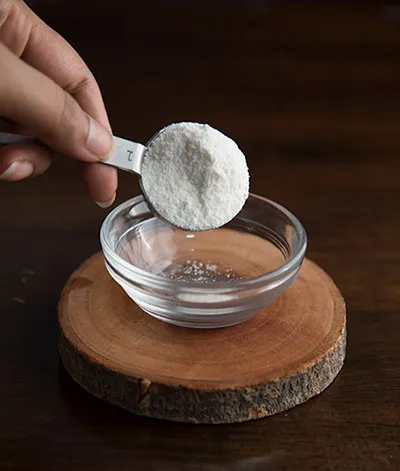
Overusing rice masks can lead to skin sensitivity, causing dryness, irritation, or an imbalance in the skin’s natural moisture barrier. The exfoliating properties of rice flour, when used too frequently, can remove too many dead skin cells, leaving the skin vulnerable to environmental irritants. This can result in redness, itching, and a feeling of tightness. To avoid this, start by using the mask once or twice a week, and gradually increase the frequency as your skin becomes accustomed to it. Pay attention to how your skin feels and responds; if you notice increased sensitivity or dryness, reduce the frequency of use. Proper moisturizing is vital to counter the effects of exfoliation and ensure your skin remains hydrated. When incorporating rice masks into your skincare routine, be mindful of your skin’s response, and adjust your usage accordingly. Balancing the frequency of use with the skin’s need for moisture will maximize benefits and minimize potential sensitivity issues.
Maximizing Results with Rice Masks
To maximize the results of rice masks, integrating them into a holistic skincare routine is essential. Ensure you cleanse your face thoroughly before applying the mask to remove impurities and create a clean base for the treatment. Exfoliate your skin gently once or twice a week to remove dead skin cells, enhancing the mask’s effectiveness. After rinsing off the mask, apply a hydrating moisturizer to replenish moisture and lock in the benefits. Sun protection is crucial; apply a broad-spectrum sunscreen with SPF 30 or higher daily, especially after using the mask. A healthy lifestyle, including a balanced diet, adequate hydration, and sufficient sleep, also supports skin health. Consistent use is key; for best results, make rice masks a regular part of your skincare routine. Combine the use of rice masks with other skincare products to create a comprehensive approach to achieving radiant and healthy skin.
Frequency of Use
The frequency of using a rice mask depends on your skin type and needs. For those with normal skin, using a rice mask 2-3 times a week may yield the best results. If you have sensitive or dry skin, starting with once a week and gradually increasing the frequency can help you avoid over-exfoliation and dryness. For oily skin, using a rice mask up to three times a week can help control oil production and reduce breakouts. Always observe your skin’s reaction and adjust the frequency accordingly. Over time, as your skin becomes accustomed to the mask, you may find that you can increase the frequency to meet your skincare goals. Paying attention to how your skin responds to the treatment is crucial; if you experience any dryness, irritation, or other adverse reactions, adjust the frequency or consider other treatments. It is important to consider the right schedule and monitor skin conditions closely to get the best results and maintain a healthy complexion.
Combining Rice Masks with Other Skincare
Combining rice masks with other skincare products can amplify their effects and address a broader range of skin concerns. After rinsing off the rice mask, apply a serum containing antioxidants, such as vitamin C, to enhance its brightening and protective effects. Use a gentle, hydrating toner to balance your skin’s pH and prepare it for the next steps. Follow up with a moisturizer tailored to your skin type. For added hydration, use a hyaluronic acid serum before moisturizing to lock in moisture. If you are focusing on anti-aging, incorporate products containing retinol or peptides, which help to boost collagen production and reduce fine lines. It’s important to introduce new products gradually to avoid irritation. Always perform a patch test to ensure that the new products don’t cause adverse reactions. Coordinating rice masks with compatible skincare products will improve the overall results and help you achieve a more radiant and healthy complexion. Rice masks function well with almost every skincare product.
Tips for Maintaining Radiant Skin
Maintaining radiant skin involves adopting a comprehensive approach to skincare, going beyond just the rice mask itself. A consistent skincare routine is the cornerstone of maintaining radiant skin. Cleanse, exfoliate, treat, and moisturize your skin daily. Protect your skin from sun damage by wearing sunscreen daily, even on cloudy days. A healthy diet, rich in antioxidants, vitamins, and minerals, plays a crucial role in skin health; eating plenty of fruits, vegetables, and lean proteins. Drinking sufficient water helps to hydrate the skin from the inside out. Get adequate sleep; aim for 7-8 hours of quality sleep each night. Manage stress through relaxation techniques like meditation or yoga, as stress can negatively impact skin health. Avoid smoking and excessive alcohol consumption. Using rice masks regularly and combining them with these tips will contribute to a healthy, glowing complexion.