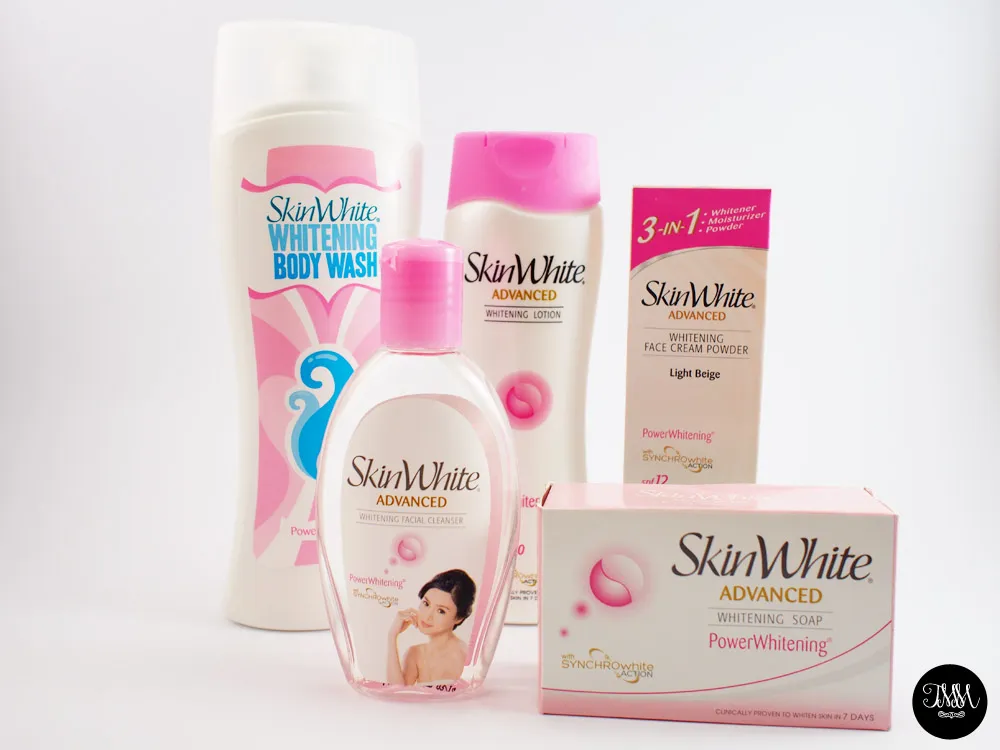
Understanding Skin Whitening in Manila
Skin whitening is a popular cosmetic procedure in Manila, Philippines, with many individuals seeking to lighten their skin tone for various reasons. This practice involves different methods aiming to reduce melanin production or remove existing pigmentation. While the desire for lighter skin can be attributed to several factors, it’s essential to approach skin whitening with a clear understanding of the procedures, potential risks, and the importance of professional guidance.
The Popularity of Skin Whitening in Manila
The popularity of skin whitening in Manila is influenced by a combination of societal and cultural factors. In many parts of the world, including the Philippines, lighter skin is often associated with beauty, higher social status, and greater opportunities. This perception, driven by media representation and cultural norms, has led many Filipinos to seek skin whitening treatments to achieve a lighter complexion. Increased awareness of beauty trends and the availability of various cosmetic procedures have further fueled the demand.
Cultural Influences on Skin Whitening

Cultural influences play a significant role in the widespread acceptance of skin whitening practices in Manila. Historical and colonial legacies have often linked lighter skin to beauty standards. Additionally, media portrayals and the influence of celebrities further reinforce these perceptions. It’s important to acknowledge that while skin whitening is deeply ingrained in the culture, it is essential to ensure safety, ethical practices, and informed decision-making when considering these treatments.
Top Skin Whitening Methods in Manila
Method 1 Topical Creams
Topical creams containing ingredients such as hydroquinone, retinoids, and kojic acid are commonly used in Manila for skin whitening. These creams work by inhibiting melanin production, the pigment responsible for skin color. The effectiveness of these creams can vary depending on the active ingredients, concentration, and the individual’s skin type. It is very important to be cautious and always consult a dermatologist before using these creams.
Benefits of Topical Creams

Topical creams are relatively accessible and can be used at home, making them a convenient option for those seeking skin whitening. They can be effective for reducing dark spots, evening out skin tone, and lightening the overall complexion over time. The benefits can be more noticeable for individuals with mild pigmentation issues. Always follow your dermatologist’s instruction to ensure a safe and effective outcome.
Choosing the Right Topical Cream
Choosing the right topical cream involves considering your skin type, the specific ingredients, and potential side effects. Always consult a dermatologist to determine the most suitable cream for your skin. When choosing a cream, consider the concentration of active ingredients and ensure that the product is from a reputable brand. Check for any allergic reactions by applying the cream to a small area of your skin. If any irritation occurs, stop the use and seek your dermatologist’s advice.
Method 2 Glutathione Injections
Glutathione injections are a popular skin whitening method in Manila. Glutathione is a powerful antioxidant that helps detoxify the body and can also lighten the skin. The injections are administered intravenously and are believed to reduce melanin production. While many people use glutathione injections, the efficacy and safety of this method are subjects of ongoing medical debate. It is crucial to be fully informed before undergoing this treatment.
How Glutathione Works

Glutathione works by inhibiting the production of melanin, which results in a reduction of skin pigmentation. By binding to tyrosinase, an enzyme involved in melanin synthesis, glutathione helps shift the production of melanin from dark (eumelanin) to light (pheomelanin). This process can lead to a gradual lightening of the skin tone. Results may vary depending on the individual’s metabolism and skin type. Regular injections are usually required to maintain the desired effects.
Risks and Considerations of Glutathione
Glutathione injections carry potential risks, including allergic reactions, infections, and liver problems. The FDA has not approved glutathione for skin whitening, and the long-term effects are not fully understood. It’s essential to consult with a qualified medical professional before considering glutathione injections. Always ensure the injections are administered by a licensed professional in a sterile environment to minimize risks. Be aware of possible side effects and discuss them thoroughly with your doctor.
Method 3 Laser Treatments
Laser treatments offer a more advanced approach to skin whitening in Manila. Various laser technologies, such as Q-switched lasers and fractional lasers, target melanin in the skin, leading to a reduction in pigmentation. These treatments are often used to treat dark spots, uneven skin tone, and melasma. Laser treatments typically require multiple sessions to achieve the desired results, and the cost can vary depending on the technology and the clinic.
Types of Laser Treatments Available

Several laser treatments are available in Manila for skin whitening. Q-switched lasers are effective for treating age spots, sunspots, and other forms of hyperpigmentation. Fractional lasers stimulate collagen production, leading to skin rejuvenation and a more even skin tone. Intense Pulsed Light (IPL) treatments can also be used to reduce pigmentation and improve overall skin appearance. The choice of laser depends on the skin type, the specific concern, and the desired outcome.
What to Expect During Laser Sessions
During laser sessions, a topical anesthetic may be applied to minimize discomfort. The laser targets the melanin in the skin, breaking it down and causing the pigmented cells to fade. Patients may experience a slight stinging or burning sensation during the procedure. After the treatment, the skin may be red and swollen. Following the dermatologist’s aftercare instructions, including sun protection, is essential to ensure optimal healing and results. Multiple sessions may be necessary to achieve the desired effects.
Method 4 Chemical Peels
Chemical peels use chemical solutions to exfoliate the skin, removing the damaged outer layers and promoting the growth of new, evenly pigmented skin. In Manila, chemical peels are used to treat various skin concerns, including dark spots, uneven skin tone, and melasma. The depth of the peel can vary from superficial to deep, depending on the chemical solution used and the desired outcome. It is crucial to consult a dermatologist to determine the right type of peel for your skin type.
Different Types of Chemical Peels

Chemical peels come in different strengths, ranging from superficial peels to deep peels. Superficial peels, often using alpha-hydroxy acids (AHAs) like glycolic acid, are suitable for mild pigmentation issues and require minimal downtime. Medium-depth peels, such as those using trichloroacetic acid (TCA), penetrate deeper and can address more significant concerns. Deep peels, the strongest type, provide the most dramatic results but also involve longer recovery periods and greater risks. Your dermatologist will select the best peel type based on your specific skin condition and desired outcome.
Post-Peel Care and Maintenance
Post-peel care is essential for ensuring the best results and preventing complications. Following the dermatologist’s instructions on cleansing, moisturizing, and sun protection is crucial. Avoid picking or scratching the treated skin, and use gentle skincare products. Sun protection is especially important, as the new skin is more susceptible to sun damage. Regular follow-up appointments with your dermatologist are recommended to monitor progress and manage any side effects.
Method 5 Microdermabrasion
Microdermabrasion is a non-invasive procedure that exfoliates the skin, removing dead skin cells and promoting new cell growth. It’s often used in Manila to improve skin texture, reduce the appearance of fine lines, and lighten mild pigmentation issues. Microdermabrasion is a relatively gentle treatment that usually requires no downtime, making it a popular choice for those seeking a quick and effective skin rejuvenation procedure.
The Microdermabrasion Process

During microdermabrasion, a handheld device emits fine crystals or uses a diamond-tip wand to gently exfoliate the skin’s surface. This process removes the outer layer of dead skin cells, revealing fresh, new skin. The treatment is typically painless, although some people may experience a mild tingling sensation. The duration of a microdermabrasion session is usually short, and patients can often resume their regular activities immediately afterward. Multiple sessions are often needed to achieve the best results.
Benefits and Limitations of Microdermabrasion
Microdermabrasion can improve skin texture, reduce the appearance of fine lines, and lighten mild pigmentation issues. It is a good option for those seeking a gentle, non-invasive treatment with minimal downtime. However, it may not be effective for deeper pigmentation problems or significant skin concerns. Results vary depending on the individual’s skin type and the severity of the condition. Consult your dermatologist to determine if microdermabrasion is right for you and to set realistic expectations.
Method 6 Natural Remedies and Home Care
Many individuals in Manila explore natural remedies and home care methods for skin whitening. These approaches often involve using natural ingredients like lemon juice, turmeric, and honey. While these methods are often affordable and accessible, it’s very important to approach these treatments with caution, as their effectiveness can vary, and they may not be suitable for all skin types. It is always advisable to conduct a patch test before applying any new ingredient to your skin to prevent potential allergic reactions.
Effective Natural Ingredients
Several natural ingredients are commonly used in Manila for skin whitening. Lemon juice contains citric acid, a natural bleaching agent, that can help lighten skin tone. Turmeric, with its anti-inflammatory properties, is often used in face masks to reduce pigmentation. Honey can moisturize and soothe the skin while providing mild lightening effects. Always dilute these ingredients properly and use them with caution, especially if you have sensitive skin. It is always important to monitor your skin’s reaction and stop using any product that causes irritation.
DIY Skin Whitening Masks
DIY skin whitening masks are a popular home treatment in Manila. Common recipes include mixing lemon juice and honey, turmeric and yogurt, or oatmeal and milk. These masks can be applied to the skin for a specified time, then rinsed off. While these masks may offer some skin-lightening effects, it’s essential to perform a patch test first to check for any allergic reactions. The results from DIY masks can vary, and consistent use is usually necessary to see any noticeable improvement. For best results, it’s recommended to consult with a dermatologist.
Method 7 Professional Skin Whitening Clinics
Professional skin whitening clinics in Manila offer a range of treatments administered by trained professionals. These clinics provide access to advanced technologies, such as laser treatments and chemical peels, and a comprehensive approach to skin whitening. Choosing a reputable clinic is crucial to ensure safe and effective treatments. Clinics usually offer consultation with a dermatologist to assess your skin condition and to determine the most appropriate treatments.
Finding a Reputable Clinic
Finding a reputable skin whitening clinic in Manila involves researching the clinic’s credentials, reviewing client testimonials, and checking for the dermatologist’s qualifications. Look for clinics that employ licensed dermatologists and experienced technicians. Ensure the clinic uses advanced technologies and follows strict hygiene protocols. Reading online reviews and seeking recommendations from friends or family can provide valuable insights. Make sure the clinic offers a consultation before any treatments to determine if it is the right one for you.
What to Look for in a Clinic
When choosing a skin whitening clinic, consider the clinic’s expertise, the range of treatments offered, and the aftercare provided. Ensure the clinic offers a comprehensive consultation to assess your skin type and concerns. Inquire about the specific procedures, potential risks, and expected outcomes. Check for a clean, professional environment and experienced staff. A reputable clinic will provide detailed instructions for post-treatment care and offer follow-up appointments to monitor your progress and address any concerns.
Risks and Considerations for Skin Whitening in Manila
Potential Side Effects and Risks
Skin whitening treatments carry potential risks, including skin irritation, hyperpigmentation, and scarring. Topical creams containing hydroquinone can cause skin thinning and sensitivity. Glutathione injections may lead to allergic reactions and infections. Laser treatments can result in burns, blisters, and changes in skin texture. Chemical peels can cause redness, peeling, and sun sensitivity. Thoroughly discuss all potential risks with your doctor before considering any procedure. Always be informed about possible side effects and consult with a medical professional.
Consulting with a Dermatologist
Consulting with a dermatologist is essential before undergoing any skin whitening treatment. A dermatologist can assess your skin type, evaluate your skin concerns, and recommend the most suitable treatment options. They can also inform you about the potential risks and benefits of each procedure. A dermatologist will also discuss realistic expectations and provide personalized advice for achieving your desired results. Always seek advice from a medical professional to ensure safe and effective skin care.
Maintenance and Aftercare
Maintaining Results After Treatment
Maintaining the results of skin whitening treatments requires consistent aftercare. Regular use of sunscreen with a high SPF is crucial to protect the skin from sun damage and prevent the reappearance of pigmentation. Following your dermatologist’s skincare routine, which may include using specific creams or serums, is essential. Regular maintenance treatments may be necessary to sustain the desired results. Always follow the advice of a dermatologist to make sure your skin health is prioritized.
Sun Protection and Skincare Routine
Sun protection is paramount in maintaining the results of skin whitening treatments. Apply a broad-spectrum sunscreen with an SPF of 30 or higher every day, even on cloudy days. Reapply sunscreen every two hours, especially if you are outdoors. Incorporate a gentle skincare routine, including cleansing, moisturizing, and using products that support skin health. Avoid excessive sun exposure and use protective clothing to shield your skin. A consistent skincare routine is key to ensuring long-term results and maintaining healthy, radiant skin.