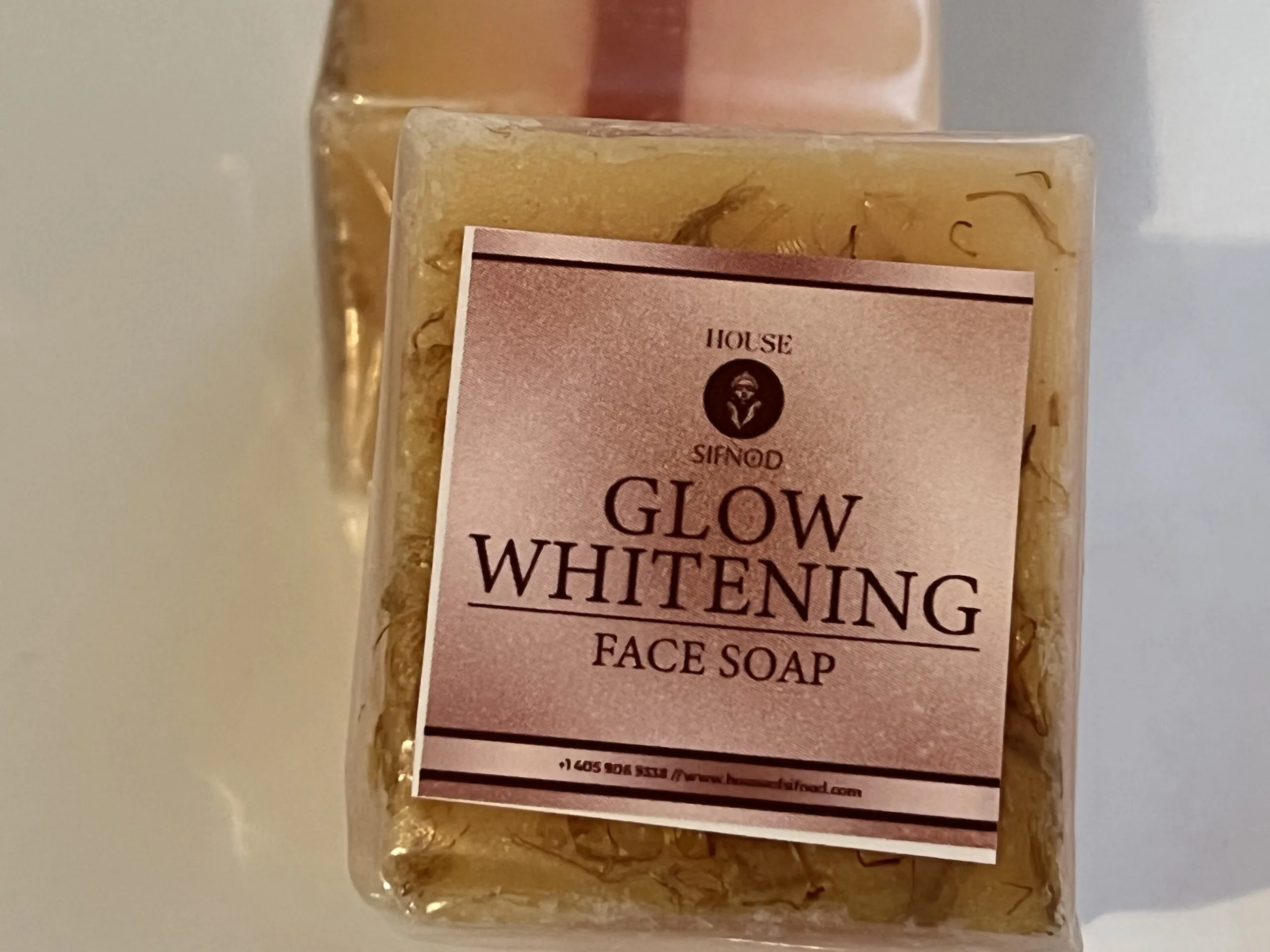
What to Consider When Choosing Skin Whitening Soap for Your Face
Choosing the right skin whitening soap for your face is a crucial step in achieving a brighter and more even complexion. The market is flooded with products promising miraculous results, but not all are created equal. Making an informed decision involves understanding your skin type, knowing the ingredients, and being aware of potential risks. This guide provides a comprehensive overview of factors to consider, helping you navigate the choices and select a soap that aligns with your needs and skin health. Consider your skin’s unique characteristics and sensitivities before making a selection. This helps to avoid irritation or adverse reactions and maximize the effectiveness of the soap. Proper usage and incorporating additional skincare practices also contribute to achieving desired outcomes while maintaining skin health.
Skin Type and Sensitivity
Your skin type is the cornerstone of your skincare routine. Determining whether you have oily, dry, or sensitive skin is essential because the soap that works wonders for one person could be disastrous for another. Oily skin, for example, might benefit from a soap with stronger cleansing properties to control excess oil production. Conversely, dry skin will require a soap that offers significant moisturizing benefits to prevent further dryness and irritation. Sensitivity adds another layer of complexity, as those with sensitive skin need to be extremely cautious about the ingredients to avoid redness, itching, or breakouts. Paying attention to your skin type and any existing sensitivities will guide you towards products that nurture your skin, promoting a healthy and radiant complexion.
Oily Skin Considerations

If you have oily skin, the goal is to find a skin whitening soap that effectively cleanses without stripping away essential moisture. Look for soaps that contain ingredients like salicylic acid or tea tree oil, known for their ability to control oil production and prevent breakouts. Ensure that the soap lathers well to remove excess sebum, but avoid overly harsh formulations that could trigger your skin to produce even more oil to compensate for dryness. It’s also beneficial to consider soaps that include gentle exfoliants to remove dead skin cells, which can clog pores. Always follow up with a light, oil-free moisturizer to keep your skin hydrated and balanced. Selecting the right soap is key to managing oily skin, reducing shine, and promoting a clearer complexion.
Dry Skin Considerations
Dry skin requires a skin whitening soap that prioritizes hydration and moisture retention. Choose soaps that are enriched with moisturizing ingredients like hyaluronic acid, glycerin, or shea butter. These ingredients help to draw moisture into the skin and create a protective barrier, preventing water loss. Avoid soaps containing harsh chemicals, alcohol, or strong fragrances, as these can strip away natural oils and exacerbate dryness. Instead, opt for creamy, emollient-rich formulations that gently cleanse while providing essential hydration. Following the use of the soap, it’s vital to apply a rich, hydrating moisturizer to lock in moisture and keep your skin feeling soft and supple. Using these methods will ensure your dry skin remains healthy, hydrated, and comfortable.
Sensitive Skin Considerations
Sensitive skin demands extra caution when choosing a skin whitening soap. It is crucial to select soaps that are hypoallergenic and free from potential irritants like artificial fragrances, dyes, and harsh preservatives. Look for soaps with soothing ingredients like aloe vera or chamomile, which can help calm and protect the skin. Always perform a patch test before applying the soap to your entire face. Apply a small amount to an inconspicuous area, such as behind your ear or on your inner arm, and wait 24-48 hours to check for any adverse reactions. Opt for fragrance-free products, as these are less likely to cause irritation. By paying close attention to the ingredient list and prioritizing gentle formulations, you can reduce the risk of redness, itching, or breakouts, ensuring your skin whitening journey is safe and comfortable.
Ingredients to Look For

The effectiveness of skin whitening soap largely depends on its ingredients. Choosing a soap with the right components can make a significant difference in the results you achieve and the overall health of your skin. When selecting a skin whitening soap, it’s essential to be informed about the active and supporting ingredients that will contribute to your desired outcome. Focusing on ingredients that are proven to lighten skin and incorporating those that offer additional benefits, such as moisturization and soothing properties, ensures that your choice supports both your aesthetic goals and the well-being of your skin. This thorough knowledge empowers you to make an educated choice, creating a product that is effective and suitable for your individual skin needs.
Effective Whitening Agents
Several ingredients are known for their skin-lightening properties. These agents work by reducing melanin production, which is responsible for skin pigmentation. Some of the most effective ingredients include kojic acid, which is derived from fungi and inhibits melanin formation; arbutin, a natural compound that lightens skin; and vitamin C, a potent antioxidant that also brightens skin and helps protect against damage. Another popular choice is glutathione, an antioxidant with skin-lightening effects. When selecting a soap, ensure that it contains one or more of these active ingredients at effective concentrations, as this will significantly boost its ability to lighten and even out skin tone. Be aware that these ingredients’ effectiveness can vary depending on the concentration and formulation of the soap.
Moisturizing and Soothing Ingredients
Alongside whitening agents, the best skin whitening soaps also include moisturizing and soothing ingredients to keep your skin healthy and comfortable. Look for ingredients like hyaluronic acid, which attracts and retains moisture; glycerin, a humectant that hydrates the skin; and shea butter or cocoa butter, which are rich emollients that soften and protect the skin. Aloe vera, chamomile, and green tea extract are excellent choices for soothing sensitive skin and reducing inflammation. These ingredients work together to offset the potentially drying effects of whitening agents, maintaining your skin’s natural balance. Selecting soaps with a combination of whitening and moisturizing agents ensures a more comfortable and effective skincare experience, leading to a brighter, healthier complexion.
Ingredients to Avoid

While some ingredients can be beneficial, others should be avoided in skin whitening soaps because they can cause irritation or pose health risks. The best approach is to carefully review the ingredient list and steer clear of those that are known to be problematic. Understanding which substances to avoid is as important as knowing which to look for, because it protects your skin from potential harm and ensures the product aligns with your skincare goals. This awareness will guide you towards products that prioritize your skin health and overall well-being.
Harsh Chemicals
Certain harsh chemicals should be avoided in skin whitening soaps due to their potential to irritate the skin and cause long-term damage. Hydroquinone is a controversial ingredient that, while effective in lightening skin, can cause ochronosis, a condition that results in a bluish-black discoloration of the skin. Mercury, another common ingredient in some soaps, is highly toxic and can lead to severe health problems. Other chemicals to watch out for include strong sulfates (like sodium lauryl sulfate), which can strip your skin of its natural oils, and parabens, which are preservatives that have been linked to allergic reactions. Always scrutinize the ingredient list, and opt for soaps free from these harsh chemicals to ensure your safety and skin health.
Potential Irritants
Beyond harsh chemicals, several ingredients can cause irritation, especially for sensitive skin. Artificial fragrances and dyes are common culprits, as they can trigger allergic reactions and skin sensitivities. Alcohol, particularly denatured alcohol, can dry out your skin, leading to irritation and discomfort. Strong exfoliants, such as high concentrations of AHAs or BHAs, may be too aggressive for sensitive skin types, causing redness and inflammation. Always choose fragrance-free, dye-free soaps, and opt for gentler formulations. If you are unsure about an ingredient, perform a patch test. By carefully choosing products that minimize irritants, you can maintain your skin’s health and reduce the risk of adverse reactions, making your skincare routine safe and comfortable.
How to Properly Use Skin Whitening Soap

Proper use of skin whitening soap is crucial for achieving the best results and minimizing potential side effects. Understanding the correct application techniques, frequency of use, and the importance of patch testing can make a significant difference in your skincare journey. These best practices maximize the benefits of the soap while protecting your skin from unnecessary harm. Effective and safe use of the product begins with careful steps and integrating them into your daily routine. This will help you navigate the process with confidence, ensuring you achieve a brighter and more even complexion while keeping your skin healthy.
Patch Testing
Before using any new skin whitening soap on your entire face, it’s essential to perform a patch test. This simple step helps determine if the soap will cause any adverse reactions, such as redness, itching, or irritation. To do a patch test, apply a small amount of the soap to an inconspicuous area of your skin, such as behind your ear or on your inner arm. Leave the soap on this area for the recommended time. Then, rinse it off and wait 24 to 48 hours to observe for any reactions. If you experience any negative effects, discontinue use of the soap. If there are no adverse reactions, you can proceed with applying the soap to your face. This patch test is a crucial safety precaution that can prevent discomfort and potential skin damage.
Application Techniques
The way you apply skin whitening soap can affect its effectiveness and impact on your skin. Wet your face with lukewarm water. Lather the soap in your hands or on a washcloth, and gently apply the lather to your face using circular motions. Avoid scrubbing vigorously, as this can irritate the skin. Focus on areas where you want to lighten the skin or even out the tone. Leave the soap on your face for the recommended time, which is usually indicated on the product label. Rinse your face thoroughly with lukewarm water to remove all traces of the soap. Gently pat your skin dry with a soft towel. After washing, apply a moisturizer appropriate for your skin type to keep it hydrated. Consistent use of proper application techniques ensures you get the most out of your skin whitening soap while keeping your skin healthy.
Frequency of Use

The frequency with which you use skin whitening soap depends on the product’s formulation and your skin’s sensitivity. Start with a conservative approach, such as using the soap once a day, usually in the evening. This allows you to monitor how your skin reacts and adjust the frequency accordingly. If your skin tolerates the soap well without any irritation, you may gradually increase the frequency to twice a day, once in the morning and once in the evening. Be mindful of any changes in your skin, such as dryness, redness, or irritation. If any of these occur, reduce the frequency of use or consult a dermatologist. Consistency is important, but so is listening to your skin’s needs. It’s more important to keep your skin safe and healthy, because it will ensure you continue to achieve your skin-whitening goals.
Additional Skincare Practices
Integrating additional skincare practices into your routine can significantly enhance the effectiveness of skin whitening soap and improve your overall skin health. From protecting your skin from sun damage to providing essential hydration, these practices work synergistically with the soap to achieve the best results. By incorporating these steps, you create a holistic approach to skincare, which promotes a brighter complexion and keeps your skin healthy, balanced, and radiant. Consider the following additional skincare practices to maximize your skin whitening efforts.
Sun Protection
Sun protection is a non-negotiable step in any skin whitening routine. Exposure to the sun can darken the skin, counteract the effects of skin whitening treatments, and cause long-term damage. Therefore, it is crucial to protect your skin from harmful UV rays. Apply a broad-spectrum sunscreen with an SPF of 30 or higher every morning, even on cloudy days. Reapply sunscreen every two hours, especially if you are spending time outdoors or swimming. Wear protective clothing, such as wide-brimmed hats and long sleeves, and seek shade during peak sun hours (10 AM to 4 PM). Consistent sun protection will not only help maintain your skin whitening results, but also prevent premature aging, sunspots, and skin cancer. By making sun protection a priority, you’ll safeguard your skin health and keep it looking its best.
Exfoliation

Exfoliation is an essential practice that complements the use of skin whitening soap by removing dead skin cells, allowing the soap to penetrate deeper and work more effectively. Exfoliation also promotes cell turnover, which helps to reveal a brighter and more even complexion. You can exfoliate your skin using physical exfoliants, such as scrubs with small, gentle particles, or chemical exfoliants, such as AHAs or BHAs. When using scrubs, be careful not to scrub too hard, as this can irritate the skin. If you opt for chemical exfoliants, start with a low concentration and gradually increase the strength as your skin adapts. Exfoliate your skin once or twice a week, depending on your skin type and sensitivity. By incorporating exfoliation, you will enhance the efficacy of your skin whitening soap and achieve faster, more noticeable results.
Hydration
Keeping your skin well-hydrated is key to maintaining its health and enhancing the effects of skin whitening treatments. Hydrated skin is more receptive to active ingredients and looks brighter and more radiant. Drink plenty of water throughout the day to hydrate your skin from the inside out. Use a hydrating moisturizer after cleansing your face with skin whitening soap, especially if the soap has drying properties. Look for moisturizers that contain humectants, such as hyaluronic acid, to attract and retain moisture, and emollients, such as ceramides, to reinforce the skin’s protective barrier. Applying a moisturizer twice a day, in the morning and evening, will help keep your skin supple and prevent dryness. By ensuring that your skin remains hydrated, you’ll optimize the results of your skin whitening soap and promote a healthy, glowing complexion.
What to Expect and Realistic Outcomes
Setting realistic expectations is essential when starting a skin whitening journey. Understanding what to expect and the limitations of skin whitening soap helps prevent disappointment and ensures you approach your skincare routine with a balanced perspective. Managing your expectations allows you to appreciate the progress you make and make well-informed decisions that support your skincare goals. Being realistic promotes a positive experience, enabling you to achieve the best possible results while keeping your skin healthy and protected. Consider these crucial factors that influence the outcomes of skin whitening.
Benefits of Skin Whitening Soap for the Face
Skin whitening soap can offer several benefits for the face, leading to a brighter and more even complexion. Regular use can help lighten dark spots, reduce the appearance of hyperpigmentation, and even out skin tone. Many skin whitening soaps also have exfoliating properties, which help remove dead skin cells and reveal smoother, more radiant skin. Additionally, some soaps contain moisturizing ingredients that keep the skin hydrated and supple. By addressing these concerns, skin whitening soaps can enhance overall skin health, giving the face a more youthful, glowing appearance. However, it is important to choose the right soap and use it correctly to avoid potential side effects and maximize the benefits. Always follow the recommended guidelines for product use to see the best results.
Potential Risks and Side Effects
While skin whitening soap can offer benefits, it is important to be aware of the potential risks and side effects. The use of harsh chemicals, such as hydroquinone and mercury, can lead to skin irritation, ochronosis, and other serious health problems. Some people may experience dryness, redness, or peeling, especially if they have sensitive skin or use the soap too frequently. Overuse or improper use can also disrupt the skin’s natural barrier, making it more susceptible to environmental damage. Therefore, carefully reviewing the ingredients, performing patch tests, and following the manufacturer’s instructions are crucial. If you experience any adverse reactions, discontinue use immediately and consult a dermatologist. By staying informed and taking precautions, you can minimize the risks and maintain your skin’s health and well-being.
Finding the Right Product for You
Finding the right skin whitening soap for your face involves a combination of research, self-assessment, and patience. First, determine your skin type and any sensitivities you may have. Next, research the ingredients and look for those known to be effective and safe, such as kojic acid, arbutin, and vitamin C. Read reviews from other users, but keep in mind that individual results can vary. Perform a patch test before using the soap on your entire face, and carefully follow the instructions on the product label. Be patient, as it may take several weeks or months to see noticeable results. If you are unsure about which product to choose, consult a dermatologist for personalized recommendations. By taking these steps, you will improve your chances of finding a soap that meets your needs and helps you achieve a brighter, more even complexion.