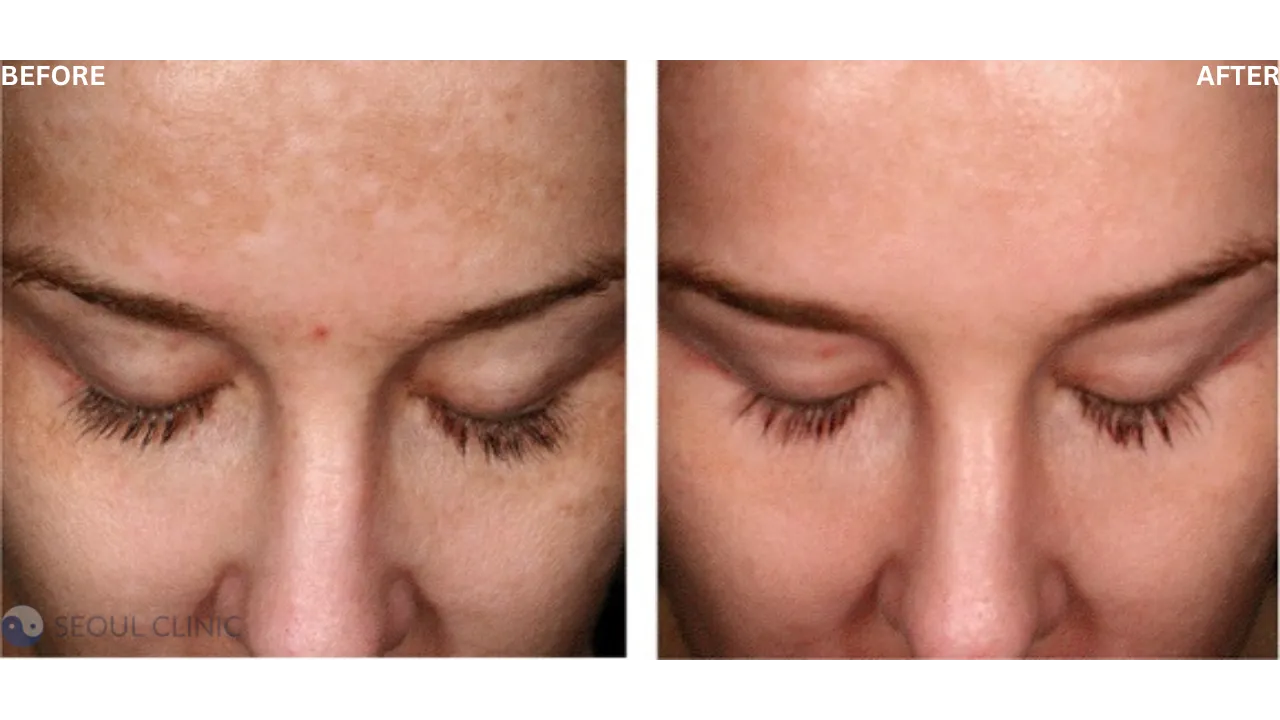
The desire for glowing, radiant skin is a common aspiration, leading many individuals to explore various cosmetic procedures. Skin whitening surgery, a category of procedures aimed at lightening the skin tone, has gained attention. This article delves into the realm of skin whitening surgery, providing a comprehensive overview of the procedures, benefits, risks, and alternatives. Whether you’re considering these options or simply curious, this guide will equip you with the knowledge needed to make informed decisions about your skin care journey. Achieving your desired skin tone requires careful consideration and a clear understanding of the available choices. Let’s begin by defining what skin whitening surgery truly entails.
What is Skin Whitening Surgery
Skin whitening surgery encompasses a range of cosmetic procedures designed to lighten the skin. These procedures typically target melanin, the pigment responsible for skin color. The goal is to reduce melanin production or remove existing melanin, resulting in a lighter complexion. The specific methods used vary, each with its own set of techniques and potential outcomes. It’s important to understand that these procedures are not without risks, and the results can vary depending on the individual’s skin type, the procedure performed, and adherence to post-operative care instructions. Consulting with a qualified dermatologist or cosmetic surgeon is crucial before considering any skin whitening surgery to assess suitability and discuss potential outcomes.
Types of Skin Whitening Procedures
Several procedures fall under the umbrella of skin whitening surgery, each utilizing different techniques to achieve a lighter skin tone. Understanding these options is essential for anyone considering this path. The choice of procedure depends on individual skin type, the desired outcome, and the recommendation of a medical professional. Remember that not all procedures are suitable for everyone, and a thorough consultation is vital. Let’s explore the common types of skin whitening procedures available.
Chemical Peels

Chemical peels involve applying a chemical solution to the skin to exfoliate and remove the outer layers. This process can reduce the appearance of hyperpigmentation, such as sunspots and age spots, and promote the growth of new, lighter skin cells. The depth of the peel varies, ranging from superficial to deep, with deeper peels yielding more dramatic results but also carrying higher risks and a longer recovery time. Different chemical solutions are used, each targeting specific skin concerns. The success of a chemical peel depends on the individual’s skin type and the expertise of the professional performing the procedure. Chemical peels are a popular choice for those seeking to improve their skin tone and texture, but it’s vital to understand the potential side effects and follow post-peel care instructions carefully.
Laser Treatments
Laser treatments use focused beams of light to target melanin-producing cells in the skin. These treatments can effectively reduce the appearance of dark spots, uneven skin tone, and other forms of hyperpigmentation. Various types of lasers are used, each with different wavelengths and energy levels, tailored to specific skin concerns. Laser treatments offer precision and can be less invasive than some other methods. However, they require multiple sessions to achieve optimal results and can be more expensive. Post-treatment care is crucial to prevent complications and ensure proper healing. Potential side effects include redness, swelling, and changes in skin pigmentation, so it’s essential to choose a qualified provider and follow their instructions diligently.
Microdermabrasion
Microdermabrasion is a minimally invasive procedure that exfoliates the skin using a device that sprays tiny crystals onto the skin’s surface. This process removes the outer layer of dead skin cells, revealing smoother, brighter skin. While not a primary skin whitening method, microdermabrasion can improve skin tone and texture, making the skin appear lighter and more radiant. It’s often used in combination with other treatments to enhance their effects. Microdermabrasion is generally considered a safe procedure with minimal downtime. However, it’s not suitable for everyone, and individuals with certain skin conditions should avoid it. The results are gradual, and multiple sessions are typically required to achieve noticeable improvements in skin appearance.
Skin Bleaching Creams

Skin bleaching creams contain active ingredients that reduce melanin production or lighten existing melanin. Hydroquinone is a common ingredient, though its use is regulated in some countries due to potential side effects. Other ingredients include retinoids, corticosteroids, and kojic acid. The effectiveness of skin bleaching creams varies depending on the ingredients, concentration, and individual skin type. It’s essential to use these creams under the guidance of a dermatologist, as improper use can lead to skin irritation, thinning, and other adverse effects. The use of sunscreen is crucial while using skin bleaching creams, as the skin becomes more susceptible to sun damage. Always consult with a healthcare professional before using any skin bleaching product.
Skin Whitening Surgery Benefits
Skin whitening surgery offers several potential benefits for those seeking a lighter skin tone. It’s important to have realistic expectations and understand that results can vary. The benefits often extend beyond mere aesthetics, impacting self-esteem and overall well-being. The decision to undergo such a procedure should be carefully considered, with a clear understanding of the possible advantages. Let’s explore the key benefits of skin whitening surgery.
Improved Skin Tone
One of the primary benefits of skin whitening surgery is the potential to improve skin tone. By reducing melanin production or removing existing melanin, these procedures can lead to a more even and lighter complexion. This can be particularly beneficial for individuals with uneven skin tone, dark spots, or hyperpigmentation. The extent of improvement depends on the specific procedure, the individual’s skin type, and the desired outcome. Achieving an improved skin tone can boost self-confidence and enhance overall appearance, contributing to a sense of well-being.
Reduced Hyperpigmentation

Skin whitening surgery can effectively reduce hyperpigmentation, a condition characterized by dark patches on the skin. This includes conditions like sunspots, age spots, and melasma. Procedures like chemical peels and laser treatments are particularly effective in targeting and reducing these areas of discoloration. By removing the pigmented cells or inhibiting melanin production, these treatments can lead to a more uniform skin tone. Reducing hyperpigmentation not only enhances the aesthetic appearance but can also address underlying skin health concerns. Consulting with a dermatologist is essential to determine the best treatment approach for specific types of hyperpigmentation.
Enhanced Self-Esteem
For many individuals, skin whitening surgery can lead to enhanced self-esteem. Achieving a lighter skin tone can align with personal beauty ideals, boosting confidence and self-image. Feeling more comfortable and satisfied with one’s appearance can positively impact various aspects of life, from social interactions to professional opportunities. It’s important to note that the emotional benefits of skin whitening surgery are subjective, and the decision should be based on personal desires and goals, not external pressures. Prioritizing mental well-being and realistic expectations is crucial throughout the process.
Risks and Side Effects of Skin Whitening Surgery
While skin whitening surgery offers potential benefits, it’s essential to be aware of the associated risks and side effects. These procedures are not without potential complications, and understanding these risks is crucial for making informed decisions. A thorough discussion with a qualified medical professional is essential before considering any skin whitening surgery. The following are some of the potential risks and side effects.
Infection

Infection is a potential risk with any surgical procedure, including skin whitening surgery. Infections can occur at the surgical site, leading to redness, swelling, pain, and potentially more severe complications. Proper sterile techniques and post-operative care are crucial to minimize the risk of infection. Adhering to the surgeon’s instructions and promptly addressing any signs of infection are essential. In severe cases, infections may require antibiotic treatment or further medical intervention. Choosing a reputable surgeon and a clinic with high standards of hygiene is critical to reduce the risk of infection.
Scarring
Scarring is another potential risk associated with skin whitening surgery, particularly with invasive procedures like certain types of laser treatments or surgical interventions. The extent of scarring depends on various factors, including the procedure performed, the individual’s skin type, and the surgeon’s skill. Some individuals may be more prone to scarring than others. Proper wound care and following post-operative instructions can help minimize scarring. In some cases, additional treatments may be needed to address scars. It’s important to discuss the risk of scarring with the surgeon before undergoing the procedure and to understand the potential outcomes.
Skin Discoloration
Skin discoloration, including hyperpigmentation or hypopigmentation, is a potential side effect of skin whitening surgery. Hyperpigmentation refers to darkening of the skin, while hypopigmentation refers to lightening. These changes in skin pigmentation can occur as a result of the procedure itself or due to complications during healing. The risk of skin discoloration depends on the procedure performed, the individual’s skin type, and the skill of the medical professional. Proper aftercare and sun protection are essential to minimize the risk. In some cases, additional treatments may be needed to address skin discoloration.
Allergic Reactions

Allergic reactions to the chemicals or materials used in skin whitening surgery are possible. These reactions can range from mild skin irritation to more severe symptoms. It’s crucial to inform the medical professional about any known allergies before undergoing the procedure. In some cases, pre-procedure allergy testing may be recommended. Symptoms of an allergic reaction may include redness, itching, swelling, and rash. Prompt medical attention is necessary if an allergic reaction occurs. Choosing a qualified and experienced medical professional who takes a thorough medical history can help minimize the risk of allergic reactions.
Who is a Good Candidate for Skin Whitening Surgery
Not everyone is a suitable candidate for skin whitening surgery. Determining candidacy involves evaluating several factors, including the individual’s skin type, overall health, and expectations. A thorough consultation with a dermatologist or cosmetic surgeon is essential to assess suitability and discuss the potential outcomes. Understanding who is a good candidate can help individuals make informed decisions and avoid unnecessary procedures. Let’s explore the characteristics of a good candidate.
Individuals with Hyperpigmentation
Individuals with hyperpigmentation, such as dark spots, uneven skin tone, and melasma, are often good candidates for skin whitening surgery. Procedures like chemical peels and laser treatments can effectively target and reduce areas of discoloration. The specific procedure recommended will depend on the type and severity of hyperpigmentation. It’s important for candidates to have realistic expectations and understand that multiple treatments may be necessary to achieve the desired results. Consulting with a dermatologist is essential to determine the best treatment approach for specific types of hyperpigmentation.
People with Uneven Skin Tone

People with uneven skin tone may also be good candidates for skin whitening surgery. Procedures like laser treatments and chemical peels can help even out the skin tone, resulting in a more uniform complexion. The choice of procedure will depend on the cause of the unevenness and the individual’s skin type. Individuals with areas of darker skin or patches of discoloration may experience significant improvements. Realistic expectations and a commitment to post-treatment care are essential for achieving optimal results. Consulting with a dermatologist is recommended to determine the most appropriate treatment options.
Realistic Expectations
Individuals with realistic expectations are more likely to be good candidates for skin whitening surgery. Understanding the limitations of the procedures and the potential for side effects is crucial. It’s important to have a clear understanding of the desired outcomes and to avoid unrealistic expectations. The results of skin whitening surgery may not be permanent, and maintenance treatments may be necessary. Consulting with a medical professional to discuss expectations and potential outcomes is a vital step in the decision-making process. Being informed and having realistic expectations helps ensure patient satisfaction and reduces the risk of disappointment.
Preparing for Skin Whitening Surgery
Proper preparation is essential for a successful skin whitening surgery. This involves several steps, including consulting with a medical professional, undergoing a thorough examination, and following pre-procedure instructions. Adequate preparation can help minimize risks and optimize outcomes. It’s crucial to adhere to the surgeon’s guidelines to ensure a smooth and safe procedure. Let’s explore the key steps involved in preparing for skin whitening surgery.
Consultation with a Dermatologist
The first step in preparing for skin whitening surgery is to consult with a qualified dermatologist or cosmetic surgeon. This consultation involves discussing the individual’s goals, assessing their skin type, and evaluating their medical history. The medical professional will explain the available procedures, their potential benefits, and associated risks. They will also determine whether the individual is a suitable candidate and provide personalized recommendations. During the consultation, it’s essential to ask questions and voice any concerns. This step ensures that the individual is fully informed and prepared before proceeding with the surgery.
Medical History and Examination
A thorough medical history and examination are crucial components of preparing for skin whitening surgery. The medical professional will review the individual’s medical history, including any existing health conditions, allergies, and medications. They will also examine the skin to assess its condition and determine the most appropriate procedures. This examination helps identify any potential contraindications and ensures the safety of the patient. The medical history and examination provide essential information for planning the surgery and minimizing the risk of complications. It’s important to provide accurate and complete information during this step.
Pre-Procedure Instructions
Following pre-procedure instructions is vital for ensuring a successful outcome of skin whitening surgery. These instructions may vary depending on the specific procedure, but they typically include guidelines on avoiding certain medications, such as blood thinners, and refraining from smoking and alcohol consumption. The medical professional will provide specific instructions on how to prepare the skin before the procedure, such as using certain skincare products or avoiding sun exposure. Adhering to these instructions helps optimize the results and minimizes the risk of complications. It’s crucial to follow all pre-procedure instructions carefully.
Post-Operative Care and Recovery
Post-operative care is essential for a smooth recovery and optimal results after skin whitening surgery. This involves proper wound care, taking prescribed medications, and attending follow-up appointments. Adhering to the surgeon’s instructions is crucial for minimizing the risk of complications and ensuring proper healing. The recovery period varies depending on the specific procedure, but it typically involves some downtime and a gradual return to normal activities. Let’s explore the key aspects of post-operative care and recovery.
Wound Care
Proper wound care is essential for preventing infection and promoting healing after skin whitening surgery. The surgeon will provide specific instructions on how to care for the surgical site, including cleaning the wound, applying any prescribed ointments or dressings, and avoiding activities that could irritate the area. It’s crucial to keep the wound clean and dry and to monitor for any signs of infection, such as redness, swelling, or pus. Following the surgeon’s wound care instructions diligently helps ensure a successful recovery and minimizes the risk of complications. Contacting the surgeon immediately if there are any concerns regarding wound healing is important.
Medication
Taking prescribed medications as directed is crucial for managing pain, preventing infection, and promoting healing after skin whitening surgery. The surgeon may prescribe pain relievers, antibiotics, or other medications to support recovery. It’s important to follow the medication schedule exactly as instructed and to inform the surgeon of any side effects or concerns. Avoiding self-medication and informing the surgeon about any other medications being taken is also essential. Properly managing pain and preventing infection are critical for a smooth recovery.
Follow-up Appointments
Attending follow-up appointments with the surgeon is crucial for monitoring progress, addressing any concerns, and ensuring proper healing after skin whitening surgery. These appointments allow the surgeon to assess the surgical site, check for any complications, and provide guidance on post-operative care. It’s important to attend all scheduled appointments and to communicate any concerns or questions to the surgeon. The surgeon may make adjustments to the treatment plan based on the individual’s progress. Follow-up appointments play a vital role in ensuring a successful recovery and achieving the desired results.
Alternatives to Skin Whitening Surgery
There are several alternatives to skin whitening surgery for those seeking to improve their skin tone or address hyperpigmentation. These alternatives offer various approaches, from topical treatments to natural remedies, providing options for individuals with different needs and preferences. It’s essential to consult with a dermatologist or healthcare provider to determine the most appropriate alternative based on individual skin type and desired outcomes. Exploring these options can empower individuals to make informed decisions about their skin care journey. Let’s explore these alternatives.
Topical Skin Lightening Products
Topical skin lightening products are a popular alternative to skin whitening surgery. These products contain active ingredients that reduce melanin production or lighten existing melanin, resulting in a lighter skin tone. Common ingredients include hydroquinone, retinoids, vitamin C, and kojic acid. The effectiveness of these products varies depending on the ingredients, concentration, and individual skin type. It’s important to use these products under the guidance of a dermatologist, as improper use can lead to skin irritation or other side effects. Sunscreen is crucial when using topical skin lightening products to protect the skin from sun damage.
Natural Remedies
Natural remedies offer a gentler approach to skin lightening and may be preferred by those seeking a more holistic approach. These remedies often involve using ingredients derived from natural sources, such as lemon juice, honey, turmeric, and aloe vera. While natural remedies may have some skin-lightening properties, their effectiveness can vary, and results may not be as dramatic as those achieved through surgery or prescription products. It’s essential to be cautious when using natural remedies and to perform a patch test to check for any allergic reactions. Consulting with a dermatologist or healthcare provider is recommended before using natural remedies.
Sun Protection
Sun protection is a fundamental aspect of maintaining healthy skin and preventing hyperpigmentation, regardless of whether skin whitening surgery or other treatments are pursued. Exposure to the sun’s harmful ultraviolet (UV) rays can worsen existing hyperpigmentation and hinder the effectiveness of skin lightening treatments. Using a broad-spectrum sunscreen with a high SPF daily, along with seeking shade and wearing protective clothing, is crucial for protecting the skin. Consistent sun protection helps prevent further skin darkening and supports the long-term maintenance of a lighter complexion. Making sun protection a part of the daily routine is essential for healthy, radiant skin.
In conclusion, skin whitening surgery presents various options for individuals seeking a lighter skin tone. Understanding the procedures, benefits, risks, and alternatives is crucial for making informed decisions. Consulting with a qualified dermatologist or cosmetic surgeon is essential to assess suitability, discuss potential outcomes, and develop a personalized treatment plan. Whether considering skin whitening surgery or exploring alternative approaches, prioritizing skin health, and seeking professional guidance are key to achieving a glowing and radiant complexion. Remember to always weigh the potential benefits against the associated risks and to have realistic expectations. The journey to achieving your desired skin tone should be safe, well-informed, and aligned with your personal values.