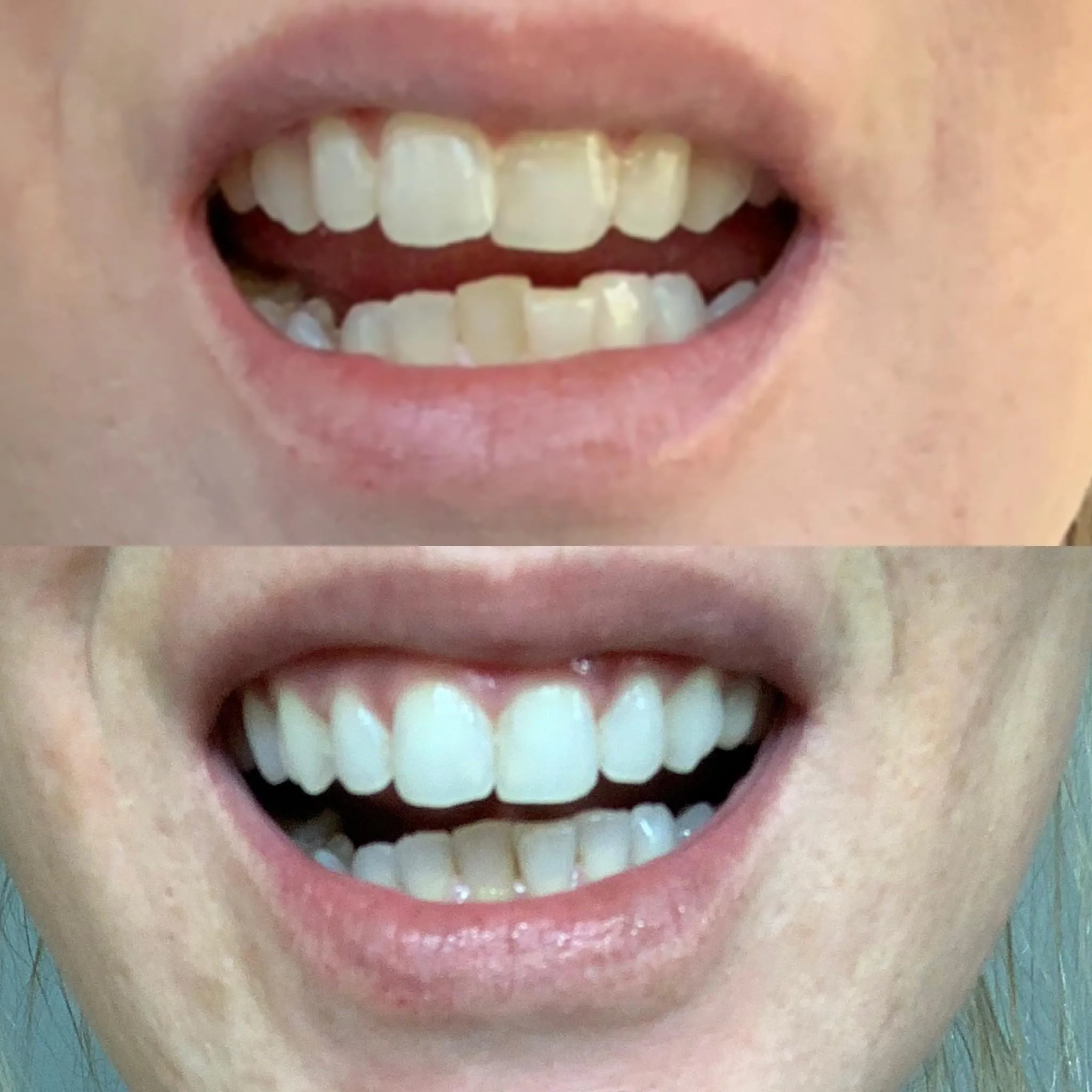
What is Smile Direct Club Whitening?
Smile Direct Club (SDC) offers a convenient at-home teeth whitening system, often marketed as an accessible alternative to professional dental treatments. The premise is simple: you receive a kit with custom-fit whitening trays and a bleaching agent, designed to lighten the shade of your teeth over a period of time. This approach appeals to many because it bypasses the need for in-office dental visits, potentially saving both time and money. However, it’s important to understand the underlying mechanisms and processes involved in order to make an informed decision. The popularity of SDC’s whitening stems from its ease of use and direct-to-consumer marketing, but a closer look is needed to fully appreciate its efficacy and suitability for individual needs. The effectiveness can vary from person to person depending on the type of stains and the initial shade of the teeth.
How SDC Whitening Works
The SDC whitening process typically involves the following steps. First, you’ll receive a kit containing custom-fit whitening trays, designed based on impressions you provide. These trays ensure the whitening gel makes close contact with the teeth’s surfaces. The core of the whitening process is the application of a bleaching agent, usually a hydrogen peroxide or carbamide peroxide solution. This gel is applied to the trays, and the trays are then worn for a specified amount of time daily. The active ingredient in the gel penetrates the enamel, breaking down stain molecules that have accumulated over time. The duration and frequency of use will depend on the concentration of the bleaching agent and the instructions provided with the kit. Regular use, as directed, is essential to achieve the desired level of brightness. SDC may provide different strengths of the whitening agent, which may influence both the result and any side effects. It’s important to adhere to the manufacturer’s guidelines to ensure safety and optimize results.
The Science Behind Teeth Whitening

Teeth whitening is primarily based on a chemical process. The active ingredient, usually hydrogen peroxide or carbamide peroxide, acts as an oxidizing agent. This means it breaks down stain molecules that have become embedded in the enamel and dentin of your teeth. These stains can come from a variety of sources, including coffee, tea, wine, and certain foods. The whitening agent penetrates the tooth surface and discolors stain compounds. The oxidation process converts these larger stain molecules into smaller, less noticeable ones, thereby lightening the overall shade of the teeth. The effectiveness of the process depends on the concentration of the whitening agent, the duration of its use, and the type and severity of the stains. It is a chemical process, and understanding it can lead to more realistic expectations regarding results and potential side effects. The process is not the same as cleaning the teeth, but a chemical change to remove the stains from the surface.
How to Prepare for SDC Whitening
Before starting the SDC whitening process, it’s helpful to take a few preparatory steps. First, consult with your dentist. They can assess the condition of your teeth, identify any underlying issues (such as cavities or gum disease), and advise whether teeth whitening is suitable for you. Next, ensure your teeth and gums are in a healthy state. If you have any dental work, such as fillings or crowns, understand that the whitening agent won’t affect their color. It’s also wise to have a professional cleaning to remove any surface stains and plaque, which could interfere with the whitening process. It is important to understand that the process won’t work on all teeth, and that previous dental work, like fillings, can cause the teeth to appear unevenly white after whitening. Before starting any whitening treatment, ensure you have realistic expectations and are aware of potential outcomes.
Step by Step Guide to Whitening
Following a clear, step-by-step guide is essential for optimal results when using the SDC whitening system. Proper application and adherence to the manufacturer’s instructions will ensure both effectiveness and safety. The following sections provides a comprehensive overview of the process, from assessing your teeth to maintaining your results. Taking each step carefully helps to reduce the risk of side effects and enhance the chances of achieving a brighter smile.
Step 1 Assess Your Teeth

Before starting any whitening treatment, evaluate the current condition of your teeth. Examine their shade and identify any areas of discoloration. This assessment will give you a baseline to measure your progress. Consider the type of stains you have—are they superficial or deeper? If you have any existing dental work, such as fillings, crowns, or veneers, understand that they won’t change color with the whitening process. Take photos of your teeth before starting whitening treatment. These photos can serve as a visual record to track changes over time. Consult with your dentist for professional advice to identify any pre-existing issues or concerns that could affect the outcome of the treatment. Make sure to have any pre-existing issues addressed before starting the whitening process.
Step 2 Get Your Whitening Kit
Once you have assessed your teeth, acquire your SDC whitening kit. This kit typically includes custom-fit whitening trays and a whitening gel containing a peroxide-based bleaching agent. Follow the instructions provided with the kit to create impressions of your teeth, which will be used to make your custom trays. Ensure that the trays fit comfortably in your mouth. Ill-fitting trays can lead to uneven whitening and potential gum irritation. Examine the whitening gel for expiration dates and any signs of damage or leakage. Familiarize yourself with the instructions on the correct application of the gel, the wear time, and any precautions to take. Store the whitening gel in a cool, dry place, away from direct sunlight, to maintain its effectiveness. Having the right kit is important, especially in creating good results.
Step 3 Use the Whitening Trays
Properly using the whitening trays is crucial to the SDC whitening process. Apply a small amount of the whitening gel to the inside surfaces of the trays, following the instructions provided. Be careful not to overfill the trays, as this can lead to the gel leaking and causing gum irritation. Insert the trays into your mouth, ensuring they fit snugly against your teeth. Wear the trays for the recommended time, as specified in the kit instructions, usually ranging from 30 minutes to an hour, depending on the concentration of the whitening agent. Avoid eating or drinking anything during this time, except for water. Once the wear time is complete, remove the trays and rinse your mouth thoroughly with water. Clean the trays with cool water and store them properly for future use. Consistent use of the trays, as instructed, is key to achieving desired results. The more consistent you are, the greater the chances of having whiter teeth.
Step 4 Maintain Your Results

Once you have achieved your desired level of whitening, it’s important to take steps to maintain those results. Avoid or minimize the consumption of foods and drinks that can stain your teeth, such as coffee, tea, red wine, and dark berries. If you consume these items, rinse your mouth with water immediately afterward. Practice good oral hygiene by brushing your teeth twice a day with a whitening toothpaste and flossing daily to remove plaque and food particles. Schedule regular dental checkups and cleanings to remove surface stains and maintain overall oral health. Consider using a touch-up treatment with the SDC whitening kit or a similar product as needed, according to the instructions. The longevity of your results depends on how well you take care of your teeth and maintain a healthy oral routine. Regular maintenance will help ensure that the whitening effects are sustained.
Tips for Optimal Whitening Results
To get the best possible results from the SDC whitening process, consider these additional tips. Ensure consistency in your whitening routine; follow the instructions provided with your kit diligently. Be patient, as it can take several weeks to see noticeable results. Avoid smoking and using tobacco products, as they can stain your teeth and hinder the whitening process. Use a whitening toothpaste to help remove surface stains and maintain brightness. Drink plenty of water to stay hydrated and rinse away any lingering food particles or stains. Review the instructions periodically to ensure that you are applying the gel correctly and following all safety guidelines. Monitor your teeth for any signs of sensitivity or other side effects and consult with your dentist if you experience any issues. Taking these additional steps can contribute to brighter and more lasting results. The results can often take a few weeks, but this varies from person to person.
Foods and Drinks to Avoid
Certain foods and drinks can stain your teeth and diminish the effects of whitening treatments. It’s advisable to limit or avoid these items during the whitening process. Coffee, tea, and red wine are notorious for staining teeth due to their dark pigments. Dark-colored sodas and fruit juices can also cause discoloration. Beets, berries, and other deeply colored fruits and vegetables can also contribute to staining. Tomato-based sauces, curries, and soy sauce may stain the teeth. Tobacco products, including cigarettes and chewing tobacco, can also lead to significant staining. Rinsing your mouth with water after consuming any of these items can help reduce their impact on your teeth’s color. Making dietary adjustments during the whitening process can greatly enhance the results.
Oral Hygiene for Whitening

Maintaining good oral hygiene is essential both during and after the whitening process. Brush your teeth twice a day with a whitening toothpaste that helps remove surface stains. Use a soft-bristled toothbrush to avoid damaging your enamel. Floss daily to remove plaque and food particles from between your teeth. Consider using an antibacterial mouthwash to reduce bacteria and freshen your breath. Schedule regular dental checkups and professional cleanings to maintain overall oral health. If you’re using whitening trays, make sure that the teeth are clean before putting the trays in. Good oral hygiene complements the whitening treatment and helps to maintain a bright, healthy smile. Proper oral hygiene helps the whitening process more successful.
Potential Side Effects
While SDC whitening is generally safe, it’s important to be aware of potential side effects. The most common side effect is tooth sensitivity, which can range from mild to moderate. This can occur due to the peroxide in the whitening gel. Some people may experience gum irritation or inflammation if the gel comes into contact with the gums for extended periods. In rare cases, some people may experience temporary changes in the texture or appearance of their teeth. Most side effects are temporary and will resolve once the whitening treatment is completed. If you experience any severe or persistent side effects, consult your dentist immediately. Be mindful of any discomfort during and after the process to help manage any complications.
Addressing Sensitivity
If you experience tooth sensitivity during the SDC whitening process, here are some steps you can take. Use a toothpaste designed for sensitive teeth, which contains ingredients like potassium nitrate to soothe the nerves. Reduce the wear time of the whitening trays, following the instructions provided in the kit. Take breaks from the whitening treatment to allow your teeth to recover. Apply a desensitizing gel to your teeth, as recommended by your dentist. Avoid very hot or cold foods and drinks, which can exacerbate sensitivity. Make sure you are not overfilling the trays with the gel to reduce the chance of it coming into contact with the gums. If sensitivity persists or becomes severe, consult your dentist for further advice. Addressing sensitivity promptly will help make the process more comfortable.
Is SDC Whitening Right for You?

SDC whitening is a convenient and affordable option for many, but it’s not suitable for everyone. If you have pre-existing dental issues, such as cavities, gum disease, or cracked teeth, you should address these problems before whitening. If you have sensitive teeth, it may be challenging to tolerate the whitening process. If you have crowns, fillings, or veneers, understand that the whitening agent won’t affect their color. If you have unrealistic expectations about the outcome of whitening, you may be disappointed. Consulting with your dentist can help you determine if SDC whitening is right for you based on your individual oral health needs. Understand the process and the limitations. Weighing the pros and cons will help you determine whether SDC whitening is the right option for you.
Alternatives to SDC Whitening
If SDC whitening isn’t the right choice for you, several alternatives are available. Professional teeth whitening performed by a dentist is a more potent option, often using higher concentrations of hydrogen peroxide. Over-the-counter whitening products, such as whitening strips and toothpastes, offer a less intense approach. Custom whitening trays from your dentist provide a balance between professional and at-home options. Veneers and dental bonding are alternatives for those seeking to dramatically change the appearance of their teeth. The best option depends on your specific needs, preferences, and oral health. Consulting with your dentist will help you identify the most appropriate teeth whitening strategy. These options offer different approaches and are made to fit any situation.