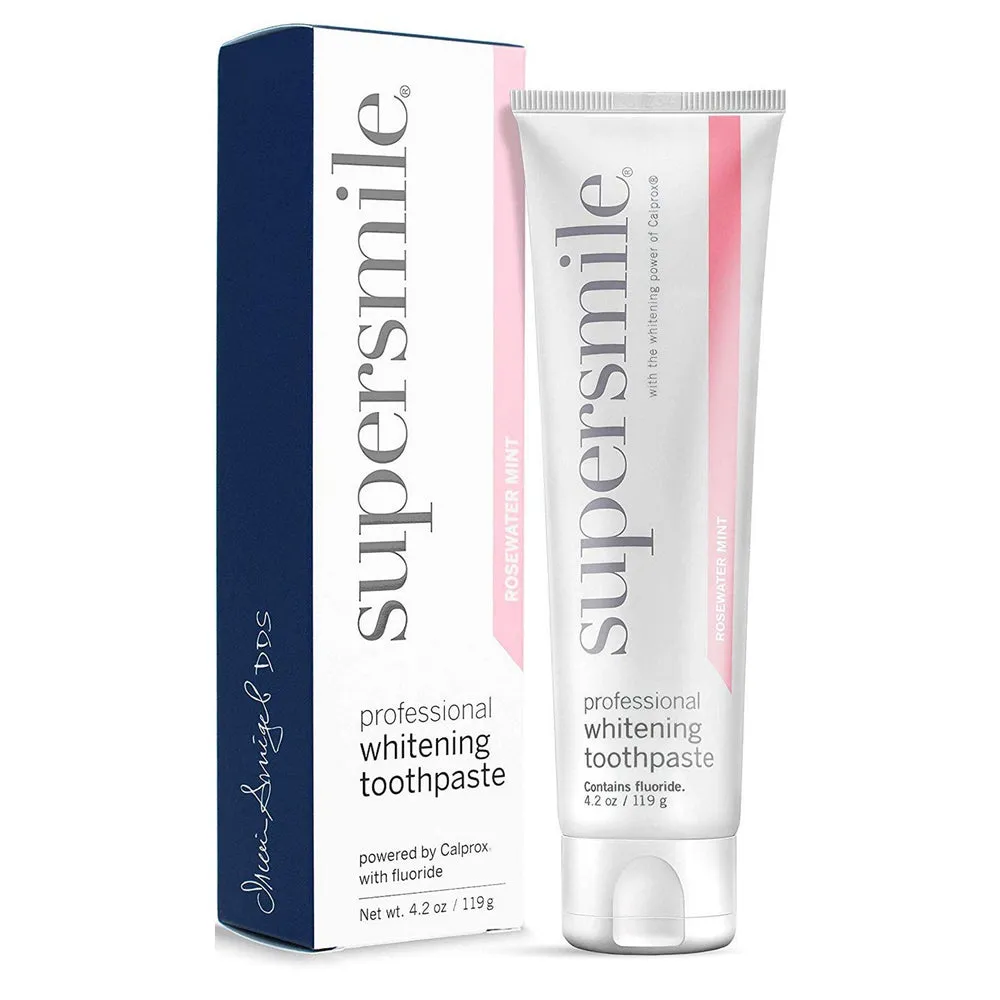
What is Smile Whitening Toothpaste?
Smile whitening toothpaste is a specialized oral hygiene product formulated to help remove surface stains and brighten the appearance of your teeth. Unlike regular toothpaste, these formulations contain ingredients like mild abrasives, chemical agents, or both, which work to gently polish the enamel and lift away discoloration caused by factors such as coffee, tea, tobacco, and certain foods. The primary goal of smile whitening toothpaste is to provide a brighter and more aesthetically pleasing smile, often as part of a broader oral care routine. However, it is important to understand the mechanism of action and limitations of these products to manage expectations and ensure effective use. Understanding the composition of the different types of whitening toothpaste allows you to make an informed choice about which product is best for your teeth and overall oral health. Using smile whitening toothpaste effectively involves brushing techniques and understanding the factors that affect its performance.
Types of Smile Whitening Toothpaste
Smile whitening toothpastes come in various forms, each with unique ingredients and methods of action. Abrasive toothpastes use polishing agents, such as hydrated silica or calcium carbonate, to physically scrub away surface stains. These are generally effective for removing light stains but may not alter the intrinsic color of the teeth. Another type incorporates chemical agents like hydrogen peroxide or carbamide peroxide, which can penetrate the enamel to oxidize stain molecules. The concentration of these agents varies, which impacts the effectiveness and potential for tooth sensitivity. Some toothpastes combine both abrasive and chemical agents, offering a dual-action approach to whitening. Other formulations are designed for sensitive teeth, containing gentle abrasives and desensitizing agents. Choosing the correct type involves evaluating the type and severity of the stains, sensitivity levels, and personal preferences. Considering product reviews and consulting with a dentist is essential for making the optimal selection to get the best results while safeguarding oral health.
Whitening Toothpaste Ingredients Explained

The effectiveness of smile whitening toothpaste hinges on its active ingredients. Abrasives, such as hydrated silica, calcium carbonate, and dicalcium phosphate dihydrate, physically remove stains by gently scrubbing the tooth surface. The abrasive power is crucial, but excessive abrasiveness can wear down enamel over time. Peroxides, including hydrogen and carbamide peroxide, are chemical agents that bleach the teeth by oxidizing stain molecules. These compounds break down into oxygen, which penetrates the enamel to change the color of the tooth structure. Other key components may include enzymes to break down stains, pyrophosphates to prevent new stains from forming, and fluoride for remineralization and cavity protection. Some whitening toothpastes contain blue covarine, which adheres to the tooth surface to create a temporary optical effect of brighter teeth. Understanding these ingredients allows consumers to make informed decisions, considering their oral health needs and goals. Always check for ADA (American Dental Association) seal of approval, as it ensures the toothpaste has met the standards for safety and effectiveness.
How Does Smile Whitening Toothpaste Work?
Smile whitening toothpaste works through a combination of physical and chemical processes. Abrasive ingredients help remove surface stains from the enamel, which are commonly caused by food, drinks, and tobacco. These abrasives act like a gentle polish, scrubbing away the discolored particles. Simultaneously, chemical agents, such as peroxides, penetrate the enamel and break down stain molecules. This oxidation process lightens the intrinsic color of the teeth, going beyond just surface cleaning. The fluoride present in most whitening toothpastes strengthens the enamel, which helps reduce the risk of cavities and supports overall oral health. Many toothpastes also contain ingredients that prevent the formation of new stains, such as pyrophosphates. Regular use, in conjunction with proper brushing and oral hygiene practices, gradually improves the brightness of your teeth. The degree of whitening depends on the toothpaste’s formulation, the severity of the stains, and individual factors like tooth enamel thickness and lifestyle habits. It is important to note that while smile whitening toothpaste can improve the appearance of teeth, it cannot change the genetic shade of your teeth.
Steps to Effective Brushing with Whitening Toothpaste
Effective brushing with smile whitening toothpaste is essential for achieving optimal results and maintaining oral health. Start by applying a pea-sized amount of toothpaste to your toothbrush. Place the bristles at a 45-degree angle to your gums and use gentle, circular motions to brush each tooth. This technique helps remove plaque and debris without damaging the enamel or irritating the gums. Ensure you brush all surfaces of your teeth, including the outer, inner, and chewing surfaces. Spend at least two minutes brushing, dividing your mouth into quadrants, spending 30 seconds on each. Be thorough, but avoid applying excessive pressure, which can wear down the enamel. After brushing, rinse your mouth thoroughly with water or mouthwash. For enhanced results, consider using an electric toothbrush with a whitening mode, which can improve cleaning and polishing. Consistency is key; brush your teeth twice a day, in the morning and before bed. Moreover, flossing once a day helps remove plaque and food particles from between teeth, improving the overall effect of your whitening efforts.
Choosing the Right Smile Whitening Toothpaste

Choosing the right smile whitening toothpaste involves considering several factors to meet your unique needs and preferences. Start by assessing your current oral health, including any sensitivity or pre-existing conditions. If you have sensitive teeth, opt for a toothpaste specifically formulated for sensitive teeth, which often contains gentle abrasives and desensitizing agents. Look for the ADA (American Dental Association) seal of approval, which indicates that the toothpaste meets the standards for safety and effectiveness. Consider the type of stains you have, surface stains are easily removed by abrasive toothpastes, while intrinsic stains may require a toothpaste with a higher concentration of whitening agents or chemical bleaching agents. Review the ingredients list; people with certain allergies should check for potential allergens. The formulation, taste, and texture are also important; choose a flavor and consistency you enjoy to encourage consistent use. Finally, consult with your dentist for personalized recommendations. They can provide tailored advice based on your dental history and goals, ensuring the chosen toothpaste is safe and effective for your specific case. It is important to manage expectations and remember that smile whitening toothpastes generally only remove surface stains.
Factors to Consider Before Buying Whitening Toothpaste
Before purchasing smile whitening toothpaste, several factors should be considered to ensure it is suitable for your needs. Evaluate the active ingredients; look for a balance between abrasive agents for stain removal and whitening agents for brightening. Consider your tooth sensitivity level; if you experience sensitivity, opt for formulations with low abrasion and desensitizing agents like potassium nitrate. Examine the ADA seal of acceptance to ensure that the toothpaste has undergone rigorous testing and meets specific standards for safety and efficacy. Assess the potential for enamel abrasion, as excessive abrasiveness can damage the tooth enamel over time. Pay attention to the concentration of peroxide or other bleaching agents, as higher concentrations can cause increased sensitivity. The toothpaste’s flavor, texture, and ease of use should also be considered to make brushing more enjoyable. Be aware of any potential allergens or ingredients you want to avoid. If you have any specific dental issues, consult with your dentist before choosing a product. Moreover, understand that results vary, and smile whitening toothpaste is just one component of your oral hygiene routine.
Tips for Maximizing Whitening Toothpaste Results
Maximizing the results of smile whitening toothpaste involves a combination of consistent use and adopting good oral hygiene habits. Use the toothpaste as directed, typically twice a day, for the recommended duration, usually two minutes each time. Ensure you brush all surfaces of your teeth thoroughly, paying special attention to areas prone to staining. Combine the whitening toothpaste with a good quality toothbrush, and consider using an electric toothbrush for more effective plaque removal and polishing. Floss daily to remove plaque and food particles from between your teeth, as these contribute to staining and discoloration. Limit the consumption of stain-causing foods and drinks, such as coffee, tea, red wine, and tobacco, which can diminish the whitening effects. Maintain regular dental check-ups and professional cleanings to remove stubborn stains and plaque, which complements your at-home whitening efforts. Consider using a mouthwash, as some contain ingredients that help prevent staining and freshen breath. Be patient, as results take time. Consistent use over several weeks or months is usually required to see a noticeable difference. Be sure to consult with your dentist, who can guide your progress and offer recommendations to help you reach your goals.
Common Mistakes to Avoid

To achieve the best results from smile whitening toothpaste, it’s important to avoid common mistakes. Do not overbrush, as excessive brushing or using too much force can damage the enamel and increase sensitivity. Avoid using smile whitening toothpaste on children without consulting a dentist, as some formulations may not be suitable for developing teeth. Do not expect immediate results, as consistent use over time is needed to see significant changes. Do not ignore other oral hygiene practices, such as flossing, which are essential for removing plaque and preventing stains. Avoid excessive consumption of stain-causing foods and drinks while relying solely on toothpaste, as this can undermine your whitening efforts. Don’t use whitening toothpaste as a substitute for professional dental care. Regularly visit your dentist for check-ups and cleanings. Do not ignore signs of sensitivity; if your teeth become overly sensitive, reduce the frequency of use or consult your dentist. Avoid using expired toothpaste, which may have reduced effectiveness or altered ingredients. Avoid mixing different whitening products without consulting your dentist, as this can lead to unforeseen effects. Also, do not expect whitening toothpaste to perform like professional whitening treatments. For the best results, use a combination of methods.
Maintaining Your Sparkling Smile
Maintaining a sparkling smile requires a consistent and comprehensive approach to oral hygiene. Continue brushing twice daily with a smile whitening toothpaste and a soft-bristled toothbrush. Floss daily to remove food particles and plaque from hard-to-reach areas. Limit your intake of stain-causing foods and beverages, such as coffee, tea, and red wine, or rinse your mouth with water after consuming these items. Avoid tobacco use, as it is a major contributor to tooth discoloration. Attend regular dental check-ups and professional cleanings, as these remove plaque, tartar, and surface stains. Use mouthwash to freshen breath and further protect against plaque buildup. Consider the use of teeth whitening products as a supplement, but always consult with your dentist first. Stay hydrated by drinking plenty of water throughout the day, as this helps rinse away food particles and promote saliva production, which neutralizes acids. Adopt a balanced diet rich in fruits, vegetables, and calcium-rich foods to support overall oral health. Be consistent with your oral hygiene routine, making it a non-negotiable part of your daily life. Be patient, as maintaining a bright smile takes time and dedication. A healthy and bright smile is a journey, not just a destination.