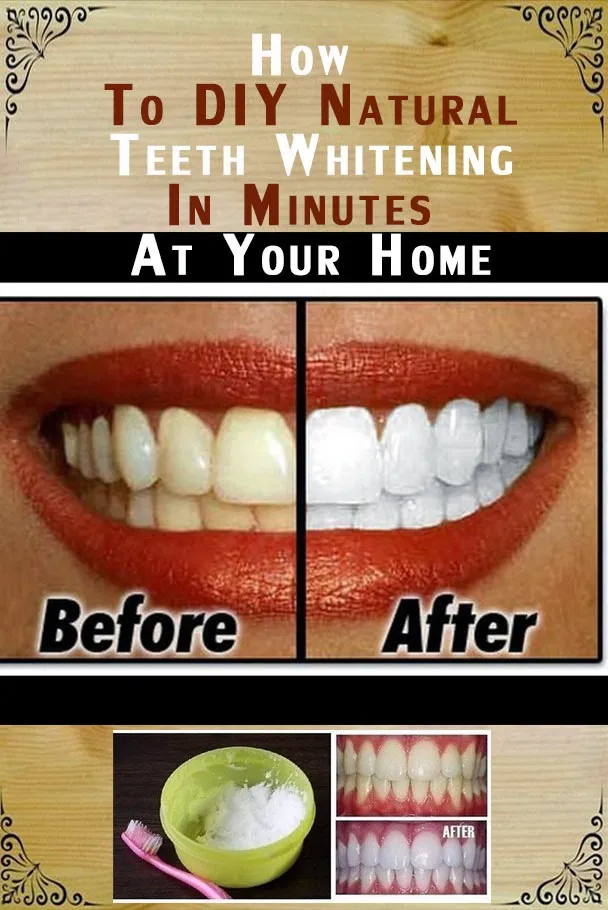
A bright, white smile is often associated with health and confidence, making teeth whitening a popular cosmetic procedure. Fortunately, achieving a brighter smile doesn’t always require expensive dental treatments. Many effective teeth whitening recipes can be made at home, using natural ingredients that are gentle on your teeth and can significantly improve their appearance. This guide explores the different aspects of teeth whitening at home, covering everything from the causes of tooth discoloration to practical recipes and tips for maintaining your newly whitened smile. With the right approach, you can achieve noticeable results and boost your self-esteem without leaving the comfort of your home. Let’s dive into the world of teeth whitening, where a dazzling smile is within your reach.
What is Teeth Whitening
Teeth whitening involves removing stains and discoloration from the surface of your teeth to make them appear brighter and more aesthetically pleasing. This can be achieved through various methods, ranging from professional dental treatments to at-home remedies. The primary goal is to lighten the shade of your teeth, addressing the stains caused by food, drinks, aging, and certain lifestyle choices. The process works by using bleaching agents that penetrate the enamel and dentin layers of the teeth, breaking down the stain molecules. The effectiveness of teeth whitening depends on the type and severity of the stains, as well as the method used. Regular maintenance and a good oral hygiene routine are crucial for long-lasting results. Understanding the basics of teeth whitening is the first step toward achieving a brighter smile and boosting your confidence.
Common Causes of Tooth Discoloration
Tooth discoloration can stem from a variety of factors, each impacting the color of your teeth differently. Understanding these causes can help you prevent further staining and determine the most effective teeth whitening methods. One of the most common culprits is the consumption of staining foods and beverages, such as coffee, tea, red wine, and berries. These items contain pigments that can adhere to the enamel, leading to discoloration over time. Smoking and tobacco use also contribute significantly to yellowing and staining, as nicotine and tar leave a residue on the teeth. In addition, aging plays a role, as the enamel thins with age, allowing the underlying dentin (which is naturally yellow) to show through. Certain medications, such as tetracycline, can cause internal staining during tooth development. Poor oral hygiene, including infrequent brushing and flossing, can also exacerbate staining by allowing plaque and tartar to build up. Recognizing these causes enables you to make informed choices and adopt habits that protect your smile.
Teeth Whitening at Home Effective Recipes

Discovering the perfect teeth whitening recipes at home can transform your smile, offering an affordable and convenient alternative to professional treatments. These recipes often utilize natural ingredients known for their whitening properties and gentle action on the teeth. Each recipe is designed to target different types of stains and provide noticeable results with consistent use. However, it’s important to remember that while these methods can improve the appearance of your teeth, they might not provide the same dramatic results as professional procedures. Regular use, coupled with good oral hygiene, can help maintain a brighter smile. Always consult with your dentist before starting any new teeth whitening regimen to ensure it is suitable for your specific dental health needs. By incorporating these recipes into your routine, you can gradually lighten your teeth and boost your confidence in a safe and effective manner.
Recipe 1 Baking Soda and Hydrogen Peroxide
Baking soda and hydrogen peroxide form a powerful combination for teeth whitening, thanks to their gentle abrasive and oxidizing properties. Baking soda acts as a mild abrasive that helps remove surface stains, while hydrogen peroxide acts as a bleaching agent, penetrating the enamel to lighten the teeth. To use this recipe, mix one tablespoon of baking soda with two tablespoons of hydrogen peroxide to create a paste. Apply the paste to your toothbrush and brush your teeth gently for about two minutes. Rinse thoroughly with water. This method should be used no more than once or twice a week, as excessive use can erode enamel. Always ensure you’re using a food-grade hydrogen peroxide solution and avoid swallowing the mixture. The combined action of baking soda and hydrogen peroxide can effectively reduce stains and promote a brighter smile with regular and cautious application. Be mindful of your gum sensitivity and discontinue use if irritation occurs.
Recipe 2 Coconut Oil Pulling
Coconut oil pulling is an ancient Ayurvedic practice that involves swishing coconut oil in your mouth to remove bacteria and toxins, which can contribute to tooth discoloration. The lauric acid in coconut oil has antimicrobial properties that help reduce plaque and bacteria, leading to whiter teeth and fresher breath. To perform oil pulling, take one to two tablespoons of organic, cold-pressed coconut oil and swish it in your mouth for 15–20 minutes. Make sure the oil reaches all areas of your mouth. After swishing, spit the oil into a trash can (not down the drain, as it can clog pipes) and rinse your mouth with warm water. Brush your teeth afterward to remove any remaining oil and residue. Oil pulling is a gentle method that can also improve overall oral health by reducing gum inflammation. Consistent use can lead to a gradual improvement in tooth color, making it a beneficial addition to your oral hygiene routine. However, oil pulling is not a substitute for regular brushing and flossing.
Recipe 3 Turmeric Paste

Turmeric, often known for its vibrant yellow color, might seem counterintuitive for teeth whitening, but it’s actually a gentle, effective solution. Turmeric contains curcumin, which has anti-inflammatory and antioxidant properties that promote oral health. To create a turmeric paste, mix turmeric powder with water or coconut oil to form a thick paste. Apply the paste to your toothbrush and brush your teeth gently for about three minutes. Rinse thoroughly. Turmeric can help remove surface stains and has natural antibacterial properties, contributing to overall oral health. While it might leave a slight yellow tint on your toothbrush, it typically doesn’t stain your teeth. Using turmeric paste regularly can contribute to whiter teeth and healthier gums. Always choose high-quality, organic turmeric powder for the best results and avoid products with added ingredients that might damage your teeth. Consistency is key, and the benefits of turmeric extend beyond just whitening, contributing to improved gum health and reduced inflammation.
Recipe 4 Lemon Juice and Baking Soda
Lemon juice and baking soda is another teeth whitening recipe that combines the acidity of lemon juice with the abrasive action of baking soda. The citric acid in lemon juice helps to break down stains, while the baking soda acts as a mild abrasive to remove them. To prepare this mixture, mix one teaspoon of lemon juice with a small amount of baking soda to create a paste. Apply the paste to your teeth and leave it on for no more than one minute, as lemon juice can erode enamel if left on too long. Rinse your mouth thoroughly with water. This recipe should be used sparingly, perhaps once a week or less, to minimize the risk of enamel erosion. Due to the high acidity of lemon juice, prolonged or frequent use can be detrimental to your teeth. Always follow up with thorough rinsing and brushing to remove any remaining acid and residue. While this combination can be effective, use caution and monitor your teeth for any signs of sensitivity or damage.
Recipe 5 Apple Cider Vinegar Rinse
Apple cider vinegar (ACV) has gained popularity for its potential health benefits, including teeth whitening. ACV’s acidity can help to remove stains from teeth, making them appear brighter. To use this recipe, mix one part ACV with two parts water and use it as a mouth rinse. Swish the mixture in your mouth for about 30 seconds, then rinse thoroughly with water. While ACV can help remove stains, it is crucial to dilute it properly to prevent damage to your enamel. Like lemon juice, ACV is acidic, and frequent use can lead to enamel erosion. It’s essential to follow this rinse with regular brushing using fluoride toothpaste to remineralize your teeth. Using ACV as part of your oral hygiene routine should be done cautiously and sparingly, ideally a few times a week at most. Pay close attention to how your teeth feel and consult with a dentist if you notice any signs of sensitivity or damage.
Important Considerations for At-Home Teeth Whitening

When embarking on at-home teeth whitening, several considerations can help you achieve the best results while protecting your oral health. First and foremost, always consult with your dentist before starting any whitening treatment, especially if you have existing dental work like fillings, crowns, or veneers. These treatments do not whiten dental work, and any discoloration can result in an uneven appearance. Be realistic about the results; at-home methods might not provide the same dramatic whitening as professional treatments. Consistency and patience are key, as it might take several weeks or months to see noticeable changes. Always follow the instructions for each recipe carefully, and avoid overuse to prevent enamel erosion or gum irritation. Regular brushing and flossing are essential complements to any whitening treatment, as they help remove surface stains and maintain overall oral health. Finally, consider your dietary habits; reducing consumption of staining foods and beverages can prolong the effects of your teeth whitening efforts. By keeping these considerations in mind, you can safely and effectively enhance your smile at home.
Potential Risks and Side Effects
While at-home teeth whitening recipes can be effective, it’s essential to be aware of potential risks and side effects to protect your oral health. The most common side effects include tooth sensitivity and gum irritation, which can occur with the use of certain ingredients, especially those that are highly acidic or abrasive. Overuse of these methods can lead to enamel erosion, making your teeth more vulnerable to cavities and other dental problems. If you experience any sensitivity or discomfort, discontinue the treatment and consult your dentist. Some recipes, like those using lemon juice or apple cider vinegar, are particularly risky due to their acidity. These ingredients can weaken the enamel, leading to long-term damage if used incorrectly. Always follow the recommended usage guidelines and avoid leaving any mixture on your teeth for extended periods. Always monitor your teeth for any changes and seek professional advice if you have concerns. By understanding and mitigating these risks, you can ensure a safer teeth whitening experience at home.
Maintaining Your White Smile After Whitening
Maintaining your newly whitened smile involves a combination of good oral hygiene practices and lifestyle choices that help prevent future staining. After completing any teeth whitening treatment, brush your teeth at least twice a day with fluoride toothpaste. Flossing daily helps remove plaque and food particles that can contribute to discoloration. Consider using a whitening toothpaste to help maintain brightness, but avoid excessive use, as some can be abrasive. Limit your intake of staining foods and beverages, such as coffee, tea, red wine, and berries. If you consume these items, rinse your mouth with water immediately afterward or brush your teeth after a short while. Avoid smoking and tobacco products, as they are major contributors to tooth staining. Regular dental checkups and cleanings are crucial, as your dentist can remove any surface stains and monitor your overall oral health. By adopting these habits, you can enjoy a brighter, more confident smile for a long time and prevent the need for frequent whitening treatments. A proactive approach ensures a lasting, dazzling smile.
In conclusion, achieving a brighter smile at home is entirely possible with the right approach and the right recipes. From the gentle abrasive action of baking soda to the cleansing properties of coconut oil and the natural benefits of turmeric, numerous options can help you whiten your teeth effectively. Remember to always prioritize your oral health by following the instructions carefully and consulting with your dentist if you have any concerns. With consistent use and a good oral hygiene routine, you can achieve a radiant smile and boost your self-esteem without the need for expensive professional treatments. Embrace these at-home teeth whitening recipes and unlock the secret to a brighter, more confident you. Your journey to a dazzling smile starts now.