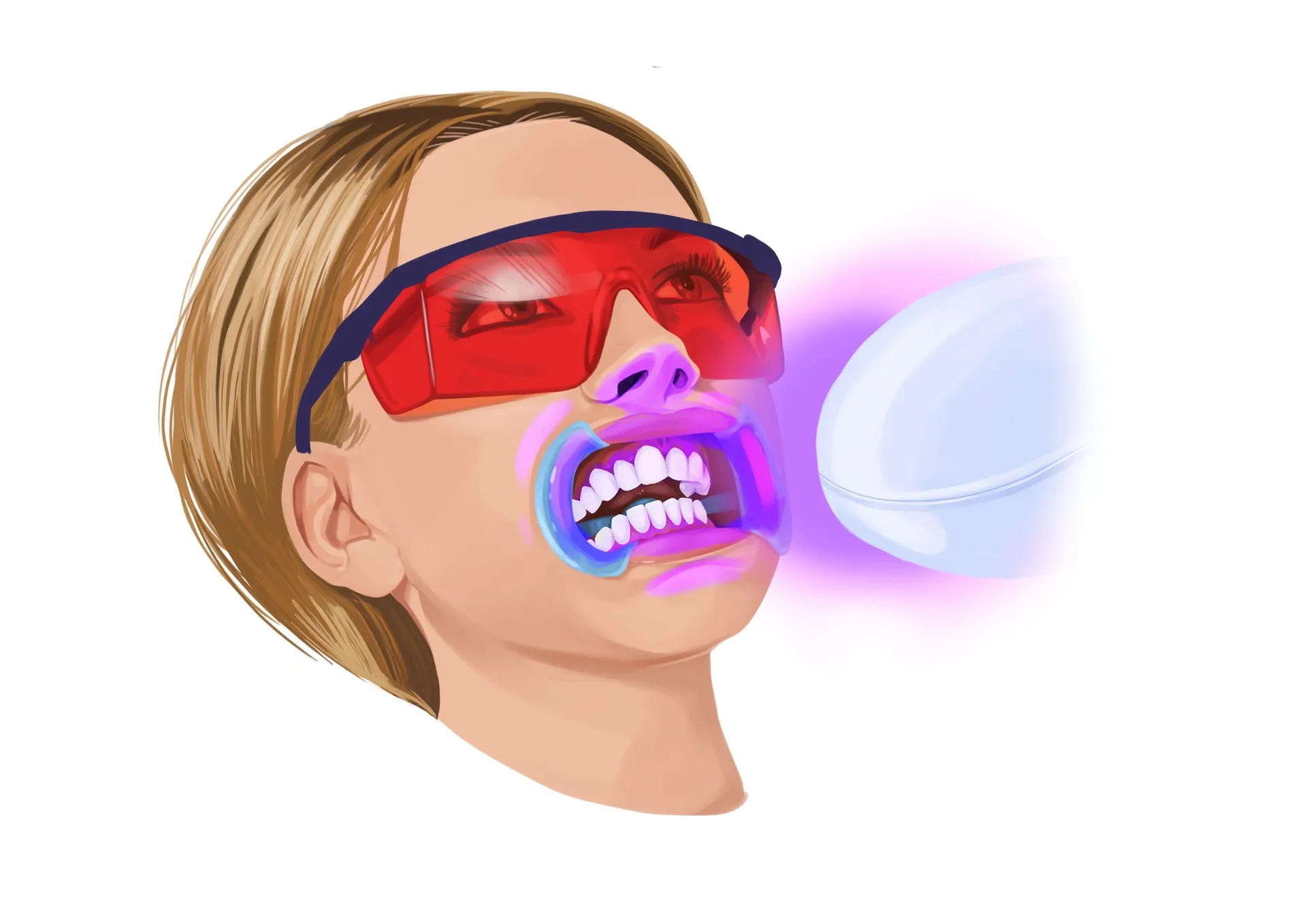
Understanding Teeth Whitening The Basics
Teeth whitening, also known as bleaching, is a popular cosmetic dental procedure designed to lighten the color of your teeth and remove stains and discoloration. It involves using bleaching agents to break down stains into smaller pieces, making them less concentrated and resulting in a brighter smile. The process can range from simple over-the-counter products to professional treatments administered by a dentist. This guide will delve into the various aspects of teeth whitening, helping you understand the costs involved and the options available to achieve a dazzling smile. Understanding the basics is crucial before considering any whitening treatment, as it sets the foundation for informed decision-making.
Types of Teeth Whitening Procedures
There are several types of teeth whitening procedures available, each with its own cost implications and effectiveness. Professional in-office whitening, performed by a dentist, typically involves a high concentration of bleaching agents and can provide immediate results. At-home whitening kits, often prescribed by a dentist or available over-the-counter, offer a more budget-friendly option, although they may take longer to show results. Whitening strips and toothpastes are another option, often used for mild stains or as a maintenance tool after more intensive treatments. The choice of procedure depends on factors such as the severity of the discoloration, your budget, and your desired outcome.
In-Office Teeth Whitening Cost Factors

In-office teeth whitening, although the most expensive option, often yields the quickest and most dramatic results. The cost of this procedure varies depending on several factors. The type of whitening system used by the dentist plays a significant role, as different brands and technologies have different price points. The dentist’s experience and expertise also influence the cost, with more experienced dentists often charging a premium for their services. Additionally, the geographic location of the dental practice affects the price, as costs of living and operating expenses differ across regions. Generally, in-office whitening can range from several hundred to over a thousand dollars.
At-Home Teeth Whitening Kit Cost
At-home teeth whitening kits offer a more affordable alternative to in-office treatments. These kits typically include custom-fitted trays and bleaching gel, allowing you to whiten your teeth at your convenience. The cost of at-home kits varies based on the type of kit and the concentration of the bleaching agent. Kits prescribed by a dentist are generally more expensive than over-the-counter options but often contain a higher concentration of peroxide, leading to better results. Over-the-counter kits are readily available but may require more time to achieve the desired level of whitening. The overall cost for these kits can range from under a hundred dollars to several hundred dollars, depending on the brand and the dentist’s involvement.
The Price of Whitening Strips
Whitening strips are one of the most accessible and cost-effective teeth whitening options available. They are widely available in drugstores and online, making them a convenient choice for many. The price of whitening strips is relatively low compared to other treatments, typically ranging from a few dollars to around fifty dollars per box. The cost depends on the brand, the number of strips included, and the concentration of the active whitening agent, usually hydrogen peroxide. While whitening strips can be effective for mild stains and provide noticeable results, they may not be suitable for severe discoloration or deep stains. Regular use as directed is essential to achieve the best results.
Teeth Whitening Dentist vs Home

Deciding between professional teeth whitening at a dentist’s office and at-home treatments involves weighing several factors. In-office whitening offers the advantage of immediate results and professional supervision, ensuring a safe and effective procedure. Dentists can use stronger bleaching agents and address any underlying dental issues, such as cavities or gum disease, before whitening. At-home options are more budget-friendly and convenient but require more time and discipline to achieve desired results. The effectiveness of home treatments can vary, and they may not be suitable for everyone, particularly those with sensitive teeth or severe stains. Consulting with a dentist can help you determine which option best suits your needs and dental health.
Factors Influencing Overall Cost
Several factors influence the overall cost of teeth whitening, including the specific type of treatment chosen, the experience and location of the dental professional, and any additional procedures required. The severity of the staining and the desired degree of whitening also play a role, as more extensive treatments will likely cost more. Understanding these factors is crucial for making informed decisions and budgeting for teeth whitening. For example, patients with more severe staining might require multiple in-office sessions or stronger at-home kits, increasing the overall cost.
Geographic Location
The geographic location significantly impacts the cost of teeth whitening. Dental practices in areas with higher costs of living, such as major cities, tend to charge more for their services compared to those in less populated areas. This is due to higher overhead costs, including rent, salaries, and supplies. Researching prices in your local area and comparing quotes from different dental practices is essential to find the most affordable option. Consider practices in nearby towns or cities, which may offer lower prices without compromising quality.
Experience of the Dentist

The experience and expertise of the dentist performing the teeth whitening procedure also influence the cost. Highly experienced dentists, particularly those with specialized training in cosmetic dentistry, may charge a premium for their services. Their experience can lead to better results and a lower risk of complications. While it may be tempting to opt for the least expensive option, considering the dentist’s credentials, reviews, and before-and-after photos is essential. Choosing an experienced dentist ensures you receive high-quality care and achieve the desired results safely.
Complexity of the Case
The complexity of the case can significantly affect the cost of teeth whitening. Cases involving severe discoloration, deep stains, or underlying dental issues may require more extensive treatment. For example, patients with tetracycline staining, a type of discoloration caused by antibiotic use, may require multiple in-office sessions or a combination of treatments to achieve the desired results. Pre-existing dental work, such as fillings or crowns, can also complicate the process, as these materials do not whiten with the same intensity as natural tooth enamel. The dentist will evaluate the complexity of your case during the initial consultation to provide an accurate cost estimate.
Additional Costs to Consider
Beyond the primary cost of the teeth whitening procedure, additional expenses may arise. These can include consultation fees, maintenance products, and potential costs associated with addressing any underlying dental issues. Being aware of these potential costs helps you budget effectively and avoid surprises. Before undergoing any teeth whitening treatment, discuss all potential costs with your dentist and ensure you understand the payment options available.
Consultation Fees

Many dental practices charge a consultation fee for the initial examination and assessment of your teeth. This fee covers the dentist’s time, the examination, and the development of a personalized treatment plan. While some practices may waive the consultation fee if you proceed with the whitening treatment, others may charge it separately. It’s essential to inquire about the consultation fee before scheduling an appointment to understand the total cost involved.
Maintenance Products
To maintain the results of your teeth whitening treatment, you may need to purchase maintenance products, such as whitening toothpaste, mouthwash, or at-home touch-up kits. These products help to remove surface stains and prevent new stains from forming. The cost of these maintenance products varies depending on the brand and the type of product. Including the cost of maintenance products in your budget ensures that your teeth remain bright and white long after the initial treatment.
Insurance Coverage for Teeth Whitening
In most cases, dental insurance does not cover teeth whitening, as it is considered a cosmetic procedure. However, some insurance plans may cover a portion of the cost if the whitening is deemed medically necessary, such as to address discoloration caused by a medical condition or a specific medication. Checking with your insurance provider before starting the treatment is important to understand your coverage and any out-of-pocket expenses. Consider alternative financing options, such as payment plans or dental credit cards, to make the treatment more affordable.
Finding Affordable Teeth Whitening Options

Finding affordable teeth whitening options requires research, comparison shopping, and understanding the various available alternatives. Compare prices from different dental practices, and inquire about any special offers or discounts. Consider less expensive options, such as at-home whitening kits or whitening strips, if your staining is mild. Exploring different options ensures that you can achieve your desired results without exceeding your budget. Additionally, look into financing options to spread the cost of treatment over time.
Tips for Saving Money
Several strategies can help you save money on teeth whitening. Compare prices from different dentists and inquire about any ongoing promotions or discounts. Consider less expensive at-home treatments if your teeth are not severely stained. Maintain good oral hygiene practices, including regular brushing, flossing, and dental check-ups, to prevent stains and reduce the need for more expensive treatments. Look for dental schools or clinics that offer reduced rates for teeth whitening procedures performed by supervised students or residents. Consider purchasing whitening strips and other at-home treatments during sales.
Comparing Costs by Procedure Type
When comparing the costs of teeth whitening procedures, it’s essential to consider the overall value and the results you can expect. In-office whitening is typically the most expensive option but offers immediate and dramatic results. At-home whitening kits and whitening strips are more affordable but may require more time and commitment to achieve the desired level of whitening. Evaluate the benefits and drawbacks of each procedure based on your individual needs, budget, and desired outcome. Choosing the right procedure ensures you achieve a brighter smile without overspending.
In conclusion, teeth whitening costs vary widely depending on the type of procedure, the dentist’s experience, and your geographic location. By understanding the factors influencing the cost and exploring affordable options, you can achieve a brighter smile without breaking the bank. Consider all available options, research different providers, and discuss your needs with a dental professional to make an informed decision that fits your budget and aesthetic goals. A beautiful, confident smile is within reach with careful planning and the right choices.