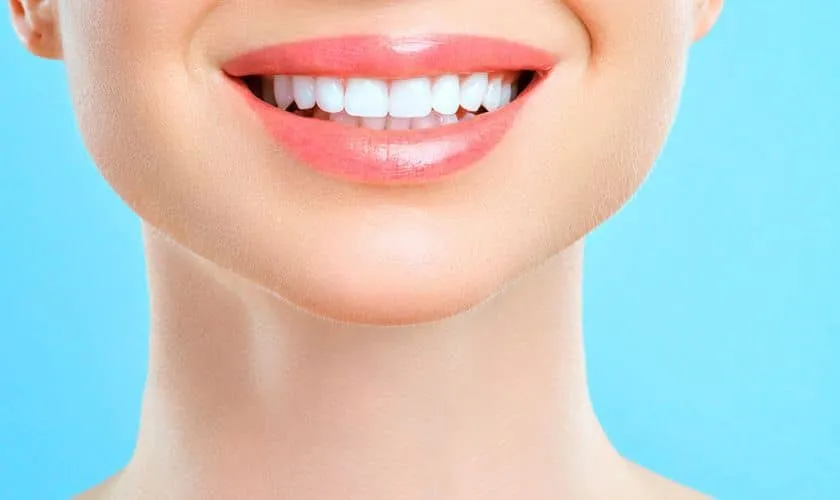
Understanding Teeth Whitening
Teeth whitening is a popular cosmetic dental procedure designed to lighten the color of your teeth and remove stains and discoloration. It’s a non-invasive treatment that can significantly enhance the appearance of your smile, boosting your confidence. Various factors, including genetics, aging, and lifestyle choices like smoking and consuming staining foods and drinks, can lead to teeth discoloration. Teeth whitening works by using bleaching agents to break down these stains, leaving your teeth looking brighter and more vibrant. Understanding the basics of teeth whitening is the first step towards achieving a dazzling smile.
How Teeth Whitening Works
Teeth whitening primarily works through the use of bleaching agents, most commonly hydrogen peroxide or carbamide peroxide. These agents penetrate the enamel of your teeth, breaking down the molecules that cause stains. The process effectively lightens the overall shade of your teeth. The concentration of the bleaching agent and the duration of its contact with your teeth determine the effectiveness of the whitening. For instance, professional treatments use higher concentrations and may require multiple sessions to achieve the desired results. At-home kits contain lower concentrations, requiring more extended use for noticeable changes. The goal is to remove the stains and restore the natural color of your teeth, leading to a healthier and more appealing smile.
Types of Teeth Whitening

There are several types of teeth whitening options available, catering to different needs and preferences. These include at-home kits, professional treatments, and over-the-counter products. At-home kits often involve custom-fitted trays or strips containing a bleaching agent, allowing you to whiten your teeth at your convenience. Professional treatments, performed by a dentist, involve a more potent bleaching solution and can deliver faster and more dramatic results. Over-the-counter products, such as whitening toothpaste and mouthwashes, offer a milder approach to whitening, primarily focusing on removing surface stains. Each method has its advantages and disadvantages, considering factors like effectiveness, cost, and convenience.
At-Home Whitening Options
At-home whitening options provide a convenient and cost-effective way to brighten your smile. These include whitening strips, gels, and custom-fitted trays. Whitening strips are thin, flexible strips coated with a bleaching agent, applied directly to your teeth. Whitening gels are applied using a tray and are typically used with custom-fitted trays for better coverage and results. While these options are generally safe, it’s essential to follow the instructions carefully to avoid sensitivity or other side effects. Be sure to consult with your dentist before starting any at-home whitening treatment to ensure it’s appropriate for your specific dental situation and to learn about potential risks and how to mitigate them.
Professional Whitening Treatments
Professional teeth whitening treatments offer a more effective and controlled approach to whitening. Performed by a dentist, these treatments use a higher concentration of bleaching agents, yielding faster and more noticeable results. The dentist will typically protect your gums and soft tissues before applying the whitening agent. These treatments may also involve the use of special lights or lasers to accelerate the whitening process. Professional whitening is ideal for individuals seeking dramatic improvements quickly, especially those with significant staining or discoloration. Consulting your dentist ensures the treatment is safe and suitable for your oral health.
The Importance of Brushing

Brushing your teeth is a cornerstone of good oral hygiene, critical for maintaining healthy teeth and gums. Brushing removes plaque, a sticky film of bacteria that constantly forms on your teeth. If not removed, plaque can lead to cavities, gum disease, and other dental problems. Brushing also helps to remove food particles and debris, preventing bad breath and keeping your mouth feeling fresh. Regular brushing, combined with flossing and a balanced diet, is essential for a healthy, vibrant smile. It’s the first line of defense against dental issues and should be a consistent part of your daily routine.
Why Brushing is Crucial for Oral Health
Brushing plays a vital role in oral health by preventing the buildup of plaque and bacteria. These bacteria produce acids that erode tooth enamel, leading to cavities and decay. Furthermore, plaque can irritate the gums, causing inflammation and potentially leading to gingivitis and periodontal disease. Proper brushing removes these harmful substances, promoting healthier gums and preventing tooth loss. Regular brushing also helps to remove surface stains, contributing to a brighter smile. By incorporating brushing into your daily routine, you’re actively protecting your oral health and maintaining a confident, healthy smile.
Proper Brushing Techniques
Effective brushing involves more than just moving a toothbrush around your mouth; it requires the correct technique. Use a soft-bristled toothbrush and apply gentle, circular motions to clean all surfaces of your teeth, including the outer, inner, and chewing surfaces. Hold your toothbrush at a 45-degree angle to your gums, ensuring you reach the gum line to remove plaque effectively. Brush for at least two minutes, twice a day, dedicating equal time to each quadrant of your mouth. Don’t forget to brush your tongue to remove bacteria and freshen your breath. Replacing your toothbrush every three to four months, or sooner if the bristles become frayed, is also critical for maintaining optimal cleaning effectiveness.
How to Prepare for Teeth Whitening

Proper preparation is key to maximizing the benefits of teeth whitening and minimizing potential side effects. Start by consulting your dentist to ensure you’re a suitable candidate for the procedure and to address any underlying dental issues, such as cavities or gum disease. Your dentist might recommend a professional cleaning to remove plaque and tartar, allowing the whitening agent to penetrate your enamel more effectively. If you have sensitive teeth, your dentist may suggest using a desensitizing toothpaste for a few weeks before whitening. Avoid using whitening products if you have any active dental problems or are pregnant. Proper preparation enhances the effectiveness of the whitening treatment and ensures a safer, more comfortable experience.
Brushing Before Whitening
Brushing your teeth before whitening is generally recommended. Brushing removes food particles, debris, and surface stains that can interfere with the whitening process. It creates a clean surface, allowing the whitening agent to come into direct contact with your enamel. However, wait at least 30 minutes after brushing before applying any whitening product. This delay allows your enamel to re-harden, which reduces sensitivity during the whitening treatment. Additionally, it prevents the mixing of the whitening product with toothpaste residue, which could reduce its effectiveness. Proper brushing, followed by a short waiting period, is an ideal starting point for the most effective teeth whitening.
The Benefits of Brushing Before Whitening
Brushing before whitening offers several significant benefits. Firstly, it removes surface debris and stains, which can hinder the bleaching agent’s effectiveness. This cleaning action ensures the whitening product can directly target the discoloration within your enamel, providing better results. Secondly, brushing helps remove plaque, a sticky film of bacteria that can irritate your gums and potentially affect the whitening process. By starting with a clean mouth, you can minimize the chance of uneven whitening or increased sensitivity. Furthermore, brushing before whitening helps to freshen your breath and create a more comfortable experience. Therefore, incorporating brushing into your pre-whitening routine can enhance both the effectiveness and the comfort of the teeth whitening process.
The Ideal Timing

The ideal timing for brushing in relation to teeth whitening involves a short delay between the two. Brush your teeth thoroughly about 30 minutes before applying the whitening product. This allows your enamel to re-harden and reduces the risk of sensitivity. The timing ensures that the bleaching agent can work efficiently without interference from toothpaste residue. Avoid brushing immediately before applying a whitening product to achieve the best results and minimize potential side effects. Following this simple guideline maximizes the effectiveness of the whitening treatment and safeguards your oral health.
After Whitening Care
Post-whitening care is crucial for maintaining your newly brightened smile and preventing any adverse effects. Avoid consuming staining foods and beverages, such as coffee, tea, red wine, and dark sauces, for at least 24 to 48 hours after the treatment. These can re-stain your teeth, negating the effects of whitening. Also, use a soft-bristled toothbrush and consider using a toothpaste designed for sensitive teeth, which can help to alleviate any temporary sensitivity. Regular dental checkups and cleanings are essential to maintain your results and address any potential issues. Good aftercare practices ensure the longevity of your whitening results and a healthy, radiant smile.
Maintaining Your White Smile
Maintaining your white smile involves a combination of good oral hygiene and mindful lifestyle choices. Continue brushing your teeth twice a day, flossing daily, and visiting your dentist for regular checkups and cleanings. Limit your consumption of staining foods and beverages. If you do consume these items, rinse your mouth with water immediately afterward or brush your teeth to minimize their impact. Consider using a whitening toothpaste or mouthwash to help maintain the brightness of your teeth. Touch-up treatments can be performed at home or by your dentist if you notice your teeth starting to lose their brightness. By consistently practicing these habits, you can enjoy a long-lasting, brilliant smile.
Foods and Drinks to Avoid

Certain foods and drinks can stain your teeth and diminish the results of teeth whitening. Minimizing or avoiding these items is crucial for maintaining your bright smile. Coffee, tea, red wine, and dark-colored sodas are notorious for staining teeth. Berries, such as blueberries and raspberries, and dark sauces like soy sauce and balsamic vinegar can also contribute to discoloration. Smoking and chewing tobacco are major culprits, causing significant staining. If you consume staining foods or drinks, rinsing your mouth with water immediately afterward can help reduce their impact. Brushing your teeth after consumption can also help, but wait at least 30 minutes after consuming acidic foods or beverages to avoid damaging your enamel.
Dental Hygiene Routine
A consistent dental hygiene routine is the cornerstone of maintaining a healthy, bright smile. This involves brushing your teeth thoroughly twice a day for two minutes each time, using a soft-bristled toothbrush and fluoride toothpaste. Flossing daily is equally important to remove plaque and food particles from between your teeth and along the gum line, areas that your toothbrush can’t reach. Rinsing your mouth with an antimicrobial mouthwash can help to kill bacteria and further freshen your breath. Visiting your dentist for regular checkups and professional cleanings, typically every six months, is essential for detecting and addressing any potential dental issues. A comprehensive dental hygiene routine ensures optimal oral health and enhances the results of teeth whitening.
Other Considerations
Several other factors can influence the effectiveness and safety of teeth whitening. Always consult your dentist before undergoing any whitening treatment, especially if you have existing dental work such as fillings, crowns, or veneers, as these may not whiten in the same way as your natural teeth. Individuals with sensitive teeth should discuss their options with their dentist, as certain treatments or products might exacerbate sensitivity. Avoid using whitening products if you are pregnant or breastfeeding. Be aware that the results of teeth whitening can vary based on individual factors, such as the type of staining and the natural shade of your teeth. Understanding these considerations will help you make informed decisions about teeth whitening.
Sensitivity and Whitening

Teeth sensitivity is a common side effect of teeth whitening. The bleaching agents can temporarily make your teeth more sensitive to hot and cold temperatures. This sensitivity is usually mild and temporary, resolving within a few days after the treatment. To manage sensitivity, use a toothpaste designed for sensitive teeth, which contains ingredients that help to block the tubules in your enamel and reduce sensitivity. Avoid excessively hot or cold foods and drinks. Your dentist may also recommend a fluoride treatment or a desensitizing agent. If the sensitivity is severe or persistent, consult your dentist for further guidance and potential adjustments to your whitening treatment.
Consulting Your Dentist
Consulting your dentist is crucial before undergoing any teeth whitening procedure. Your dentist can assess your oral health, identify any underlying dental issues, and determine if teeth whitening is appropriate for you. They can also recommend the most suitable whitening method based on your specific needs and the condition of your teeth. Your dentist can provide professional whitening treatments that deliver faster and more effective results. Furthermore, your dentist can advise you on the best practices for pre- and post-whitening care, minimizing any potential risks and ensuring a successful outcome. Seeking professional advice guarantees a safer and more effective whitening experience, protecting your oral health while enhancing your smile.