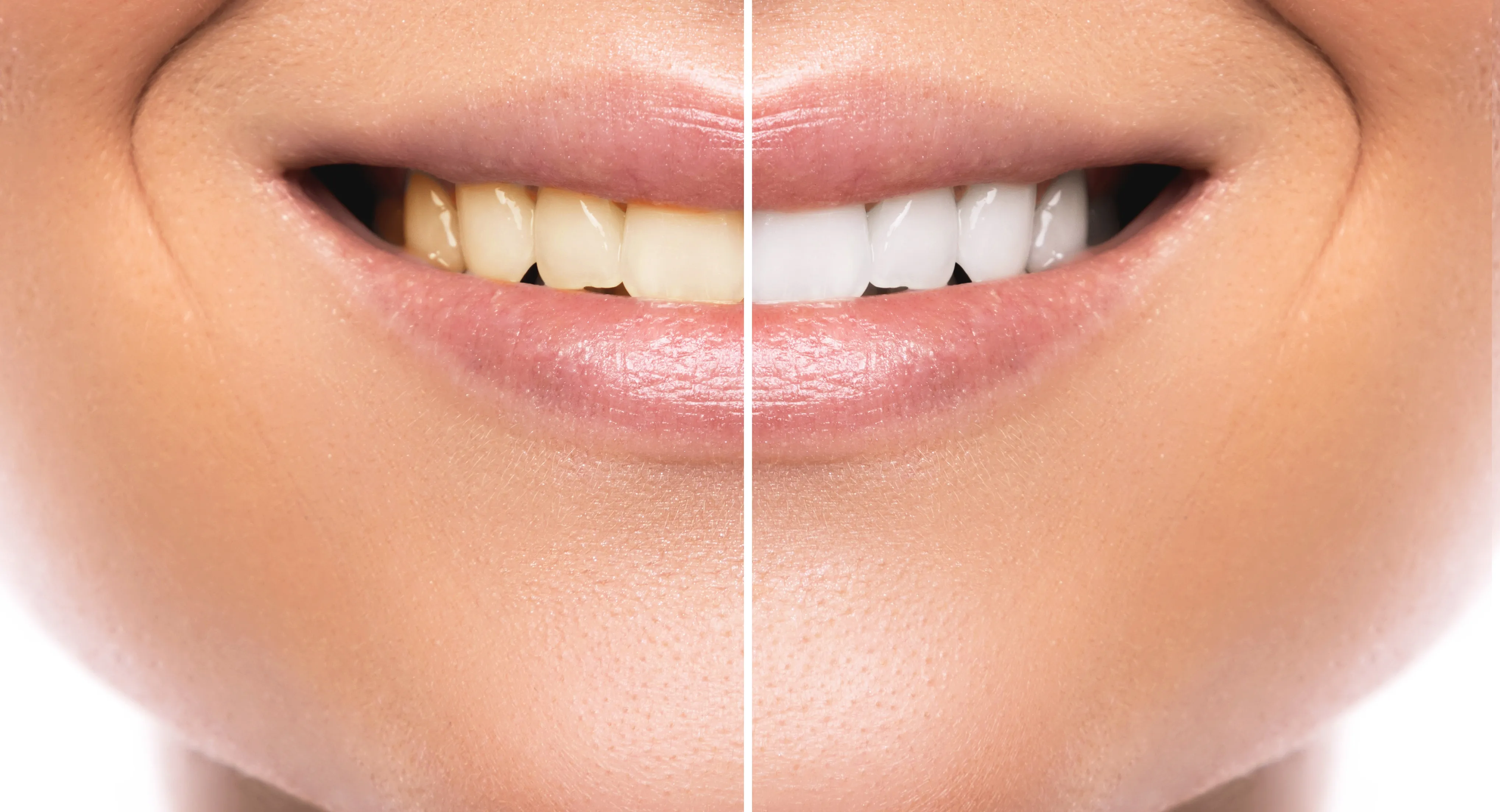
Understanding Teeth Whitening Basics
Teeth whitening has become a highly sought-after cosmetic procedure, offering a pathway to a brighter, more confident smile. But before diving into the various methods, it’s essential to grasp the fundamental principles behind how teeth whitening works. This process primarily involves bleaching the teeth to lighten their shade, reducing the appearance of stains and discoloration. The effectiveness and longevity of the results largely depend on the type of whitening treatment chosen, the individual’s oral health, and their adherence to post-whitening care. Understanding these basics provides a solid foundation for making informed decisions and achieving optimal outcomes in your teeth whitening journey.
Types of Teeth Whitening
There are various approaches to teeth whitening, each with its own set of advantages and considerations. These methods range from professional treatments administered by dentists to over-the-counter products available for home use. The choice of method depends on individual preferences, the severity of the staining, and budget constraints. Understanding the different options allows you to select the one that best suits your needs and expectations, paving the way for a dazzling, radiant smile. Let’s explore the most common types of teeth whitening treatments available to help you make an informed choice.
In-Office Whitening

In-office teeth whitening, performed by a dental professional, is typically the most effective and fastest method. The dentist applies a high-concentration bleaching agent to the teeth, often activated by a special light or laser to accelerate the process. This procedure can significantly lighten teeth shades in a single visit, offering immediate results. The main advantage of in-office whitening is the controlled environment and the dentist’s ability to monitor and manage any sensitivity. However, it tends to be more expensive than at-home methods. It is a great option for individuals seeking dramatic and immediate results with professional supervision. Image in-office-teeth-whitening.webp
At-Home Whitening Kits
At-home teeth whitening kits provide a convenient and cost-effective alternative. These kits typically include custom-fitted trays and a lower-concentration bleaching gel. Patients wear the trays for a specified period each day or night, as directed by their dentist. The gradual application allows for a more controlled whitening process, reducing the risk of sensitivity. While the results may not be as rapid as in-office treatments, at-home kits can still provide noticeable improvements over several weeks. Regular check-ins with your dentist are recommended to ensure proper usage and monitor progress. Image at-home-teeth-whitening.webp
Whitening Toothpastes and Rinses
Whitening toothpastes and rinses are readily available over-the-counter and offer a gentle approach to teeth whitening. They often contain mild abrasives or chemical agents that help remove surface stains. These products are most effective at maintaining the whiteness of teeth after professional treatments or at-home whitening. However, they cannot significantly change the intrinsic color of the teeth. Regular use can help to prevent new stains and contribute to overall oral hygiene. It’s important to note that overuse of abrasive toothpastes can potentially damage enamel, so following the product instructions is crucial. Image whitening-toothpaste.webp
Factors Influencing Teeth Whitening Success
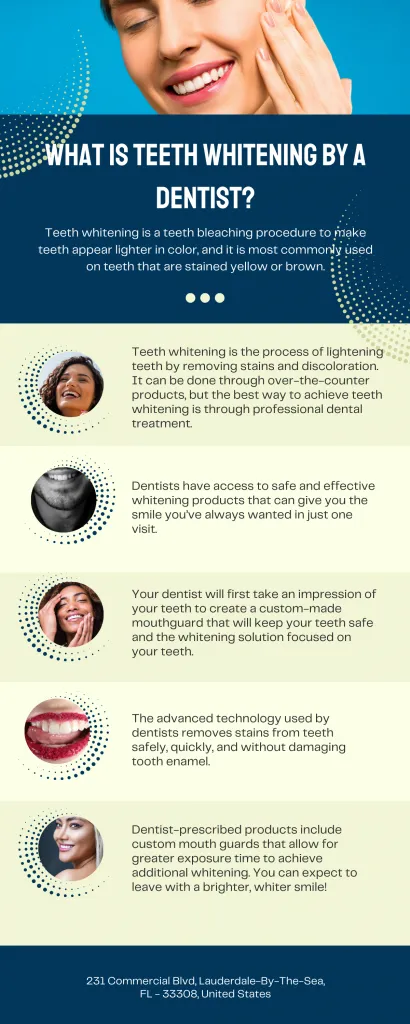
Several factors influence the effectiveness and longevity of teeth whitening. Understanding these elements can help manage expectations and optimize the results. These factors range from the natural shade of your teeth to the type of stains present and your overall dental health. By considering these key variables, you can develop a more realistic view of the outcome and ensure that you select the most suitable teeth whitening approach for your specific needs. Addressing these aspects proactively will lead to a more satisfying and lasting outcome.
Your Natural Tooth Shade
The natural shade of your teeth plays a significant role in determining the final outcome of teeth whitening. Individuals with naturally lighter shades typically experience better and more dramatic results. Teeth that are darker or have a yellow or gray undertone may require multiple treatments or a stronger bleaching agent to achieve the desired level of whiteness. The initial shade of your teeth serves as a baseline for evaluating progress throughout the whitening process. It’s crucial to have realistic expectations and be prepared for potentially several sessions, depending on your natural tooth color. Image teeth-shade-chart.webp
Stain Type
The type of stains affecting your teeth also significantly impacts the effectiveness of teeth whitening. Extrinsic stains, which appear on the surface, such as those caused by coffee, tea, and smoking, are generally easier to remove. Intrinsic stains, which are deeper within the tooth structure, often require more intensive treatment. These can be caused by medications, aging, or trauma. The type of stain will influence the choice of whitening method and the number of sessions required to achieve the desired result. Consulting with a dentist to determine the type of stain present is essential for selecting the most appropriate treatment plan.
Dental Health

Your overall dental health is a critical factor in teeth whitening success. It is important to address any existing dental issues before starting a whitening treatment. Teeth with cavities, gum disease, or other dental problems may experience increased sensitivity during the process. The presence of fillings, crowns, or veneers will not be affected by the whitening agent, potentially resulting in uneven results. A comprehensive dental check-up and cleaning are essential to ensure the best possible outcome and to address any potential underlying issues that could interfere with the whitening process. Image dental-checkup.webp
Following Instructions
Adhering to the instructions provided by your dentist or the product manufacturer is paramount for successful teeth whitening. Whether you choose an in-office treatment or an at-home kit, following the guidelines ensures safety and maximizes effectiveness. This includes the correct application of the whitening agent, the duration of each treatment, and any specific post-treatment care instructions. Failing to follow these instructions can lead to unsatisfactory results, increased sensitivity, or other complications. Always consult with your dentist if you have any questions or concerns about the instructions.
Maximizing Teeth Whitening Results
To achieve the best possible outcomes from teeth whitening, consider several strategies. These include selecting the appropriate whitening method, seeking professional consultation, and utilizing proper application techniques. Furthermore, understanding and implementing post-whitening care is crucial for maintaining the results and ensuring the long-term health of your teeth. By combining these factors, you can optimize your teeth whitening experience, resulting in a brighter, more confident smile that lasts. Let’s explore the key steps for maximizing your teeth whitening journey.
Professional Consultation

Consulting with a dental professional is a vital step in the teeth whitening process. A dentist can assess your oral health, determine the underlying cause of discoloration, and recommend the most suitable whitening method. They can also address any existing dental issues and ensure that the whitening treatment is safe and appropriate for your specific needs. A professional consultation helps to set realistic expectations, monitor progress, and provide guidance throughout the process. It offers peace of mind and ensures that the whitening treatment is effective and tailored to your individual requirements.
Choosing the Right Whitening Method
Selecting the right teeth whitening method depends on several factors, including the severity of staining, your desired results, and your budget. In-office treatments offer the fastest results, while at-home kits provide a more convenient and cost-effective option. The choice should be made in consultation with your dentist. The dentist can evaluate your teeth, explain the pros and cons of each method, and recommend the most suitable option. They will also consider your lifestyle and preferences to ensure you choose the most effective and practical approach for achieving a brighter smile. Regular maintenance is also a very important factor when choosing the appropriate teeth whitening method.
Proper Application Techniques
Correctly applying the teeth whitening agent is essential for achieving optimal results and avoiding potential side effects. This involves following the instructions provided by your dentist or the product manufacturer meticulously. Whether using trays, strips, or a brush-on application, make sure to apply the whitening agent evenly across the teeth. Avoid contact with the gums to prevent irritation. Proper application techniques include the use of the correct amount of product, adhering to the recommended treatment duration, and avoiding swallowing any of the agent. By taking care in application, you will enhance the effectiveness of the treatment and safeguard your oral health.
Post-Whitening Care

Post-whitening care plays a crucial role in maintaining your bright, white smile and preventing new stains. This includes avoiding foods and beverages that can stain teeth, such as coffee, tea, red wine, and dark-colored berries. Furthermore, it is advisable to stop smoking, as it is a significant cause of discoloration. Regular oral hygiene practices, including brushing twice a day and flossing daily, are essential. Using a whitening toothpaste and scheduling regular dental check-ups can help extend the longevity of your results. Image teeth-whitening-diet.webp
Maintaining Your Bright Smile
Once you have achieved your desired level of whiteness, maintaining your bright smile requires a consistent approach to oral care and lifestyle choices. This involves adopting habits that prevent new stains and prolong the effects of your teeth whitening treatment. Factors such as dietary choices, oral hygiene practices, and regular professional check-ups significantly impact the longevity of your results. By incorporating these practices into your daily routine, you can enjoy a dazzling smile for years to come. Image teeth-whitening-diet.webp
Dietary Considerations
Your diet plays a vital role in maintaining the results of your teeth whitening treatment. Certain foods and beverages can stain teeth and reduce the effectiveness of the whitening process. Foods and drinks with strong colors, such as coffee, tea, red wine, berries, and dark sauces, should be consumed in moderation, or avoided altogether. Using a straw when consuming these beverages can help to minimize contact with your teeth. Rinsing your mouth with water or brushing your teeth shortly after consuming staining foods can also help prevent discoloration. By being mindful of your diet, you can preserve your bright smile for an extended period. Image teeth-whitening-diet.webp
Oral Hygiene Practices

Maintaining good oral hygiene is essential for keeping your teeth white and healthy. Brushing your teeth at least twice a day with a fluoride toothpaste helps remove plaque, food particles, and surface stains. Flossing daily removes plaque and debris from between teeth, where a toothbrush can’t reach. Using an antimicrobial mouthwash can further reduce bacteria and prevent the buildup of stains. Regular oral hygiene habits help to keep teeth clean and prevent the accumulation of staining agents. Consistent oral hygiene practices are important for long-lasting whiteness and a healthy smile.
Regular Dental Check-ups
Regular dental check-ups and professional cleanings are crucial for maintaining a bright, healthy smile. During these visits, your dentist can remove any accumulated plaque, tartar, and surface stains that can dull your teeth. They can also identify any potential dental issues that could affect the results of your whitening treatment. Professional cleanings help keep your teeth stain-free, while a dentist can recommend additional whitening treatments or maintenance strategies to prolong your results. Scheduling regular check-ups is an essential component of any oral care routine, ensuring long-term oral health and a dazzling smile. Image dental-checkup.webp