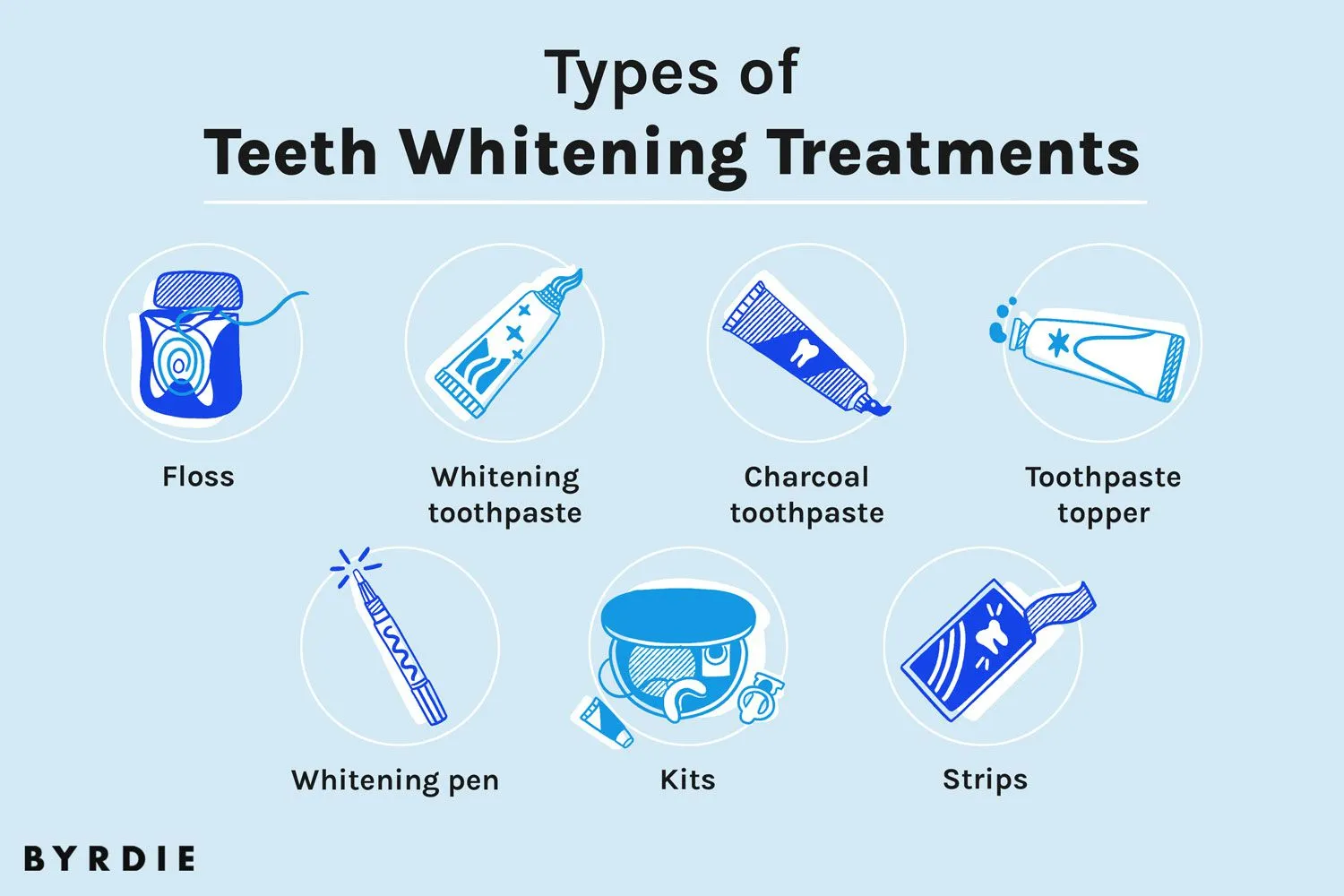
Understanding Teeth Whitening
Teeth whitening, also known as tooth bleaching, is a cosmetic dental procedure aimed at lightening the color of your teeth. The process removes stains and discoloration, restoring a brighter, more youthful smile. It is a popular and effective way to enhance your appearance and boost your confidence. The effectiveness of teeth whitening depends on the type and severity of the stains, as well as the chosen whitening method. Understanding the basics is key to achieving the best results and maintaining a healthy, radiant smile. Various methods are available, each with its own advantages and considerations, from professional treatments to at-home solutions. Proper preparation and maintenance are crucial for long-lasting effects.
How Teeth Whitening Works
Teeth whitening works by using bleaching agents, most commonly hydrogen peroxide or carbamide peroxide, to penetrate the enamel and dentin of your teeth. These agents break down the stain molecules, which results in a lighter tooth color. The effectiveness of the process is determined by the concentration of the bleaching agent, the duration of exposure, and the individual characteristics of your teeth. Some methods require activation by light or heat to accelerate the whitening process. Understanding how the process functions helps in making informed decisions about which method suits you best. It’s essential to consult with a dentist to understand the most effective options and potential risks associated with each approach, ensuring the safety and health of your teeth.
Factors Influencing Teeth Staining

Several factors contribute to teeth staining, impacting the effectiveness of whitening treatments and the longevity of results. Dietary habits play a major role; foods and drinks like coffee, tea, red wine, and berries contain pigments that can stain teeth over time. Tobacco use is another significant factor, leading to yellowing and discoloration. Aging can also cause teeth to appear darker as the enamel thins and the underlying dentin becomes more visible. Certain medications, such as tetracycline, can cause internal staining, making whitening more challenging. Genetic factors and oral hygiene practices also influence tooth color. Regular dental check-ups and adopting good oral hygiene habits, including proper brushing and flossing, can prevent stains and maintain a brighter smile.
Top 5 Teeth Whitening Methods
Professional Teeth Whitening
Professional teeth whitening, performed by a dentist, is often the most effective method for achieving dramatic results. This procedure typically involves a higher concentration of bleaching agents than at-home treatments, leading to faster and more significant whitening. The dentist will apply the whitening solution to your teeth and may use a special light or laser to activate the bleach and enhance the whitening effect. This method is generally safer because the dentist can monitor your gums and teeth, minimizing the risk of sensitivity or damage. It’s ideal for individuals seeking immediate and noticeable improvements in their smile. While it might be more expensive, the results are often worth the investment for those seeking a significantly brighter appearance.
In-Office Whitening Procedures

In-office whitening procedures usually take about an hour, offering a convenient option for busy individuals. The process involves a thorough examination to assess the condition of your teeth and gums, followed by isolation of the gums to protect them from the bleaching agent. The dentist then applies a high-concentration hydrogen peroxide solution to the teeth. A special light or laser may be used to accelerate the whitening process. Multiple applications may be done during the session to achieve the desired shade. After the procedure, your dentist will provide you with instructions on how to maintain your results and manage any sensitivity. The entire process is conducted under professional supervision, ensuring safety and effectiveness.
The cost of professional teeth whitening varies depending on factors like the location, the dentist’s fees, and the specific whitening system used. While it is typically more expensive than at-home treatments, the benefits are often significant. The results are faster and more dramatic, providing a boost to your confidence. Moreover, professional supervision minimizes the risk of complications like tooth sensitivity or gum irritation. You’ll also receive personalized guidance from a dental professional, ensuring the most suitable approach for your teeth. In-office whitening is a reliable and effective way to achieve a significantly brighter smile and improve your overall appearance.
At-Home Whitening Kits
At-home whitening kits provide a convenient and cost-effective alternative to professional treatments. These kits typically include whitening strips, trays, or gels, along with detailed instructions for use. They often contain a lower concentration of bleaching agents, making them generally safer for unsupervised use. However, the results may not be as dramatic or immediate as professional whitening. It’s essential to follow the instructions carefully to avoid gum irritation or tooth sensitivity. Consulting with your dentist before starting an at-home whitening regimen is advisable to determine if it’s suitable for your teeth and to get personalized recommendations. The effectiveness of at-home kits varies, but consistent use can lead to noticeable improvements in the brightness of your teeth.
Whitening Strips
Whitening strips are one of the most popular at-home whitening options. They are thin, flexible strips coated with a peroxide-based bleaching agent. You apply the strips directly to your teeth, following the instructions for the recommended duration, usually 30 minutes daily. The strips are easy to use and relatively affordable. Results can typically be seen within a few days of use. However, they may not reach every surface of your teeth, particularly in crowded areas. Sensitivity is a common side effect, and the strips may not be suitable for everyone. Consistent use is crucial to maintain the results, which may not be as long-lasting as professional treatments. Choosing a reputable brand and following the instructions are key to achieving the best and safest results.
Whitening Toothpaste

Whitening toothpaste contains mild abrasives or chemical agents designed to remove surface stains. While they can help remove surface stains and prevent new ones from forming, they typically do not change the intrinsic color of your teeth. Whitening toothpastes are a convenient and affordable option for maintaining a brighter smile, but their whitening power is limited. Look for toothpastes containing ingredients like hydrated silica or hydrogen peroxide. Regular use, combined with good oral hygiene habits, can contribute to a cleaner and brighter appearance. However, if you have significant discoloration, whitening toothpaste alone may not produce the desired results.
Whitening Gels and Trays
Whitening gels and trays offer a more customized at-home whitening experience. These kits typically include custom-fitted trays that you fill with a whitening gel, often containing carbamide peroxide or hydrogen peroxide. You wear the trays for a specific amount of time, typically a few hours a day or overnight, based on the product instructions. The custom trays ensure even coverage of the whitening agent across your teeth. These systems are generally more effective than whitening strips because of better contact with the teeth. Results can be significant, but sensitivity can be a side effect. Consultation with a dentist before using these kits is advisable to ensure they are suitable for your teeth and to prevent any complications.
Natural Teeth Whitening
Natural teeth whitening methods use ingredients and techniques that aim to lighten teeth without harsh chemicals. These methods are often promoted as a more gentle and natural way to achieve a brighter smile. The effectiveness of these methods can vary, and they may not produce the same dramatic results as professional treatments or at-home kits. Always consult with your dentist before trying these methods to ensure they are safe and appropriate for your teeth. While some natural methods can help remove surface stains and contribute to better oral hygiene, they are not always effective against deep discoloration.
Baking Soda and Hydrogen Peroxide

A common DIY teeth whitening method involves mixing baking soda and hydrogen peroxide to create a paste. Baking soda acts as a mild abrasive, helping to remove surface stains. Hydrogen peroxide acts as a mild bleaching agent. Apply the paste to your teeth and gently brush for a short period. While this method can help remove surface stains, it may not be as effective for deep-seated discoloration. Excessive use of baking soda can erode the enamel, so moderation is important. Consulting a dentist is recommended to ensure this method is suitable for your teeth and does not cause any damage. Regular use might lead to increased sensitivity.
Coconut Oil Pulling
Oil pulling involves swishing coconut oil in your mouth for a specific duration, usually 10-20 minutes, to remove bacteria and potentially whiten teeth. Coconut oil possesses antimicrobial properties that may help reduce plaque and bacteria, contributing to a cleaner mouth. While oil pulling is not a strong bleaching agent, it may help remove surface stains and improve overall oral health. Make sure you don’t swallow the oil, as it contains the bacteria and toxins you are trying to remove. It is often used as a supplementary practice alongside regular brushing and flossing. The results may be subtle and might not be as effective as other whitening methods.
Foods for Teeth Whitening
Certain foods can naturally contribute to teeth whitening or help prevent staining. Including these foods in your diet can help maintain a brighter smile. It’s essential to remember that these foods complement other whitening methods and don’t replace professional treatments. Proper oral hygiene and regular dental check-ups remain essential for maintaining a healthy and bright smile.
Fruits to Consider

Some fruits, such as strawberries and apples, can contribute to a naturally whiter smile. Strawberries contain malic acid, which acts as a natural astringent and can help remove surface stains. Apples, due to their crunchy texture, can act as a natural toothbrush, helping to scrub away plaque and stains. Citrus fruits like lemons and oranges, though they contain citric acid, should be used with caution, as excessive exposure can erode enamel. Include these fruits in your diet as a part of your daily routine, but don’t rely on them solely for teeth whitening. Proper oral hygiene practices must be practiced alongside these dietary habits.
Vegetables to Consider
Crunchy vegetables like carrots, celery, and cucumbers can act as natural toothbrushes, helping to remove surface stains and plaque. Their fibrous texture stimulates saliva production, which helps neutralize acids that can erode enamel. The act of chewing these vegetables also helps to clean the teeth. Including these vegetables in your daily meals can contribute to improved oral hygiene and help maintain a brighter smile. Remember to always brush and floss after eating, and use these vegetables as a supplement to your routine.
Maintaining Your White Smile
Maintaining a white smile requires a combination of good oral hygiene practices and avoiding habits that can cause staining. It’s important to adopt a comprehensive approach that involves regular brushing, flossing, dietary adjustments, and routine dental check-ups. Consistency and diligence are key to preserving your bright, healthy smile for the long term. Your efforts in oral care will not only keep your teeth bright but also contribute to overall oral health. Seek guidance from your dentist to ensure the best strategies for you, as individual needs may vary based on your oral health conditions and lifestyle habits.
Oral Hygiene Practices

The cornerstone of maintaining a white smile is consistent oral hygiene. Brush your teeth at least twice a day for two minutes each time, using a fluoride toothpaste. Floss daily to remove plaque and food particles from between your teeth, where your toothbrush can’t reach. Consider using an antimicrobial mouthwash to further reduce bacteria and freshen breath. Regular brushing and flossing also help to remove surface stains and prevent the buildup of plaque, which can lead to discoloration. Proper oral hygiene not only brightens your smile but also reduces your risk of gum disease and cavities. Replace your toothbrush every three months or sooner if the bristles become frayed. Good oral hygiene habits are fundamental for overall health and the appearance of your smile.
Avoiding Stain-Causing Foods and Drinks
Certain foods and drinks can contribute to teeth staining, so reducing or avoiding them can help maintain your white smile. Limit your intake of coffee, tea, and red wine, as they contain pigments that can easily stain teeth. Be cautious with dark-colored sodas and juices. Foods like berries, soy sauce, and curries can also cause staining. If you consume these items, rinse your mouth with water immediately afterward, or brush your teeth. Avoiding tobacco products is essential, as smoking and chewing tobacco are major causes of tooth discoloration. By being mindful of your diet and habits, you can significantly reduce the risk of staining and keep your teeth bright.
Regular Dental Check-ups
Regular dental check-ups and professional cleanings are essential for maintaining a white and healthy smile. During your check-up, your dentist will examine your teeth for signs of decay, gum disease, and other oral health issues. They will also professionally clean your teeth, removing plaque, tartar, and surface stains that can’t be removed by brushing alone. Regular cleanings can help prevent discoloration and keep your teeth looking their best. Your dentist may also recommend professional whitening treatments or provide personalized advice on maintaining your white smile. Schedule check-ups every six months to ensure that your oral health is in optimal condition. Early detection and treatment of any problems are crucial for preventing more serious issues and keeping your smile bright.