What Is Teeth Whitening?
Teeth whitening, also known as teeth bleaching, is a cosmetic dental procedure designed to lighten the color of your teeth. It’s a popular and effective way to enhance your smile by removing stains and discoloration. The process works by using bleaching agents to break down the stains into smaller pieces, making the teeth appear brighter. This procedure is a common choice for individuals looking to boost their self-esteem and improve their overall appearance. However, the effectiveness of teeth whitening can vary depending on the type of stains, the whitening method used, and individual factors such as the natural color of your teeth.
How Does Teeth Whitening Actually Work?
Teeth whitening primarily works through the use of bleaching agents, typically hydrogen peroxide or carbamide peroxide. These agents penetrate the enamel of your teeth and break down the stain molecules. The effectiveness of the bleaching process depends on the concentration of the whitening agent, the duration of its application, and the method of application. When the bleaching agents come into contact with the stained molecules, they trigger an oxidation process. This process breaks the stain molecules into smaller, less concentrated pieces, which ultimately makes your teeth appear lighter and brighter. The breakdown of stain molecules is a chemical reaction that changes the optical properties of your teeth, making them reflect light differently and appear whiter.
Types of Teeth Whitening Treatments

There are several teeth whitening options available, each with its own advantages and disadvantages. These include at-home treatments and professional procedures performed by a dentist. The choice depends on your budget, the severity of the stains, and your desired results. Understanding the differences between these methods can help you make an informed decision on which option best suits your needs and lifestyle. From over-the-counter strips to in-office laser whitening, there’s a diverse range of treatments designed to cater to different preferences and requirements.
At-Home Teeth Whitening Options
At-home teeth whitening options provide a convenient and cost-effective way to brighten your smile. These methods typically involve using whitening strips, trays with bleaching gel, or whitening toothpastes. Whitening strips are thin, flexible strips coated with a bleaching agent that you apply directly to your teeth. Tray-based systems involve custom or pre-filled trays that you fill with a whitening gel and wear for a specified time. Whitening toothpastes contain mild abrasives or chemical agents that help remove surface stains. While at-home methods are generally less potent than professional treatments, they can still deliver noticeable results over time. It is important to follow the instructions carefully to ensure safety and effectiveness.
Over-the-Counter Whitening Products
Over-the-counter whitening products are readily available at most drugstores and supermarkets. These include whitening strips, whitening toothpastes, and whitening gels. Whitening strips are easy to use and offer a targeted approach to stain removal. Whitening toothpastes contain mild abrasives or chemical agents that help remove surface stains, contributing to a brighter smile. Whitening gels are often applied with a tray, similar to those used in professional treatments, but the concentration of the bleaching agent is typically lower. While over-the-counter products are convenient and affordable, they often contain lower concentrations of whitening agents compared to professional treatments. The effectiveness can vary depending on the product and the severity of the stains. It is essential to follow the product instructions and consult with a dentist if you have any concerns or experience sensitivity.
Professional Teeth Whitening Procedures

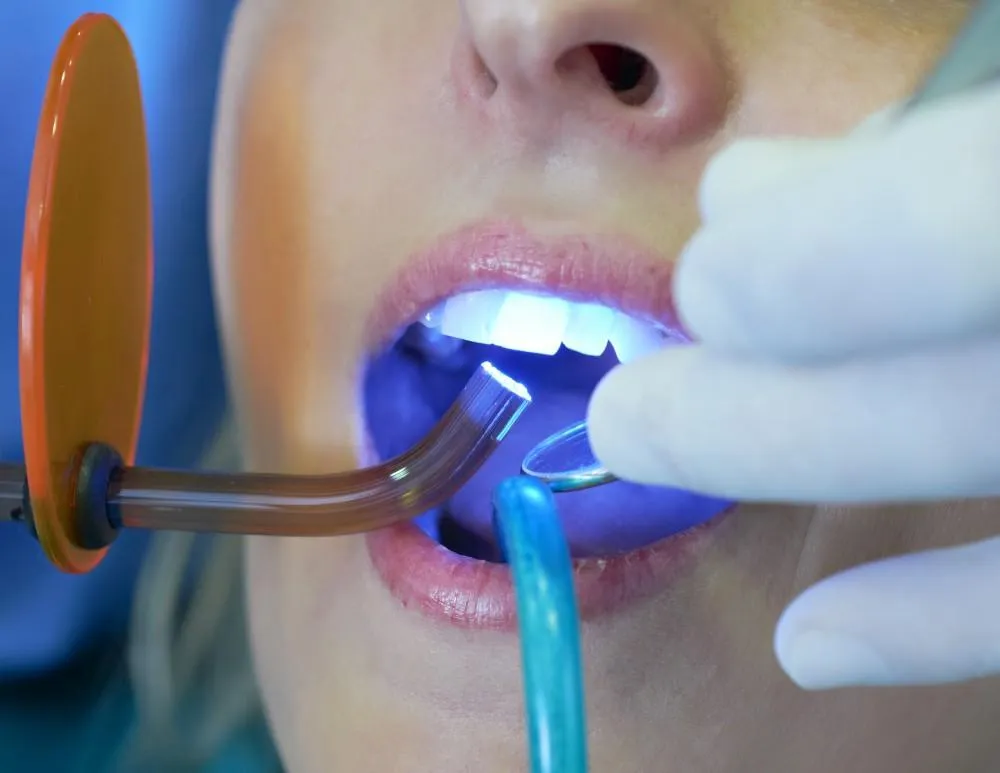
Professional teeth whitening procedures offer the most effective and rapid results, usually performed by a dentist. These treatments involve the use of stronger bleaching agents and can include in-office whitening or custom-fitted trays for at-home use. In-office whitening, such as Zoom whitening, uses a high concentration of hydrogen peroxide activated by a special light to accelerate the bleaching process. Your dentist will apply a protective barrier to your gums before applying the whitening agent. Custom-fitted trays for at-home use are made to fit your teeth perfectly and offer a more even distribution of the whitening gel. Professional treatments offer the advantage of stronger whitening agents, professional guidance, and immediate results, making them ideal for those seeking dramatic improvements in a short amount of time.
How Effective is Teeth Whitening
The effectiveness of teeth whitening varies significantly depending on several factors, including the type of treatment, the nature of the stains, and individual tooth characteristics. Professional treatments generally yield the most dramatic and rapid results, often lightening teeth by several shades in a single session. At-home treatments are less potent but can still provide noticeable improvements over time with consistent use. Surface stains, caused by coffee, tea, or smoking, typically respond well to whitening treatments. However, intrinsic stains, which occur inside the tooth structure due to factors like aging, genetics, or medications, may be more challenging to lighten. Realistic expectations are essential. While teeth whitening can significantly improve your smile, it may not achieve perfect whiteness for everyone. Consulting with a dentist can help you determine the most suitable treatment option and set realistic expectations.
Factors Affecting Teeth Whitening Results
Several factors can influence the effectiveness of teeth whitening treatments. These include the natural color of your teeth, the type of stains present, and the specific whitening method used. Individuals with naturally yellower teeth often experience better results than those with grayer teeth, which may be more resistant to whitening. The type of stain plays a crucial role. Surface stains, such as those from coffee, tea, and tobacco, are generally easier to remove than intrinsic stains. The method used—whether professional in-office treatment, at-home kits, or over-the-counter products—affects the level of whitening achieved. Other considerations include the concentration of the bleaching agent, the duration of treatment, and your compliance with the instructions. Understanding these factors helps set realistic expectations and choose the most appropriate whitening approach.
Your Tooth’s Natural Color

Your natural tooth color significantly impacts how well teeth whitening works for you. Individuals with naturally yellower teeth typically achieve better whitening results than those with grayer teeth. Yellow teeth are often more responsive to bleaching agents, making them easier to lighten. Gray teeth, on the other hand, may be more resistant, and may require more aggressive treatments. The degree of natural yellowness is influenced by genetics and aging. As you age, your teeth may naturally become darker and less responsive to whitening. Understanding your natural tooth color helps to determine the most realistic expectations and guide your choice of whitening method. Consulting with a dentist can help you evaluate your tooth color and select a suitable whitening plan.
The Type of Stain You Have
The type of stain present on your teeth is a critical factor in determining the effectiveness of teeth whitening. There are two main categories of stains surface and intrinsic. Surface stains, often caused by coffee, tea, tobacco, and certain foods, are typically easier to remove. These stains primarily affect the enamel surface and are often responsive to over-the-counter whitening products or professional cleaning. Intrinsic stains, on the other hand, originate from within the tooth structure, often due to factors such as aging, genetics, medications (like tetracycline), or dental trauma. Intrinsic stains are generally more challenging to whiten and may require professional treatments. Understanding the type of stains you have is vital to choosing the most effective whitening method.
Your Whitening Method
The teeth whitening method you choose greatly affects your results. Professional in-office treatments, which use stronger bleaching agents and specialized equipment, often provide the most dramatic and immediate results. At-home whitening kits, prescribed by a dentist, offer a more customized approach with custom-fitted trays. Over-the-counter products, such as whitening strips and toothpastes, are convenient and affordable but typically contain lower concentrations of bleaching agents. The effectiveness of each method varies. Professional treatments can achieve significant whitening in a single session, while at-home methods require consistent use over several weeks. Over-the-counter products deliver more subtle changes. Choosing the right method depends on your desired results, budget, and lifestyle. Consulting with your dentist is advisable to find the best approach for your specific needs.
How to Maximize Teeth Whitening Results

To maximize the effectiveness of your teeth whitening treatment, several strategies can be employed. Following your dentist’s or product instructions precisely is crucial, whether you’re using at-home kits or undergoing professional procedures. Avoiding or reducing consumption of stain-causing foods and drinks, such as coffee, tea, red wine, and dark-colored berries, is recommended. Maintaining excellent oral hygiene, including brushing twice a day and flossing daily, helps remove surface stains and prevent new ones from forming. Regular dental check-ups and cleanings ensure your teeth stay healthy and your whitening results last longer. Considering touch-up treatments or maintenance procedures can also help sustain your bright smile over time. Adhering to these practices will help you get the most out of your teeth whitening treatment.
Choosing the Right Whitening Method
Choosing the right teeth whitening method depends on several factors, including your budget, the severity of your stains, your desired level of whitening, and your lifestyle. For rapid and dramatic results, professional in-office whitening is the most effective option. If you prefer a more gradual approach and want convenience, at-home whitening kits prescribed by a dentist can be a good choice. Over-the-counter products are suitable if you are looking for a budget-friendly option for mild staining. Consulting with your dentist is always recommended. A dentist can assess your oral health, determine the cause of your stains, and recommend the most suitable treatment for your specific needs. Considering these factors helps you make an informed decision and achieve the smile you desire.
Maintaining Your Bright Smile
Maintaining your bright, white smile after teeth whitening requires a proactive approach. Regular dental hygiene is paramount, including brushing your teeth twice a day with a whitening toothpaste and flossing daily to remove food particles and plaque that can lead to stains. Avoiding or minimizing the consumption of stain-causing foods and drinks, such as coffee, tea, red wine, and dark-colored berries, will help prevent new stains from forming. Periodic touch-up treatments, as recommended by your dentist, can help maintain your desired level of whiteness over time. Regular dental check-ups and cleanings are also essential for keeping your teeth healthy and your smile bright. Following these maintenance strategies will help you preserve the results of your teeth whitening treatment for years to come.