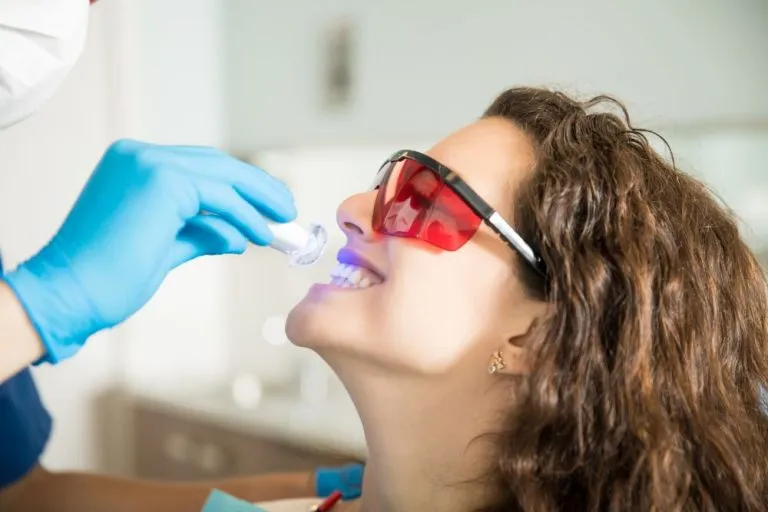
Understanding Teeth Whitening Pain
Teeth whitening is a popular cosmetic procedure, but it can sometimes lead to discomfort. Understanding why this happens is the first step in managing any pain or sensitivity. It’s important to know that experiencing some level of sensitivity after teeth whitening is quite common. This sensitivity is usually temporary, but it’s still essential to know what causes it and how to address it. Several factors can contribute to the pain, and knowing these will help you take appropriate measures to alleviate any discomfort and enjoy your brighter smile. This section will delve into the underlying causes of this common side effect, so you can feel more prepared and informed.
Common Causes of Teeth Sensitivity After Whitening
Teeth sensitivity after whitening arises primarily due to the bleaching agents used in the process. These agents, often hydrogen peroxide or carbamide peroxide, penetrate the enamel and reach the dentin, which contains the tubules that lead to the nerve endings. This process can cause the nerves to become irritated, leading to a temporary increase in sensitivity. Other contributing factors include the concentration of the bleaching agent, the duration of the treatment, and the individual’s existing oral health condition. People with thinner enamel or pre-existing sensitivity may experience more pronounced pain. Additionally, using whitening products excessively or improperly can heighten the chances of increased sensitivity.
The Whitening Process and Its Effects

The teeth whitening process involves applying a bleaching agent to the teeth, which breaks down the stains and discoloration. This process is effective but can temporarily affect the tooth’s structure. The bleaching agents cause the pores in your enamel to open up, allowing the agent to reach the stains within the tooth. During this process, the tubules in the dentin may become more exposed. This exposure can make your teeth more sensitive to temperature changes, pressure, and other stimuli. Understanding the science behind the procedure can help you manage your expectations and take steps to minimize any discomfort. It’s a trade-off to achieve a brighter smile and often requires patience and proper aftercare.
Top 5 Pain Relief Tips for Teeth Whitening
Dealing with teeth sensitivity after whitening doesn’t have to be a struggle. Several strategies can help reduce pain and ensure a more comfortable experience. From simple home remedies to professional treatments, there are multiple ways to alleviate discomfort and restore your oral health. The following tips are designed to guide you through effective methods that bring relief and help you enjoy your brighter, whiter teeth without the accompanying pain. These tips cover a variety of approaches and are suitable for different levels of sensitivity, so you can find the best solution for your needs.
Use Sensitivity Toothpaste
One of the most accessible and effective remedies is the use of sensitivity toothpaste. These toothpastes typically contain ingredients like potassium nitrate, which helps block the pathways to the nerves in your teeth. This can significantly reduce the pain associated with sensitivity. Use it for at least a couple of weeks before whitening and continue using it afterward to maximize its effects. Consistency is key; regular use can provide lasting relief and protect your teeth from future sensitivity. When choosing a toothpaste, read the label to ensure it’s designed for sensitive teeth, and consider consulting your dentist for recommendations on the most suitable product for your specific needs.
Avoid Hot and Cold Foods and Drinks

During and immediately after teeth whitening, your teeth will be more sensitive to temperature changes. Avoiding very hot or very cold foods and drinks is crucial. This means steering clear of hot coffee, ice cream, and even ice water. Instead, opt for lukewarm options that won’t exacerbate sensitivity. Additionally, be cautious about the ingredients in your food and drinks. Acidic substances, like citrus fruits and carbonated beverages, can further irritate your teeth. Paying attention to your diet in the days following the whitening treatment can make a huge difference in your comfort levels, so consider what you eat and drink to keep your teeth happy.
Over-the-Counter Pain Relievers
If the sensitivity is causing significant pain, over-the-counter pain relievers can provide quick relief. Ibuprofen or acetaminophen are common choices that can help reduce inflammation and manage discomfort. Always follow the instructions on the label and do not exceed the recommended dosage. Keep in mind that these medications provide temporary relief, and you should address the underlying cause of the sensitivity to find a long-term solution. If the pain is severe or persists, it’s essential to consult your dentist. They can assess the situation and recommend further treatments or address any complications.
Use Fluoride Treatments
Fluoride treatments can strengthen your enamel and reduce sensitivity. Fluoride helps to remineralize the teeth, making them less susceptible to irritation. You can get fluoride treatments from your dentist, either in-office applications or prescription-strength fluoride toothpaste or rinses for home use. Your dentist may suggest treatments based on your sensitivity level. The fluoride fills the small pores in your enamel that the whitening treatment opens and offers protection for your teeth. Using a fluoride treatment can be a vital step toward protecting your teeth and reducing sensitivity after whitening. Ask your dentist about the best fluoride treatments.
Consult Your Dentist

If your sensitivity is severe or persistent, it’s important to consult your dentist. They can examine your teeth and gums to determine the underlying cause of the pain and recommend appropriate treatments. Your dentist may provide professional fluoride treatments, prescribe stronger sensitivity toothpaste, or suggest other solutions. If your sensitivity is due to underlying issues, the dentist can address those problems and make recommendations for home care. Regular dental check-ups and professional advice are essential for maintaining your oral health and achieving a pain-free, brighter smile.
How to Prevent Pain Before Whitening
Prevention is often better than cure, especially when it comes to teeth whitening pain. Taking proactive steps before the procedure can significantly reduce the likelihood of experiencing sensitivity. This section focuses on measures you can take to prepare your teeth for whitening, ensuring a more comfortable experience. Whether you’re considering an in-office treatment or an at-home kit, these tips will help you get ready for the whitening process and minimize any potential discomfort. Getting prepared will allow you to enjoy your brighter smile.
Consulting with Your Dentist Before Whitening
Before any teeth whitening treatment, it is essential to consult your dentist. They can assess the health of your teeth and gums, identify any existing issues, and determine if you are a good candidate for whitening. Your dentist can also provide personalized recommendations for pre-whitening care, such as the use of sensitivity toothpaste or fluoride treatments. This consultation can also prevent unexpected complications and help you understand the potential risks and benefits of the procedure. Your dentist’s expert guidance will help ensure the best possible outcome and minimize discomfort. Always discuss your whitening plans with a dental professional.
Choosing the Right Whitening Method

The choice of whitening method can significantly impact your post-whitening experience. Professional treatments, such as those performed by your dentist, often offer more controlled applications and can provide better results. These treatments may also include sensitivity-reducing agents. At-home kits vary greatly in terms of strength and application methods. Look for products with lower concentrations of peroxide if you have sensitive teeth. Discussing different options with your dentist will help you choose the right method. Make sure you understand all instructions to minimize the risks of sensitivity and maximize the chances of a comfortable experience.
Aftercare for Pain-Free Whitening
The aftercare phase is critical for maintaining your results and reducing any post-whitening discomfort. Proper care ensures the longevity of your bright smile. Simple habits can minimize the chances of sensitivity and maximize the benefits of the whitening process. It’s important to be diligent in your aftercare routine, as this will safeguard your teeth and gums. These aftercare practices will help to soothe your teeth. Following these guidelines makes your teeth healthier and brighter for longer.
Maintaining Oral Hygiene
Maintaining excellent oral hygiene is essential. This includes brushing your teeth gently at least twice a day with a soft-bristled toothbrush and flossing once daily. Using a sensitivity toothpaste, as mentioned earlier, can also play a vital role. Avoiding harsh brushing or excessive pressure will further protect your enamel and minimize sensitivity. Proper cleaning practices are a fundamental part of your dental care, and will promote better oral health. Regular maintenance will have a positive impact on your teeth.
Regular Dental Check-ups

Regular dental check-ups are crucial for long-term oral health and maintaining your brighter smile. Your dentist can monitor your teeth, identify any issues early on, and provide professional cleanings to remove any surface stains. These check-ups provide an opportunity for your dentist to assess your overall oral health, address any sensitivity concerns, and recommend appropriate treatments. Schedule check-ups every six months, or as recommended by your dentist, to protect your teeth and enjoy your whiter smile.