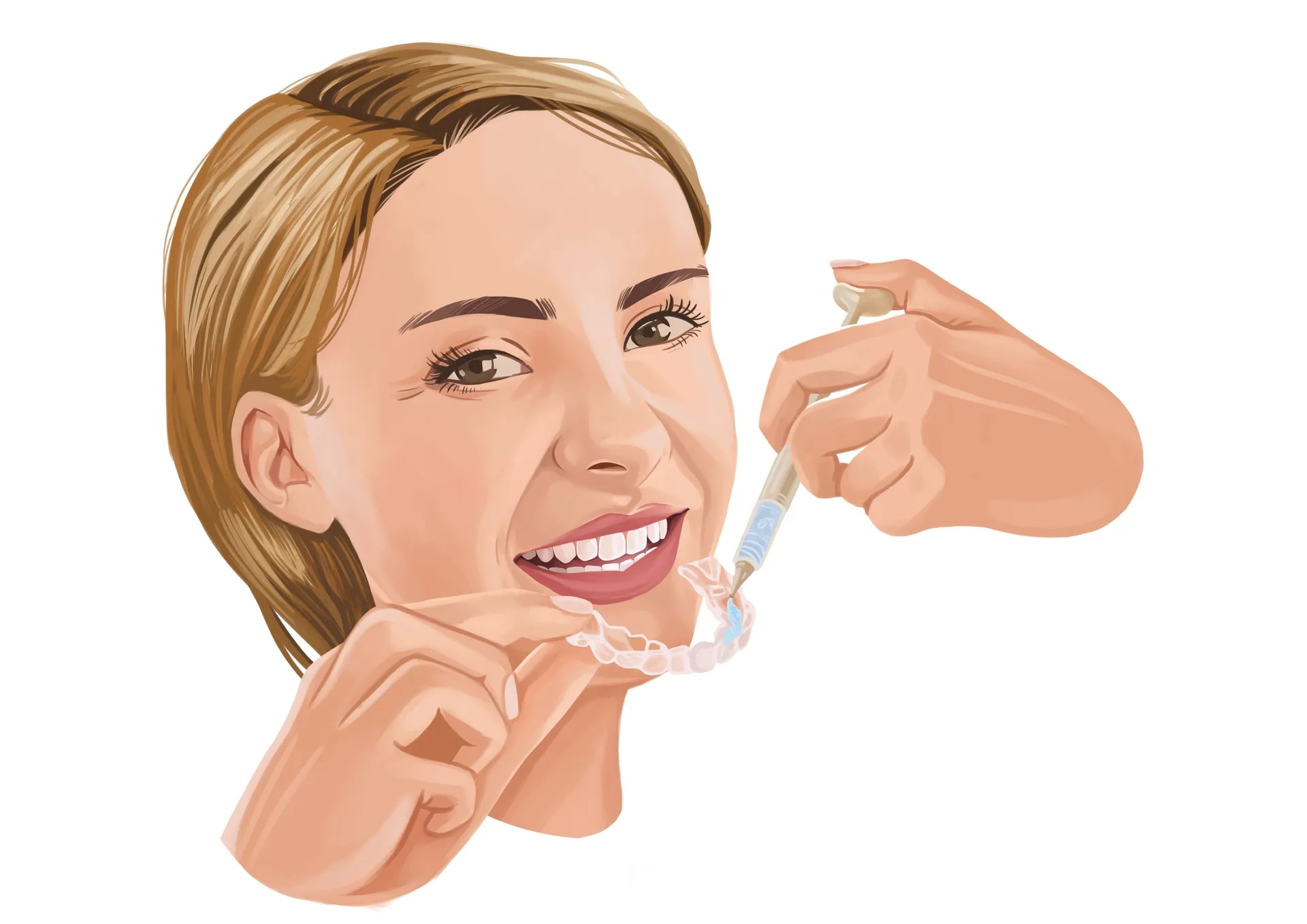
The Power of Teeth Whitening
A bright, white smile can significantly boost your confidence and make a positive impression. Teeth whitening has become a popular cosmetic dental procedure, and for good reason. It’s a relatively simple and effective way to enhance your appearance and achieve a more youthful look. Whether you’re preparing for a special occasion or simply want to feel better about your smile, understanding the fundamentals of teeth whitening is the first step towards achieving your desired results. This article delves into the secrets behind a dazzling smile, providing you with practical tips and insights to navigate the world of teeth whitening.
Understanding Teeth Discoloration
Before diving into whitening techniques, it’s important to understand why teeth discolor in the first place. Teeth discoloration can be intrinsic (from within the tooth) or extrinsic (on the surface). Intrinsic stains are often caused by factors like aging, genetics, medications (like tetracycline), or excessive fluoride exposure during tooth development. Extrinsic stains are primarily due to the buildup of stains from external sources, such as food, drinks, and smoking. The enamel’s porous nature allows these staining agents to penetrate and darken the teeth over time. Recognizing the type of staining you have can help you choose the most effective whitening method.
Causes of Tooth Staining

Numerous factors contribute to tooth staining. Certain foods and beverages, like coffee, tea, red wine, and berries, are notorious for leaving stains. Smoking and tobacco use are also significant culprits, as they contain tar and nicotine that stain teeth. Poor oral hygiene, including infrequent brushing and flossing, allows stains to accumulate. Furthermore, the natural aging process can lead to enamel thinning, exposing the yellowish dentin beneath, which makes teeth appear darker. Understanding these causes helps you adopt preventative measures and choose appropriate whitening solutions.
Top 7 Teeth Whitening Secrets
Tip 1 Choose the Right Whitening Method
Selecting the right whitening method is crucial. Several options are available, ranging from over-the-counter products to professional treatments. Consider your budget, the severity of your stains, and your lifestyle when making a decision. Each method has its pros and cons, and understanding these differences can help you achieve the best results. For instance, professional treatments often provide faster and more dramatic results but come at a higher cost.
Over-the-Counter Options

Over-the-counter whitening products, such as toothpastes, strips, and gels, are readily available and more affordable. These products usually contain lower concentrations of whitening agents like hydrogen peroxide or carbamide peroxide. While they may not produce dramatic results as quickly as professional treatments, they can be effective for mild stains and regular maintenance. Always follow the product instructions carefully and be patient, as it may take several weeks to see noticeable changes. Remember to consult with your dentist before starting any at-home whitening treatment.
Professional Whitening
Professional teeth whitening involves treatments performed by a dentist. These treatments use higher concentrations of whitening agents, delivering faster and more significant results. In-office whitening often involves applying a strong whitening gel to the teeth and activating it with a special light. This process can be completed in a single visit. Custom trays, another professional option, are custom-made to fit your teeth, allowing for more even and controlled whitening at home under dental supervision. Professional whitening is ideal for individuals seeking rapid and dramatic improvements.
Tip 2 Maintain Excellent Oral Hygiene
Good oral hygiene is the cornerstone of a healthy and bright smile. Regular brushing, flossing, and dental checkups are essential for removing surface stains and preventing new ones from forming. Proper oral hygiene not only enhances the effectiveness of whitening treatments but also helps maintain your results for longer. Make brushing and flossing a consistent part of your daily routine to keep your teeth clean and your smile radiant.
Brushing and Flossing Regularly

Brush your teeth at least twice a day for two minutes each time. Use a soft-bristled toothbrush and a fluoride toothpaste to effectively remove plaque and food particles. Floss daily to clean between your teeth, where your toothbrush cannot reach. This helps prevent plaque buildup, which can contribute to stains and other oral health issues. Consider using an electric toothbrush, as they often offer superior cleaning and can help you maintain a more consistent brushing routine.
Regular Dental Checkups
Schedule regular dental checkups and cleanings, typically every six months. Your dentist can remove plaque and tartar, which can harbor stains and contribute to discoloration. Professional cleanings also help identify and address any underlying oral health issues that might affect the appearance of your smile. Regular checkups ensure your teeth remain healthy and your whitening treatments remain effective. Discuss your whitening goals with your dentist to develop a comprehensive oral care plan.
Tip 3 Avoid Staining Foods and Drinks
Certain foods and drinks are notorious for staining teeth. Limiting your consumption of these items can significantly help maintain your bright smile. Be mindful of what you eat and drink, especially after whitening treatments, as teeth can be more susceptible to staining immediately after. Consider using a straw for staining beverages to minimize contact with your teeth, and rinse your mouth with water after consuming potentially staining foods or drinks.
Foods to Limit

Foods like berries (blueberries, blackberries, raspberries), curries, soy sauce, and balsamic vinegar can stain teeth. While you don’t necessarily need to eliminate these foods from your diet entirely, consuming them in moderation can help. If you enjoy these foods, brush your teeth soon afterward or rinse your mouth with water to minimize staining. Be particularly cautious after whitening treatments.
Drinks to Avoid
Coffee, tea, red wine, and dark-colored sodas are among the worst offenders when it comes to staining teeth. These beverages contain pigments that can easily adhere to the enamel. If you can’t completely cut these drinks from your routine, consider reducing your intake or using a straw to minimize contact with your teeth. Drinking water after consuming these beverages can also help rinse away staining particles. Be especially careful with these drinks after a teeth whitening procedure.
Tip 4 Use Whitening Toothpaste
Whitening toothpastes can be a helpful addition to your oral hygiene routine. They contain mild abrasives or chemical agents that help remove surface stains. However, it’s important to choose the right product and use it correctly to avoid potential downsides. Whitening toothpastes are best for maintaining brightness rather than achieving a significant initial change.
How Whitening Toothpaste Works

Whitening toothpastes work in several ways. Some contain mild abrasives that physically scrub away surface stains. Others contain chemical agents, like hydrogen peroxide or carbamide peroxide, that help lighten the enamel. It’s important to note that whitening toothpastes typically only affect surface stains and don’t change the intrinsic color of your teeth. Regular use can help maintain a brighter smile and complement other whitening treatments.
Choosing the Right Whitening Toothpaste
When selecting a whitening toothpaste, consider your individual needs and sensitivities. Look for toothpastes with the American Dental Association (ADA) Seal of Acceptance, which indicates they’ve been tested and proven safe and effective. Avoid toothpastes with excessive abrasives, as these can wear down enamel over time. If you have sensitive teeth, choose a toothpaste designed for sensitivity. Always follow the product instructions and consult with your dentist if you have any concerns.
Tip 5 Consider Professional Treatments
For more significant results, consider professional teeth whitening treatments. These treatments are performed by dentists and offer several advantages over over-the-counter options. Professional treatments are more effective at removing deep stains and can provide dramatic improvements in a shorter time. They are also performed under professional supervision, minimizing the risk of side effects.
In-Office Whitening

In-office whitening typically involves applying a high-concentration whitening gel to your teeth and activating it with a special light or laser. This process can be completed in a single appointment, making it a convenient option for those seeking quick results. Your dentist will monitor the process and ensure the whitening agent is applied safely and effectively. In-office whitening often provides the most dramatic and immediate whitening effects.
Custom Trays
Custom trays are another professional option that allows you to whiten your teeth at home under the guidance of your dentist. Your dentist will create custom-fitted trays that precisely fit your teeth, ensuring even application of the whitening gel. You’ll be provided with a professional-strength whitening gel and instructions on how to use the trays at home. This method provides a more controlled and consistent whitening experience compared to over-the-counter options.
Tip 6 Follow Instructions Carefully
Whether using over-the-counter products or professional treatments, it’s crucial to follow the instructions carefully. Proper usage ensures the effectiveness of the treatment and minimizes potential side effects. Ignoring the instructions can lead to poor results or even damage to your teeth and gums. If you’re unsure about any aspect of the instructions, always consult your dentist or the product manufacturer.
Using Whitening Strips
Whitening strips are a popular and convenient at-home whitening method. Follow the instructions on the product packaging carefully. Typically, you’ll apply the strips to your teeth for a specified amount of time each day, usually for several weeks. Ensure the strips make good contact with your teeth, avoiding any contact with your gums. Discontinue use if you experience excessive sensitivity or gum irritation. Consistency is key; follow the recommended treatment duration for the best results.
Using Whitening Gels
Whitening gels are often used with custom trays. Follow your dentist’s instructions carefully. Apply the prescribed amount of gel to your trays and wear them for the recommended duration, usually overnight or for a few hours a day. Remove the trays and rinse your mouth thoroughly after each use. Monitor your teeth for any signs of sensitivity or irritation, and contact your dentist if you have any concerns. Consistent use, as directed, is essential for achieving the desired whitening results.
Tip 7 Be Patient and Consistent
Teeth whitening is not always an instantaneous process. Results may take time to become noticeable, depending on the method used and the severity of your stains. Be patient and consistent with your treatment. Following the recommended guidelines and maintaining good oral hygiene will help you achieve the best possible results. Avoid the temptation to rush the process, as this can lead to increased sensitivity or other complications. Remember that maintaining a bright smile is a journey, not a destination.
Realistic Expectations
It’s important to have realistic expectations about the results of teeth whitening. While teeth whitening can significantly improve the appearance of your smile, it may not achieve perfect whiteness. The final shade will depend on your natural tooth color and the type and severity of your stains. Discuss your expectations with your dentist to determine the most appropriate treatment option and ensure you have a clear understanding of the potential outcomes.
Maintaining Your Results
Once you’ve achieved your desired results, it’s important to maintain them. Continue practicing good oral hygiene, including regular brushing, flossing, and dental checkups. Avoid or limit your consumption of staining foods and drinks. Consider occasional touch-up treatments, such as using whitening toothpaste or touch-up trays provided by your dentist. Maintaining your results requires ongoing effort and commitment to your oral health.
Teeth Whitening Risks and Side Effects
While teeth whitening is generally safe, some potential risks and side effects should be considered. Understanding these potential issues can help you make informed decisions and take necessary precautions. Consult with your dentist to address any concerns and determine the best approach for your individual needs.
Sensitivity
Tooth sensitivity is a common side effect of teeth whitening, especially when using high-concentration whitening agents. Sensitivity can manifest as a temporary discomfort or sharp pain when consuming hot or cold foods and drinks. This sensitivity usually subsides within a few days or weeks after completing the treatment. To minimize sensitivity, use a toothpaste designed for sensitive teeth, avoid overly hot or cold foods, and consider using fluoride treatments as recommended by your dentist.
Gum Irritation
Gum irritation is another potential side effect, particularly if the whitening agent comes into contact with your gums. This can cause redness, swelling, and tenderness. To prevent gum irritation, ensure that custom trays fit properly or that over-the-counter strips are applied correctly. If you experience gum irritation, discontinue use and consult with your dentist. Your dentist may recommend a desensitizing agent or adjust the treatment plan.
Conclusion
Achieving a bright, white smile is within reach with the right approach. By understanding the causes of teeth discoloration, choosing the appropriate whitening method, and following key tips, you can significantly enhance your smile and boost your confidence. Remember to prioritize good oral hygiene, limit staining foods and drinks, and consult with your dentist for personalized advice. With patience, consistency, and a commitment to your oral health, you can unlock the secrets to a radiant and dazzling smile. Embrace these secrets and enjoy the journey to a brighter, more confident you.