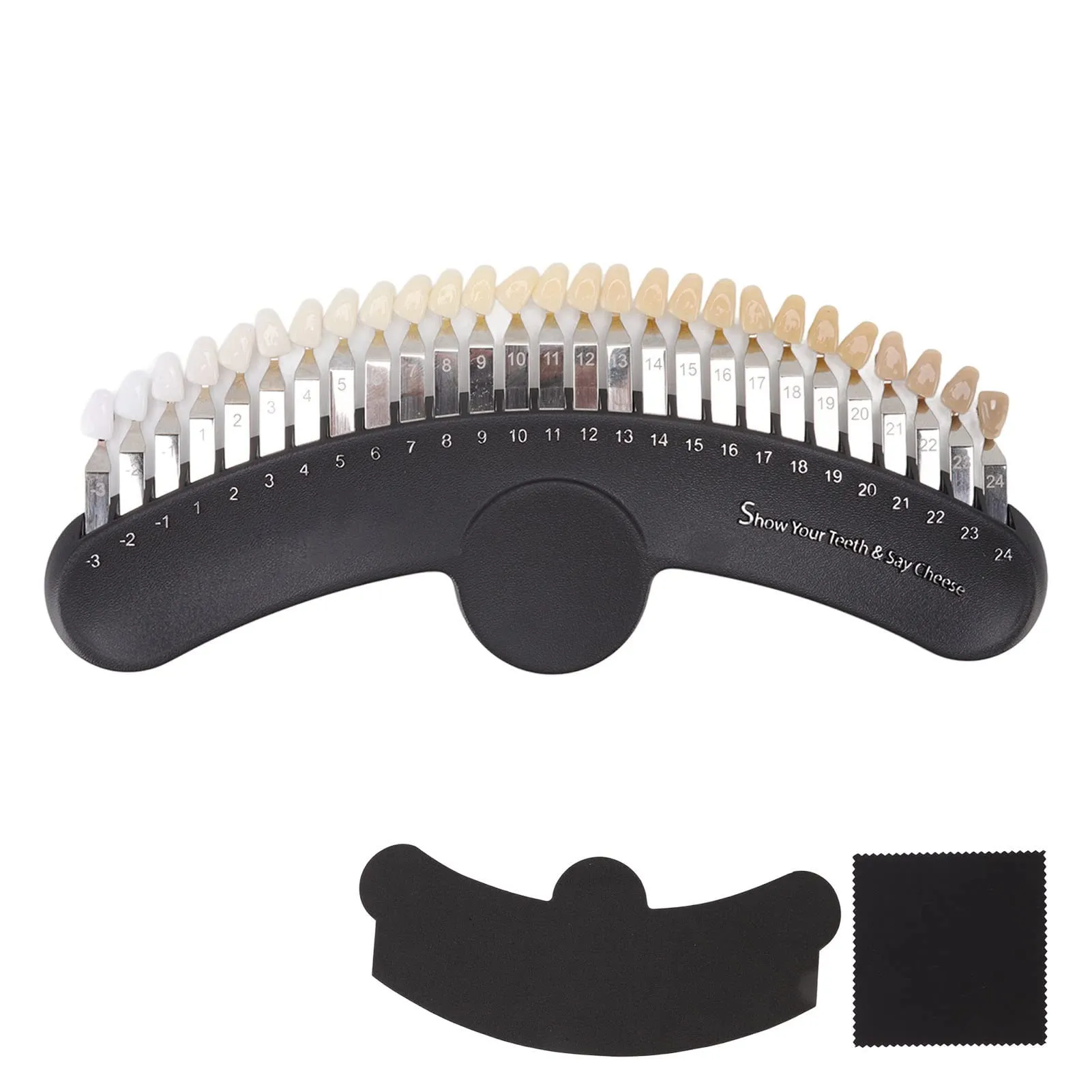
What is a Teeth Whitening Shade Guide?
A teeth whitening shade guide is an essential tool in the world of cosmetic dentistry, serving as a visual reference for both dental professionals and patients. It’s essentially a color chart that displays a range of tooth shades, from the lightest, nearly pure white, to the darkest, yellowish-gray hues. The primary purpose of a shade guide is to help in determining the current color of a patient’s teeth before a whitening procedure, and then to track the progress and effectiveness of the treatment. This allows both the dentist and the patient to have a clear understanding of the changes occurring and the final outcome achieved. Shade guides are typically made of plastic or porcelain and are designed to be easily cleaned and sterilized, ensuring hygiene in a dental setting. They provide a standardized way to communicate about tooth color, avoiding subjective interpretations and ensuring consistent results.
How Shade Guides Work
The process of using a teeth whitening shade guide is quite straightforward but requires a trained eye and proper lighting conditions for accurate assessment. The dentist or dental assistant will typically hold the shade guide near the patient’s teeth, comparing the shades on the guide to the patient’s natural tooth color. This comparison is usually done in natural light or under a specific type of lighting that mimics natural daylight to avoid any color distortions. The teeth are observed from a distance to find the closest match on the guide. This initial shade is then recorded, serving as a baseline for future comparisons. During the whitening process, the shade guide is used repeatedly to assess the degree of change and to determine when the desired shade has been reached. Multiple factors can influence the accuracy of this process, including the patient’s natural tooth color, the type of whitening treatment used, and the individual’s response to the procedure. Regular assessments using the shade guide provide a clear visual representation of the treatment’s efficacy and help in making informed decisions throughout the whitening process.
Why is a Shade Guide Important?

The importance of a teeth whitening shade guide extends beyond just visual comparison; it plays a critical role in the entire whitening process. First and foremost, it provides a standardized method for evaluating the effectiveness of the teeth whitening treatment. Without a shade guide, it would be difficult to objectively measure the degree of change, which can be very subjective. The guide offers a common language for dentists and patients to discuss and understand the desired outcomes and to track the progress over time. Additionally, the shade guide helps set realistic expectations for the patient. By showing the range of achievable shades, patients are better informed about what to expect from the treatment, avoiding potential disappointment. Furthermore, a shade guide aids in treatment planning, helping dentists to choose the most appropriate whitening method and to tailor the procedure to the individual’s specific needs. It also serves as a key part of the documentation, offering a permanent visual record of the patient’s progress and the results achieved.
Factors Affecting Teeth Shade
Numerous factors can affect the shade of your teeth, influencing the outcome of any whitening procedure. Genetics play a significant role; some individuals are naturally predisposed to having lighter or darker enamel. Age is another important factor; as we get older, the enamel on our teeth tends to thin, revealing more of the yellowish dentin underneath, leading to a darker appearance. Dietary habits also have a huge impact, with frequent consumption of staining foods and drinks like coffee, tea, red wine, and berries contributing to discoloration. Smoking and tobacco use are major culprits, as they introduce nicotine and tar, which stain the teeth and cause a yellow-brown hue. Certain medications, such as tetracycline, can also cause tooth discoloration, especially if taken during childhood. Furthermore, trauma to the teeth or dental work, such as fillings and root canals, can affect the shade. Understanding these factors is crucial for managing expectations and for developing a comprehensive approach to teeth whitening, tailored to the individual’s specific circumstances.
Natural Tooth Shade Variations
It is important to understand that natural teeth shades vary significantly among individuals and even within the same mouth. While most people aspire to achieve a bright, white smile, natural tooth shades encompass a wide range of colors. These variations are primarily due to differences in enamel thickness, dentin color, and the presence of translucency. Enamel, the outer layer of the tooth, is naturally translucent; the color underneath, dentin, heavily influences the overall shade. The dentin color can range from yellowish to grayish tones. Some people may have teeth that appear more yellow, while others may have teeth that appear more gray. Moreover, teeth rarely have a uniform color; there might be variations in shade from the gum line to the biting edge, and even between different teeth. When using a teeth whitening shade guide, it’s essential to account for these natural variations. This ensures a more realistic assessment of the initial shade and helps set reasonable expectations for the results of the whitening procedure.
Top 5 Teeth Whitening Shade Guide Facts

Fact 1 The VITA Shade Guide
The VITA shade guide is one of the most widely recognized and used shade guides in dentistry. It is a standardized system that provides a consistent way to communicate and replicate natural tooth shades. The VITA Classic shade guide contains 16 shades, categorized into four main color groups: A (reddish-brown), B (reddish-yellow), C (gray), and D (reddish-gray). Within each group, the shades vary in lightness and saturation, providing a comprehensive range to match the natural tooth colors. The VITA shade guide is used by dentists worldwide for a variety of procedures, including teeth whitening, and the selection of restorative materials like crowns, veneers, and fillings. It’s designed to provide accurate and repeatable results and its standardization makes it an indispensable tool for dental professionals.
Fact 2 Bleaching vs Natural Shades
When considering teeth whitening, it’s crucial to differentiate between bleaching and natural shades. Bleaching is a chemical process that lightens the existing tooth shade, while natural shades refer to the original color of the teeth before any treatment. Whitening procedures typically aim to lighten the teeth by several shades, often moving them from a darker, more yellowish color to a lighter, brighter hue. The shade guide allows the dentist to accurately determine the initial tooth shade and to track the progress of the bleaching treatment. The goal is not necessarily to achieve the absolute whitest shade on the guide, which might not always look natural or be suitable for every individual. The dentist and patient will work together to find the shade that is both aesthetically pleasing and in harmony with the patient’s overall appearance. It is essential to maintain a realistic expectation, as the natural shade and the outcome of the whitening will vary from person to person.
Fact 3 The Importance of Pre-Whitening Shade

Determining the pre-whitening shade is a critical step in the teeth whitening process because it forms the baseline from which all progress is measured. It allows the dentist and the patient to clearly understand the starting point of the treatment. This initial shade is recorded using a shade guide, providing a visual reference that can be compared with subsequent shades to assess the effectiveness of the procedure. Knowing the starting shade helps set realistic expectations for the patient, as the achievable degree of whitening depends on the initial color and the patient’s individual response to the treatment. Moreover, the pre-whitening shade informs the dentist’s choice of whitening method and helps in planning the treatment. It also assists in documenting the patient’s progress, which is important for both clinical and cosmetic purposes. In essence, this initial measurement is the foundation for a successful teeth whitening experience, ensuring the best possible results.
Fact 4 Shade Guide Accuracy
The accuracy of the shade guide is essential for a successful teeth whitening outcome. Several factors can affect the precision of the shade matching process. The lighting conditions play a crucial role; the procedure should ideally be performed under natural daylight or a controlled light source that mimics natural light. This prevents color distortions that can occur under different types of lighting. The angle at which the shade guide is held relative to the teeth can also influence the accuracy, as well as the cleanliness of both the shade guide and the patient’s teeth. The dentist or dental assistant’s experience and visual acuity are also important. They should be trained to identify subtle differences in shade and to perform the matching procedure consistently. Patients should also be informed of potential inaccuracies. Factors such as the patient’s individual tooth structure and the presence of any dental work can also have an effect on the accuracy. To ensure the most precise outcome, the dentist should employ best practices and utilize a quality shade guide, coupled with expertise in the teeth whitening process.
Fact 5 Maintaining Your Whitened Shade
After achieving your desired shade through teeth whitening, maintaining the results requires ongoing care and attention. This includes avoiding or limiting the consumption of staining foods and drinks such as coffee, tea, red wine, and berries. Regular dental hygiene practices, including brushing twice a day and flossing daily, are essential. You may also consider using a whitening toothpaste and mouthwash to help remove surface stains and prevent future discoloration. Regular professional dental cleanings are beneficial as well, as they can remove any accumulated stains and maintain the brightness of your teeth. It is important to keep in mind that touch-up treatments may be necessary periodically to maintain the whitened shade. The frequency of these treatments depends on your individual lifestyle and habits. Following your dentist’s recommendations and practicing good oral hygiene will ensure that you can enjoy your bright, white smile for years to come.
Choosing the Right Shade Guide for You

Choosing the right teeth whitening shade guide for your needs depends on whether you are a dental professional or a patient. If you’re a dentist, the VITA shade guide is an industry standard, and it is designed to provide accurate shade matches and a comprehensive range of colors. Other options include digital shade guides. For patients, the best approach is to consult with your dentist. They can assess your current tooth shade, discuss your desired outcome, and show you the potential results using a shade guide. Understanding the different shades available can help you make an informed decision about the type of whitening treatment that is suitable for you. The chosen shade should align with your overall appearance, taking into consideration your skin tone, hair color, and the natural shade of your other teeth. Your dentist can also advise you on the process and the degree of whitening that is achievable and appropriate for your individual case.
Where to Find a Teeth Whitening Shade Guide
Teeth whitening shade guides are primarily used by dental professionals and are readily available through dental supply companies. Dentists can purchase them online or through local dental distributors. If you are interested in seeing the different shades and understanding the process, the best place to find a shade guide is at your dentist’s office. They will have a guide that they use to assess your current shade and to discuss your whitening goals. You may also find shade guides in dental schools or at continuing education courses for dental professionals. While there are consumer versions available, the professional guides provide a more comprehensive range and are designed to be used in conjunction with expert dental advice. The process of teeth whitening begins with an assessment using a shade guide. Make sure to consult with a qualified dental professional to discuss teeth whitening options.