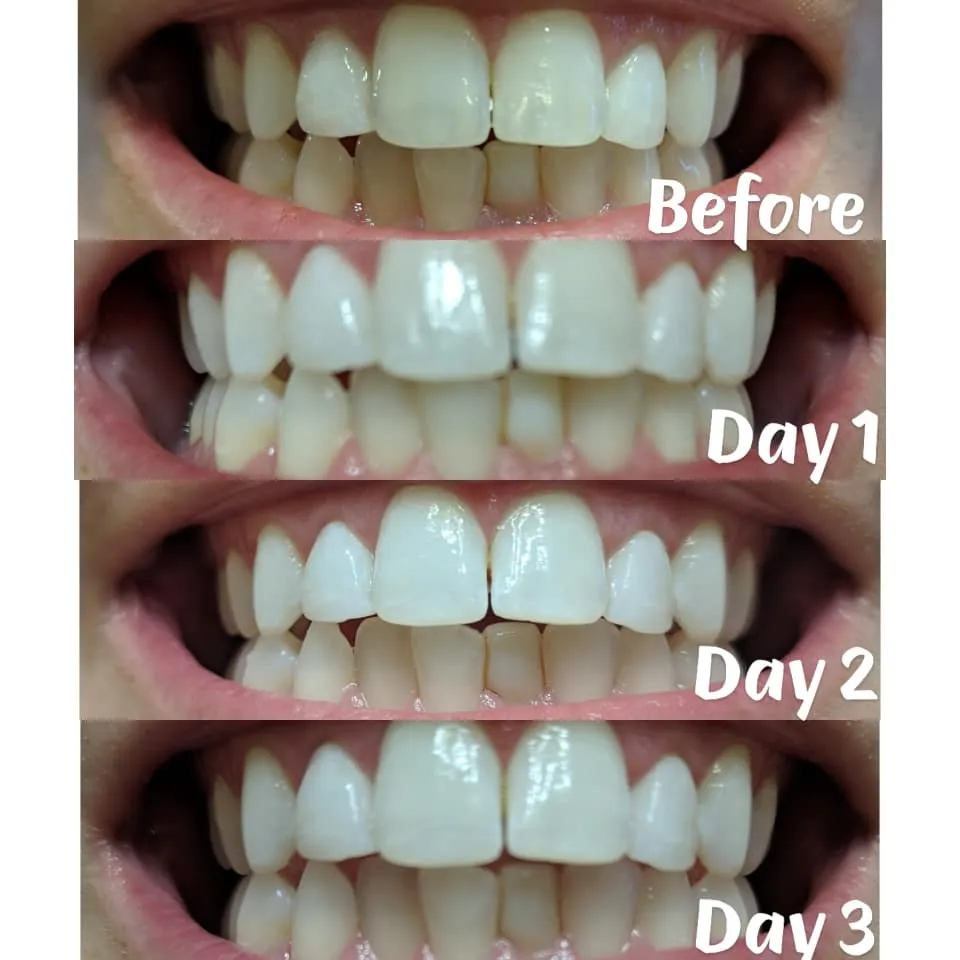
The Great Whitening Strips Debate
Teeth whitening strips have become a popular and convenient way to brighten your smile. However, one question often surfaces among users Should you brush your teeth before or after applying whitening strips? This seemingly simple question sparks a debate with implications for the effectiveness of the whitening process and the overall health of your teeth. Understanding the optimal timing of brushing in relation to using whitening strips is crucial for achieving the best results and avoiding potential issues. This guide explores the science behind teeth whitening, the pros and cons of each approach, and best practices to help you make an informed decision and maintain a dazzling smile. The choices you make will have an impact on how well your teeth respond to the whitening strips.
Understanding Tooth Structure & Whitening
To understand the impact of brushing on whitening strip effectiveness, it’s essential to grasp the basics of tooth structure and the science behind whitening. The outermost layer of your teeth, the enamel, is a hard, protective shell composed of minerals. Beneath the enamel lies the dentin, which is softer and more porous. Whitening strips work by delivering a bleaching agent, typically hydrogen peroxide or carbamide peroxide, to the enamel. These agents penetrate the enamel and break down stains, which are caused by various factors like food, drinks, and smoking. The effectiveness of the whitening process depends on the agent’s ability to come into contact with the stains and the condition of the enamel itself. Understanding how the enamel behaves is essential to determining the best approach.
Enamel Permeability and Whitening Efficacy

The permeability of enamel plays a significant role in how whitening agents work. Enamel is not completely solid; it has microscopic pores that allow substances to pass through. The bleaching agent in whitening strips seeps through these pores to reach the stained molecules. Factors like the presence of plaque, food debris, and even the type of toothpaste you use can affect the permeability of enamel. A clean tooth surface generally allows for better penetration of the whitening agent, increasing its effectiveness. However, excessive abrasion or the use of certain substances can also compromise enamel integrity, potentially leading to sensitivity. Therefore, the approach you take will greatly influence how effective the whitening is.
Should You Brush Before Whitening Strips?
Brushing your teeth before applying whitening strips is a common practice, but it’s not always the best approach. The rationale behind brushing beforehand is to remove plaque, food particles, and other debris that might hinder the whitening agent from reaching the enamel. However, there are pros and cons to consider. It is a decision to be made with care. Making the right choice depends on several factors.
Pros of Brushing Before Strips
The primary advantage of brushing before using whitening strips is to create a clean surface. Removing surface debris allows the whitening agent to directly contact the enamel, potentially enhancing its effectiveness. A clean surface ensures that the bleaching agent is not blocked by a layer of plaque or food particles. Brushing also helps to remove some surface stains, which can contribute to a brighter smile. The cleaner your teeth are, the better the whitening process should perform. Brushing also improves the overall health of the mouth.
The Importance of a Clean Surface

A clean tooth surface is crucial for the optimal performance of whitening strips. Plaque and food debris can act as a barrier, preventing the whitening agent from fully reaching the enamel. Brushing effectively removes these barriers, allowing the bleaching agent to penetrate and break down stains more efficiently. This results in a more uniform and effective whitening experience. The cleaning makes a big difference in how your teeth are whitened. A clean surface also helps the strips adhere to the teeth better, ensuring consistent contact with the enamel.
Potential Issues with Pre-Brushing
Despite the benefits, brushing immediately before applying whitening strips can have drawbacks. Some toothpastes contain ingredients that can interfere with the whitening process. Certain toothpastes have a protective coating and the abrasive nature of some toothpastes can temporarily damage the enamel, increasing sensitivity. Brushing can also introduce moisture, which might affect the adhesion of the strips to your teeth. It’s important to consider these factors when deciding whether to brush beforehand. Making the right choice can make a big difference in the effectiveness of the strips.
Should You Brush After Whitening Strips?
Brushing after using whitening strips is another point of contention. The main consideration here is whether it affects the whitening process or the health of your teeth. The timing of brushing is very important. There are pros and cons associated with this approach, and the optimal choice depends on various factors.
Pros of Brushing After Strips

Some people choose to brush after using whitening strips to remove any residual whitening agent and freshen their mouth. It can improve the overall feeling of cleanliness. Brushing after the strips can also help remove any remaining residue, ensuring your mouth feels clean and fresh. A lot of people like to feel clean after having the strips in their mouths. However, it is important to do so carefully. However, there are some issues with this approach.
Removing Residual Whitening Agent
After using whitening strips, a small amount of the whitening agent might remain on your teeth. Brushing can help remove this residue, although it is generally not harmful. Removing the residue may help in the taste and feel of your mouth. It is important to be gentle when you brush your teeth, after whitening.
Potential Issues with Post-Brushing
The most significant concern with brushing immediately after using whitening strips is the potential to reduce their effectiveness. The enamel is slightly more porous after the whitening agent has been applied, and brushing can remove some of the agent before it has fully worked. Additionally, the abrasion from brushing might cause temporary sensitivity. Some toothpastes contain abrasive ingredients that can also compromise the enamel. Therefore, it’s generally recommended to avoid brushing immediately after using whitening strips. Time is a key factor in all these decisions. Giving the strips a chance to do their job is very important.
Best Practices for Optimal Whitening

To maximize the effectiveness of whitening strips and protect your teeth, follow these best practices. These recommendations will help you achieve the best results with minimal risk. Proper care will lead to a brighter smile. Following these tips ensures that your whitening experience is effective and safe. Here are some easy guidelines to achieve a whiter and healthier smile.
Wait Time After Brushing
If you choose to brush before using whitening strips, wait at least 30 minutes to an hour before applying the strips. This allows your saliva to neutralize the effects of the toothpaste and ensures that the whitening agent can properly adhere to your teeth. Waiting also helps to reduce potential sensitivity. Giving your teeth time to recover is very important. Waiting can make a difference in the success of the whitening.
The Role of Fluoride
Fluoride is essential for strengthening tooth enamel. Use a fluoride-containing toothpaste, especially if you experience sensitivity. Fluoride remineralizes the enamel, making your teeth more resistant to staining and decay. Using a fluoride toothpaste will help your teeth. However, avoid brushing immediately before or after using whitening strips to maximize the benefits of the whitening agent. Make the right choice for your teeth.
Types of Toothpaste

When choosing a toothpaste, consider its ingredients. Avoid toothpastes with harsh abrasives, as they can damage the enamel. Look for toothpastes designed for sensitive teeth, as they are generally gentler. Avoid toothpastes with a lot of additives. Look for toothpastes that contain fluoride. Consider the ingredients of the toothpaste before you use it.
Other Factors Affecting Whitening
Several other factors can influence the effectiveness of whitening strips and the overall health of your teeth. Understanding these factors will help you optimize your whitening routine. Considering all factors will lead to a better smile. Here are some other considerations to make.
Dietary Considerations
Certain foods and drinks can stain your teeth. Coffee, tea, red wine, and dark-colored berries are notorious for causing stains. Minimize your consumption of these items during the whitening process. Consider using a straw when drinking staining beverages to reduce contact with your teeth. Be mindful of your diet. Choosing the right food can help whiten your teeth.
The Importance of Hydration

Drinking plenty of water is crucial for overall oral health. Water helps to wash away food particles and bacteria. It also helps to stimulate saliva production, which naturally cleans your teeth. Staying hydrated supports the effectiveness of whitening treatments. Staying hydrated is very important. Make sure you are drinking enough water.
Professional Advice
While over-the-counter whitening strips can be effective, consulting with a dental professional is always a good idea. Dentists can provide personalized advice and recommend the most appropriate whitening options for your specific needs. A professional opinion can make a big difference.
When to Consult a Dentist
If you experience any tooth sensitivity, gum irritation, or other unusual symptoms, consult your dentist. They can assess your oral health and address any underlying issues. A dentist can also provide professional whitening treatments that are more potent and effective than over-the-counter strips. If you are uncertain, it is best to ask your dentist. Consulting with a dentist is always a good idea.
Maintaining Your White Smile

Once you achieve your desired level of whiteness, it’s essential to maintain your results. Regular dental check-ups and cleanings are vital for removing stains and preventing buildup. Continue practicing good oral hygiene, including brushing twice a day, flossing daily, and using mouthwash. Consider occasional touch-up treatments with whitening strips or other methods to keep your smile bright. Maintaining your smile is a continuous process. Following these guidelines will help you maintain your bright smile.