
Understanding Teeth Whitening Strips
Teeth whitening strips have become a popular and convenient method for brightening smiles. These strips offer a readily available solution to combat discoloration caused by various factors, including coffee, tea, and aging. Understanding how these strips work, their components, and their proper usage is crucial for achieving desired results while ensuring the health and safety of your teeth and gums. With the right approach, you can confidently use teeth whitening strips to enhance your smile. The appeal of teeth whitening strips lies in their ease of use and accessibility, making them an attractive option for those looking to improve their teeth’s appearance at home. However, it’s essential to approach this cosmetic procedure with a well-informed perspective.
How Whitening Strips Work
Whitening strips generally function by employing a peroxide-based bleaching agent, most commonly hydrogen peroxide or carbamide peroxide. When the strip adheres to the teeth, the peroxide penetrates the enamel, breaking down the stains and discolorations accumulated on the tooth surface. The concentration of the peroxide varies among different products, which can affect the whitening speed and intensity. As the peroxide interacts with the stained molecules, it oxidizes them, resulting in lighter-colored teeth. Consistent use, as directed on the product packaging, is critical for achieving optimal results. Understanding the underlying science helps you appreciate the importance of following instructions and using the strips as intended to maximize their effectiveness. It is a chemical process that requires time and consistent application to achieve noticeable changes.
Ingredients in Whitening Strips

The active ingredient in most teeth whitening strips is a form of peroxide, either hydrogen or carbamide. This is the bleaching agent that lightens the tooth enamel. Along with the active ingredient, the strips often contain other inactive components. These can include stabilizers, binders, and flavoring agents. Stabilizers help maintain the peroxide’s efficacy over the product’s shelf life, while binders ensure the strip adheres to the teeth. The flavoring agents can improve the taste of the strip, making it more palatable. The specific formulation and concentration of these ingredients can vary between brands. Reviewing the product’s ingredient list helps you be aware of any potential allergens or sensitivities. Always adhere to the product’s instructions for application and usage. This ensures both safety and effectiveness while using teeth whitening strips.
Using Teeth Whitening Strips Safely
Ensuring safe and effective use of teeth whitening strips requires careful attention to the application process. This involves correct application, proper timing, and an awareness of potential side effects and how to mitigate them. By following these guidelines, you can significantly reduce the risk of adverse reactions while optimizing the whitening results. Always follow the product’s instructions precisely. The key to safe use is following the steps provided by the manufacturer. You can enhance your smile safely with the correct usage.
Step-by-Step Guide to Application
Before applying the strips, brush and floss your teeth to remove any food particles or plaque. After brushing, dry your teeth with a tissue to ensure the strips adhere properly. Carefully peel the whitening strip from its backing. Apply the strip to the front of your teeth, ensuring it is aligned with the gum line and that all the teeth are covered. Gently press the strip to the teeth, folding any excess material behind the teeth. The application time varies depending on the product. Always adhere to the product’s instructions for the best results. Washing your hands before and after application is crucial. This helps in maintaining hygiene. Following these steps ensures you are using the whitening strips safely and efficiently.
When to Brush Your Teeth

The timing of brushing in relation to using whitening strips is a crucial aspect of your teeth whitening routine. It directly affects the efficacy of the strips and the overall health of your teeth. The primary goal is to maximize the whitening effects while minimizing potential side effects. The best approach involves strategically planning your brushing schedule around your whitening sessions. The following sections will guide you on the proper timing. The proper timing will enable you to enhance the effectiveness of the whitening strips.
Brushing Before Whitening Strips
Before applying the whitening strips, it is generally recommended to brush your teeth. This removes any surface debris, plaque, and food particles that could potentially interfere with the whitening agent’s effectiveness. However, it’s important to brush gently. Avoid using excessive pressure to prevent irritating the gums. Use a soft-bristled toothbrush. Avoid brushing immediately before applying the strips. This is because brushing can temporarily increase the permeability of the enamel. This can lead to increased sensitivity. Allow some time, ideally at least 30 minutes, between brushing and applying the strips. This allows the enamel to re-mineralize slightly. The time gap ensures optimal results. This will help with the effectiveness of the whitening strips.
Brushing After Whitening Strips
Brushing your teeth immediately after using whitening strips is generally not recommended. This is because the whitening agent temporarily softens the enamel. Brushing immediately after can remove some of the whitening agent and may increase tooth sensitivity. Wait at least 30 minutes to an hour after removing the strips before brushing your teeth. This allows the enamel to re-harden. When brushing, use a soft-bristled toothbrush. Avoid aggressive brushing. Consider using a toothpaste designed for sensitive teeth. This will help to minimize any potential discomfort. Brushing too soon after using whitening strips can reduce the efficacy of the treatment. It can also increase the risk of tooth sensitivity. A strategic approach to timing helps to optimize results. This protects your dental health.
Common Mistakes to Avoid

Several common mistakes can reduce the effectiveness of teeth whitening strips or increase the risk of adverse effects. One of the most common mistakes is applying the strips incorrectly. Make sure to align them properly along the gum line. Avoid overlapping the strips onto the gums. Overlapping can cause gum irritation. Another mistake is using the strips more frequently than recommended. Overuse can lead to increased tooth sensitivity. Always follow the product’s instructions regarding the frequency of use. Not waiting the recommended time before brushing your teeth after using the strips is a mistake. Brushing too soon can remove the whitening agent and increase sensitivity. Avoid eating or drinking staining foods and beverages, such as coffee, tea, or red wine, during your whitening treatment. Failing to do so can reduce the effectiveness of the treatment. Avoid these common mistakes to optimize your teeth whitening journey. This will ensure a brighter smile.
Potential Side Effects and Solutions
While teeth whitening strips are generally safe, some individuals may experience side effects. The most common side effects are tooth sensitivity and gum irritation. Understanding these potential issues and knowing how to manage them is important for a comfortable and effective teeth whitening experience. If you experience any of these issues, you can take several steps to minimize the impact. Consulting a dental professional can provide personalized advice.
Sensitivity
Tooth sensitivity is a common side effect of teeth whitening. It occurs because the peroxide in the strips can penetrate the enamel and reach the dentin. This can cause the nerves in the teeth to become more sensitive to temperature changes. If you experience sensitivity, you may reduce the frequency of using the strips. Use a toothpaste formulated for sensitive teeth. This toothpaste contains ingredients like potassium nitrate that help block the nerve signals. Avoid consuming very hot or cold foods and drinks. If the sensitivity is severe, consult your dentist. They can offer solutions like a fluoride treatment or a prescription toothpaste. It is important to take appropriate measures to alleviate the discomfort. Taking action when needed can make the teeth whitening experience more manageable.
Gum Irritation
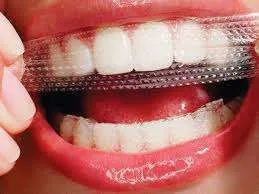
Gum irritation is another potential side effect. This occurs if the whitening agent comes into contact with the gums. This often happens if the strips are not applied correctly or if they extend too far onto the gums. To prevent gum irritation, ensure the strips fit snugly along the teeth. Avoid contact with the gum tissue. If irritation occurs, stop using the strips for a few days. Rinse your mouth with warm salt water. This can help soothe the inflamed gums. Over-the-counter pain relievers, such as ibuprofen, may alleviate discomfort. If the irritation persists or worsens, consult your dentist. They can offer guidance and potentially recommend alternative whitening options. Careful application and immediate attention to any issues are vital for ensuring a safe and comfortable whitening experience.
Best Practices for Optimal Results
To achieve the best results from teeth whitening strips, adopting a comprehensive approach is crucial. This includes not only the proper use of the strips but also complementary practices to enhance and maintain the whitening effects. Following the guidelines will help you in getting the most out of your teeth whitening treatment. This will ensure your smile is as bright as possible. Combining various methods will make your smile shine.
Maintaining Whitened Teeth
Maintaining your whitened teeth involves several key strategies. First, practice good oral hygiene. Brush your teeth twice daily with a whitening toothpaste. Floss daily. Consider using an antibacterial mouthwash. This helps remove surface stains and prevent new ones. Avoid or limit the consumption of staining foods and beverages. This includes coffee, tea, red wine, and dark berries. If you consume these items, drink water afterward to help rinse away potential stains. Regular dental check-ups and cleanings are also essential. Your dentist can professionally clean your teeth. They can address any developing issues. Consider touch-up treatments with whitening strips or other whitening products. You should follow the product instructions for touch-up sessions. By incorporating these practices, you can enjoy a bright smile. This will help to extend the results of your teeth whitening treatment.