The Impact of Whitening Strips Sore Teeth
Teeth whitening strips are a popular method for achieving a brighter smile, but they can sometimes lead to unwanted side effects, the most common being sore teeth. Many individuals experience a degree of sensitivity or discomfort during or after using these products. Understanding the reasons behind this soreness is crucial for mitigating the problem and ensuring a positive whitening experience. The impact of whitening strips on your teeth goes beyond just surface-level changes, affecting the inner workings of your tooth structure and the surrounding tissues. This article will delve into the mechanisms and causes of sore teeth related to whitening strips, providing insights and solutions to help you maintain a healthy and pain-free smile.
Understanding the Mechanisms of Whitening Strips
Whitening strips primarily work by using a chemical agent, typically hydrogen peroxide, to break down stains that have accumulated on the enamel surface. The active ingredient penetrates the enamel to oxidize the discolored molecules, thus lightening the shade of your teeth. This process, while effective, can also interact with the delicate structures within your teeth, potentially causing sensitivity and discomfort. The concentration of hydrogen peroxide, the duration of exposure, and the frequency of use all play critical roles in determining the extent of the impact on your teeth and gums.
The Role of Hydrogen Peroxide

Hydrogen peroxide is the key active ingredient in most teeth whitening products, including strips. It works by releasing oxygen radicals that break down the staining compounds in your teeth. However, hydrogen peroxide can also irritate the soft tissues of the mouth, including the gums, and can penetrate the enamel to a certain degree. Higher concentrations of hydrogen peroxide tend to produce faster whitening results, but they also increase the likelihood of experiencing sore teeth. It’s essential to follow the product’s instructions carefully to minimize potential discomfort and maximize the effectiveness of the treatment. Careful application helps mitigate the risk.
Sensitivity from Whitening Strips
Teeth sensitivity after using whitening strips is a common complaint. This occurs because the whitening agents can affect the porous nature of enamel. The hydrogen peroxide can penetrate the enamel, causing temporary irritation of the nerves inside the teeth. This sensation is often described as a sharp, shooting pain or a heightened sensitivity to temperature changes. The extent of the sensitivity varies depending on individual factors such as the thickness of the enamel, the health of the gums, and the concentration of the whitening agent.
Enamel and Dentin Interaction
Enamel, the outermost layer of the tooth, is a protective shield. However, it is porous and allows substances to pass through to the dentin, which is located underneath the enamel. Dentin contains microscopic tubules that lead directly to the tooth’s nerves. When hydrogen peroxide reaches the dentin, it can irritate these nerve endings, leading to sensitivity and soreness. The health and thickness of your enamel play a significant role in determining the level of sensitivity you experience. Thinner enamel or enamel with microscopic cracks provides less protection, making your teeth more vulnerable to irritation.
Common Causes of Sore Teeth After Whitening Strips

Several factors can contribute to sore teeth after using whitening strips. It is vital to pinpoint the specific causes to address the issue effectively. While sensitivity is a common side effect, certain situations can make the problem worse. Identifying these causes helps you take preventive measures and make informed decisions about your teeth-whitening routine. This section will discuss the most common reasons for sore teeth after using whitening strips.
Cause 1 Sensitivity from Active Ingredients
The active ingredients in whitening strips, mainly hydrogen peroxide, are designed to break down stains, but they can also cause sensitivity in some individuals. The chemical reaction that whitens the teeth can irritate the tooth’s nerves, especially if the product is too strong or used too often. The intensity of the sensitivity varies, but it is a direct consequence of the bleaching process. Some people are naturally more sensitive to these ingredients, and their teeth may be more prone to discomfort. Using a lower concentration of peroxide or applying the strips for a shorter duration can mitigate this issue.
The Concentration of Peroxide
The concentration of hydrogen peroxide in the whitening strips plays a crucial role in the likelihood of experiencing sore teeth. Higher concentrations often lead to faster and more noticeable whitening, but they also increase the risk of sensitivity. Over-the-counter whitening strips typically contain lower concentrations of hydrogen peroxide compared to professional treatments. If you have sensitive teeth, it’s advisable to start with a product that has a lower concentration of the active ingredient and gradually increase if needed, while closely monitoring your teeth’s reaction.
Cause 2 Gum Irritation
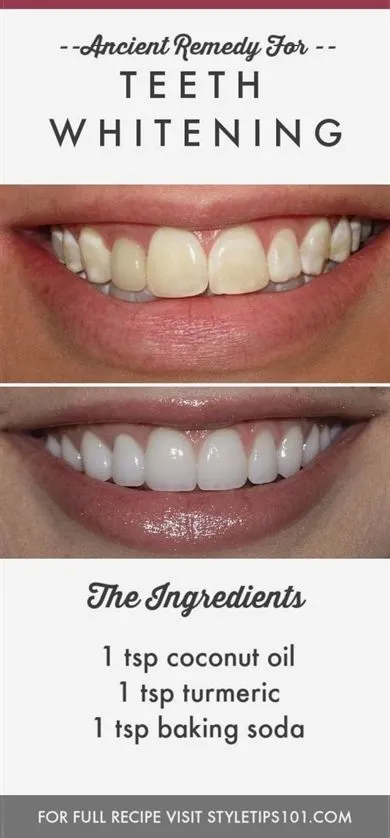
Gum irritation is another frequent cause of soreness following the use of whitening strips. The strips can sometimes come into contact with the gums, and the hydrogen peroxide can irritate the delicate tissues. This can manifest as redness, swelling, or even a burning sensation. Gum irritation can exacerbate the overall discomfort and make your teeth feel more sensitive. Correct application of the strips is essential to minimize this risk.
Improper Application Technique
Improper application techniques significantly contribute to gum irritation. The strips should be applied carefully to ensure they are only in contact with your teeth, and not your gums. Ensure the strips fit the teeth correctly, avoiding overlaps that can cause contact with gum tissue. If the strips are too large or incorrectly placed, they can rub against the gums, causing irritation. Before applying the strips, it’s helpful to gently dry your teeth to help the strips adhere better. Proper application is key to reducing the risk of irritation and maximizing the safety of your whitening experience.
Cause 3 Underlying Dental Issues
Sore teeth after using whitening strips can sometimes be a sign of underlying dental issues, such as cavities or existing gum disease. The whitening agents can penetrate the enamel and reach areas where the tooth structure is already compromised. These pre-existing conditions can exacerbate the sensitivity and cause significant discomfort. If you suspect you have dental issues, it is essential to consult with a dentist before using whitening strips.
Existing Cavities

Cavities represent areas of tooth decay, where the enamel has been damaged. The whitening agents can easily penetrate these areas, reaching the sensitive inner parts of the tooth. This interaction will lead to increased pain and sensitivity. Whitening strips can make existing cavities more noticeable and cause discomfort. Before starting a teeth-whitening regimen, it’s vital to have your teeth checked by a dentist to identify and treat any cavities or other dental problems.
Cause 4 Overuse of Whitening Strips
Overusing whitening strips can significantly increase your risk of developing sore teeth. Following the product’s instructions is essential for minimizing side effects and achieving the desired results safely. Excessive use can lead to heightened sensitivity and irritation due to the constant exposure to the active ingredients. It’s best to stick to the recommended treatment schedule and avoid exceeding the suggested duration or frequency.
Following Recommended Usage
Each brand of whitening strips comes with specific instructions on usage, including how long to wear the strips and how often to use them. Adhering to these guidelines is crucial to prevent overuse and minimize the risk of sore teeth. Using the strips for longer than recommended or more frequently than advised can increase the chance of experiencing sensitivity. It is essential to read and follow the product’s instructions carefully. If you have any concerns, consult your dentist before starting the treatment to ensure it is safe for your teeth.
Cause 5 Pre-existing Sensitivity

Individuals with pre-existing tooth sensitivity are more likely to experience soreness after using whitening strips. Those who already have thin enamel, receding gums, or other dental conditions that cause sensitivity should be cautious when using these products. It is essential to consider your dental health before starting any teeth-whitening treatment. This can help you make informed decisions and avoid unnecessary discomfort.
Identifying Sensitive Teeth
Identifying sensitive teeth is essential before using whitening strips. If you experience discomfort from cold or hot food and drinks, or if you have noticed any other signs of tooth sensitivity, it’s important to discuss this with your dentist. Your dentist can assess the condition of your teeth and gums. They can also recommend appropriate solutions for teeth-whitening. If you already have sensitive teeth, you may need to avoid whitening strips altogether or choose a product with a lower concentration of active ingredients.
Soothing Soreness After Whitening Strips
If you experience sore teeth after using whitening strips, several remedies can provide relief and help you manage the discomfort. These remedies aim to reduce sensitivity and promote the healing of any irritation. Remember to consult your dentist if the soreness persists or worsens. Here are several strategies you can consider to soothe soreness and help your teeth recover from the effects of teeth-whitening strips.
Remedies for Relief

Several approaches can help soothe sore teeth after using whitening strips. It’s often a combination of methods that provides the best relief. These methods often include the use of desensitizing toothpaste, and avoiding certain foods. Following these steps can significantly alleviate discomfort and speed up the recovery process.
Using Sensitivity Toothpaste
Sensitivity toothpastes are specially formulated to help reduce tooth sensitivity. They contain ingredients that block the pathways to the nerves in your teeth, providing relief from discomfort. The active ingredients, such as potassium nitrate, help to desensitize the nerves, which can make your teeth less sensitive to temperature changes. Using sensitivity toothpaste for a few weeks before starting whitening treatments can help prepare your teeth and reduce the likelihood of experiencing soreness. Use this toothpaste twice a day for several weeks, and you will feel the difference.
Avoiding Cold or Hot Food
When your teeth are sore, they often become more sensitive to temperature changes. Avoiding extremely cold or hot foods and drinks can help prevent further irritation and reduce discomfort. Consuming lukewarm foods and drinks, while your teeth recover, is the best way to manage this. Give your teeth a break, and allow them to heal. This simple adjustment can provide significant relief.
When to Seek Professional Help
While some soreness after using whitening strips is common, there are situations where you should seek professional help. Persistent or severe pain, significant gum irritation, or any other unusual symptoms should be evaluated by a dentist. A dentist can assess your teeth and gums, and diagnose any underlying dental issues that may be contributing to the problem. If the discomfort lasts for more than a few days or worsens despite home remedies, consult with a dental professional.
In conclusion, while teeth-whitening strips can be effective for achieving a brighter smile, they can sometimes cause sore teeth. Understanding the causes of this soreness, such as the impact of active ingredients, gum irritation, and pre-existing sensitivity, is essential for managing the issue. By taking preventive measures, like using sensitivity toothpaste and avoiding overuse, you can minimize the risk of discomfort. Remember, if the pain persists or worsens, always consult with your dentist for professional guidance and care. Your dental health is crucial, and professional advice can help you achieve the best results safely and comfortably.