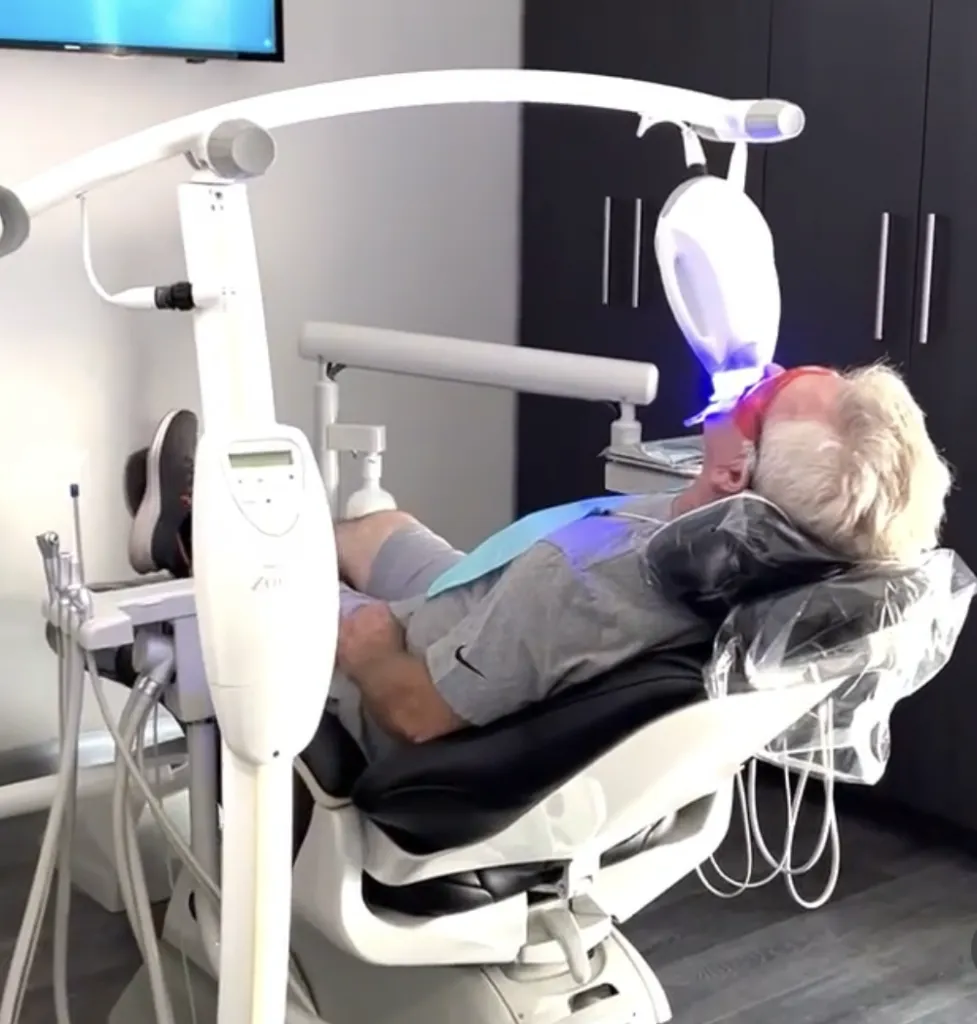
What is Active Whitening System?
An active teeth whitening system is a method used to lighten the color of teeth and remove stains and discoloration. These systems typically employ bleaching agents to break down stains, resulting in a brighter, more radiant smile. Active whitening systems are designed to address both intrinsic (internal) and extrinsic (external) stains. They are available in various forms, including over-the-counter products and professional treatments administered by dentists. The effectiveness of the system can vary depending on the type of system used, the concentration of the active ingredients, and the individual’s dental condition and the severity of the stains.
Understanding the Science Behind Active Whitening
The science behind active whitening involves the use of bleaching agents, typically hydrogen peroxide or carbamide peroxide. These chemicals penetrate the enamel and dentin of the teeth, where they break down the stain molecules. The process is an oxidation reaction, where the peroxide molecules release oxygen free radicals that react with the stain compounds, breaking them into smaller, less visible molecules. The effectiveness of the whitening process also depends on the concentration of the bleaching agent, the duration of the application, and the individual’s tooth structure. Higher concentrations and longer application times generally lead to more dramatic results, but also increase the risk of sensitivity. The effectiveness of the system is influenced by factors like the type of stains present (e.g., from coffee, tea, or tobacco), the natural shade of the teeth, and the presence of any existing dental work.
How Active Whitening Works

Active whitening systems work by using bleaching agents, such as hydrogen peroxide or carbamide peroxide, to penetrate the enamel and dentin layers of the teeth. These agents break down the stain molecules, which are responsible for the discoloration of the teeth. The process is essentially an oxidation reaction. When the bleaching agent comes into contact with the stain molecules, it releases oxygen free radicals. These free radicals break the stain molecules into smaller, less noticeable components, thereby lightening the overall appearance of the teeth. The bleaching agents are applied to the teeth, either through custom trays, strips, or professional treatments. The effectiveness depends on the concentration of the bleaching agent, the contact time, and the type and severity of the stains present.
Different Types of Active Whitening Systems
There are several types of active whitening systems available, each with its own method of application and level of effectiveness. These systems can generally be categorized into over-the-counter (OTC) products and professional treatments. OTC products include whitening toothpaste, whitening strips, and whitening gels that are applied using a tray. These are typically less expensive and convenient but may produce less dramatic results than professional treatments. Professional treatments are administered by a dentist and include in-office whitening, which involves applying a stronger bleaching agent under controlled conditions, and custom-fitted trays for at-home use with prescription-strength whitening gel. The choice of whitening system depends on individual needs, the desired level of whitening, and the budget.
Over-the-Counter Whitening Products
Over-the-counter (OTC) whitening products offer a convenient and accessible option for teeth whitening. These products are available at most drugstores and supermarkets without the need for a prescription. Common OTC products include whitening toothpaste, whitening strips, and whitening gels used with a tray. Whitening toothpaste typically contains mild abrasives and low concentrations of bleaching agents to remove surface stains and slightly brighten teeth. Whitening strips are thin, flexible strips coated with a peroxide-based bleaching agent, which are applied directly to the teeth. Tray-based systems involve a custom or pre-formed tray filled with a whitening gel. OTC products are generally less expensive and easier to use than professional treatments. The results, however, may be less dramatic and take longer to achieve than those of professional treatments. It is essential to follow the instructions on the product packaging and consult a dentist before using any OTC whitening product.
Professional Teeth Whitening Options

Professional teeth whitening options provide the most effective and controlled method for achieving a significantly brighter smile. These treatments are administered by a dentist in a clinical setting. In-office whitening, also known as chairside bleaching, involves the application of a high-concentration bleaching agent to the teeth, often enhanced with a special light or laser to accelerate the whitening process. The dentist monitors the procedure closely to ensure safety and effectiveness. Another professional option involves custom-fitted whitening trays provided by the dentist for at-home use. These trays are designed to fit the patient’s teeth precisely, ensuring even distribution of the whitening agent. The dentist prescribes a higher concentration of bleaching gel than is available over-the-counter, which allows for faster and more dramatic results. Regular check-ups and professional advice are crucial for safety and effective results.
At-Home Whitening Kits
At-home whitening kits offer a convenient way to whiten teeth within the comfort of your own home. These kits typically include custom-fitted trays, a whitening gel, and instructions for use. The custom trays are created by your dentist, ensuring a snug fit to maximize contact between the whitening gel and the teeth while minimizing the risk of gum irritation. The whitening gel contains a peroxide-based bleaching agent, and the concentration may vary based on the dentist’s prescription. The process usually involves applying the gel to the trays and wearing them for a specified amount of time each day or night, as directed by the dentist. At-home kits provide more powerful results than over-the-counter products, but require following your dentist’s instructions to minimize the risk of sensitivity and ensure safety. Regular check-ups are still necessary to monitor progress and address any potential issues.
Step-by-Step Guide to Using Whitening Systems
The use of a teeth whitening system involves a series of steps to ensure effective and safe results. First, you should consult your dentist to determine the suitability of the system for your teeth. Before starting, brush your teeth thoroughly and floss to remove any food particles. If using a tray-based system, apply the whitening gel evenly to the tray. If using strips, apply them according to the product instructions, ensuring they cover the front surfaces of your teeth. Carefully insert the tray into your mouth, following the instructions. Wear the tray or keep the strips on for the recommended amount of time. Once the time is up, remove the tray or strips, rinse your mouth and clean the tray. Follow the aftercare instructions provided with the whitening system, and be mindful of potential side effects like increased sensitivity.
Preparing Your Teeth

Preparing your teeth before using a whitening system is crucial for achieving the best results and minimizing potential side effects. Start by scheduling a check-up and cleaning with your dentist. This removes any plaque or tartar buildup that could hinder the whitening process. Brush your teeth thoroughly with a fluoride toothpaste at least twice a day to remove surface stains and food debris. Floss daily to clean between your teeth, ensuring the whitening agent can reach all surfaces. If you have sensitive teeth, consider using a desensitizing toothpaste for a few weeks before you start whitening. Avoid using abrasive toothpaste, as it can increase sensitivity. Make sure your teeth are dry before applying the whitening agent. Following these steps will prepare your teeth for the active whitening process, leading to more effective and uniform results.
Applying the Whitening Agent
The application of the whitening agent is a critical step in the teeth whitening process. If using a tray-based system, carefully apply the whitening gel to the tray. Be sure to use the correct amount of gel, following the instructions provided with the kit. Insert the tray into your mouth, ensuring the teeth are fully covered. If using whitening strips, apply them directly to the teeth, making sure the bleaching agent covers the front surfaces. Avoid any contact between the whitening agent and the gums, as it can cause irritation. Wear the tray or keep the strips on for the time specified by the product instructions or your dentist. Be patient and consistent with the application schedule to achieve the desired results. After the specified time, remove the tray or strips, rinse your mouth thoroughly with water, and brush your teeth. Rinse the tray or strips to clean them for next time.
Maintaining and Protecting Your Results
Maintaining and protecting your teeth whitening results involves a combination of consistent oral hygiene and lifestyle adjustments. Brush your teeth at least twice a day with a non-abrasive whitening toothpaste and floss daily to remove plaque and prevent staining. Avoid or minimize consumption of stain-causing foods and beverages such as coffee, tea, red wine, and dark-colored berries. If you consume these items, rinse your mouth with water immediately afterward. Avoid smoking or using tobacco products, which can severely stain your teeth. Schedule regular dental check-ups and cleanings to remove any surface stains and maintain a healthy smile. Consider occasional touch-up treatments to preserve your brightened teeth. Protect your teeth by using a straw when drinking stain-causing beverages to minimize contact with your teeth.
Post-Whitening Care Tips

After completing a teeth whitening treatment, it is important to follow post-whitening care tips to protect your results and maintain a healthy smile. Avoid consuming foods and beverages that can stain your teeth, such as coffee, tea, red wine, and dark berries, for at least 24-48 hours after the treatment. If you must consume these items, rinse your mouth immediately afterward. Use a soft-bristled toothbrush and a non-abrasive toothpaste to prevent any damage to the enamel. Consider using a toothpaste formulated for sensitive teeth if you experience any sensitivity. Avoid smoking and tobacco use, as they can cause significant staining. Schedule regular dental check-ups and cleanings to maintain your results and address any potential issues. Use a straw when drinking beverages to reduce the contact with your teeth and consider using a take-home whitening kit for touch-ups, as recommended by your dentist.
Common Mistakes to Avoid
To achieve the best results and avoid complications, there are several common mistakes to avoid when using a teeth whitening system. Do not overuse whitening products, as excessive use can lead to increased tooth sensitivity and potential damage to the enamel. Avoid using products that are not specifically designed for teeth whitening, as they may contain harmful chemicals. Do not skip the dentist check-up before whitening, as it helps to determine if you are a suitable candidate and to address any underlying dental issues. Avoid neglecting post-whitening care; this includes not following dietary restrictions and not maintaining good oral hygiene. Finally, do not use expired products or products from unknown sources, as they might not be effective or safe.
Managing Sensitivity
Teeth sensitivity is a common side effect of active whitening. There are several strategies to manage sensitivity during and after treatment. Use a toothpaste designed for sensitive teeth. These toothpastes contain ingredients like potassium nitrate, which help block the transmission of pain signals to the nerves in your teeth. Use the whitening treatment less frequently or for shorter periods if you experience sensitivity. Avoid consuming very hot or cold foods and beverages, as they can exacerbate sensitivity. Consider using a fluoride treatment, which can strengthen the enamel and reduce sensitivity. Consult with your dentist; they might recommend desensitizing agents or alternative whitening methods to minimize discomfort. Ensure you have a good oral hygiene routine, which involves brushing gently and flossing regularly to maintain the health of your teeth.
Lifestyle Habits That Affect Whitening

Several lifestyle habits significantly affect the effectiveness and longevity of teeth whitening. Dietary choices play a major role; foods and drinks with high staining potential, such as coffee, tea, red wine, and berries, can quickly diminish the results. Smoking and tobacco use are among the most significant contributors to tooth discoloration. Maintaining good oral hygiene, including regular brushing and flossing, is essential to prevent stains from forming and to maintain the whitening results. Excessive consumption of acidic foods and drinks can erode the enamel, making teeth more susceptible to staining. Regular dental check-ups and cleanings are vital to remove surface stains and maintain a healthy, bright smile. Limiting these habits and adopting healthier alternatives will help preserve and enhance your teeth whitening results.
Dietary Considerations
Dietary considerations are critical for maximizing the benefits of teeth whitening. Certain foods and beverages can stain teeth, reversing the effects of the whitening treatment. Minimize or avoid consuming coffee, tea, red wine, and dark-colored juices, which are known to cause staining. Avoid highly pigmented foods such as berries, soy sauce, and curries. If you consume these foods, rinse your mouth with water or brush your teeth immediately afterward. Focus on a diet rich in calcium, which can strengthen your enamel. Drink plenty of water to stay hydrated and help rinse away food particles. Maintaining a balanced diet and being mindful of what you consume is key to preserving your bright smile for as long as possible.
Oral Hygiene Practices
Consistent and effective oral hygiene practices are fundamental to achieving and maintaining a bright, healthy smile. Brush your teeth at least twice a day with a fluoride toothpaste, using gentle circular motions to remove plaque and debris. Floss daily to clean between teeth and prevent the buildup of bacteria and food particles that can cause staining. Consider using a mouthwash with fluoride to further protect your enamel. Schedule regular dental check-ups and cleanings to remove any plaque or tartar that brushing and flossing might miss. Use a soft-bristled toothbrush to avoid damaging your enamel and to minimize the risk of sensitivity. Consider using a tongue scraper to remove bacteria and prevent bad breath. Proper oral hygiene helps maintain your white teeth and prevents the onset of dental problems.
Benefits of Using Active Whitening System

Using an active whitening system offers several benefits, extending beyond just cosmetic improvements. The most immediate benefit is a brighter and more radiant smile, which can significantly boost self-esteem and confidence. Removing stains and discoloration enhances the overall appearance, giving teeth a healthier look. Teeth whitening can motivate individuals to improve their oral hygiene habits, as they are more inclined to maintain their investment in a beautiful smile. Certain active whitening systems can also provide some degree of antibacterial action, contributing to overall oral health. In addition to these personal benefits, a brighter smile can have a positive impact on social interactions and professional settings, enhancing first impressions.
Boosting Confidence
Teeth whitening has a profound impact on self-confidence. A brighter, more attractive smile can make people feel more self-assured in both personal and professional settings. Smiling more frequently and openly can create a positive feedback loop, boosting overall mood and social interactions. A confident smile can improve how others perceive you. When you feel good about your appearance, you are more likely to engage in positive behaviors and take on new challenges. This can contribute to a greater sense of well-being and success in various aspects of life. The ability to smile with confidence can make you feel empowered, leading to a more positive and optimistic outlook on life.
Enhancing Appearance
Enhancing your appearance through teeth whitening is a significant advantage for several reasons. A bright smile is often perceived as a sign of youthfulness, health, and vitality. A whiter smile can create a more positive first impression, making you appear more approachable and friendly. Improving the color of your teeth can complement your overall look and make you feel more attractive. It can contribute to a more polished and put-together image. In today’s image-conscious world, having a radiant smile can be a major asset, increasing your confidence and enhancing your social and professional interactions. It can make you feel better about your self-image, leading to increased self-esteem and overall satisfaction with your appearance.
Potential Risks and Side Effects

While teeth whitening is generally safe, it does come with potential risks and side effects. The most common side effect is tooth sensitivity, which can range from mild to moderate. Gum irritation is another potential issue, especially if the whitening agent comes into contact with the soft tissues of the mouth. Some individuals may experience slight changes in the tooth enamel, leading to increased porosity. Whitening treatments may not be effective on all types of stains; some stains are intrinsic, meaning they are located within the tooth, and can be harder to address. Those with existing dental work (fillings, crowns, veneers) may find that the whitening agents do not affect these restorations, leading to an uneven appearance. It is important to consult with your dentist before starting any teeth whitening treatment to assess the potential risks and discuss strategies to minimize side effects.
Sensitivity and Irritation
Sensitivity and irritation are common side effects of teeth whitening. Tooth sensitivity can manifest as a sharp pain or discomfort when consuming hot, cold, or sweet foods or beverages. Gum irritation can occur if the whitening agent comes into contact with the soft tissues of the mouth, causing redness, swelling, or soreness. These side effects are usually temporary and subside shortly after the treatment is completed. To manage sensitivity, consider using toothpaste designed for sensitive teeth, avoiding extreme temperatures in food and drinks, and using a lower concentration of the whitening agent or reducing the treatment duration. Prevent gum irritation by ensuring that the whitening agent is applied correctly and does not come into contact with your gums. If sensitivity or irritation persists or worsens, consult your dentist for further guidance.
Effect on Dental Work
Teeth whitening treatments do not affect existing dental work such as fillings, crowns, veneers, or dentures. These restorations are made from materials that do not react to the bleaching agents used in teeth whitening, so they will not lighten in color. This can lead to an uneven appearance. If your natural teeth whiten while your dental work remains the same shade, it may create a contrast. To address this, you may need to have your dental work replaced to match your newly whitened teeth. It is crucial to discuss this with your dentist before starting any whitening treatment to ensure that you are aware of the potential impact on your existing dental work and to explore all the options.
Choosing the Right Active Whitening System
Choosing the right teeth whitening system requires careful consideration of your individual needs and preferences. Start by consulting your dentist, who can assess your oral health and recommend a suitable option. Consider the level of whitening you desire; over-the-counter products may be sufficient for mild discoloration, while professional treatments are more effective for more significant staining. Evaluate the convenience of the system; at-home kits offer flexibility, while in-office treatments provide immediate results. Budget is another important factor; over-the-counter products are generally more affordable, while professional treatments can be more costly. Research different systems and read reviews to get an idea of the experience. Remember to prioritize your safety and consult with your dentist before making any decisions.
Consulting Your Dentist
Consulting your dentist is the most important step before starting any teeth whitening treatment. Your dentist can perform a thorough examination of your teeth and gums to ensure that you are a suitable candidate for whitening. They will assess the condition of your teeth, identifying any existing dental issues like cavities or gum disease. They can also discuss the potential risks and side effects of teeth whitening and recommend the most appropriate treatment option. Your dentist can provide professional-grade whitening treatments that are more effective and safer than over-the-counter products. They can also create custom-fitted trays for at-home whitening, ensuring better results. Your dentist can monitor your progress and address any sensitivity or other issues that may arise during the whitening process. They also provide long-term guidance on maintaining a bright and healthy smile.
Evaluating Your Needs
Evaluating your needs is key to selecting the most suitable teeth whitening system. Start by assessing the severity and type of stains on your teeth. If you have only surface stains, over-the-counter whitening products may be effective. More significant discoloration may require professional treatments. Consider your sensitivity levels. If you have sensitive teeth, choose a system that includes ingredients to reduce sensitivity. Evaluate your time commitment; at-home whitening kits require daily application, while in-office treatments provide immediate results. Determine your budget. The cost of whitening systems varies widely; consider the cost of materials versus the results. Consider the level of results you are hoping to achieve; assess your expectations and determine the level of whiteness that will meet your needs and expectations.
Cost and Budget
The cost of teeth whitening systems varies significantly depending on the type of treatment and the provider. Over-the-counter whitening products, such as strips and toothpaste, are the most affordable, ranging from a few dollars to a few hundred. At-home whitening kits prescribed by your dentist typically cost more but offer better results. Professional in-office whitening treatments are the most expensive option, but they also provide the most dramatic and immediate results. Consider your budget and the level of whitening you desire when making your decision. In addition to the initial cost, consider any ongoing expenses, such as touch-up treatments or maintenance products. Make sure to inquire about the total cost and any associated fees before starting any treatment. It is also wise to compare prices among different dentists and providers to find the best value.
FAQs About Active Whitening
Frequently asked questions (FAQs) about active teeth whitening cover a range of topics to help individuals make informed decisions. Common questions include: “Is teeth whitening safe?” (generally safe when performed under professional guidance). “How long does teeth whitening last?” (results vary, lasting from months to years). “Can whitening damage my teeth?” (potential risks exist, so professional advice is recommended). Other common inquiries include the cost of whitening, whether it can be done at home, the potential side effects (such as sensitivity), and the best methods to maintain the results. The goal of FAQs is to provide comprehensive information about the benefits, risks, and processes of active whitening, empowering individuals to make informed decisions about their oral health.
Is Active Whitening Safe?
Active whitening is generally safe when performed under the supervision of a dental professional. Over-the-counter whitening products, if used according to instructions, are also usually safe. The main risk is tooth sensitivity or gum irritation. These are usually temporary and can be managed by using toothpaste for sensitive teeth or reducing the frequency of treatments. Excessive whitening can potentially damage tooth enamel. Always consult with a dentist before starting any whitening treatment. The dentist will evaluate your oral health and determine if whitening is right for you. They will also advise on how to minimize risks and ensure the best and safest outcome.
How Long Does Whitening Last?
The longevity of teeth whitening results varies depending on several factors, including the type of whitening treatment, your lifestyle habits, and your oral hygiene practices. In-office whitening results can last from several months to a few years. At-home whitening treatments typically last for a shorter duration. Dietary habits play a significant role; avoiding stain-causing foods and drinks can help to extend the results. Maintaining good oral hygiene, including brushing, flossing, and regular dental check-ups, is essential. Periodic touch-up treatments may be necessary to maintain the desired level of whiteness. On average, whitening results can last from six months to three years, and the impact depends on individual factors.
Can Whitening Damage My Teeth?
While teeth whitening is generally safe, there are potential risks, so it’s important to be informed. Overuse of whitening products can lead to increased tooth sensitivity and, in rare cases, can damage tooth enamel. Excessive exposure to bleaching agents can potentially weaken the enamel, making the teeth more susceptible to decay. Existing dental issues, such as cavities or gum disease, must be addressed before whitening, as these can be exacerbated by the treatments. Consulting with a dentist is essential to determine whether whitening is suitable for your oral health condition. Proper use of whitening products following the recommended guidelines helps minimize the risk of damage and ensures a safe and effective experience. Choosing professional treatments under dental supervision offers the safest approach.