Understanding Teeth Whitening The Time Factor
Teeth whitening has become a popular cosmetic dental procedure, promising a brighter, more confident smile. However, the effectiveness and safety of teeth whitening hinge significantly on the duration that the whitening gel is left on the teeth. Understanding the time factor is crucial to achieve the desired results without causing harm. This article delves into the intricacies of teeth whitening time, exploring the various influencing factors, potential risks, and essential safety guidelines to ensure a healthy and radiant smile. It’s important to note that the optimal duration varies depending on several elements, including the type of whitening system, the concentration of the active ingredients, and individual tooth sensitivity.
Factors Influencing Whitening Gel Duration
Several factors influence how long whitening gel should remain on your teeth. The concentration of the active ingredient, usually hydrogen peroxide or carbamide peroxide, plays a significant role. Higher concentrations often require shorter application times, while lower concentrations might need longer periods to achieve the same results. Additionally, the type of whitening system used, whether professional or at-home, dictates the recommended duration. Individual factors, such as tooth sensitivity, existing dental work, and the initial shade of your teeth, also affect the optimal time. It is crucial to consider these aspects and follow the instructions provided by your dentist or the product manufacturer meticulously to prevent complications and achieve the desired whitening effect. Another thing to consider is the sensitivity of your teeth, some people have more sensitivity and that can cause damage.
Gel Concentration and Time

The concentration of the whitening agent directly impacts the application time. Professional whitening treatments often use higher concentrations of hydrogen peroxide, sometimes up to 40%, which can yield faster results but require careful monitoring by a dental professional. These treatments typically involve shorter application times, often in increments of 15 to 30 minutes per session. At-home whitening kits usually contain lower concentrations, around 3% to 22% hydrogen peroxide or carbamide peroxide, which necessitate longer application times, ranging from 30 minutes to several hours, depending on the specific product. The specific time will vary depending on the brand. Always adhere to the product instructions and consult with your dentist to determine the appropriate concentration and application time for your needs, ensuring both effectiveness and safety.
Types of Whitening Systems
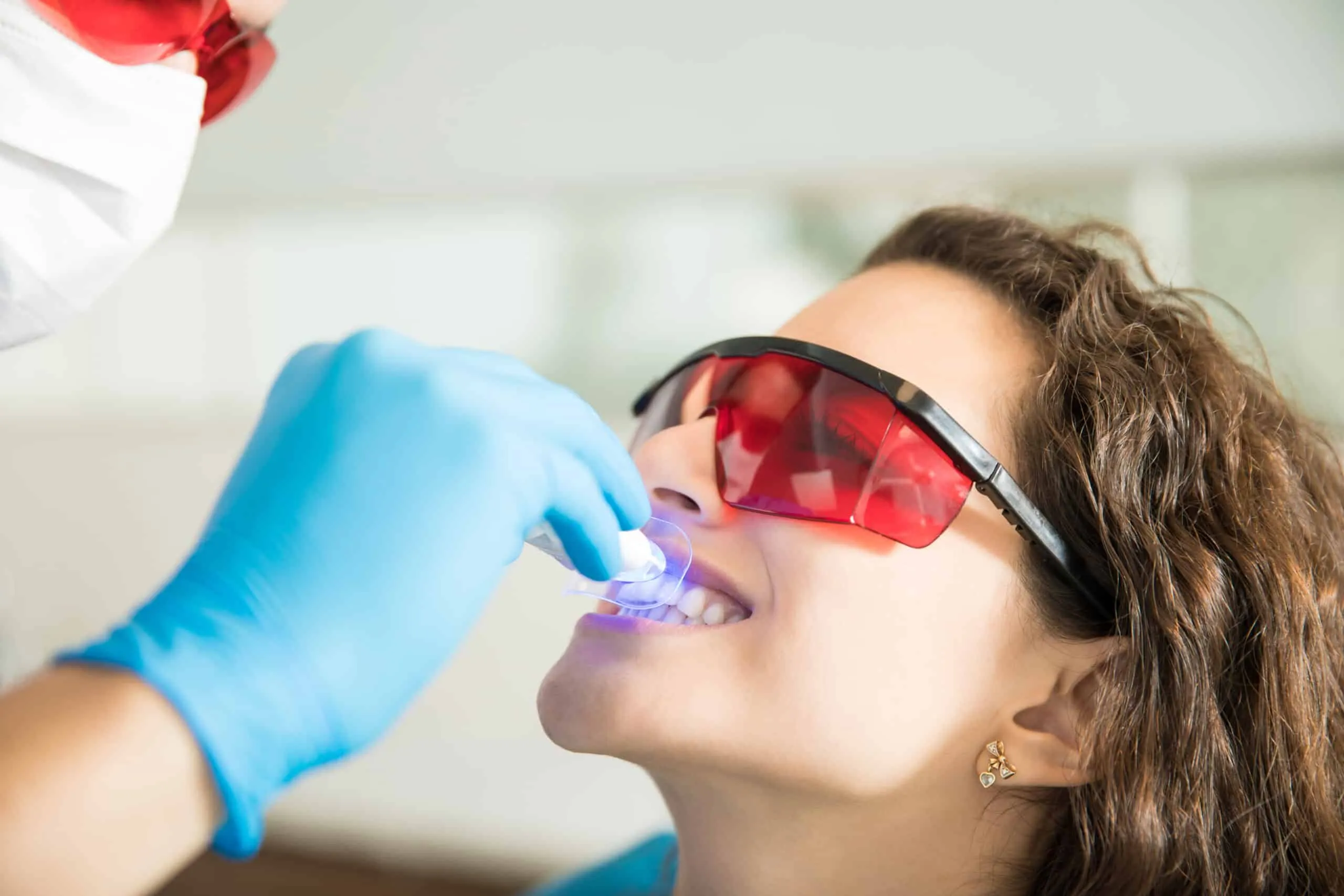
Different whitening systems have varying time requirements. Professional whitening treatments, conducted in a dental office, often utilize high-concentration gels and may involve light or laser activation to accelerate the whitening process. These treatments are typically completed in a single visit, with the gel applied for short intervals. At-home whitening systems include custom-fitted trays or strips. Tray-based systems, using gels prescribed by a dentist, require application for a specific duration each day, which can range from 30 minutes to several hours. Whitening strips, on the other hand, are pre-dosed and applied directly to the teeth for a set amount of time, typically 30 minutes. The best method is determined by your dentist. Following the instructions for each system is important to avoid damage to your teeth.
Professional Whitening Time Considerations
Professional teeth whitening procedures are performed under the supervision of a dentist, ensuring a controlled environment and optimal safety. The application time for professional treatments is usually shorter compared to at-home methods due to the higher concentration of the whitening agent. Dentists carefully monitor the process, evaluating the teeth’s response and adjusting the application time as needed. During the procedure, the dentist will protect the gums and soft tissues to prevent irritation. The application time typically ranges from 30 minutes to an hour, divided into multiple sessions. This controlled environment allows for quicker and more effective whitening while minimizing potential risks. The number of sessions varies depending on the initial shade of the teeth and the desired level of whitening.
At Home Whitening Duration

At-home teeth whitening kits offer convenience, but require diligent adherence to instructions to ensure safety and effectiveness. The application time for at-home treatments varies depending on the product and the concentration of the active ingredient. Whitening strips are typically used for 30 minutes twice a day. Tray-based systems, using custom-fitted trays and dentist-prescribed gels, might require application for a few hours each day, or even overnight, depending on the product. Over-the-counter gels usually have shorter application times. It is essential to carefully read and follow the manufacturer’s instructions, and not exceed the recommended duration. This will help avoid sensitivity, irritation, or any other potential adverse effects. Regular dental check-ups are also recommended to monitor the progress and address any concerns.
Potential Risks of Over Whitening
Leaving whitening gel on your teeth for too long can lead to several potential risks, highlighting the importance of adhering to the recommended application times. Over-whitening can cause increased sensitivity and irritation of the gums and soft tissues. It can also contribute to enamel damage. Additionally, prolonged exposure to the whitening agents can result in an uneven whitening effect. This can lead to white spots or a blotchy appearance. In severe cases, excessive whitening can cause irreversible damage to the teeth. This is why it is crucial to follow the instructions and consult with a dentist. They can help monitor your progress and adjust the treatment plan as needed to minimize the risk of adverse effects.
Sensitivity and Irritation
Increased tooth sensitivity and gum irritation are common side effects of teeth whitening, especially if the gel is left on for too long or used too frequently. Sensitivity can manifest as sharp pain or discomfort when consuming hot or cold foods and drinks. Gum irritation may present as redness, swelling, or tenderness. These issues are usually temporary and subside once the whitening treatment is stopped or the application time is reduced. However, prolonged overexposure to whitening agents can exacerbate these symptoms, making them more severe and prolonged. Using a desensitizing toothpaste and avoiding acidic foods and drinks can help alleviate sensitivity. Consult your dentist if the symptoms persist or worsen.
Enamel Damage

Enamel damage is a serious potential risk of over-whitening. The enamel, the hard, protective outer layer of the tooth, can be weakened by excessive exposure to the bleaching agents. This can lead to increased porosity, making the teeth more susceptible to staining, decay, and sensitivity. While most whitening products are safe when used as directed, prolonged or improper use can compromise the integrity of the enamel. Therefore, it is essential to follow the instructions, avoid over-whitening, and seek professional guidance from your dentist. They can assess the condition of your teeth and recommend the safest whitening approach for your specific needs. Proper use of the whitener is always the best option.
Tips for Safe Teeth Whitening
Ensuring a safe teeth whitening experience involves several crucial steps. Always consult with a dentist before starting any whitening treatment to determine the suitability and discuss potential risks. Carefully follow the product instructions, paying close attention to the recommended application time and frequency. Avoid over-whitening by not exceeding the suggested treatment duration. Use a toothpaste formulated for sensitive teeth to help manage any sensitivity. Be mindful of what you eat or drink after whitening. Steer clear of foods and drinks that can stain your teeth, such as coffee, tea, and red wine. Maintain regular dental check-ups to monitor your oral health and address any concerns promptly. Following these guidelines will help you achieve a brighter smile while protecting the health of your teeth.
Consulting Your Dentist
Consulting your dentist before undergoing teeth whitening is a critical step. A dentist can assess your oral health, identify any underlying issues like cavities or gum disease, and determine if teeth whitening is appropriate for you. They can also provide personalized recommendations based on your specific needs, including the type of whitening system and the recommended application time. Your dentist can also address any concerns, monitor the progress, and provide advice on managing potential side effects. Professional guidance ensures the safety and effectiveness of the whitening process, helping you achieve the desired results without compromising your oral health. Your dentist can also make a custom tray to help with the whitening process.
Following Instructions

Strictly adhering to the instructions provided with your chosen teeth whitening product is paramount to achieve safe and effective results. Whether using professional treatments or at-home kits, the manufacturer’s guidelines specify the recommended application time, frequency, and any other essential instructions. These guidelines are based on scientific research and designed to maximize whitening effectiveness while minimizing potential risks. Ignoring the instructions, especially regarding the application time, can lead to over-whitening, increasing the risk of sensitivity, irritation, and enamel damage. Therefore, always read and carefully follow the product’s instructions. Do not exceed the recommended treatment duration or frequency to protect your oral health and achieve the desired results safely. If you do not follow instructions then it can cause extreme damage.
Maintaining Your White Smile
Maintaining your newly whitened smile requires consistent care and attention. After whitening, avoid foods and drinks that can stain your teeth, such as coffee, tea, red wine, and dark-colored berries. Consider using a whitening toothpaste and mouthwash to help maintain the brightness. Regular dental check-ups and professional cleanings are essential to remove surface stains and keep your teeth healthy. Practicing good oral hygiene, including brushing twice a day and flossing daily, will also help to prevent stains and maintain your radiant smile. Consider using a straw when drinking staining beverages to minimize contact with your teeth. A white smile takes time and effort to maintain.