Best Teeth Whitening Treatment
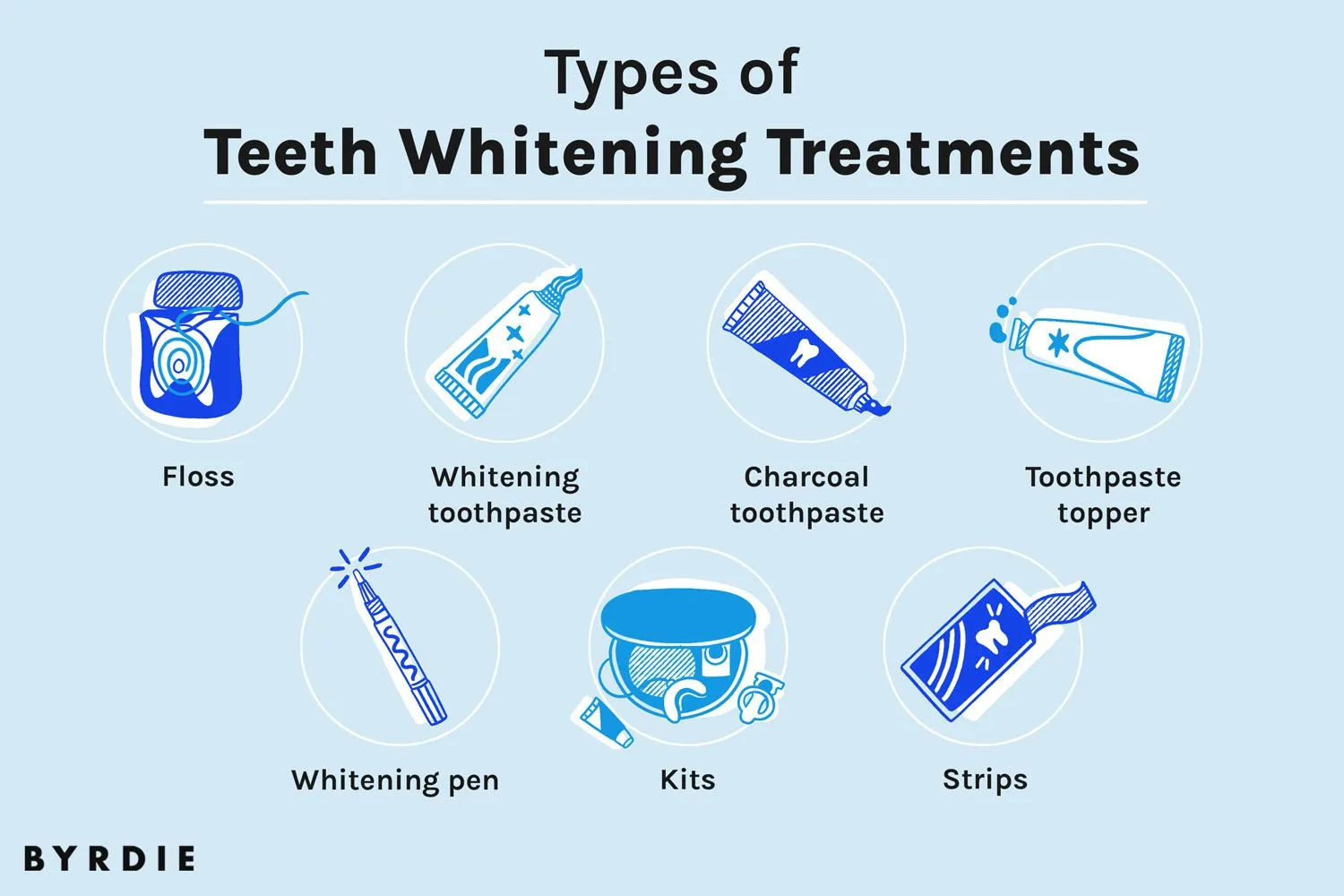
Achieving a brighter, whiter smile is a common goal, and thankfully, there are numerous teeth whitening treatments available. With so many options, it can be challenging to determine which treatment is best suited for your needs and desires. This guide explores the top five teeth whitening choices, helping you understand their mechanisms, effectiveness, and suitability for different situations. From professional procedures to at-home solutions, discover which method can help you achieve the smile you’ve always wanted.
Professional Teeth Whitening
Professional teeth whitening, often performed in a dentist’s office, is the most effective and quickest way to achieve significant whitening results. These procedures utilize high-concentration bleaching agents that are far more potent than those available in over-the-counter products. This ensures that the teeth are not only whitened but also that the process is closely monitored by a dental professional to minimize the risk of sensitivity or other complications. The dentist can also address any underlying dental issues that might affect the whitening outcome.
In-Office Whitening Procedure

The in-office whitening procedure typically involves the dentist applying a powerful whitening gel to your teeth. A special light or laser may be used to activate the whitening agent, accelerating the process. The procedure usually takes about an hour to an hour and a half, and you can often see a noticeable difference in your teeth’s shade immediately after the treatment. The dentist will often take a before-and-after photo to showcase the results. Multiple sessions may be required depending on the severity of the discoloration and desired results.
Pros and Cons of In-Office Whitening
The main advantage of in-office whitening is its speed and effectiveness. It offers immediate, dramatic results under the supervision of a dental professional, minimizing the risk of gum irritation or sensitivity. However, it’s also the most expensive option. Some people may experience temporary tooth sensitivity. Additionally, it is important to note that in-office whitening is not a permanent solution, and touch-up treatments may be needed to maintain the desired shade. Careful consideration is needed when weighing the advantages and disadvantages.
At-Home Whitening Kits
At-home whitening kits provide a convenient and more affordable alternative to professional treatments. These kits typically contain custom-fitted trays or strips filled with a bleaching agent. The process involves wearing the trays or applying the strips for a specified amount of time each day, usually for a few weeks. While the results may not be as immediate or dramatic as in-office treatments, at-home kits can still provide noticeable improvement over time, and are popular because of the convenience they offer.
Types of At-Home Whitening Kits

At-home whitening kits come in various forms, including pre-filled trays, custom-fitted trays, and whitening strips. Custom-fitted trays are often obtained from a dentist, providing a better fit and ensuring that the whitening gel covers all tooth surfaces evenly. Pre-filled trays and strips are readily available over-the-counter, offering ease of use. The active ingredient in most kits is carbamide peroxide or hydrogen peroxide, which breaks down stains and whitens teeth. Each type offers different levels of convenience and effectiveness.
Effectiveness of At-Home Kits
The effectiveness of at-home kits varies depending on the concentration of the bleaching agent and the frequency of use. Generally, at-home kits with higher concentrations of peroxide will yield better results, but they may also cause more sensitivity. Consistency is key with these kits; following the instructions carefully ensures the best possible outcome. For those with mild to moderate stains, at-home kits can be a viable option, however, they are not as effective for severe staining. It is always wise to consult with your dentist about your individual needs.
Whitening Toothpastes and Mouthwashes
Whitening toothpastes and mouthwashes are readily available and offer a simple way to enhance the brightness of your smile. They are often used as a supplementary approach to other methods. They generally remove surface stains, but they don’t have the power to change the inherent color of the teeth. While not as dramatic as professional or at-home treatments, these products can contribute to a fresher and whiter appearance over time when used consistently as part of your oral hygiene routine.
How Whitening Toothpastes Work

Whitening toothpastes typically contain mild abrasives, like hydrated silica or calcium carbonate, to polish away surface stains caused by food, drinks, and tobacco. Some also contain chemical agents, such as hydrogen peroxide, to help break down stains. The polishing action helps to remove discoloration and brighten the teeth. However, they are not able to penetrate the enamel and alter the underlying tooth color. Regular use can help to maintain the results of other whitening treatments by preventing new stains from setting in.
Limitations of Whitening Toothpastes
Whitening toothpastes have limitations. They are primarily effective at removing surface stains. They are not effective against stains that have penetrated the enamel or discoloration from within the tooth. Overuse of abrasive toothpastes can potentially wear away enamel, leading to increased tooth sensitivity. For significant whitening, they are usually combined with other methods. It’s important to choose a toothpaste with a reasonable level of abrasiveness and to brush gently to avoid damaging your enamel.
Teeth Whitening Strips
Teeth whitening strips are a popular and affordable option for achieving a brighter smile. They are thin, flexible strips coated with a hydrogen peroxide-based whitening agent. These strips adhere directly to the teeth, ensuring close contact with the enamel surface. This method offers a convenient way to whiten teeth at home without the need for trays or custom fittings. They are simple to use and often yield visible results after a few days or weeks of consistent use.
How Teeth Whitening Strips Work

Whitening strips work by applying a thin layer of a bleaching agent directly to the teeth’s surface. The hydrogen peroxide in the strips penetrates the enamel, breaking down the stain molecules that cause discoloration. The strips should be applied for a specific time period, usually 30 minutes, once or twice a day, as directed by the product instructions. The whitening agent stays in contact with the teeth for the duration, allowing it to effectively lighten the shade of your teeth. The concentration of hydrogen peroxide determines the efficacy of the product.
Effectiveness of Teeth Whitening Strips
Teeth whitening strips are effective for removing surface stains and mild discoloration. Results can vary depending on the starting shade of your teeth and the severity of the staining. Consistent use, as directed, can provide noticeable improvements. However, like other at-home methods, strips may not be as effective for severe staining. It’s important to adhere to the recommended usage to avoid potential issues. Some users experience temporary sensitivity. Overall, strips offer a balance of convenience and cost-effectiveness.
Natural Teeth Whitening Methods
For those seeking more natural alternatives, several methods are believed to help whiten teeth. While these methods may not deliver the same dramatic results as professional treatments or at-home kits, they can still make a difference and support overall oral health. These methods often involve common household ingredients and practices that aim to gently remove stains and brighten the teeth naturally. The effectiveness varies, and it’s essential to approach these methods with a degree of caution and knowledge.
Oil Pulling

Oil pulling involves swishing oil (usually coconut oil) in your mouth for 10–20 minutes. Some proponents claim this practice can remove bacteria and toxins, and help to whiten teeth by reducing plaque buildup. There is limited scientific evidence to support the claims of oil pulling for whitening, but some users report positive results. The practice may help to improve oral hygiene by reducing plaque and preventing gingivitis. It is not a substitute for brushing and flossing. Before you start, consult your dentist to make sure it is the correct choice for you.
Baking Soda and Hydrogen Peroxide
Baking soda and hydrogen peroxide is a popular DIY method. Combining baking soda (a mild abrasive) with hydrogen peroxide (a bleaching agent) can help to remove surface stains. This mixture should be used cautiously and in moderation, as excessive use can erode enamel. This method is not as effective as professional treatments or at-home kits, but can offer a modest brightening effect when used occasionally. The abrasiveness of baking soda may cause increased sensitivity. It’s essential to consult a dentist before starting to use this, or any other, DIY method.
Choosing the Right Treatment
Choosing the right teeth whitening treatment depends on individual needs, preferences, and budget. Professional treatments provide the fastest and most effective results but are the most expensive. At-home kits offer a more affordable and convenient alternative, with varying levels of effectiveness. Whitening toothpastes and mouthwashes can help maintain a bright smile. Natural methods provide gentler options, and strips balance convenience with results. Thorough consideration is needed to select the best method for your specific situation. Consulting a dentist for personalized advice is highly recommended.
Factors to Consider

When choosing a teeth whitening treatment, consider the severity of the staining, your budget, and the time you’re willing to dedicate to the process. If you have significant staining or want immediate results, a professional treatment may be the best choice. If cost and convenience are your priorities, at-home kits or strips may be better. Also, think about your lifestyle and habits. If you consume a lot of staining foods and drinks, it’s essential to choose a treatment that can provide adequate results. Think also about tooth sensitivity. This can influence which treatment you choose and which concentration of whitening agent works best for your teeth.
Consulting a Dentist
Before starting any teeth whitening treatment, it’s crucial to consult with a dentist. A dentist can assess the health of your teeth and gums, determine the cause of the staining, and recommend the most appropriate treatment. Dentists can also identify underlying issues, such as cavities or gum disease, that may need to be addressed before whitening. They can also provide custom-fitted trays for at-home whitening kits, ensuring optimal results. Regular dental checkups are essential for healthy teeth, and your dentist can assist with the process and address any concerns.
Maintaining Your White Smile
Once you’ve achieved your desired level of whiteness, it’s important to maintain your results. This involves good oral hygiene practices, such as brushing and flossing regularly, using a whitening toothpaste, and avoiding foods and drinks that can cause staining. Regular dental checkups and cleanings can help keep your teeth bright. Consider occasional touch-up treatments to maintain the results. By adopting these habits, you can enjoy a beautiful and confident smile for years to come.