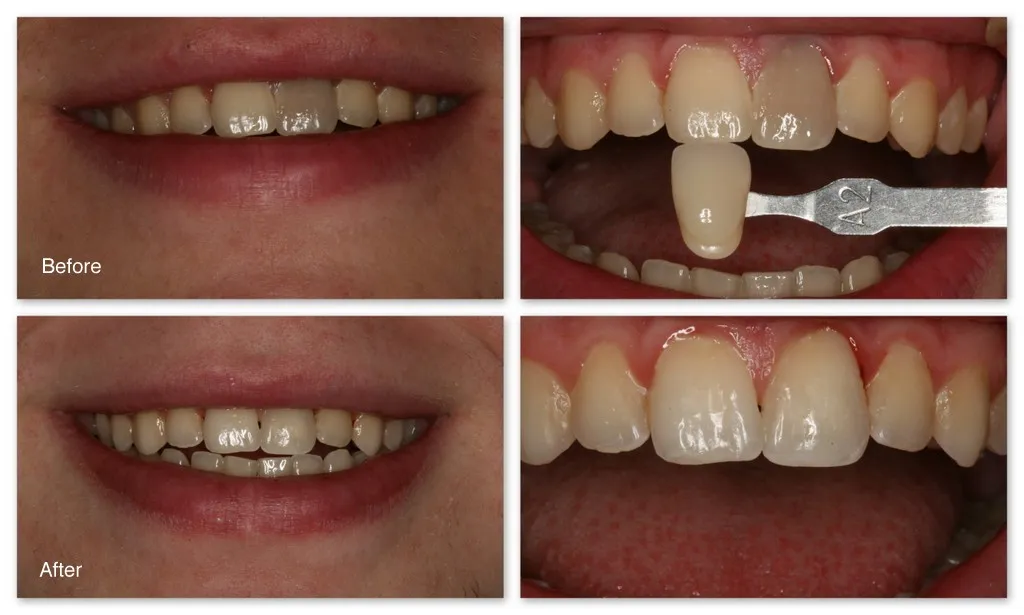
What Causes Tooth Pain After Whitening?
Tooth whitening, while a popular cosmetic procedure, can sometimes lead to tooth pain. This discomfort is typically a temporary side effect, but understanding its causes can help you manage it effectively. The primary reason for pain is increased tooth sensitivity. The active ingredients in whitening products, such as hydrogen peroxide or carbamide peroxide, penetrate the enamel and dentin, the layers of your teeth. This process can irritate the nerves within the teeth, leading to sensitivity and, in some cases, sharp pain. The intensity of the pain can vary significantly from person to person, and depends on several factors including the concentration of the whitening agent, the duration of the treatment, and the individual’s existing dental health. Addressing these factors can minimize the likelihood and severity of any pain experienced. Knowing what contributes to the pain is the first step in preventing or alleviating it.
Tooth Sensitivity Explained
Tooth sensitivity is a common dental issue characterized by discomfort or pain in response to certain stimuli, such as temperature changes, sweet or acidic foods, or even air. This sensitivity occurs when the enamel, which protects the teeth, thins or erodes, or when the gums recede, exposing the underlying dentin. Dentin contains microscopic tubules that lead directly to the nerve of the tooth. When these tubules are exposed, stimuli can easily reach the nerve, triggering pain. During tooth whitening, the whitening agents can penetrate the enamel and dentin, causing the tubules to become more permeable and exacerbating existing sensitivity. The degree of sensitivity varies depending on individual factors, including the thickness of enamel, the health of the gums, and any pre-existing dental issues. It is important to address any pre-existing conditions before undergoing whitening to minimize potential discomfort.
How Whitening Products Work

Whitening products work by using chemical agents to break down stains and discoloration within the tooth enamel. The most common active ingredients are hydrogen peroxide and carbamide peroxide, which are oxidizing agents. When these agents come into contact with the teeth, they release oxygen molecules. These oxygen molecules react with the stain molecules, breaking them apart and making the teeth appear brighter. The process is effective because the oxygen molecules can penetrate the enamel and reach the deeper layers of the tooth where stains reside. The concentration of the whitening agent and the duration of its exposure determine the degree of whitening achieved. Professional whitening treatments typically use higher concentrations than over-the-counter products, which can lead to faster and more dramatic results but may also increase the likelihood of sensitivity. It is essential to follow the instructions carefully to achieve optimal results while minimizing the risk of pain.
Common Whitening Ingredients and Their Effects
The effectiveness and potential side effects of tooth whitening largely depend on the ingredients used. As previously mentioned, hydrogen peroxide and carbamide peroxide are the primary active ingredients. Hydrogen peroxide is a stronger agent and often found in professional treatments, while carbamide peroxide breaks down into hydrogen peroxide. The concentration of these ingredients greatly influences their impact. Higher concentrations yield faster results but also increase the risk of sensitivity. Other ingredients such as potassium nitrate are sometimes included in whitening products to reduce sensitivity. This compound helps block the nerve signals that cause pain. Additionally, some products contain fluoride to help remineralize the enamel and strengthen the teeth. Understanding the ingredients in the whitening product is key to managing potential pain and ensuring effective results. Always consult with a dental professional before using any whitening product, especially if you have sensitive teeth.
The Science Behind Tooth Sensitivity
Tooth sensitivity after whitening is rooted in the physiology of the tooth. The outer layer of the tooth, the enamel, is a hard, protective layer. Underneath the enamel is the dentin, which contains tiny tubules. These tubules extend to the pulp of the tooth, where the nerves and blood vessels are located. Whitening agents, due to their chemical nature, can pass through the enamel and dentin. This process can irritate the nerves inside the pulp, leading to sensitivity. Furthermore, whitening can dehydrate the teeth, making them more porous and increasing their sensitivity. The degree of sensitivity also depends on individual factors. People with thinner enamel, receding gums, or existing dental issues are more likely to experience pain. Understanding the underlying science helps in choosing the right whitening method and in managing any discomfort that may arise. Proper dental care and using products specifically designed for sensitive teeth can significantly mitigate the effects of whitening.
Top 5 Facts about Tooth Whitening Pain

Fact 1 Tooth Sensitivity is Common
Tooth sensitivity after whitening is a frequent occurrence. Many people experience some level of sensitivity during or after the procedure. The degree of sensitivity varies, with some individuals experiencing mild discomfort while others feel sharp pain. The prevalence of sensitivity stems from the mechanism of whitening agents. The agents penetrate the tooth enamel, which can irritate the nerves inside the tooth. The good news is that this sensitivity is typically temporary. It usually resolves within a few days to a couple of weeks after the whitening treatment. Proper precautions, such as using sensitivity toothpaste and avoiding trigger foods, can help to manage any discomfort. If the pain is severe or persists for a long time, it is crucial to consult a dentist.
Fact 2 Whitening Can Irritate Nerves
The active ingredients in whitening products, primarily hydrogen peroxide or carbamide peroxide, can irritate the nerves within the teeth. These agents work by breaking down stains, but this process can also affect the inner layers of the tooth. The irritation occurs because the whitening agents can penetrate the enamel and dentin, reaching the nerve endings in the pulp. This can cause inflammation and increased sensitivity. The concentration of the whitening agent plays a significant role. Higher concentrations found in professional treatments can potentially cause more intense irritation. The duration of the treatment is also a factor. Prolonged exposure to whitening agents can increase the likelihood of nerve irritation. Understanding that the process can irritate the nerves is essential to preparing for the potential for discomfort and taking preventive measures.
Fact 3 Some People Are More Susceptible

Certain individuals are more prone to experiencing tooth sensitivity after whitening. People with naturally thin enamel are at higher risk because the whitening agents can more easily penetrate the tooth structure. Those with receding gums or exposed root surfaces are also more susceptible since these areas lack the protective enamel. Additionally, people with existing dental issues, such as cavities, cracks, or gum disease, may experience increased pain. The health of your teeth before whitening plays a significant role in your experience. It is essential to consult with a dentist before undertaking any whitening procedure. The dentist can assess your dental health, identify any potential risks, and recommend appropriate measures to minimize sensitivity. Taking precautions and choosing milder whitening options can also help individuals with sensitive teeth achieve whiter smiles.
Fact 4 Pain Can Vary in Intensity
The intensity of tooth pain after whitening can vary widely among individuals. Some people experience only mild discomfort, such as slight sensitivity to cold or hot foods and drinks. Others may feel sharp, shooting pains that come and go. This variance is due to a range of factors, including the concentration of the whitening agent, the individual’s tooth structure, and their overall dental health. The type of whitening treatment used (professional vs. at-home) also influences the level of pain. Professional treatments, which use higher concentrations of whitening agents, may cause more intense pain than at-home options. However, both can cause varying levels of discomfort. Understanding this variability helps in managing expectations and choosing a whitening method that suits individual needs. If you experience severe pain, consult your dentist to rule out any other underlying issues.
Fact 5 Pain Usually Subsides
The good news is that the tooth pain associated with whitening is typically temporary. Most people find that any sensitivity or pain subsides within a few days to a couple of weeks after the whitening treatment. This is because the tooth’s nerve endings gradually adapt to the effects of the whitening agents. The pain decreases as the teeth remineralize and the irritation subsides. However, if the pain persists or worsens, it’s crucial to seek advice from your dentist. The dentist can determine if the pain is related to the whitening or another dental issue. Following aftercare instructions, such as using sensitivity toothpaste and avoiding trigger foods, can help expedite the recovery process and reduce discomfort. Being aware that the pain is usually temporary can provide reassurance during the whitening process.
Tips to Reduce Tooth Pain After Whitening

Use Sensitivity Toothpaste
Using sensitivity toothpaste is a highly effective way to reduce tooth pain after whitening. These toothpastes contain ingredients like potassium nitrate or stannous fluoride, which help block the tubules in the dentin, reducing nerve sensitivity. Using sensitivity toothpaste for a couple of weeks before whitening can help prepare your teeth and minimize discomfort. Continue using it during and after the whitening process. For best results, apply the toothpaste directly to sensitive areas and let it sit for a few minutes before brushing. This allows the active ingredients to penetrate the tooth structure. When choosing sensitivity toothpaste, look for options recommended by dental professionals and check the ingredients to ensure they will address your specific sensitivity concerns. Regularly brushing with a sensitivity toothpaste will help manage and reduce pain caused by whitening.
Avoid Hot and Cold Foods
One of the most common triggers for tooth pain after whitening is the consumption of hot or cold foods and drinks. The increased sensitivity can make even brief contact with temperature extremes painful. To minimize discomfort, avoid these items during and shortly after your whitening treatment. This includes ice cream, hot coffee, and anything with extreme temperatures. If you are having something that is cold, try drinking it through a straw to minimize contact with your teeth. Let hot foods and drinks cool down before consuming them. Instead, opt for lukewarm foods and beverages. Once the sensitivity subsides, you can gradually reintroduce hot and cold items. By being mindful of what you consume, you can significantly reduce the pain associated with tooth whitening.
Consider a Fluoride Treatment

Fluoride treatments can significantly help to alleviate tooth pain after whitening by strengthening the enamel and reducing sensitivity. Fluoride remineralizes the tooth enamel, making it more resistant to the effects of whitening agents. Fluoride can also help to block the tubules in the dentin, reducing nerve sensitivity. Your dentist can provide a professional fluoride treatment, which is more concentrated than the fluoride found in toothpaste or mouthwash. After a whitening procedure, your dentist may recommend applying fluoride treatments to lessen sensitivity. Home fluoride treatments, available in the form of gels or rinses, can also be helpful. Regular use of fluoride products can strengthen your teeth and minimize any pain or discomfort experienced after whitening. Always follow your dentist’s recommendations for the best results.
Use Over-the-Counter Pain Relievers
Over-the-counter pain relievers can provide relief from tooth pain after whitening. Nonsteroidal anti-inflammatory drugs (NSAIDs), such as ibuprofen or naproxen, are generally effective in reducing inflammation and pain. Acetaminophen (Tylenol) can also help alleviate pain, though it does not have anti-inflammatory properties. Always follow the dosage instructions provided on the product label and do not exceed the recommended dose. If the pain is severe or does not improve with over-the-counter medication, consult your dentist. They may recommend stronger pain relief options or investigate other underlying issues. Using pain relievers judiciously and in conjunction with other methods, such as sensitivity toothpaste and avoiding trigger foods, can help manage discomfort and improve your overall experience after tooth whitening.
When to See a Dentist
Persistent or Severe Pain

While some level of tooth sensitivity after whitening is normal, persistent or severe pain warrants a visit to the dentist. If the pain does not improve within a few weeks, or if it intensifies, it is important to seek professional help. Severe pain could indicate a more serious underlying issue that needs to be addressed. Your dentist will assess your teeth and gums to determine the cause of the pain. They may perform X-rays or other diagnostic tests to rule out any other dental problems. Ignoring persistent or severe pain can lead to further complications. If you experience intense or unbearable pain, do not delay contacting your dentist. They can provide the proper diagnosis and recommend an effective treatment plan.
Signs of Infection
In addition to persistent pain, other signs may indicate a dental infection. These include swelling, redness, or tenderness in your gums or face. You may also experience a fever, a bad taste in your mouth, or pus. Any of these symptoms require immediate dental attention. An infection can lead to serious health issues if left untreated. Your dentist can determine if an infection exists and recommend appropriate treatment, such as antibiotics or a root canal. The infection may not be directly related to the whitening treatment, but the pain it causes could be intensified. Timely treatment is essential to prevent the spread of infection and preserve your oral health. If you notice any signs of infection, contact your dentist as soon as possible.
Other Dental Problems
Tooth pain after whitening may sometimes be related to other underlying dental problems. Cavities, cracked teeth, or existing gum disease can exacerbate tooth sensitivity. Whitening agents can potentially irritate these pre-existing issues, leading to increased pain. Your dentist can diagnose these problems and provide appropriate treatment. Regular dental check-ups and cleanings are essential to maintain good oral health and identify any potential problems early on. Before undergoing a tooth-whitening procedure, inform your dentist of any existing issues. Treating these issues beforehand can minimize discomfort and improve the overall outcome of the whitening treatment. Your dentist can provide a complete assessment of your dental health and help prevent any potential complications.
Long-Term Solutions for Whitening and Sensitivity
Managing tooth pain after whitening and maintaining long-term oral health involves several strategies. Using sensitivity toothpaste regularly is a sustainable method to minimize sensitivity and protect your teeth. Fluoride treatments, both professional and at-home, help strengthen enamel. Limit your intake of acidic and sugary foods and drinks, as they can erode enamel and increase sensitivity. Practicing good oral hygiene is crucial. Brush your teeth twice a day, floss daily, and use an alcohol-free mouthwash. Consider professional whitening options under the guidance of your dentist. They can recommend treatments that are gentler on your teeth. Discuss your concerns with your dentist and follow their advice to achieve a whiter smile while minimizing discomfort and promoting long-term oral health. By adopting these strategies, you can effectively manage sensitivity and maintain a bright, healthy smile.