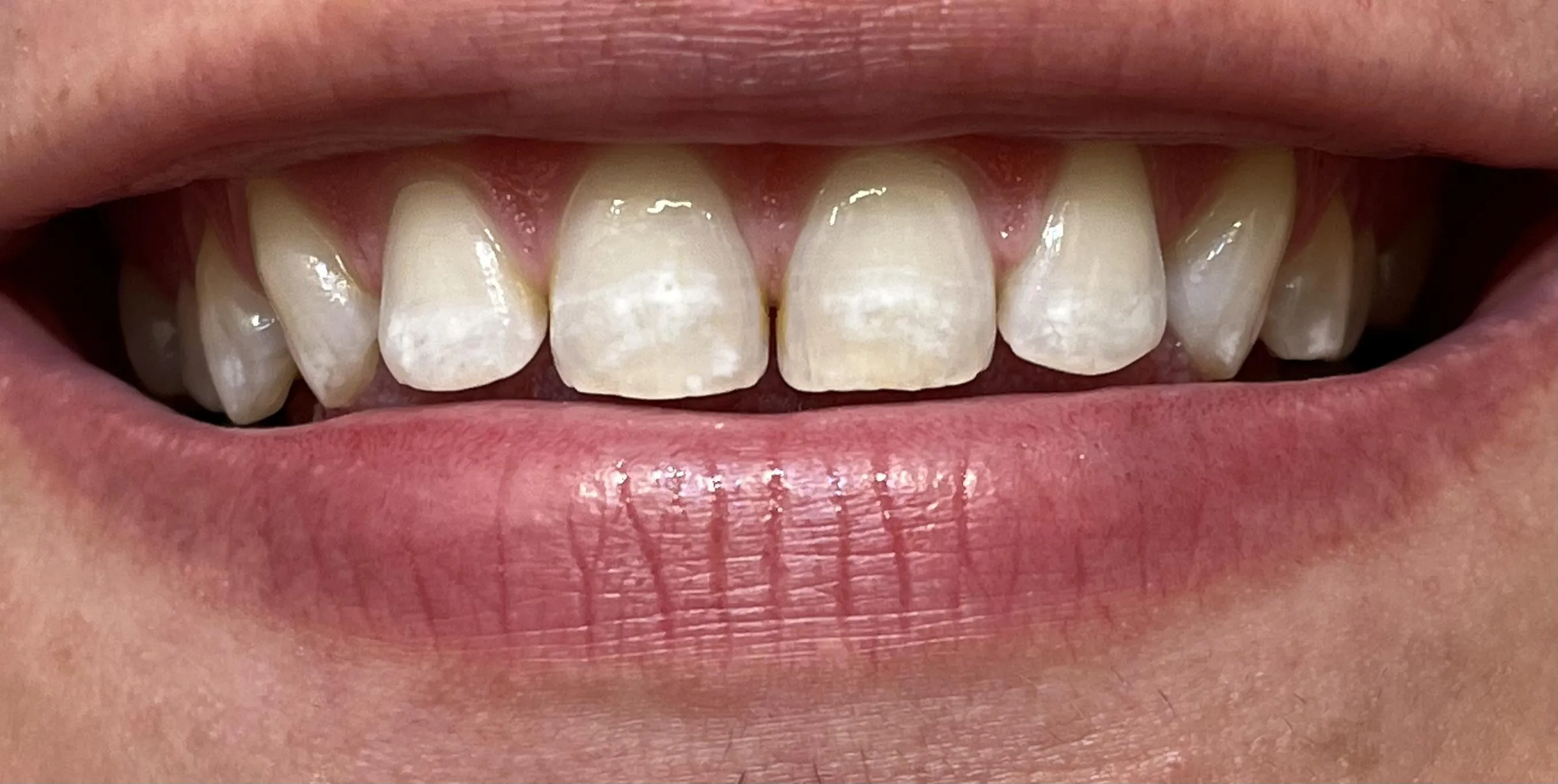
What Causes Uneven Teeth Whitening
Achieving a bright, white smile is a common goal, but sometimes the results of teeth whitening can be less than perfect. Uneven teeth whitening is a frustrating issue, leaving some areas of your teeth brighter than others. Understanding the underlying causes is the first step toward finding effective solutions. Various factors contribute to this issue, from the nature of your teeth to the whitening methods you choose. Identifying these causes allows you to take informed steps to achieve the consistent, radiant smile you desire. Addressing the root causes ensures you can make the best choice to achieve the desired results and avoid any potential disappointment with the process.
Understanding the Process of Teeth Whitening
Teeth whitening works by using bleaching agents to break down the stains and discolorations on your teeth. The effectiveness of this process depends on several factors, including the type of stains, the concentration of the bleaching agent, and the length of time it’s applied. Surface stains, caused by foods and drinks, are usually easier to remove than intrinsic stains, which originate from within the tooth structure. The process involves the bleaching agent penetrating the enamel and dentin to oxidize the stain molecules, making them less visible. Different whitening methods, such as professional treatments and at-home kits, use varying concentrations of these agents, influencing the speed and uniformity of the results. A solid understanding of the whitening process is essential to identify the cause of unevenness.
Factors Affecting Whitening Results

Several factors impact how evenly your teeth whiten. The natural composition of your teeth plays a significant role; some individuals have naturally more porous enamel, which can absorb stains more readily, leading to uneven results. The thickness of your enamel is also a factor; thicker enamel can be more resistant to whitening agents. Additionally, the presence of existing dental work, such as fillings, crowns, or veneers, can lead to unevenness. These restorations do not whiten in the same way as natural teeth, creating a noticeable difference in shade. Moreover, the presence and type of stains affect the outcome. Certain stains, like those from tetracycline antibiotics, are notoriously difficult to remove evenly. Finally, the method and product used, along with the application technique, contribute significantly to the final results. Knowing these factors will guide in choosing the most appropriate method to achieve even teeth whitening.
Common Reasons for Uneven Whitening
Uneven teeth whitening often results from various issues, with some of the most prevalent being variations in tooth enamel, different levels of staining across the teeth, and the presence of dental work. The enamel’s porosity can vary from one tooth to another, leading to different absorption rates of the whitening agents. This difference causes some areas to lighten faster than others, creating an uneven appearance. Also, the severity and type of stain are not consistent across your teeth. For example, front teeth may be more exposed to staining agents than those in the back, leading to variations in coloration. Another factor is the presence of dental work; fillings, crowns, and veneers do not whiten in the same way as natural teeth. Lastly, inconsistent application of whitening products or inadequate contact with the tooth surface may also lead to uneven whitening. Addressing these specific causes will help to find the most suitable solution.
Surface Stains versus Intrinsic Discoloration
The type of stain significantly impacts the results of teeth whitening. Surface stains, those caused by external factors like coffee, tea, and smoking, generally respond well to whitening treatments and are usually easier to remove. However, intrinsic discoloration, which originates from within the tooth structure, can be more challenging to treat. Intrinsic stains may result from aging, certain medications (such as tetracycline), or trauma to the tooth. These stains require more potent bleaching agents or multiple treatments to achieve the desired outcome. Understanding the distinction between these two types of stains is crucial in setting realistic expectations and choosing the appropriate whitening method. Professional dental treatments often provide better results for intrinsic stains because they use higher concentrations of bleaching agents and techniques to penetrate deeper into the tooth structure.
How to Achieve Even Teeth Whitening

Overcoming uneven teeth whitening involves adopting a strategic approach that may include professional dental consultations and careful selection of at-home products. You can improve your chances of achieving a consistent, brighter smile by understanding the different options and the best practices associated with each. The choices available range from dentist-supervised treatments to over-the-counter solutions. Each method presents unique advantages and considerations. To maximize your results, you may also need to adjust your application techniques and manage your expectations. To do this successfully requires an understanding of what each option entails and how it interacts with your unique oral condition. This allows you to create a treatment plan that considers your individual needs.
Consulting a Dentist for Professional Whitening
Consulting a dentist is the first step toward achieving optimal and even teeth whitening. A dental professional can assess your oral health, identify the cause of unevenness, and recommend the most effective treatment plan. During the consultation, the dentist examines your teeth for existing conditions, such as cavities or gum disease, which may affect the whitening process. They will also evaluate the type and severity of stains to determine the appropriate whitening agent and treatment duration. Professional whitening treatments use higher concentrations of bleaching agents, which can provide faster and more consistent results compared to at-home methods. Dentists can also address any underlying issues and offer personalized advice tailored to your specific needs and goals. Taking the step to see a dentist can make a significant difference to the outcome.
Types of Professional Whitening Treatments
Dentists offer several professional teeth whitening treatments designed to deliver consistent and dramatic results. One of the most popular is in-office bleaching, where a high-concentration whitening gel is applied to your teeth. The process often includes the use of a special light or laser to enhance the bleaching effect, with results visible within a single visit. Another option is custom-fitted whitening trays, which the dentist creates to precisely fit your teeth. These trays allow you to apply a prescribed whitening gel at home, under professional supervision. For severe cases, dentists might recommend internal bleaching for individual teeth with intrinsic stains. This involves placing the whitening agent inside the tooth, which can be an effective way to even out discoloration. The professional treatments are customized to suit individual needs, ensuring safety and effectiveness.
At-Home Whitening Options and Best Practices

At-home teeth whitening provides a convenient and affordable way to brighten your smile, but achieving even results requires careful consideration and attention to detail. Options include over-the-counter whitening strips, trays, and toothpastes. Whitening strips are easy to use, adhering directly to your teeth with a thin layer of bleaching agent. Tray-based systems involve custom or pre-filled trays that hold the whitening gel against your teeth. Whitening toothpastes contain mild abrasives and chemicals that help remove surface stains. For best results, follow the product instructions carefully, ensuring even application and consistent use. Be aware of potential side effects, such as increased sensitivity, and consult with a dentist if any issues arise. Combine the product with good oral hygiene practices to maximize results.
Choosing the Right Whitening Products
Selecting the right whitening product is critical for achieving even results. When choosing, consider the concentration of the active ingredient, usually hydrogen peroxide or carbamide peroxide. Higher concentrations may yield faster results but can also increase sensitivity. The product’s application method is another factor to consider. Strips and trays provide a more even distribution of the whitening agent compared to toothpastes, which may not reach all surfaces of the teeth equally. The type of stains you have is also essential. Products with stronger bleaching agents are usually more effective for deeper stains. Reading reviews and comparing products can give you insights into their effectiveness and any potential side effects. Consulting with a dentist can help you determine which product best suits your needs and ensure the best results for your teeth.
Applying Whitening Strips and Trays Correctly
Correct application is critical for even teeth whitening. When using whitening strips, ensure that each strip covers the entire surface of your teeth and does not overlap the gums excessively. This even coverage helps to prevent spotty results. Trays should fit snugly to distribute the whitening gel evenly. Apply the gel according to the instructions, avoiding overflowing or uneven distribution. Remove any excess gel that may leak onto your gums, as it can cause irritation. For both methods, be consistent with your application, following the recommended frequency and duration. Regularly check for any signs of sensitivity or irritation and adjust your usage accordingly. Proper application ensures that the whitening agent contacts all tooth surfaces evenly, minimizing the chance of uneven results and maximizing the effectiveness of the product.
Techniques to Maximize Whitening Evenness
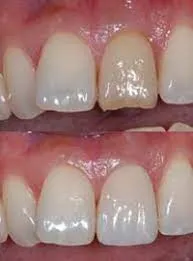
Maximizing the evenness of teeth whitening requires a multifaceted approach. Begin with a professional dental consultation to assess your oral health and identify any contributing factors, such as enamel variations or existing dental work. Before you start any whitening process, a professional cleaning can remove surface stains. Careful product selection is essential; choose products with consistent application methods, such as trays or strips, to ensure even coverage. Ensure thorough and consistent application, following all instructions carefully and ensuring that the product contacts all tooth surfaces. You may need multiple treatments to achieve the desired results. Remember, patience is crucial. Avoid habits that can cause new stains, such as smoking and drinking coffee or tea. By following these techniques and practices, you can significantly improve your chances of a bright, consistent, and beautifully whitened smile.
Proper Application Techniques
Proper application is the cornerstone of even teeth whitening. When using strips, carefully apply them to each tooth, ensuring complete coverage without overlapping the gums. Excess gel can cause gum irritation. If using trays, ensure they fit snugly to your teeth to distribute the whitening agent evenly. Apply the recommended amount of gel to each tray, avoiding overflow, and make sure it reaches all surfaces. Consistency is critical; follow the recommended duration and frequency outlined in the product instructions. Avoid eating or drinking anything except water during the treatment to prevent staining. Regular monitoring and adjustment based on your teeth’s response can help minimize the risk of uneven results. By following these application techniques meticulously, you can optimize the whitening process and enhance your chances of achieving a consistent and beautiful smile.
Managing Expectations and Realistic Outcomes
Managing expectations is essential when it comes to teeth whitening. Not everyone will achieve the same results, and it is important to understand that individual outcomes can vary. The natural color of your teeth, the type and severity of stains, and the chosen whitening method all influence the final result. Teeth may not become perfectly white but rather achieve a brighter shade than they were previously. The presence of dental work, such as fillings or crowns, can also impact the outcome, as these materials do not whiten in the same way as natural teeth. For individuals with more significant discoloration, multiple treatments or a combination of methods may be necessary. Talking with your dentist can help you set realistic goals and avoid disappointment, and accepting the natural limitations can help you appreciate the improvement in your smile.
Maintaining Your Whitened Smile

Maintaining a bright, even smile after teeth whitening requires a commitment to good oral hygiene and consistent preventative care. This includes a combination of at-home practices and regular dental checkups to ensure long-lasting results. With the right care, you can keep your teeth looking their best for an extended time. Following the proper procedures is essential to protect your investment and enjoy a beautiful, confident smile for years to come. Regular maintenance helps prevent future staining and helps to keep the effects of whitening lasting as long as possible.
Oral Hygiene Routine for Long-Lasting Results
Maintaining your oral hygiene is critical for preserving your whitened smile. Brush your teeth twice a day for two minutes, using a soft-bristled toothbrush. This helps remove plaque and surface stains that can dull your teeth. Floss daily to remove food particles and plaque from between your teeth, as these can also contribute to discoloration. Using an antibacterial mouthwash can further help control plaque and bacteria, keeping your mouth healthy. Consider using a whitening toothpaste to help maintain brightness, but avoid excessive use, as they can be abrasive. Regular brushing, flossing, and mouthwash help prevent new stains and maintain the results of your teeth whitening treatment. Consistent oral hygiene is key to a long-lasting, brilliant smile.
Foods and Drinks to Avoid
Certain foods and beverages can stain your teeth and undermine your whitening efforts. Minimize your consumption of items that are known to stain teeth, such as coffee, tea, red wine, and dark-colored sodas. These drinks contain pigments that can easily adhere to the enamel and cause discoloration. Foods such as berries, soy sauce, and curry can also contribute to staining. If you do consume these items, rinse your mouth with water immediately afterward or brush your teeth to minimize the risk of staining. Smoking is another major cause of teeth discoloration. Quitting smoking will not only improve your oral health but also help maintain your whitened smile. By avoiding these items and maintaining good habits, you can extend the longevity of your teeth whitening results.
Regular Dental Check-ups
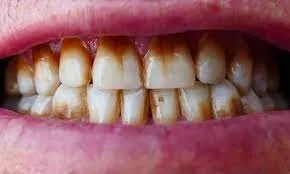
Regular dental check-ups are vital to maintaining a bright, healthy smile. Professional cleanings remove plaque and tartar that can cause staining and dullness. Your dentist can also identify and address any new dental issues, such as cavities, before they affect the appearance of your teeth. During these check-ups, the dentist can provide guidance on oral hygiene practices and recommend further treatments to maintain your smile. Regular check-ups can help prevent staining, maintain oral health, and ensure that any issues are addressed early. Following up with your dentist and implementing the advice you get is key to preserving your investment in teeth whitening and keeping your smile radiant.
Conclusion
Addressing uneven teeth whitening requires a blend of knowledge, patience, and commitment to the process. By understanding the root causes of uneven results and selecting the appropriate whitening methods, you can significantly enhance the appearance of your smile. Remember, the most effective approach often begins with a consultation with a dentist. They can assess your specific needs and recommend a customized treatment plan, whether it involves professional treatments, at-home solutions, or a combination of both. Maintaining your newly whitened smile involves diligent oral hygiene, dietary adjustments, and regular dental checkups. With the right care and dedication, you can achieve and maintain a beautiful, radiant smile that boosts your confidence and enhances your overall well-being. The journey towards a whiter, more even smile is within reach with these strategies.