
Understanding Tooth Discoloration
Tooth discoloration is a common cosmetic concern, and understanding the reasons behind it is the first step toward achieving a whiter smile. Teeth can lose their natural brightness due to a variety of factors, ranging from the foods and drinks we consume to our lifestyle habits. There are two primary types of tooth discoloration: extrinsic and intrinsic. Extrinsic stains occur on the surface of the enamel, the outer layer of the tooth. These are often caused by food, drinks, and tobacco use. Intrinsic stains, on the other hand, originate from within the tooth structure, such as the dentin, and can be caused by factors like aging, medications, or trauma. Recognizing the type of staining can help you determine the most effective whitening methods.
Common Causes of Tooth Staining
Several factors contribute to the discoloration of teeth. Dietary choices play a significant role. Certain foods and drinks contain pigments that can stain the enamel over time. Age is another key factor, as the enamel thins with age, and the underlying dentin becomes more visible, which is naturally more yellow. Trauma to the teeth can also cause discoloration if it damages the nerves or blood vessels within the tooth. Some medical treatments and medications, such as certain antibiotics, can lead to tooth staining, particularly in developing teeth. Furthermore, poor oral hygiene, including inadequate brushing and flossing, allows stains to accumulate and can exacerbate discoloration.
Foods and Drinks That Stain Teeth
Many of the foods and drinks we enjoy every day can contribute to tooth staining. Coffee and tea are notorious for their staining properties, as they contain dark pigments that adhere to the enamel. Red wine is another culprit, due to its deep color and tannins, which help the pigments bind to the teeth. Dark-colored sodas and fruit juices can also stain teeth. Certain fruits and vegetables, such as berries, beets, and tomatoes, contain strong pigments that can contribute to staining. To minimize staining, it’s helpful to consume these items in moderation and practice good oral hygiene after consumption. Drinking through a straw can also help reduce direct contact with the teeth.
Lifestyle Habits That Affect Whiteness
Lifestyle choices significantly impact the whiteness of our teeth. Smoking and chewing tobacco are major contributors to tooth discoloration. The nicotine and tar in these products stain the teeth and lead to yellowing over time. Poor oral hygiene practices, such as infrequent brushing and flossing, allow stains to accumulate and worsen. The presence of plaque and tartar buildup also leads to a dull and discolored appearance. Regular dental checkups and cleanings are essential to remove these stains and maintain a bright smile. Additionally, the frequent consumption of sugary foods and drinks fuels bacterial growth, which can contribute to enamel erosion and further discoloration.
Five Minute Whitening Methods
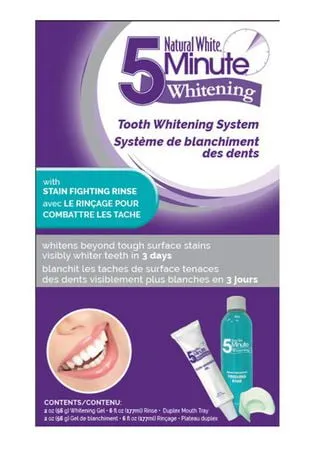
While there are no truly five-minute whitening methods that provide lasting results, certain techniques offer a quick, temporary boost to your smile. Whitening toothpastes contain mild abrasives and chemicals to help remove surface stains. These can provide a slight improvement in the short term. Rinsing with a hydrogen peroxide solution can also help to temporarily lighten the teeth. However, the effects of these methods are generally subtle and do not penetrate the deeper layers of the tooth. For more substantial results, consider other options like whitening strips or professional treatments. Always follow the instructions on any products to avoid potential damage.
Whitening Toothpastes and Their Effectiveness

Whitening toothpastes are a popular choice for those seeking a brighter smile, but it’s important to understand their limitations. These toothpastes often contain mild abrasives, such as silica, that help to scrub away surface stains. Some also contain chemicals like hydrogen peroxide, which can help to whiten the teeth slightly. However, the concentration of active ingredients in whitening toothpastes is generally low, so their whitening effect is often minimal and temporary. While they can help to remove extrinsic stains and maintain a brighter appearance, they are unlikely to significantly change the intrinsic color of your teeth. Always choose a toothpaste with the American Dental Association (ADA) seal of approval to ensure its safety and effectiveness.
Over the Counter Whitening Strips
Over-the-counter whitening strips offer a convenient and relatively affordable way to whiten teeth at home. These strips contain a thin layer of hydrogen peroxide or another bleaching agent that adheres to the teeth. The strips are applied for a specific amount of time each day, typically for a week or two, and gradually lighten the teeth. While whitening strips can be effective for mild to moderate staining, their effectiveness varies depending on the concentration of the active ingredient and the duration of use. They are generally safe when used as directed, but may cause temporary tooth sensitivity or gum irritation. Be sure to follow the manufacturer’s instructions and consult your dentist if you have any concerns.
Professional Whitening Treatments
Professional teeth whitening treatments, performed by a dentist, offer the most effective and reliable results. In-office whitening involves the application of a high-concentration bleaching agent to the teeth, which is often activated by a special light or laser. This treatment can significantly lighten teeth in a single visit. Dentists can also provide custom-fitted trays for at-home whitening, which use a stronger bleaching agent than over-the-counter options. Professional treatments are generally safer and more effective than over-the-counter products, as dentists can monitor the process and address any potential side effects. They can also assess the type and cause of your tooth discoloration to recommend the most appropriate treatment.
The Benefits of Natural Whitening

Natural whitening methods can offer a gentle and often cost-effective approach to brightening your smile. While they may not produce the dramatic results of professional treatments, they can help remove surface stains and maintain oral health. Many natural methods utilize readily available ingredients, such as baking soda, hydrogen peroxide, and coconut oil. Natural whitening can also be a good option for those with sensitive teeth or who prefer to avoid harsh chemicals. It’s essential to approach these methods with realistic expectations and to consult with a dentist before trying them. Additionally, natural methods often complement good oral hygiene practices, enhancing the overall health and appearance of your teeth.
Natural Whitening Recipes You Can Try
Several natural recipes utilize common household ingredients to help whiten teeth. A mixture of baking soda and hydrogen peroxide is a popular choice, as baking soda acts as a mild abrasive and hydrogen peroxide has bleaching properties. Coconut oil pulling is another method, which involves swishing coconut oil in your mouth for a specified time to help remove bacteria and toxins. Another option is to create a paste with mashed strawberries, which contain malic acid, a natural enamel brightener. However, it is essential to use these remedies with caution and moderation. Overuse can cause sensitivity or enamel erosion. Always consult with your dentist before trying any new whitening method.
Baking Soda and Hydrogen Peroxide for Whiter Teeth
The combination of baking soda and hydrogen peroxide is a widely used natural whitening remedy. Baking soda, also known as sodium bicarbonate, acts as a mild abrasive, helping to scrub away surface stains. Hydrogen peroxide is a mild bleaching agent that can help to lighten the teeth. To use this method, mix baking soda and hydrogen peroxide to form a paste and use it to brush your teeth. It is recommended to use this mixture no more than once or twice a week to avoid enamel erosion and sensitivity. Always rinse your mouth thoroughly after use and consult your dentist to see if it is suitable for your teeth.
Coconut Oil Pulling for Oral Health

Coconut oil pulling is an ancient Ayurvedic practice that has gained popularity as a natural way to improve oral health and whiten teeth. This method involves swishing a tablespoon of coconut oil in your mouth for 15-20 minutes. As you swish, the oil is thought to pull out bacteria and toxins from your mouth, helping to reduce plaque and improve gum health. The lauric acid in coconut oil possesses antimicrobial properties, which can help to eliminate bacteria that contribute to staining and discoloration. While coconut oil pulling can contribute to whiter teeth, it is essential to recognize that its whitening effects are gradual. It’s also important to brush your teeth thoroughly after oil pulling to remove any remaining oil and bacteria.
Preventing Future Staining
Preventing future staining is as important as whitening your teeth. Avoiding or limiting the consumption of staining foods and beverages, such as coffee, tea, red wine, and dark-colored berries, can help to prevent discoloration. If you do consume these items, rinsing your mouth with water immediately afterward can help to minimize their impact. Quitting smoking and avoiding tobacco products is essential, as they are major contributors to staining. Maintaining a rigorous oral hygiene routine, including brushing your teeth at least twice a day and flossing daily, helps prevent the buildup of stains and plaque. Using a straw when drinking staining beverages can reduce direct contact with your teeth.
Maintaining a White Smile
Once you’ve achieved a whiter smile, maintaining it requires consistent effort. Continuing with good oral hygiene practices, including regular brushing, flossing, and using a whitening toothpaste, is crucial. Avoiding or limiting staining foods and drinks is important to prevent new stains from forming. Consider using a straw when drinking staining beverages. Regular dental checkups and cleanings are essential for removing surface stains and maintaining your overall oral health. Your dentist can also provide guidance on the best ways to maintain your white smile and recommend touch-up whitening treatments if needed. Maintaining a white smile is an ongoing process, and requires regular care.
Regular Dental Checkups and Cleanings

Regular dental checkups and cleanings are fundamental to both oral health and maintaining a bright smile. During a checkup, your dentist will examine your teeth and gums for any signs of disease or decay. They will also remove plaque and tartar, which can cause staining and discoloration. Professional cleanings use specialized tools to thoroughly clean your teeth, reaching areas that are difficult to access with a toothbrush and floss. These cleanings also help to remove surface stains, leaving your teeth looking brighter. Regular visits to the dentist, typically every six months, are essential for preventing and addressing dental problems early on, as well as for maintaining a healthy and attractive smile.