What is Whitening Toothpaste and How Does It Work
Whitening toothpaste is designed to brighten your smile by removing surface stains from your teeth. Unlike professional teeth whitening treatments, which use powerful bleaching agents, most whitening toothpastes rely on abrasive particles and chemical agents to lift stains. These toothpastes work on the principle of mechanical and chemical action. The abrasive particles gently scrub away stains caused by coffee, tea, wine, and other foods and beverages. Simultaneously, the chemical agents, such as hydrogen peroxide or baking soda, help to break down stain molecules, further enhancing the whitening effect. The effectiveness of a whitening toothpaste can vary depending on the ingredients and the frequency of use. It’s essential to choose a product that’s both effective and safe for your teeth and gums.
The Science Behind Teeth Whitening
Understanding the science behind teeth whitening provides insight into how different ingredients interact with tooth enamel. The outer layer of the tooth, enamel, is porous, meaning it can absorb stains from the foods and drinks we consume. These stains accumulate over time, leading to discoloration. Whitening toothpastes utilize various mechanisms to combat these stains. Abrasive ingredients physically remove the stains from the enamel surface. Chemical agents, like hydrogen peroxide, penetrate the enamel and break down the stain molecules through oxidation. This process lightens the appearance of the teeth. The level of whitening depends on the concentration and type of active ingredients, as well as the duration of their contact with the teeth. Regular use of whitening toothpaste can gradually reduce surface stains, resulting in a brighter smile.
Common Ingredients in Whitening Toothpaste

Several key ingredients contribute to the whitening effect of toothpaste. These ingredients work together to remove stains and enhance the brightness of your teeth. The specific combination and concentration of these ingredients can significantly affect the overall efficacy of the toothpaste. Careful selection is essential to achieve the desired results. The following are some of the most common ingredients in whitening toothpastes, and each of them has its own unique role in the whitening process, offering different advantages to help you achieve a brighter smile.
Hydrogen Peroxide
Hydrogen peroxide is a powerful oxidizing agent used in many whitening products. It works by penetrating the enamel and breaking down stain molecules. This chemical reaction lightens the color of the teeth. In whitening toothpastes, the concentration of hydrogen peroxide is typically lower than in professional treatments to minimize potential side effects. It’s a key ingredient in many whitening toothpastes and mouthwashes due to its ability to effectively remove both surface and deeper stains. Using hydrogen peroxide in the right concentration is critical to avoid damaging the enamel or causing sensitivity.
Baking Soda
Baking soda (sodium bicarbonate) is a mild abrasive that helps to scrub away surface stains. It’s a common ingredient in many DIY and commercial whitening toothpastes. Apart from its abrasive action, baking soda has alkaline properties that can help neutralize acids in the mouth. These acids can erode enamel and contribute to tooth discoloration. While effective in removing surface stains, baking soda’s abrasiveness means it should be used cautiously to avoid damaging the enamel. The fine particles in baking soda gently polish the teeth, leading to a cleaner, brighter smile. Proper use is crucial to balance effectiveness and safety.
Activated Charcoal

Activated charcoal is a highly absorbent substance that’s become popular for its whitening properties. Derived from materials like coconut shells, it can bind to stains and remove them from the teeth. The porous nature of activated charcoal allows it to trap stain particles. However, the effectiveness of activated charcoal for teeth whitening is debated. Some studies show that it can remove surface stains, but it may not be as effective as other whitening agents. Due to its abrasive nature, it’s important to use activated charcoal toothpaste with caution to prevent enamel damage. Choose products that have been tested and are designed to be safe for daily use.
Other Effective Ingredients
Besides the primary ingredients, several other components can boost the effectiveness of whitening toothpastes. Fluoride is a key ingredient that strengthens enamel and protects against cavities. This is important, as some whitening agents can make teeth more susceptible to sensitivity. Some toothpastes contain polishing agents like hydrated silica, which act as gentle abrasives to remove stains. Certain formulations include pyrophosphates, which help to prevent the buildup of tartar, further enhancing the whitening effect. The combination of ingredients is carefully designed to improve the overall effectiveness and safety of the product, ensuring a balance between stain removal and oral health.
The Ultimate Recipe for Whitening Toothpaste
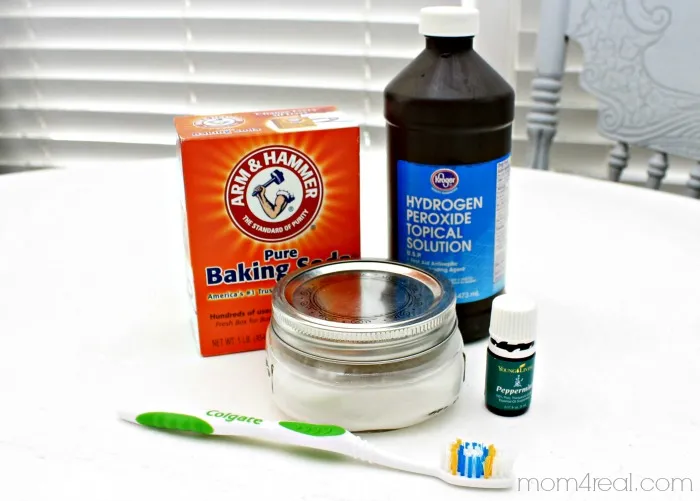
Creating your own whitening toothpaste allows you to control the ingredients and avoid potentially harmful additives. It’s a cost-effective way to brighten your smile at home. Here is a recipe you can try at home to make your own effective and safe whitening toothpaste. Remember to consult with your dentist before trying new dental products to ensure they align with your specific oral health needs.
Step-by-Step Guide

Making your own whitening toothpaste involves a few simple steps, but it requires precision in measurements and proper mixing techniques to ensure effectiveness and safety. Following the guide accurately guarantees you’ll create a paste that whitens your teeth without causing harm. By closely following the step-by-step guide, you can achieve a brighter, healthier smile with a homemade toothpaste tailored to your needs. The goal is to ensure that the ingredients blend well, leading to a consistent and effective product.
Ingredients and Measurements
The choice of ingredients is critical for the success and safety of your homemade whitening toothpaste. Precise measurements are essential for ensuring the right balance of effectiveness and safety. Here are the ingredients and recommended measurements to get you started. A well-balanced combination of these ingredients will create a paste that effectively removes stains while safeguarding your teeth. Adjusting the amounts allows you to customize the toothpaste according to your preference and sensitivity levels. Remember to adjust ingredient amounts to achieve the desired consistency and effect.
- 2 tablespoons of baking soda
- 1 tablespoon of hydrogen peroxide (3%)
- 1 tablespoon of water
- 5-10 drops of peppermint essential oil (for flavor and antibacterial properties)
- Optional a small amount of activated charcoal (for extra whitening)
Mixing and Application
Proper mixing is crucial for ensuring your toothpaste is uniform and that each application is effective. The consistency and texture of the toothpaste affect its usability and impact on your teeth. Applying the toothpaste correctly is equally important for maximizing its benefits while minimizing the risk of irritation. The following instructions will help you to create the toothpaste correctly and apply it safely for optimal results. Thorough mixing and correct application ensures that the active ingredients are properly distributed and can effectively reach the teeth’s surface to achieve the desired whitening effect. This process will ensure an even application.
- Combine the baking soda, hydrogen peroxide, and water in a small bowl.
- Mix thoroughly until a paste forms. If it’s too thick, add a few more drops of water. If too thin, add a bit more baking soda.
- Add the peppermint essential oil and activated charcoal (if using), stirring until well combined.
- Apply a small amount of the toothpaste to your toothbrush.
- Brush your teeth gently for about two minutes, using small circular motions. Focus on all surfaces of your teeth.
- Rinse your mouth thoroughly with water.
Tips for Optimal Results

To maximize the whitening effects and maintain your oral health, integrating specific techniques and habits is crucial. Effective brushing and mindful use of your homemade toothpaste will contribute to a brighter and healthier smile. Adhering to the tips helps to improve the results and minimize any potential risks. These tips will assist you in incorporating the toothpaste into your routine, enhancing its benefits, and ensuring your teeth stay healthy and bright.
Proper Brushing Technique
Proper brushing technique is fundamental to achieving optimal results and preventing damage to your teeth and gums. The right technique ensures that the toothpaste effectively reaches all surfaces and removes stains without being overly abrasive. By adopting and practicing the techniques, you will see improved whitening and enhance your overall oral health. Correct brushing plays a crucial role in the effectiveness of any toothpaste, particularly when using a whitening formula.
- Use a soft-bristled toothbrush to avoid damaging your enamel and gums.
- Brush your teeth for at least two minutes, twice a day.
- Use gentle, circular motions, ensuring you reach all areas of your teeth.
- Apply light pressure to prevent gum irritation.
- Don’t scrub harshly; let the toothpaste and technique do the work.
Frequency of Use
The frequency with which you use whitening toothpaste impacts your results and the health of your teeth. Balancing effectiveness and safety is crucial, as overuse could lead to adverse effects. The right frequency helps you achieve a brighter smile without compromising your dental health. Regular use is important, but finding the appropriate balance can provide both effective whitening and protection for your teeth.
- Use whitening toothpaste no more than twice a day.
- Alternate with a regular fluoride toothpaste to strengthen enamel.
- If you experience sensitivity, reduce the frequency to once a day or less.
- Monitor your teeth for any signs of irritation or damage.
Potential Side Effects and Precautions

While whitening toothpaste is effective, it can cause certain side effects. Being aware of potential issues allows you to make informed decisions and take necessary precautions. Understanding the risks helps you to ensure that your teeth whitening efforts remain beneficial and do not lead to negative consequences. By knowing these side effects, you can manage your oral health more effectively.
Sensitivity and Irritation
Sensitivity and irritation are common side effects of whitening toothpaste. Some ingredients, such as hydrogen peroxide or abrasive particles, can affect tooth enamel and gums. Identifying the symptoms and causes allows you to make necessary adjustments in your oral care routine. Being aware of these sensitivities empowers you to protect your teeth and gums. Addressing these problems promptly can prevent discomfort and protect your oral health.
- Increased tooth sensitivity to cold or hot foods and drinks.
- Gum irritation, which may appear as redness or soreness.
- If you experience sensitivity, reduce the frequency of use or switch to a toothpaste designed for sensitive teeth.
- Consult your dentist if irritation persists or worsens.
When to Consult a Dentist
Knowing when to consult a dentist is crucial for maintaining your oral health. Dentists have the expertise to assess your specific needs and offer tailored advice. Recognizing the signs that require professional intervention ensures that you receive proper care. Timely consultation can prevent minor issues from developing into major problems, and your dentist can help you address any concerns you may have. This consultation is essential for maintaining your overall oral health.
- If you experience persistent sensitivity or gum irritation.
- If you notice significant changes in the color of your teeth.
- If you have any concerns about the effectiveness or safety of your toothpaste.
- Your dentist can provide professional teeth-whitening treatments and offer personalized advice on oral hygiene.