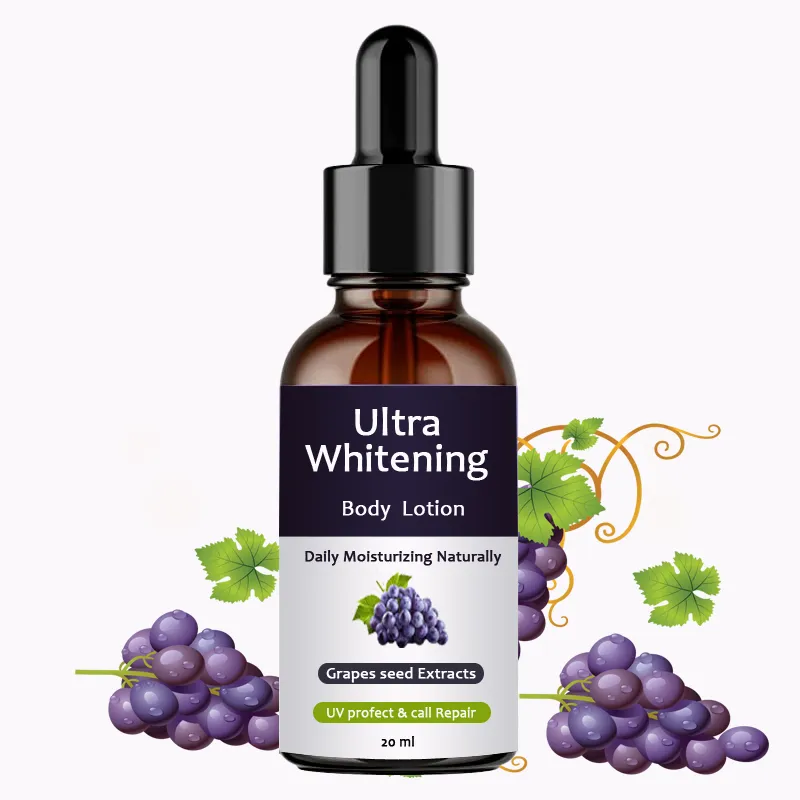
What is Whitening Lotion and How Does it Work
Whitening lotion products have surged in popularity as individuals seek to enhance their skin tone and address hyperpigmentation. But what exactly is whitening lotion, and how does it function to achieve these effects? At its core, whitening lotion is a skincare product formulated to lighten the skin by reducing the production of melanin, the pigment responsible for skin color. These products work through various mechanisms, with the ultimate goal of creating a brighter, more even skin tone. The effectiveness of a whitening lotion hinges on its active ingredients and how they interact with the skin’s natural processes. It’s important to understand the science behind these products to make informed choices and set realistic expectations. Selecting the right product for your skin type is paramount and understanding its working mechanism will help you get the most out of the product.
The Science Behind Whitening
The process of skin whitening involves influencing melanin production, the pigment that determines skin color. Melanin is produced by melanocytes, specialized cells in the skin. Whitening lotions typically work by either inhibiting the enzyme tyrosinase, which is essential for melanin synthesis, or by accelerating the shedding of melanin-rich skin cells. Ingredients like hydroquinone, kojic acid, and arbutin act as tyrosinase inhibitors, reducing melanin production. Other ingredients, such as retinoids and chemical exfoliants, promote skin cell turnover, helping to remove pigmented cells and reveal a brighter complexion. The science is complex, and the effectiveness can vary greatly based on ingredient concentrations, skin type, and the specific formulation of the product. Regular and consistent use is key to achieving noticeable results.
Key Ingredients to Look For

When selecting a whitening lotion, it’s essential to understand the active ingredients and their functions. Several ingredients are known for their skin-lightening properties. Hydroquinone is a potent ingredient that inhibits melanin production; however, it can cause side effects like skin irritation and is banned in some countries. Kojic acid, derived from fungi, also inhibits tyrosinase and is a popular alternative. Arbutin, a natural derivative of hydroquinone, is another option known for its gentler approach. Vitamin C, a powerful antioxidant, not only brightens the skin but also protects it from environmental damage. Niacinamide helps to reduce hyperpigmentation and improve skin tone. When choosing a product, consider your skin type, the concentration of the active ingredients, and any potential side effects. Always perform a patch test before widespread use to ensure you don’t have an adverse reaction.
Top 5 Whitening Lotion Facts
Fact 1: Whitening Lotion and Skin Tone
Whitening lotion products primarily work to lighten the skin and reduce the appearance of dark spots and uneven skin tone. These lotions aim to create a brighter, more uniform complexion by targeting melanin production. The extent to which a whitening lotion can change skin tone varies depending on the concentration of active ingredients, the skin’s natural pigmentation, and the consistency of use. It is important to remember that results will differ based on individual skin characteristics and the specific formulation of the product. Whitening lotions are designed to address specific concerns such as sunspots, age spots, and post-inflammatory hyperpigmentation, resulting in a more even skin tone and a radiant appearance. Always use sunscreen to protect your skin from further damage.
Fact 2: Understanding Different Types

Whitening lotions come in several forms, each designed for different skin types and concerns. Creams are generally richer and suitable for dry skin, offering moisturizing benefits alongside whitening action. Lotions are lighter and more suitable for oily or combination skin. Serums, with higher concentrations of active ingredients, are intended for targeted treatment of dark spots or hyperpigmentation. Some products also combine whitening agents with other beneficial ingredients like antioxidants and sunscreens. It’s important to choose a product that suits your skin type and addresses your specific needs. For example, a serum might be best for targeted treatment, while a cream could provide all-over hydration and lightening. Choosing the correct type of product improves both its effectiveness and user experience.
Fact 3: Whitening Lotion and Sun Protection
Sun protection is crucial when using whitening lotions. Many whitening products make your skin more sensitive to the sun, increasing the risk of sunburn and further pigmentation. Always apply a broad-spectrum sunscreen with an SPF of 30 or higher daily, even on cloudy days. This protects the skin from harmful UV rays that can reverse the effects of the whitening lotion and cause further damage. Reapply sunscreen every two hours, or more frequently if you are swimming or sweating. Consider incorporating sun-protective clothing, such as hats and long sleeves, into your daily routine. Consistent sun protection is essential to maintaining the benefits of whitening lotion and ensuring healthy skin.
Fact 4: Potential Side Effects
Whitening lotions can cause side effects, especially those with potent ingredients. Common side effects include skin irritation, redness, and dryness. Some ingredients, like hydroquinone, can cause ochronosis, a condition where the skin turns blue-black. Other potential side effects include increased sun sensitivity and uneven skin tone. Always perform a patch test before using a new product on your entire face or body. If you experience any adverse reactions, discontinue use and consult a dermatologist. Choosing products with gentler, natural ingredients may reduce the risk of side effects. Be mindful of the ingredients and the concentration to minimize potential risks. Consider incorporating a soothing moisturizer to combat any dryness or irritation.
Fact 5: Using Whitening Lotion Safely

To use whitening lotion safely, start with a patch test and follow the manufacturer’s instructions. Apply the product to a small area of skin and observe for any adverse reactions for at least 24 hours. Use the lotion consistently as directed, usually once or twice a day, for optimal results. Always combine the lotion with a broad-spectrum sunscreen to protect your skin from the sun. Avoid using multiple whitening products simultaneously unless advised by a dermatologist, as this can increase the risk of irritation. Choose products that are suitable for your skin type and are free from harmful ingredients. If you experience any irritation or other side effects, discontinue use and consult a dermatologist for guidance. Regular check-ups can also help to assess the effectiveness of your products and ensure they are not causing any harm.
How to Choose the Right Whitening Lotion
Skin Type Considerations
Selecting a whitening lotion involves considering your skin type. If you have dry skin, opt for a richer cream that provides hydration while lightening the skin. For oily skin, choose a lighter lotion or serum that won’t clog pores. Sensitive skin requires products with gentle, natural ingredients and avoid potential irritants. Those with combination skin should choose products that address both oily and dry areas. Read product labels carefully and consider the ingredients. Look for products that are specifically designed for your skin type to ensure optimal results and minimize the risk of irritation. When in doubt, consult with a dermatologist who can assess your skin type and recommend the most suitable products.
Ingredient Compatibility

Pay attention to ingredient compatibility when choosing a whitening lotion. Certain combinations can enhance effectiveness or cause adverse reactions. Avoid using multiple products with high concentrations of active ingredients simultaneously unless your dermatologist has advised you. For instance, using hydroquinone with other strong exfoliants may increase irritation. Make sure that the other products in your skincare routine complement the whitening lotion. Avoid mixing products with opposing purposes, and always check the ingredient list. It’s beneficial to introduce new products one at a time to observe how your skin reacts. If you’re unsure about ingredient compatibility, consult a dermatologist. Understanding ingredient compatibility can ensure the lotion is effective and safe for your skin.
Application Techniques
Proper application is essential for the effectiveness of whitening lotion. Apply the product evenly to the affected areas, following the manufacturer’s instructions. Ensure your skin is clean and dry before applying the lotion. Gently massage the lotion into your skin until it is fully absorbed. Consistency is key for achieving results, so make it a part of your daily routine. Use sunscreen every morning after applying the lotion. Apply the lotion only as often as indicated, typically once or twice a day, to prevent potential irritation. Make sure that you follow the manufacturer’s instructions and consult with a dermatologist if you have any questions. Consistent and correct application can improve the effectiveness of your whitening efforts.
Whitening Lotion Myths and Truths
Myth 1: Whitening is Permanent

A common misconception about whitening lotion is that the results are permanent. In reality, the effects of whitening lotion are often not permanent, especially if the underlying causes of pigmentation, like sun exposure or hormonal changes, are not addressed. Consistent use of the product can maintain results, but discontinuing use can lead to the return of the original skin tone. Proper skincare habits, including consistent sun protection, can help maintain the results of whitening lotion. Regular maintenance and use of the products are therefore essential for sustained skin lightening. It is important to have realistic expectations and to understand that skin tone changes are not always forever.
Myth 2: All Whitening Lotions Are the Same
Another myth is that all whitening lotions are the same. There are various formulations, ingredients, and concentrations used in these products, affecting their efficacy and suitability for different skin types. The active ingredients in whitening lotions vary, including hydroquinone, kojic acid, and vitamin C, and each works differently. The concentration of these ingredients also varies, affecting the product’s strength and potential side effects. Some lotions are designed for specific skin tones or issues, such as age spots or uneven pigmentation. Each has different benefits, and effectiveness can also depend on how the product is formulated and packaged. Understanding the differences allows you to select a product that is best suited to your specific needs.
Myth 3: Whitening Only Works on Light Skin
The misconception that whitening lotion only works on light skin is untrue. Whitening products can effectively address hyperpigmentation and uneven skin tones across all skin types. While the extent of lightening may vary depending on the individual’s natural skin tone and the product used, all skin types can benefit from these products. Different skin types and tones respond differently to whitening lotion products because of their specific formulations. The active ingredients and their ability to influence melanin production are the same regardless of your skin tone. Consistency, proper application, and a suitable product for your skin type are more important factors. Whitening lotions can improve skin appearance for people of all backgrounds.