Whitening Strips & Sensitivity The Basics
Many people desire a brighter smile, and whitening strips have become a popular, accessible solution. However, a common side effect is tooth sensitivity. Understanding why this occurs and what factors contribute is essential for anyone considering or currently using whitening strips. This article delves into the top 5 facts explaining why whitening strips can make teeth sensitive, providing a comprehensive overview of the underlying causes and potential solutions. By understanding the mechanisms behind sensitivity, you can make informed decisions about your oral health and how to achieve the desired whitening results with minimal discomfort.
What are Whitening Strips?
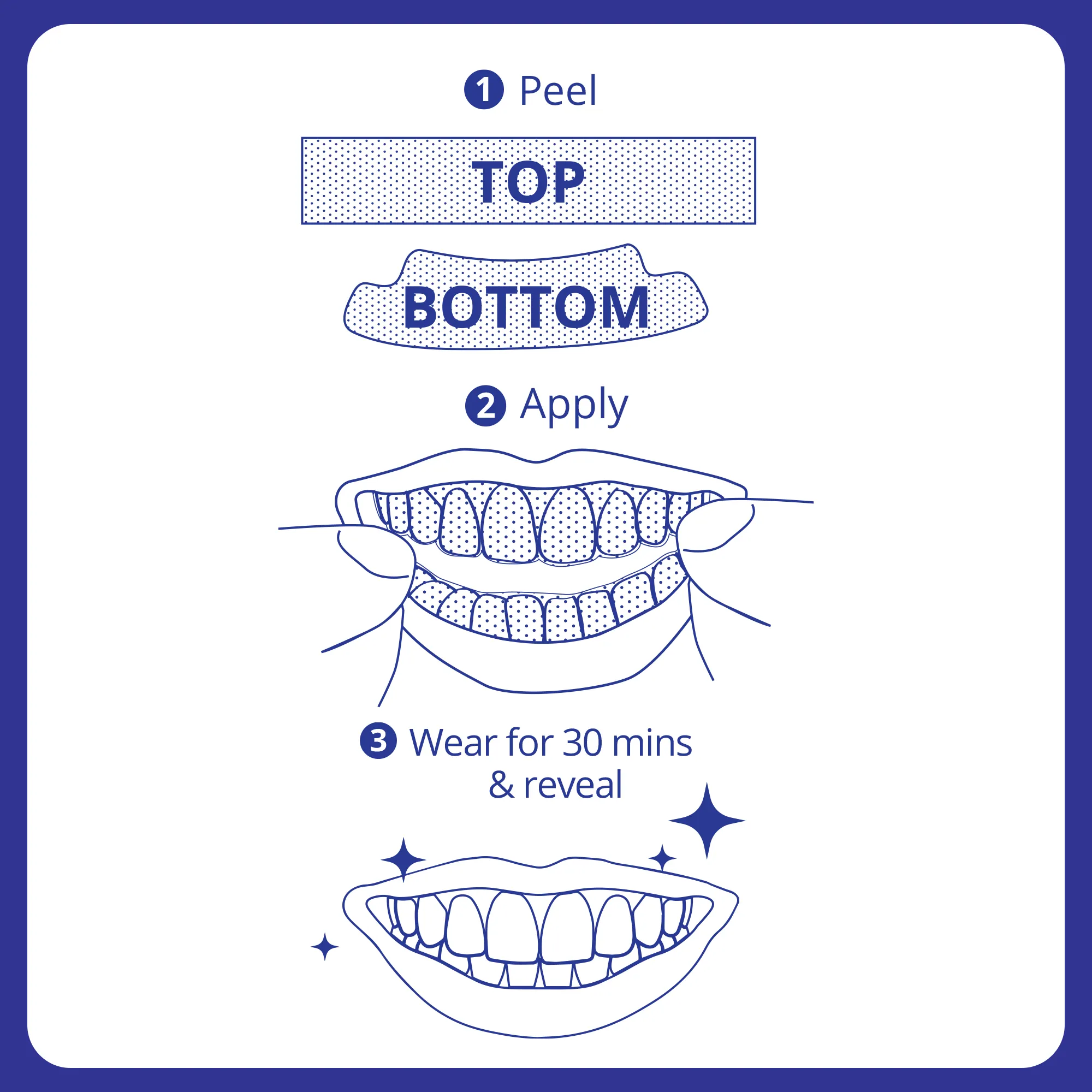
Whitening strips are thin, flexible plastic strips coated with a whitening agent, typically hydrogen peroxide or carbamide peroxide. These strips are designed to be applied directly to the teeth, adhering to the surface and allowing the whitening agent to penetrate the enamel. They are readily available over-the-counter and are generally considered a convenient and cost-effective method for teeth whitening compared to professional treatments. The active ingredients break down stains and discoloration caused by coffee, tea, tobacco, and other substances, offering a noticeable improvement in the brightness of your smile.
How Do Whitening Strips Work?

The primary mechanism of action for whitening strips involves the oxidation of stain molecules within the tooth enamel. The peroxide-based whitening agent penetrates the porous enamel, reaching the dentin layer beneath. Here, the peroxide reacts with the stain molecules, breaking them down into smaller, less noticeable components. This process lightens the overall appearance of the teeth. The concentration of the whitening agent and the duration of contact with the teeth are key factors influencing the effectiveness of the treatment. Consistent use, as directed by the product instructions, is crucial for achieving the desired whitening results.
Why Do Whitening Strips Cause Sensitivity?
Tooth sensitivity is a frequent side effect of using whitening strips. This sensitivity arises due to several factors related to the ingredients and the way they interact with the tooth structure and surrounding tissues. The primary culprit is often the hydrogen peroxide present in the strips. The concentration of hydrogen peroxide can vary between products, and higher concentrations may increase the likelihood and severity of sensitivity. Understanding the underlying causes is essential for managing and mitigating this common issue.
Fact 1 Sensitivity Caused by Hydrogen Peroxide
Hydrogen peroxide is the active bleaching agent in most whitening strips. As it penetrates the enamel, it can irritate the nerves and soft tissues within the tooth. This irritation leads to the characteristic sensitivity many users experience. The extent of sensitivity depends on the concentration of hydrogen peroxide, the duration of contact with the teeth, and individual factors such as the existing condition of the teeth. Higher concentrations of the chemical can lead to increased permeability of the enamel, which further exacerbates sensitivity. This effect is usually temporary, resolving after a few days or weeks of cessation or reduced use.
Hydrogen Peroxide’s Role

Hydrogen peroxide’s primary role is to oxidize the stain molecules within the enamel. As it breaks down these molecules, it also causes the enamel to become more porous. This increased porosity allows the whitening agent to reach deeper into the tooth structure but can also make the tooth more vulnerable to external stimuli, such as temperature changes or acidic foods. This permeability is a key factor in the development of tooth sensitivity. It is a delicate balance between achieving effective whitening and minimizing the potential for discomfort.
How Hydrogen Peroxide Affects Enamel
Hydrogen peroxide can temporarily disrupt the mineral structure of the enamel. This disruption can lead to a loss of minerals, making the enamel more susceptible to erosion and sensitivity. The extent of this effect depends on factors such as the concentration of peroxide, the contact time, and individual tooth characteristics. The process is usually reversible. The enamel can remineralize over time, especially with the help of fluoride. Using toothpaste with fluoride can aid in the process. Furthermore, avoiding harsh brushing and abrasive toothpaste will protect the enamel during and after whitening treatments.
Fact 2 The Role of Tooth Structure
The underlying structure of your teeth plays a significant role in sensitivity. The enamel, the hard outer layer, acts as a protective barrier for the more sensitive dentin layer underneath. If the enamel is thin, damaged, or porous, the whitening agent can more easily penetrate to the dentin, where the nerve endings are located. This access results in increased sensitivity. Furthermore, the natural variation in tooth structure from person to person means some individuals are inherently more prone to sensitivity than others.
Understanding Tooth Anatomy

Teeth are composed of several layers enamel, dentin, and pulp. Enamel, the outermost layer, is the hardest substance in the human body and protects the inner layers. Dentin, which lies beneath the enamel, contains tiny tubules that lead to the pulp. The pulp contains nerves and blood vessels. The penetration of the whitening agent through the enamel and into the dentin tubules is a primary pathway for causing sensitivity. The sensitivity is triggered as the whitening agent stimulates the nerves within the pulp.
The Enamel’s Protective Function
The enamel’s primary function is to protect the underlying dentin and pulp from external stimuli such as temperature changes, pressure, and chemicals. Healthy, intact enamel is less permeable and offers greater protection against sensitivity. When the enamel is compromised through erosion, abrasion, or other dental issues, the dentin becomes exposed. Whitening strips then come into contact with the dentin and cause sensitivity. Therefore, maintaining strong, healthy enamel through proper oral hygiene is crucial in minimizing sensitivity during teeth whitening.
Fact 3 Gum Irritation and Sensitivity
The gums can also contribute to sensitivity. If the whitening agent comes into contact with the gums, it can cause irritation and inflammation. This inflammation can then exacerbate sensitivity in the teeth. This is especially true if the strips are not applied correctly, leading to the whitening agent touching the gum line. Proper application, ensuring the strips are only on the teeth and not on the gums, is essential to minimize this risk. However, even with careful application, some degree of gum irritation is possible.
How Whitening Strips Affect Gums

Whitening strips can irritate the gums due to the presence of hydrogen peroxide. This irritation manifests as redness, swelling, and sometimes, minor bleeding. The gums, being more delicate than tooth enamel, are more susceptible to chemical irritation. This can make the gums sensitive to touch and temperature. Exposure to the whitening agent, even for a short time, can lead to discomfort. Proper application and avoiding contact with the gums are critical to minimize these effects. Rinsing the mouth with water after use can also help to remove any residual whitening agent from the gum tissues.
Preventing Gum Sensitivity
To prevent gum sensitivity, it is crucial to follow the product instructions carefully. Ensure the strips are applied correctly, covering only the teeth and not the gums. You can trim the strips to fit your teeth more precisely. Rinse your mouth thoroughly with water after removing the strips to remove any remaining whitening agent. Using a soft-bristled toothbrush and gentle brushing techniques can also help minimize irritation. If you experience significant gum irritation, consider taking a break from whitening strips or consulting with a dentist.
Fact 4 Dietary Habits and Sensitivity
Your diet can significantly affect tooth sensitivity, especially while using whitening strips. Certain foods and drinks, like acidic items, can further exacerbate sensitivity. Acidic substances erode enamel and make the teeth more vulnerable. Temperature extremes can also trigger sensitivity. Hot or cold foods and drinks can cause discomfort by stimulating the nerves in the teeth. Being mindful of what you eat and drink while using whitening strips can help to minimize the experience of sensitivity.
Acidic Foods and Drinks

Acidic foods and drinks, such as citrus fruits, sodas, and vinegar, can erode tooth enamel, increasing sensitivity. These substances weaken the enamel, making it more porous and vulnerable to the whitening agent. Avoiding or reducing the consumption of these items during the whitening treatment period is advisable. If you do consume acidic foods, rinse your mouth with water afterward to help neutralize the acids and protect your enamel. Waiting at least 30 minutes before brushing your teeth after eating acidic foods will also protect the enamel.
The Impact of Temperature
Temperature changes, both hot and cold, can trigger sensitivity in teeth. This is because the temperature fluctuations can stimulate the nerves within the teeth, especially when enamel is compromised. During the whitening process, teeth may become more sensitive to temperature. Avoiding extremely hot or cold foods and drinks can help manage sensitivity. Drinking through a straw can also help to minimize direct contact with sensitive teeth. Room-temperature foods and drinks are often the most comfortable option while using whitening strips.
Fact 5 Existing Dental Conditions
Pre-existing dental conditions can amplify the experience of sensitivity with whitening strips. Individuals with pre-existing sensitivity, cracked teeth, or other dental issues are more likely to experience discomfort. This is because these conditions can create pathways for the whitening agent to reach the dentin and nerves more readily. Consulting with a dentist before using whitening strips is especially important if you have any known dental issues. The dentist can assess your oral health and recommend a whitening strategy that is appropriate for your specific needs.
Pre-existing Sensitivity

If you already have sensitive teeth, using whitening strips can exacerbate the issue. The whitening agent can penetrate the exposed dentin more easily, leading to increased discomfort. It is crucial to consult with your dentist before starting any whitening treatment if you have pre-existing sensitivity. The dentist may recommend desensitizing toothpaste or other treatments to minimize the impact of the whitening strips. In some cases, they may advise against using whitening strips altogether or recommend alternative whitening options.
Cracked or Damaged Teeth
Cracked or damaged teeth can provide direct pathways for the whitening agent to reach the inner layers of the tooth, where the nerves reside. These cracks and damages expose the dentin and increase the risk of sensitivity. Using whitening strips with cracked teeth can cause significant discomfort and even pain. If you have any cracks or damage to your teeth, consult with your dentist. They can assess the extent of the damage and recommend appropriate treatment before you start using whitening strips. Addressing the existing dental issues will reduce the likelihood of sensitivity.
Conclusion What You Can Do
While tooth sensitivity is a common side effect of whitening strips, there are several steps you can take to minimize discomfort. Using a toothpaste designed for sensitive teeth can help by blocking the tubules in the dentin and reducing nerve stimulation. Applying the strips for a shorter duration can also help. Consider using them for less time than recommended. Waiting longer between treatments, such as whitening every other day or only once a week, can give your teeth time to recover. Consulting with your dentist is paramount. They can assess your oral health and provide personalized recommendations, including alternative whitening options or treatments to reduce sensitivity. By understanding the causes of sensitivity and taking appropriate measures, you can achieve a brighter smile with minimal discomfort.