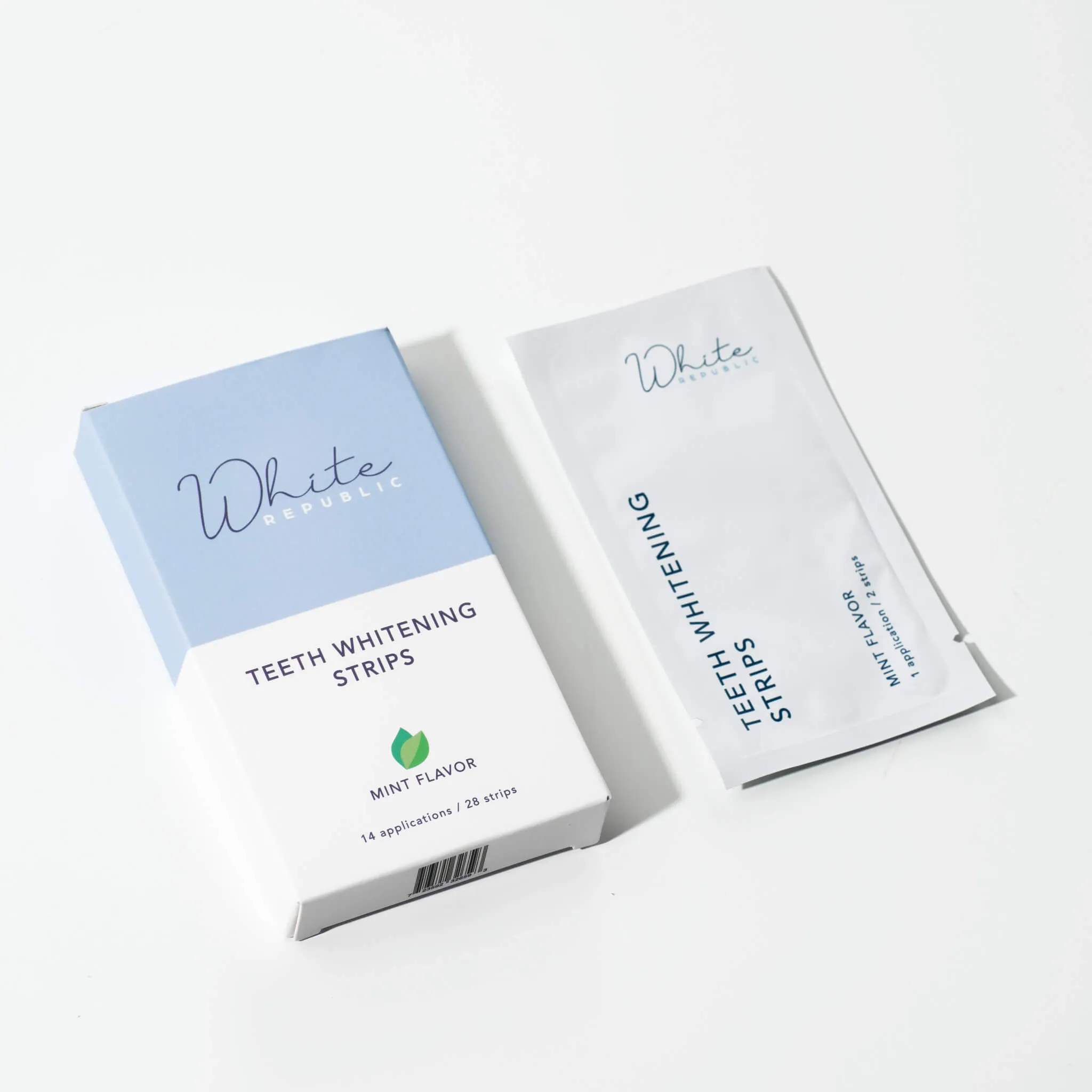
Understanding Whitening Strips
Whitening strips have become a popular method for achieving a brighter smile, offering a convenient and relatively affordable alternative to professional teeth whitening. These strips are thin, flexible pieces of plastic coated with a whitening agent, typically containing hydrogen peroxide or carbamide peroxide. They adhere directly to the teeth, allowing the active ingredient to penetrate the enamel and break down stains. The convenience of whitening strips is a significant draw, enabling users to incorporate teeth whitening into their daily routines without significant time commitment. However, it is essential to understand the mechanisms and potential consequences before integrating them into your everyday oral care.
How Whitening Strips Work
The effectiveness of whitening strips hinges on the chemical reaction between the whitening agent and the discolored molecules within the tooth enamel. Hydrogen peroxide, a common active ingredient, releases oxygen molecules that break down the stain compounds. Carbamide peroxide also breaks down into hydrogen peroxide. This process gradually lightens the color of the teeth. The active ingredients in whitening strips are designed to target both surface stains and deeper discoloration. The duration of the treatment and the concentration of the active ingredient influence the extent of the whitening effect. Consistent use as directed is crucial to achieving and maintaining the desired results, understanding how the process works helps to manage expectations and make informed decisions about usage.
Ingredients in Whitening Strips

The primary active ingredients in whitening strips are hydrogen peroxide and carbamide peroxide, both oxidizing agents. They work by penetrating the enamel and reacting with the stain molecules. Other ingredients, such as glycerin, water, and flavorings, serve as carriers and stabilizers. The concentration of the active ingredient varies among different brands and formulations, influencing the effectiveness and potential side effects. Some strips also include ingredients like sodium hydroxide to help with the release of the whitening agent. Always check the ingredient list to avoid potential allergens or sensitivities. Also, following the directions is very important to minimize the risks and maximize effectiveness. (whitening-strips-product.webp)
Whitening Strips Usage Guide
Frequency of Use
The recommended frequency of using whitening strips varies depending on the product and the individual’s needs. Most manufacturers suggest using the strips once or twice a day for a set period, usually a few weeks. Following the instructions on the product packaging is critical, as exceeding the recommended usage can increase the risk of side effects such as tooth sensitivity and gum irritation. Some products may have different usage protocols, depending on the concentration of the active ingredient and the design of the strips. Consult a dentist or dental professional for personalized advice on frequency, particularly if you have sensitive teeth or other oral health concerns, this ensures the most effective and safest approach to teeth whitening.
Step-by-Step Application Process

Applying whitening strips correctly is essential for achieving the best results and minimizing potential side effects. Begin by brushing your teeth to remove any surface debris. Then, carefully peel the strips from their backing. The strips are usually designed for the upper and lower teeth separately. Apply the strips to your teeth, ensuring that they adhere well and cover the front surfaces. Gently press the strips onto your teeth, molding them to fit snugly. Avoid touching your gums as much as possible to minimize irritation. Leave the strips in place for the time specified in the product instructions. After the allotted time, remove the strips and discard them. Rinse your mouth with water to remove any remaining whitening agent. (teeth-whitening-process.webp)
Best Practices for Application
To maximize the effectiveness of whitening strips and reduce potential side effects, adhere to best practices. Always read and follow the product instructions. Apply the strips to clean, dry teeth, avoiding application immediately after brushing with fluoride toothpaste. Avoid eating, drinking, or smoking during the treatment period, as these activities can reduce the effectiveness of the whitening process and potentially stain the teeth. If you experience any discomfort or sensitivity, discontinue use and consult your dentist. Store the strips properly, away from heat and moisture, to maintain their efficacy. Regular dental check-ups can also help to monitor oral health and address any concerns. (best-practices-for-application.webp)
Results and Expectations
Timeline for Visible Results

The timeline for seeing results with whitening strips can vary depending on the product used, the frequency of use, and the individual’s tooth characteristics. Some individuals may notice a slight improvement in the first few days, while others may require a week or two of consistent use before significant changes are visible. Generally, most whitening strips provide noticeable results within a few weeks of use. The degree of whitening also varies; some strips may provide subtle improvements, while others offer more dramatic results. Always be patient and consistent with the treatment. If you don’t see the desired results after the recommended treatment period, consult your dentist, as they may suggest alternative or more intensive whitening methods.
Factors Influencing Results
Several factors influence the effectiveness of whitening strips. The type of stains is a key factor; surface stains from coffee, tea, and tobacco are generally easier to remove than deeper stains caused by medications or aging. The concentration of the active ingredient in the strips plays a significant role, with higher concentrations often yielding faster results. The natural color of your teeth also affects the outcome; individuals with naturally yellower teeth may see better results than those with gray or bluish teeth. The consistency of use, as per product instructions, is crucial. The health of your teeth and gums also plays a role. Any pre-existing dental work or conditions can also impact the whitening process. (factors-influencing-results.webp)
Potential Risks and Side Effects
Sensitivity and Discomfort

Tooth sensitivity and gum irritation are the most common side effects associated with using whitening strips. The active ingredients can penetrate the enamel and irritate the nerves in the teeth, causing temporary sensitivity to hot or cold foods and drinks. Gum irritation can result from the whitening agent contacting the soft tissues. This usually manifests as redness, swelling, and soreness. These side effects are generally temporary and subside shortly after discontinuing or reducing the frequency of use. If sensitivity persists or becomes severe, consult your dentist. Consider using a toothpaste designed for sensitive teeth, and avoid excessive use of the strips. (sensitive-teeth-care.webp)
Managing Side Effects
Managing side effects effectively is crucial for a positive whitening experience. If you experience tooth sensitivity, using a toothpaste specifically formulated for sensitive teeth can help. This toothpaste contains ingredients like potassium nitrate, which blocks the pain signals to the nerves. Avoid excessively hot or cold foods and beverages. If gum irritation occurs, try to avoid letting the strips touch the gums and rinse with water after treatment. Consider using a lower-concentration whitening strip or reducing the frequency of use. In severe cases, consult your dentist, who may recommend a fluoride treatment or other remedies. (managing-side-effects.webp)
Alternatives to Daily Use
Other Teeth Whitening Methods

If daily use of whitening strips is not suitable, several alternative teeth whitening methods are available. Over-the-counter options include whitening toothpastes, which can help remove surface stains but typically offer minimal whitening effect. Whitening gels applied with custom-fitted trays, available from dentists, offer a more controlled and often more effective whitening process. These are usually used for a shorter duration than daily use. Another option is to use whitening pens, which can be applied directly to the teeth for touch-ups. Professional teeth whitening, performed by a dentist, provides the most dramatic and lasting results. (alternative-teeth-whitening.webp)
Professional Teeth Whitening
Professional teeth whitening, performed by a dentist, offers the most powerful whitening results. Dentists use higher concentrations of whitening agents, often hydrogen peroxide, and can apply the treatment in-office or provide custom-fitted trays for at-home use. In-office whitening typically involves multiple sessions and may include the use of a specialized light or laser to activate the whitening agent. Professional whitening is generally more expensive than over-the-counter options but offers faster and more significant results. Your dentist can also address any pre-existing dental issues and monitor your oral health throughout the process. (professional-teeth-cleaning.webp)
Maintaining Your White Smile
Oral Hygiene Routine

Maintaining a white smile requires a consistent oral hygiene routine. Brush your teeth at least twice a day with fluoride toothpaste, and floss daily to remove plaque and food particles. Use a mouthwash to kill bacteria and freshen breath. Regular dental check-ups and cleanings are essential for maintaining oral health and preventing stains. Consider using a whitening toothpaste to help remove surface stains, but be aware that these are not as effective as other whitening methods. Remember, the right oral hygiene practices can help to extend the results of teeth whitening and keep your smile bright and healthy. (oral-hygiene-routine.webp)
Dietary Considerations
Certain foods and beverages can stain teeth and counteract the effects of teeth whitening. Minimize the consumption of staining foods and drinks such as coffee, tea, red wine, and dark-colored berries. Smoking and tobacco use can also stain teeth and should be avoided. After consuming staining foods, rinse your mouth with water or brush your teeth to minimize stain buildup. A diet rich in fruits and vegetables, especially those with a high water content, can help to keep teeth clean and promote overall oral health. (teeth-friendly-food.webp)
In conclusion, whitening strips offer a convenient method for achieving a brighter smile, but the frequency of use and the right practices are key to getting amazing results. Understanding the mechanism and potential side effects allows for informed decisions. Adhering to the recommended guidelines and consulting with a dental professional can help you attain a dazzling smile while maintaining optimal oral health. Careful consideration of your habits and dietary choices further protects your investment in a whiter smile.