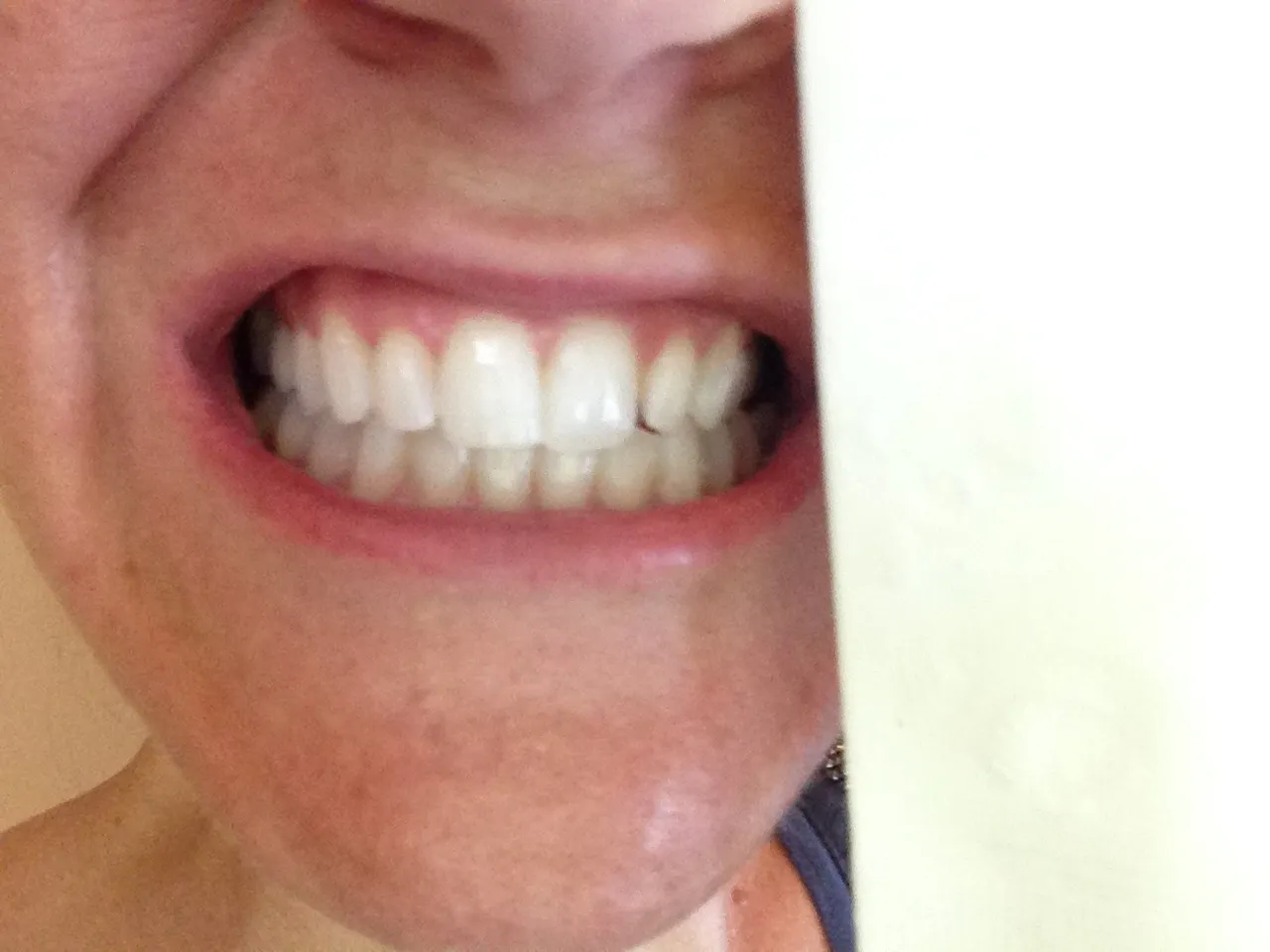
Achieving a brighter, whiter smile is a common goal, and whitening strips are a popular, accessible method to achieve this. However, a frequent concern among users is the appearance of white spots on teeth after using these strips. These spots, often more noticeable than the surrounding enamel, can be a source of frustration. This comprehensive guide delves into the causes of these white spots, strategies to prevent them, and methods to address them, ensuring you can confidently pursue a radiant smile while safeguarding your dental health. Understanding the underlying factors and adopting proactive measures are key to enjoying the benefits of whitening strips without unwanted side effects.
Understanding White Spots on Teeth
White spots, technically known as enamel hypoplasia or demineralization, are areas on the tooth surface that appear lighter than the surrounding enamel. This discoloration arises from a lower mineral content within the enamel, leading to increased porosity and light scattering. These spots are not always caused by whitening strips; several factors can contribute to their formation. Recognizing the various causes allows for a more targeted approach to prevention and treatment, ensuring optimal oral health while pursuing aesthetic enhancements. It’s important to note that while white spots are often harmless, they can be an early sign of enamel damage and should be monitored.
What Causes White Spots
Enamel Demineralization

Enamel demineralization is a primary cause of white spots. This process occurs when acids, often produced by bacteria in the mouth or present in certain foods and drinks, erode the minerals in the enamel. This erosion weakens the enamel structure, making it more susceptible to damage and resulting in the appearance of white spots. Poor oral hygiene, frequent consumption of sugary or acidic foods, and dry mouth can accelerate enamel demineralization. Early detection and intervention, such as improved oral hygiene and fluoride treatments, can help reverse this process and prevent further damage. Addressing the underlying causes is crucial for maintaining healthy enamel and preventing the progression of white spots.
Fluorosis
Fluorosis, another potential cause of white spots, results from excessive fluoride exposure during tooth development. This condition can cause the enamel to become porous and develop white, brown, or even black spots. Fluoride is beneficial for strengthening teeth, but too much can be detrimental, particularly in children whose teeth are still forming. Sources of excessive fluoride exposure include swallowing toothpaste, consuming fluoridated water, or taking fluoride supplements. Fluorosis is often more of a cosmetic concern, but severe cases can weaken the enamel. Monitoring fluoride intake, especially in children, and following dental recommendations are key to preventing fluorosis and maintaining healthy enamel. Regular dental check-ups can help identify early signs of fluorosis and guide appropriate interventions.
Other Factors
Besides demineralization and fluorosis, other factors can contribute to white spots. Genetics can play a role, with some individuals being naturally more prone to enamel imperfections. Trauma to the teeth, such as a chip or crack, can also lead to discoloration. Furthermore, certain medical conditions or medications can impact enamel development, increasing the risk of white spots. Understanding these diverse causes is vital for accurate diagnosis and effective management. Consulting with a dentist is essential to determine the underlying cause and develop a tailored treatment plan. Addressing these factors helps ensure that the teeth stay healthy and white spots are avoided.
How Whitening Strips Contribute

The Role of Peroxide
Whitening strips typically contain hydrogen peroxide or carbamide peroxide, the active ingredients that bleach the teeth. These peroxides work by penetrating the enamel and breaking down stain molecules. However, in high concentrations, or with prolonged exposure, these chemicals can also affect the enamel, leading to temporary demineralization and the appearance of white spots. The intensity of the whitening treatment and the frequency of use play critical roles in the potential for white spots. Selecting the right product, adhering to the usage instructions, and consulting a dentist can minimize the risk while maximizing whitening results. Understanding the mechanism of action of the peroxide allows you to whiten your teeth safely.
Uneven Application
Uneven application of whitening strips can also lead to white spots. If the strip doesn’t make complete contact with the tooth surface, or if saliva gets trapped between the strip and the tooth, the whitening agent may not distribute evenly. This uneven exposure can cause some areas of the enamel to whiten more than others, leading to the appearance of white spots. Proper application, including ensuring the strips cover all surfaces and avoiding contact with the gums, is essential. Carefully following the instructions on the packaging and seeking guidance from a dentist on proper application techniques can significantly reduce the risk of this type of discoloration. Regular dental check-ups can help identify areas of uneven whitening or potential enamel damage.
Preventing White Spots

Preparation is Key
Before starting any teeth-whitening regimen, it’s essential to assess your oral health and understand your teeth’s current condition. This includes scheduling a dental check-up and cleaning to address any existing issues, such as cavities or gum disease. This preparation ensures that the whitening process is safe and effective. If you have any pre-existing white spots, your dentist can evaluate them and recommend the most appropriate course of action. Preparing your teeth beforehand will ensure they are healthy, which is vital before using whitening strips. This also helps you to anticipate the potential impact of the whitening process.
Choosing the Right Strips
When selecting whitening strips, consider the concentration of the active ingredient (usually hydrogen peroxide) and the duration of use. Strips with lower concentrations may be less likely to cause white spots but may require a longer treatment period. Always choose products from reputable brands and those with the American Dental Association (ADA) Seal of Acceptance. Following the instructions on the packaging is crucial to avoid overuse and potential enamel damage. If you have sensitive teeth or are concerned about white spots, consulting your dentist before starting treatment is advisable. Dentists can recommend products best suited to your specific needs and ensure you’re applying them safely. Take time to research the strips before purchasing them to minimize risks.
Consulting a Dentist

Prior to using whitening strips, a consultation with your dentist is highly recommended. Your dentist can evaluate your oral health, identify any underlying issues, and determine if whitening strips are suitable for you. They can also provide personalized recommendations, guidance on proper application techniques, and advice on preventing potential side effects, such as white spots or sensitivity. A professional evaluation ensures that the whitening process is safe and effective for your specific situation. Moreover, your dentist can address any pre-existing conditions and help manage any adverse reactions. A dental consultation ensures optimal safety and effectiveness of your whitening process.
Proper Application Techniques
Proper application is crucial to minimize the risk of white spots. Before applying the strips, brush and floss your teeth to remove any plaque or debris, but wait a few minutes after brushing before applying the strips. Apply the strips evenly, ensuring they cover all surfaces of the teeth that you want to whiten. Avoid contact with the gums, as this can cause irritation. Carefully follow the instructions on the packaging regarding the duration of application. After removing the strips, rinse your mouth with water and avoid eating or drinking for at least 30 minutes to allow the enamel to remineralize. Careful application minimizes uneven whitening and reduces the risk of white spots.
Avoid Overuse
Overuse of whitening strips is a common cause of white spots and other adverse effects, such as tooth sensitivity. Always adhere to the manufacturer’s instructions regarding the frequency and duration of use. Avoid using strips more often or for longer than recommended. If you experience sensitivity or any other issues, discontinue use and consult your dentist. It is important to remember that whitening is not a permanent solution, and overusing the strips can damage your teeth. Allow a sufficient period between whitening treatments for your enamel to recover. Overusing the strips can cause damage, so stick to the instructions on the box or the dentist’s recommendations.
Ensure Even Coverage

Ensure the whitening strips have even coverage on your teeth. Make sure that all the surfaces of the teeth that you want to whiten are covered. Ensure the strip adheres properly to each tooth, avoiding air bubbles or gaps. Uneven coverage can lead to uneven whitening and the appearance of white spots. Proper placement maximizes the effectiveness of the whitening agent and minimizes the risk of uneven results. If the strips don’t fit your teeth, consider cutting them carefully to fit, but do not compromise coverage. Proper fit is key for optimal results and avoiding white spots.
Post-Whitening Care
Fluoride Treatments
After using whitening strips, fluoride treatments can help remineralize the enamel and reduce the appearance of white spots. Fluoride strengthens the enamel, making it more resistant to acid erosion and helping to replenish the minerals lost during the whitening process. You can use fluoride toothpaste, mouthwash, or, if necessary, obtain a professional fluoride treatment from your dentist. Fluoride treatments are an essential part of post-whitening care. Using these treatments helps to strengthen the enamel and reduce the chances of white spots appearing, ensuring that the whitening procedure benefits the teeth.
Dietary Considerations

Certain foods and drinks can stain teeth and may worsen the appearance of white spots. After whitening, avoid or limit the consumption of staining agents like coffee, tea, red wine, and dark-colored berries. If you do consume these items, rinse your mouth with water afterward. Maintaining a balanced diet rich in calcium and other nutrients can support healthy enamel. Following a diet that is beneficial for teeth ensures that you get the results that you are expecting and helps to maintain the brightness of your teeth. Remember that avoiding staining foods is essential to the health and color of your teeth.
Treating Existing White Spots
Remineralization Strategies
For existing white spots, strategies to promote remineralization are essential. This includes using fluoride toothpaste and mouthwash, which can help strengthen the enamel. In some cases, your dentist may recommend prescription-strength fluoride treatments or other products designed to restore mineral content to the enamel. Remineralization can help reduce the appearance of white spots over time. Brushing twice a day and flossing daily can prevent demineralization. Using the correct toothpaste and mouthwash can support remineralization. Remineralization strategies are essential for maintaining teeth health and for reducing the appearance of white spots.
Professional Treatments

In more severe cases, professional treatments may be necessary to address white spots. Your dentist may recommend microabrasion, a procedure that gently removes a thin layer of enamel to blend the white spots with the surrounding tooth surface. Another option is resin infiltration, where a special resin is applied to fill the pores of the enamel, reducing the appearance of the white spots. Veneers or crowns can also be used to cover more extensive areas of discoloration. A dentist can assess the severity of the spots and recommend the best course of action. Professional treatments can help to greatly reduce white spots, and can be a great option if the spots are severe.
When to See a Dentist
It’s important to consult your dentist if you notice white spots on your teeth, especially if they are new or increasing in size or number. Your dentist can determine the cause of the spots and recommend appropriate treatment options. Regular dental check-ups are essential for maintaining oral health and detecting any issues early. If you experience tooth sensitivity, pain, or any other unusual symptoms after using whitening strips, contact your dentist immediately. The dentist can help to ensure the health of your teeth and help with any issues regarding the whitening process. Don’t hesitate to schedule an appointment at the first sign of any issues.
In conclusion, while whitening strips are a convenient way to brighten your smile, it’s crucial to be aware of the potential for white spots and take preventive measures. By understanding the causes of these spots, choosing the right products, following proper application techniques, and incorporating post-whitening care, you can minimize the risk and achieve a beautiful, healthy smile. Regular dental check-ups and consultations are essential for ensuring the safety and effectiveness of your teeth-whitening journey. Prioritizing oral health and using whitening strips responsibly is the key to a radiant and confident smile.