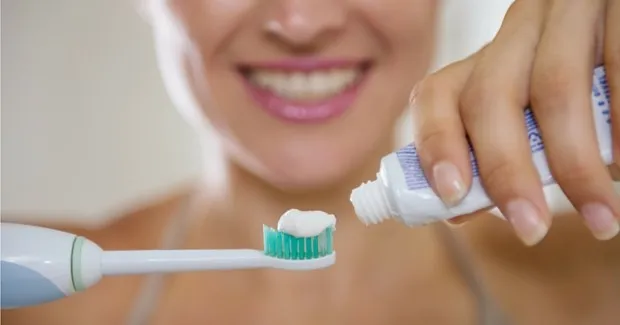
The quest for a brighter smile often leads individuals to the allure of whitening toothpaste. Marketed as a quick and easy solution, these products promise to lift stains and enhance the overall appearance of your teeth. However, beneath the surface of these pearly white promises lie potential dangers that are crucial to understand. While whitening toothpaste can be effective in removing surface stains, it’s essential to be aware of the potential downsides to make informed decisions about your oral health. This article delves into the top 5 dangers associated with the use of whitening toothpaste, offering insights to help you maintain a healthy and radiant smile.
Whitening Toothpaste Top 5 Dangers
1 Tooth Sensitivity
One of the most common side effects of using whitening toothpaste is increased tooth sensitivity. This occurs when the tooth’s enamel is weakened or thinned, exposing the underlying dentin, which contains tiny tubules that lead directly to the nerve center of the tooth. As a result, you might experience sharp, sudden pain or discomfort when consuming hot, cold, sweet, or acidic foods and drinks. The degree of sensitivity can vary from mild to severe, depending on the individual and the frequency of use of the whitening toothpaste.
Causes of Tooth Sensitivity

Several factors contribute to tooth sensitivity. Genetics play a role, as some individuals naturally have thinner enamel. Dietary habits, such as frequent consumption of acidic foods and beverages, can erode enamel over time. Furthermore, aggressive brushing techniques, particularly with hard-bristled toothbrushes, can also contribute to enamel wear and tear. The combined effect of these factors can significantly increase your risk of experiencing tooth sensitivity when using whitening toothpaste.
How Whitening Toothpaste Contributes
Whitening toothpaste often contains abrasive agents, such as hydrated silica or calcium carbonate, designed to scrub away surface stains. These abrasives, while effective in removing stains, can also wear down the enamel over time. Additionally, some whitening toothpastes contain peroxide-based ingredients, which can penetrate the enamel and cause temporary sensitivity. The combination of abrasives and chemical agents can weaken the enamel, making the teeth more vulnerable to external stimuli and leading to increased sensitivity. Image of sensitive-teeth.webp
2 Enamel Erosion
Enamel erosion is another significant concern associated with the prolonged use of whitening toothpaste. Enamel, the hardest substance in the human body, protects the underlying dentin and the sensitive nerves within the tooth. Once enamel is eroded, it cannot be naturally replaced, leaving the teeth susceptible to decay, sensitivity, and discoloration. The long-term consequences of enamel erosion can lead to more extensive and costly dental treatments.
The Role of Enamel

Enamel serves as a crucial protective layer for teeth. It shields the inner structures from physical, chemical, and bacterial attacks. Healthy enamel has a smooth, intact surface, which deflects food particles and bacteria. When enamel is compromised, the underlying dentin becomes exposed. Dentin is softer and more porous than enamel, making it more vulnerable to decay and sensitivity. Preserving enamel is, therefore, paramount for maintaining good oral health. (Image of enamel-erosion.webp)
How Whitening Agents Affect Enamel
The abrasive nature of many whitening toothpastes contributes to enamel erosion. As you brush, the abrasive particles physically scrub away the enamel surface, gradually thinning it over time. Furthermore, the chemicals in some whitening toothpastes, such as hydrogen peroxide, can weaken the enamel structure. These chemical reactions can make the enamel more porous and susceptible to erosion from acidic foods and drinks. Overuse of whitening toothpaste can accelerate this process, leading to significant enamel damage.
3 Gum Irritation
Whitening toothpaste can cause gum irritation, leading to inflammation, redness, and even bleeding. This irritation arises from the abrasive ingredients and chemical components found in these products. The delicate gum tissues are sensitive, and prolonged exposure to harsh substances can disrupt their natural balance, causing discomfort and potential health complications.
Ingredients Causing Gum Problems

Several ingredients in whitening toothpaste can contribute to gum irritation. Abrasives, such as silica and pumice, can irritate the gums through physical contact, especially if the toothpaste is used aggressively. Additionally, some whitening toothpastes contain sodium lauryl sulfate (SLS), a detergent that can cause irritation in sensitive individuals. Peroxide-based ingredients, while effective for whitening, can also irritate the gums, leading to inflammation and redness. (Image of gum-irritation.webp)
Symptoms of Gum Irritation
The symptoms of gum irritation include redness, swelling, and tenderness in the gums. Bleeding during brushing or flossing is also a common sign. Some individuals may experience a burning sensation or a metallic taste in their mouth. If you notice any of these symptoms after using whitening toothpaste, it’s crucial to discontinue use and consult with a dentist. Ignoring gum irritation can lead to more serious conditions, such as gingivitis or periodontitis.
4 Allergic Reactions
Allergic reactions to whitening toothpaste are relatively uncommon, but they can occur. The ingredients in these products can trigger an immune response in sensitive individuals, leading to a variety of symptoms. It’s essential to be aware of the potential allergens and how to identify an allergic reaction to ensure prompt and appropriate care.
Common Allergens in Toothpaste

Several ingredients commonly found in toothpaste can trigger allergic reactions. Flavoring agents, such as cinnamon, mint, and menthol, are common culprits. Preservatives, like parabens and formaldehyde-releasing agents, can also cause allergic responses. Sodium lauryl sulfate (SLS), a detergent used for foaming, is known to irritate sensitive individuals. Other potential allergens include certain dyes, sweeteners, and essential oils. Always check the ingredient list of your toothpaste, especially if you have known allergies. (Image of toothpaste-allergies.webp)
Identifying Allergic Symptoms
Allergic reactions to toothpaste can manifest in various ways. Common symptoms include itching, swelling, and redness in the mouth, gums, and lips. Rashes or hives may appear around the mouth or on the face. In severe cases, an allergic reaction can lead to difficulty breathing or swallowing, requiring immediate medical attention. If you suspect an allergic reaction, discontinue use of the toothpaste immediately and consult with a dentist or allergist to determine the specific allergen and prevent future reactions.
5 Ineffective Whitening for Some
While whitening toothpaste can effectively remove surface stains, it may not be effective for everyone. The effectiveness of these products depends on several factors, including the type of stains, the underlying tooth color, and individual dental conditions. Some stains are deeply embedded within the enamel and require professional whitening treatments, while others may be resistant to the ingredients in whitening toothpaste. Therefore, it’s essential to manage expectations and consider alternative whitening options if you’re not seeing the desired results.
Factors Affecting Whitening Results

The type of stains plays a crucial role in the effectiveness of whitening toothpaste. Surface stains caused by coffee, tea, and tobacco are generally easier to remove. However, intrinsic stains, such as those caused by tetracycline antibiotics or fluorosis, are more difficult to treat and may not respond to whitening toothpaste. The natural color of your teeth also influences the outcome; individuals with naturally darker teeth may not see as significant a difference. Additionally, the presence of dental work, such as fillings or crowns, can affect the whitening process. (Image of ineffective-whitening.webp)
Alternative Whitening Options
If whitening toothpaste isn’t providing the desired results, various alternative whitening options are available. Professional teeth whitening, performed by a dentist, is one of the most effective methods. This involves using higher concentrations of bleaching agents to remove stains and brighten teeth. Over-the-counter whitening strips and gels are another option, offering a more gradual whitening process. For certain types of stains, veneers or dental bonding might be recommended to achieve a brighter smile. Consulting with a dentist can help you determine the most suitable whitening approach based on your individual needs. (Image of alternative-whitening.webp)
In conclusion, while whitening toothpaste can be a convenient option for enhancing your smile, it’s essential to be aware of the potential dangers. Tooth sensitivity, enamel erosion, gum irritation, allergic reactions, and ineffective whitening for some are all potential downsides. By understanding these risks and taking appropriate precautions, you can make informed decisions about your oral care routine. Remember to consult with your dentist to discuss your individual needs and explore alternative whitening options if necessary. Prioritizing your oral health will help you maintain a healthy and beautiful smile for years to come. (Image of healthy-smile.webp)
Maintaining good oral hygiene practices, such as regular brushing with a soft-bristled toothbrush, flossing, and visiting your dentist for checkups and cleanings, is essential for overall oral health. Choosing the right toothpaste can also make a difference. If you choose to use whitening toothpaste, select a product with a low abrasion level and avoid excessive use. Listen to your teeth and gums, and if you experience any discomfort or sensitivity, discontinue use and seek professional advice. By taking these steps, you can achieve a brighter smile while protecting your dental health. (Image of teeth-cleaning.webp)